Buy American or Wait? 5 Smart Cars for 2026's Shaky Markets
A triple shock from Middle East tensions, a Fed signaling future rate hikes, and unresolved USMCA trade uncertainty is quietly repricing every car on US dealer lots.
US stock markets fell sharply on July 8 as escalating tensions with Iran rattled global risk appetite and investors absorbed a Federal Reserve that held its benchmark rate steady but leaned unmistakably toward future increases to keep inflation in check. That same week, the USMCA trade agreement — the deal governing automotive supply chains across the US, Mexico, and Canada — remained in uncertain territory after its July 1 review window, leaving parts costs and import duties in legal limbo. These three pressures are landing simultaneously on a market already characterized by analysts as mired in a lasting affordability crisis, with average new vehicle prices now pushing $50,000 — up from roughly $38,000 just five years ago. The result is a buyer environment where getting the decision right matters more than it has in years.
The USMCA uncertainty creates unequal exposure across the vehicle market. Models assembled in Europe and shipped to the US already carry embedded tariff costs, and the broader climate of trade friction keeps importers from passing along discounts. The [Audi A4](/cars/audi-a4) (from $42,000, 27 MPG combined) and the [BMW 3 Series](/cars/bmw-3-series) (from $45,950, 30 MPG combined) are accomplished cars, but their pricing reflects currency risk and duty exposure that shows little sign of easing. Buyers considering either should treat the current MSRP as roughly the floor, not a negotiating ceiling. European luxury SUVs like the [Audi Q5](/cars/audi-q5) (from $45,000) and the [Mercedes-Benz GLC](/cars/mercedes-benz-glc) (from $48,050) sit in the same position. If USMCA negotiations resolve unfavorably, any vehicle that crosses a North American border during its assembly could see mid-model-year cost increases passed directly to consumers.
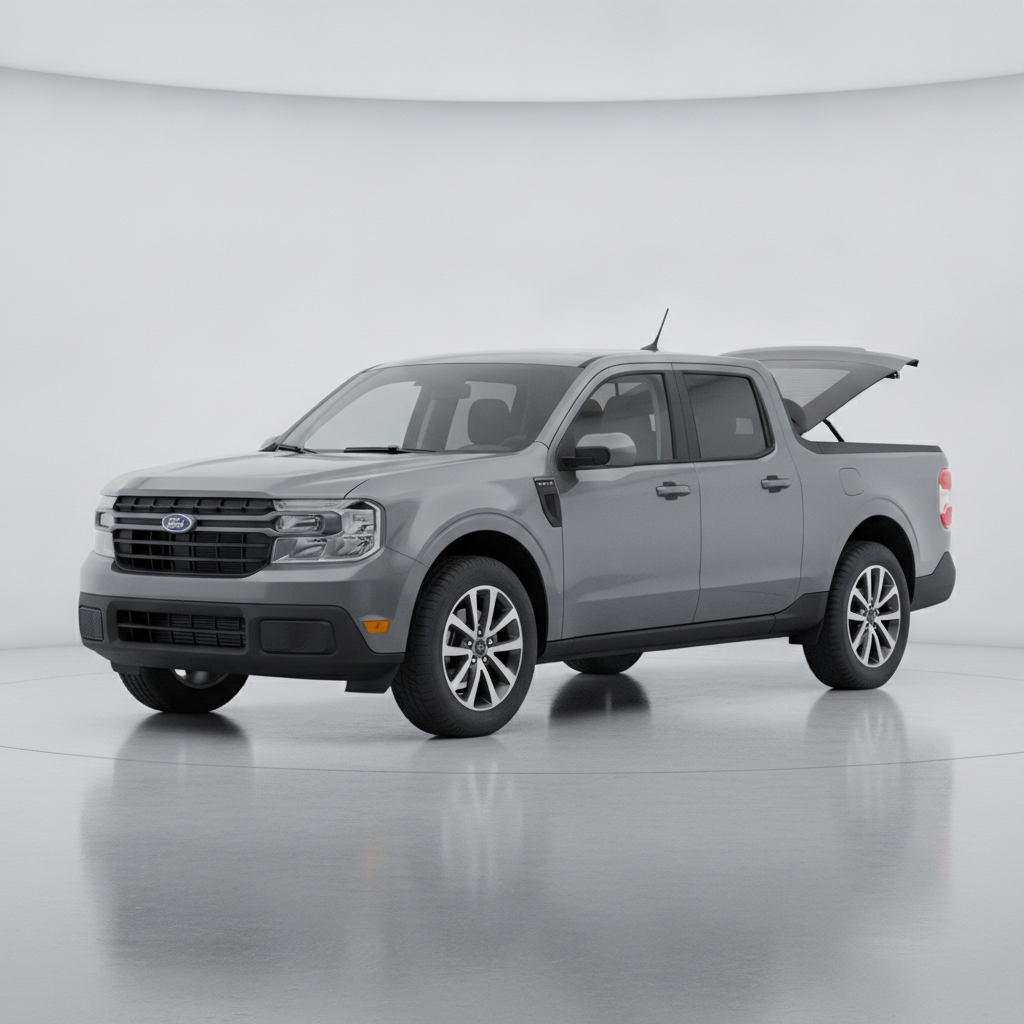
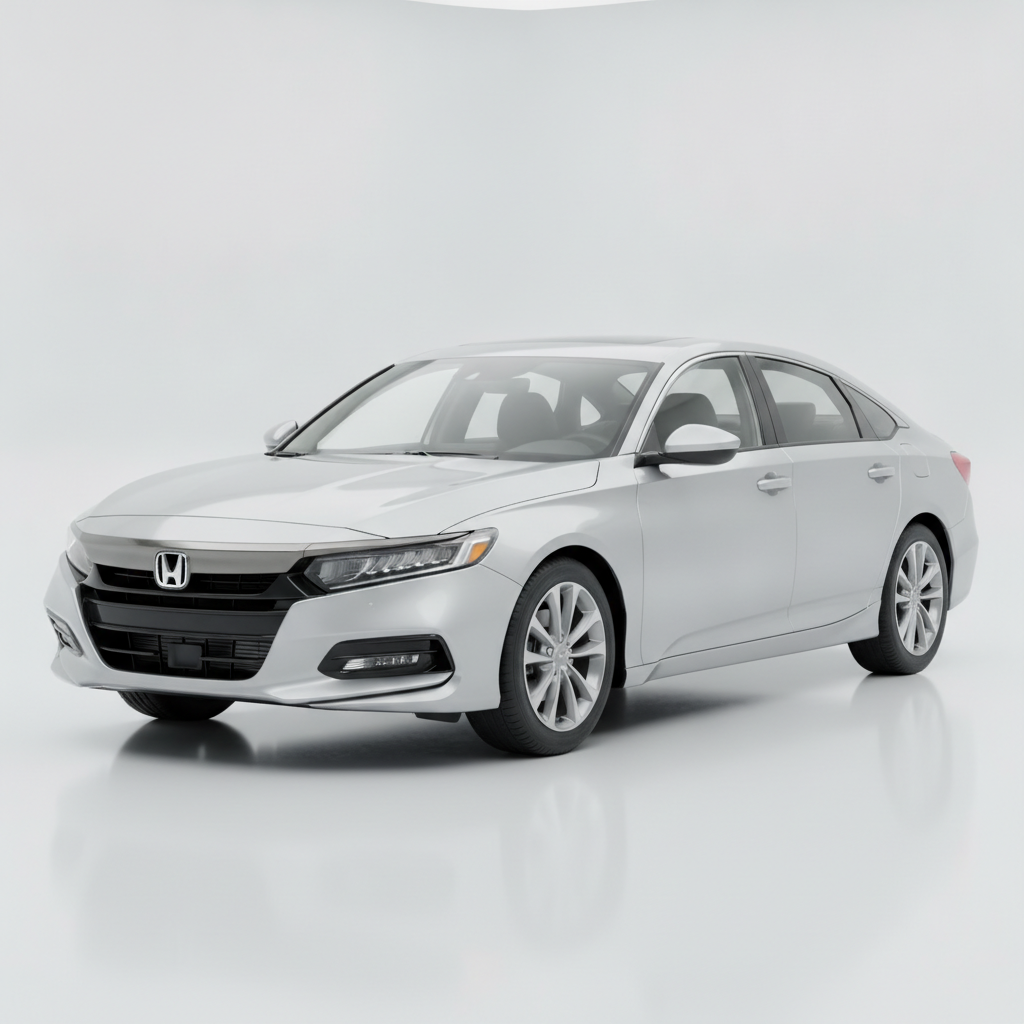
The Fed's posture matters directly to your monthly payment. Auto loan rates for 60-month terms are already running in the high-6 to mid-7 percent range for buyers with solid credit. A one-percentage-point increase on a $40,000 loan adds roughly $20 to $25 per month over five years — manageable in isolation, but compounding on already elevated prices. This makes locking in a rate now a more attractive proposition than waiting six months for a price correction that may not arrive. The [Ford Maverick](/cars/ford-maverick) (from $28,500, 38 MPG hybrid combined) is specifically well-suited to a high-rate environment: the smaller financed amount blunts the impact of rate moves far more than any dealer negotiation on a $55,000 truck would. The [Honda Accord Hybrid](/cars/honda-accord) (from $28,990, 48 MPG combined) similarly punches well above its price class in both efficiency and long-term ownership cost, making it one of the clearest value propositions in the current lineup.
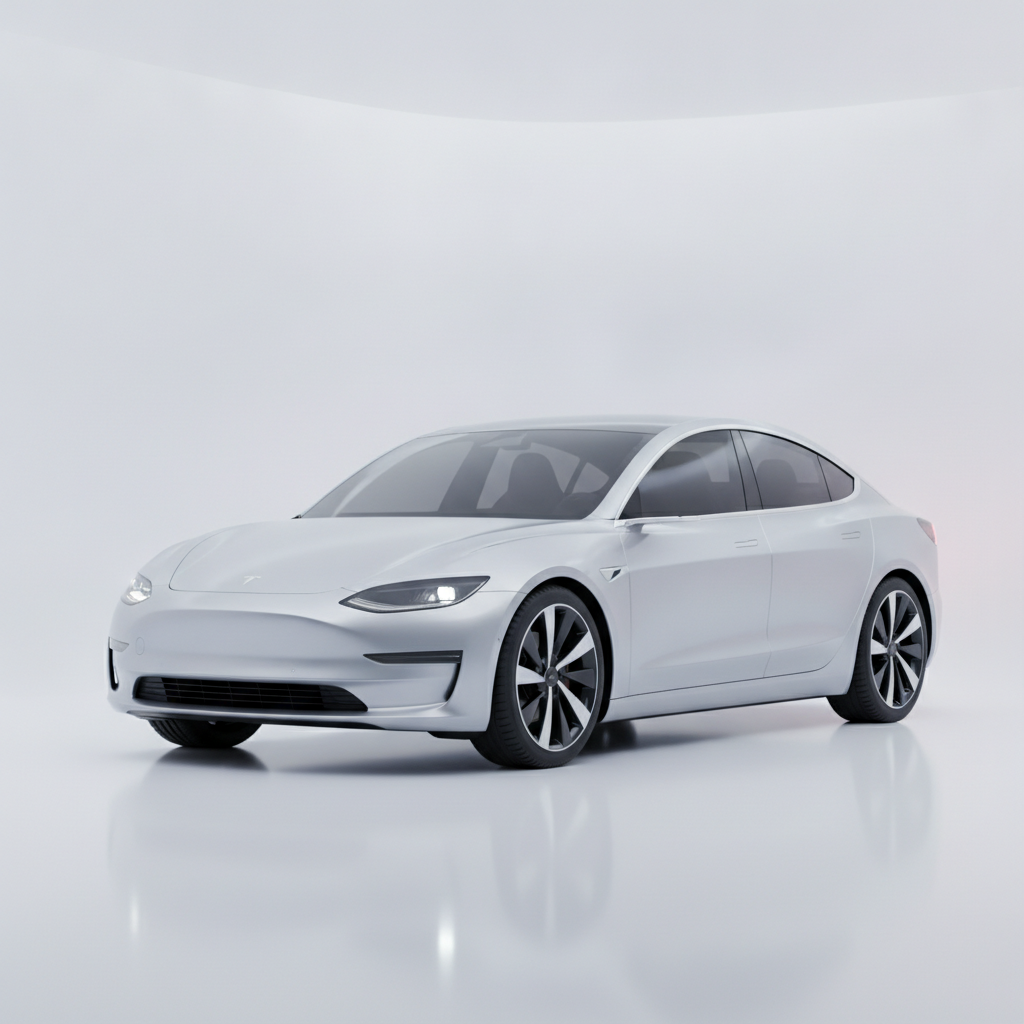
Iran-related oil supply uncertainty is nudging gas prices higher, and while analysts suggest the immediate impact on used-car values may be mild, the direction of energy costs over a five-year ownership horizon is harder to dismiss. The [Chevrolet Colorado](/cars/chevrolet-colorado) (from $31,000, 20 MPG) and the [Ford F-150](/cars/ford-f-150) (from $38,810, approximately 20 MPG combined) are both domestically assembled — giving them lower tariff exposure than European imports — but their owners feel every cent of a sustained gas price increase. In contrast, the [Tesla Model 3](/cars/tesla-model-3) (from $42,490, 132 MPGe) and the [Ford Mustang Mach-E](/cars/ford-mustang-mach-e) (from $37,000, 98 MPGe) are effectively gas-price-immune. If Middle East tensions keep oil elevated for any prolonged period, EV total cost of ownership closes the gap to combustion alternatives faster than most buyers expect at the point of purchase.
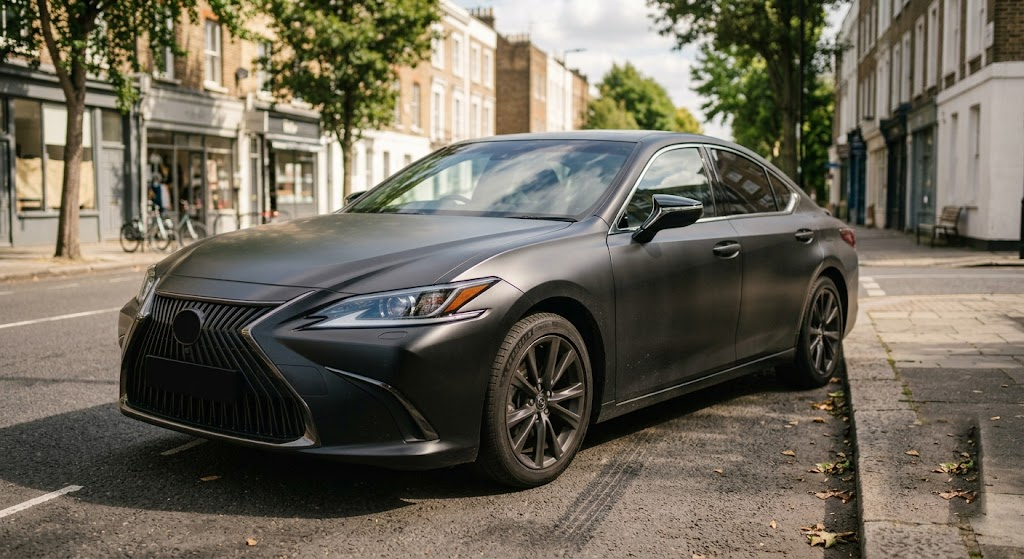
Five models emerge as particularly rational purchases given today's macro backdrop. The [Ford Maverick](/cars/ford-maverick) (from $28,500) leads on value: domestically built, hybrid as standard, and nearly $20,000 below the average new-car sticker. The [Honda Accord Hybrid](/cars/honda-accord) (from $28,990) delivers class-leading 48 MPG combined at a sub-$30,000 entry price that is genuinely rare in 2026. The [Chevrolet Equinox](/cars/chevrolet-equinox) (from $29,995, 28 MPG combined) offers practical family SUV space assembled in North America with a tariff-resilient cost structure. The [Tesla Model 3](/cars/tesla-model-3) (from $42,490) sidesteps both gas price risk and most trade tariff exposure, assembled in Fremont, California. And for buyers willing to step up budget, the [Lexus ES Hybrid](/cars/lexus-es) (from $43,000, 44 MPG combined) delivers a genuinely premium cabin with fuel economy so strong that even a sustained gas price spike barely registers in monthly running costs.
The practical takeaway for July 2026 is direct: domestically built vehicles with strong fuel efficiency — or EVs — are the most defensible purchases if any of the current macro pressures intensify. European imports carry more pricing risk than realistic upside right now, and waiting on them for discounts is a low-probability bet while tariff friction persists. If your budget allows, securing a loan rate before the next Fed decision is worth doing. And if the $50,000 average sticker is already beyond your comfort zone, the Maverick and Accord Hybrid prove that disciplined under-$30,000 buying remains possible — you just have to know exactly where to look.