
Electric & Hybrid Cars
10 electrified models, with lower running costs and fewer moving parts.
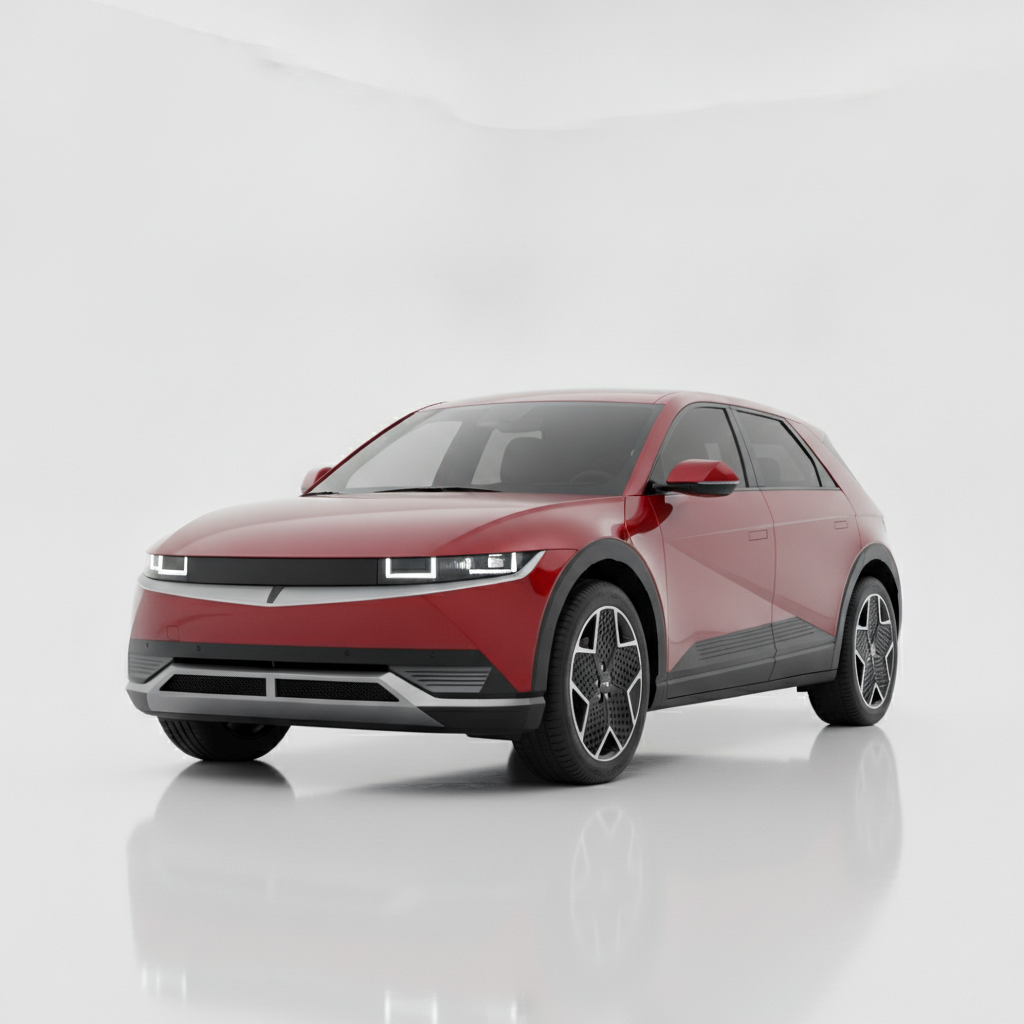
Hyundai Ioniq 5
4.4$42,500 - $58,100Starting MSRP
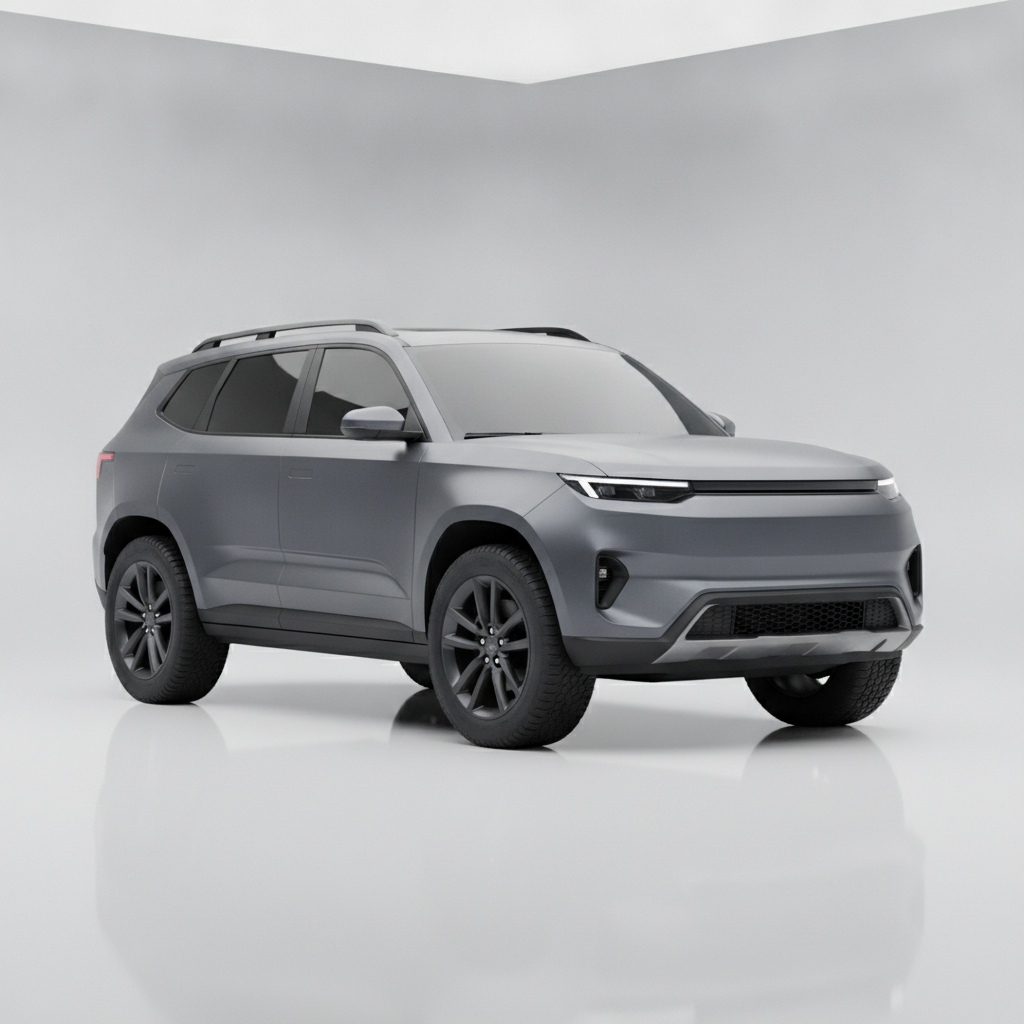
Tesla Model Y
4.4$44,990 - $52,490Starting MSRP
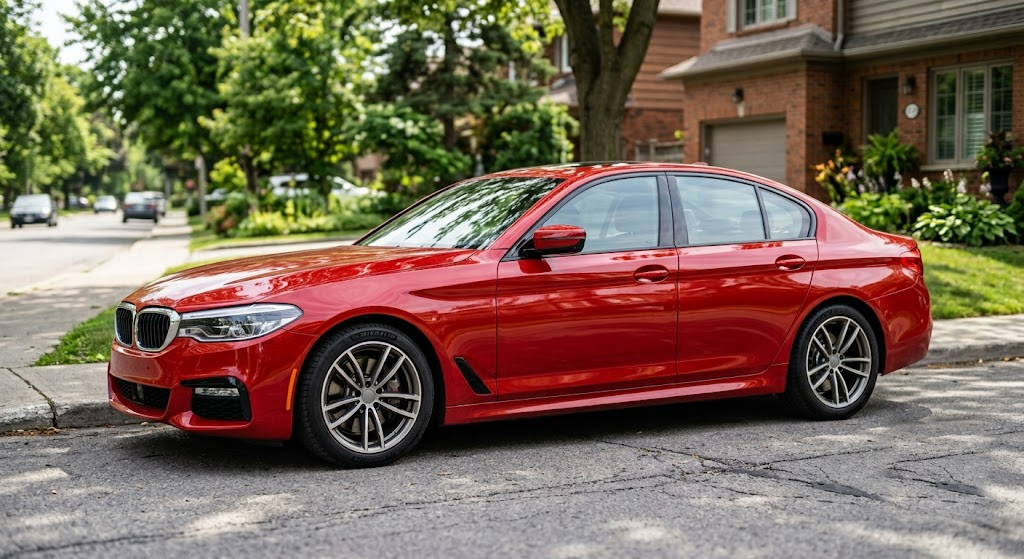
BMW 5 Series
4.5$59,000 - $74,000Starting MSRP

Porsche Macan
4.5$75,300 - $106,950Starting MSRP
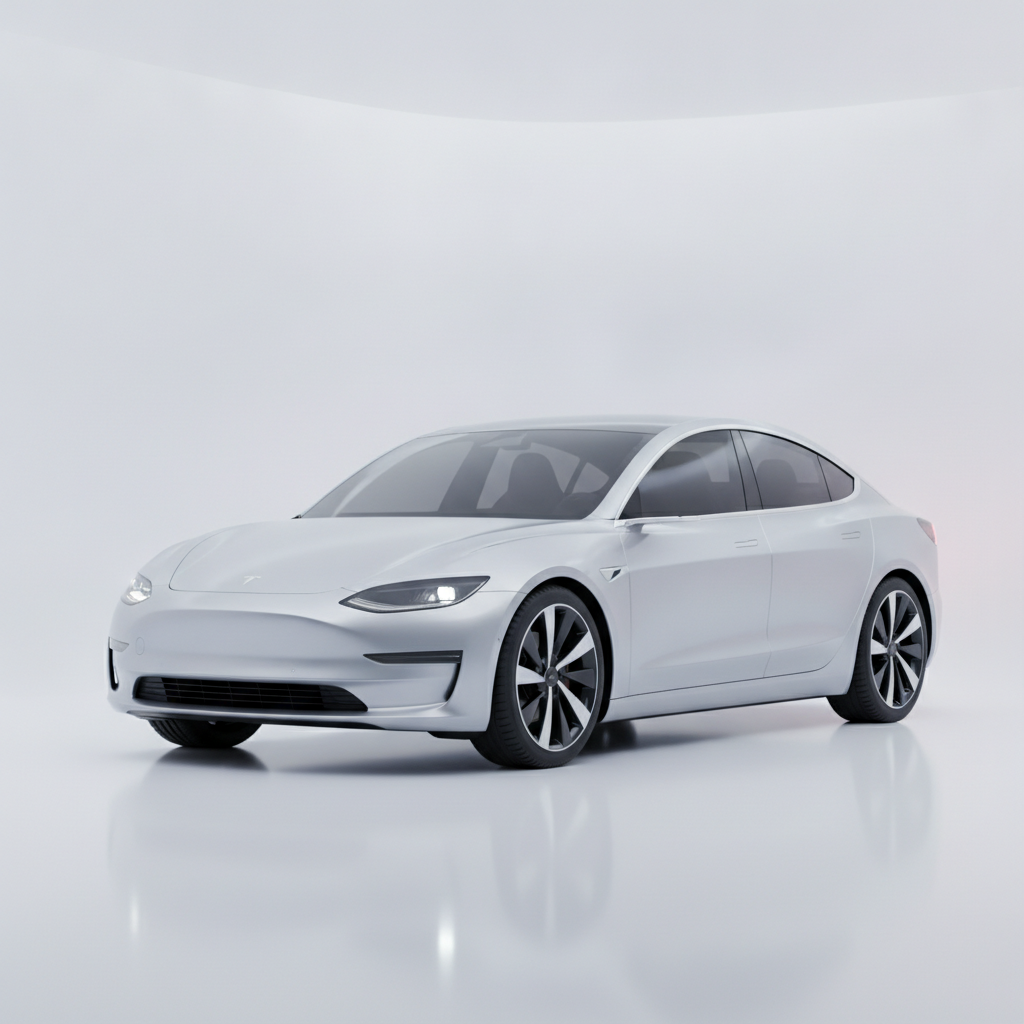
Tesla Model 3
4.5$42,490 - $54,990Starting MSRP

Tesla Cybertruck
4.1$69,990 - $99,990Starting MSRP
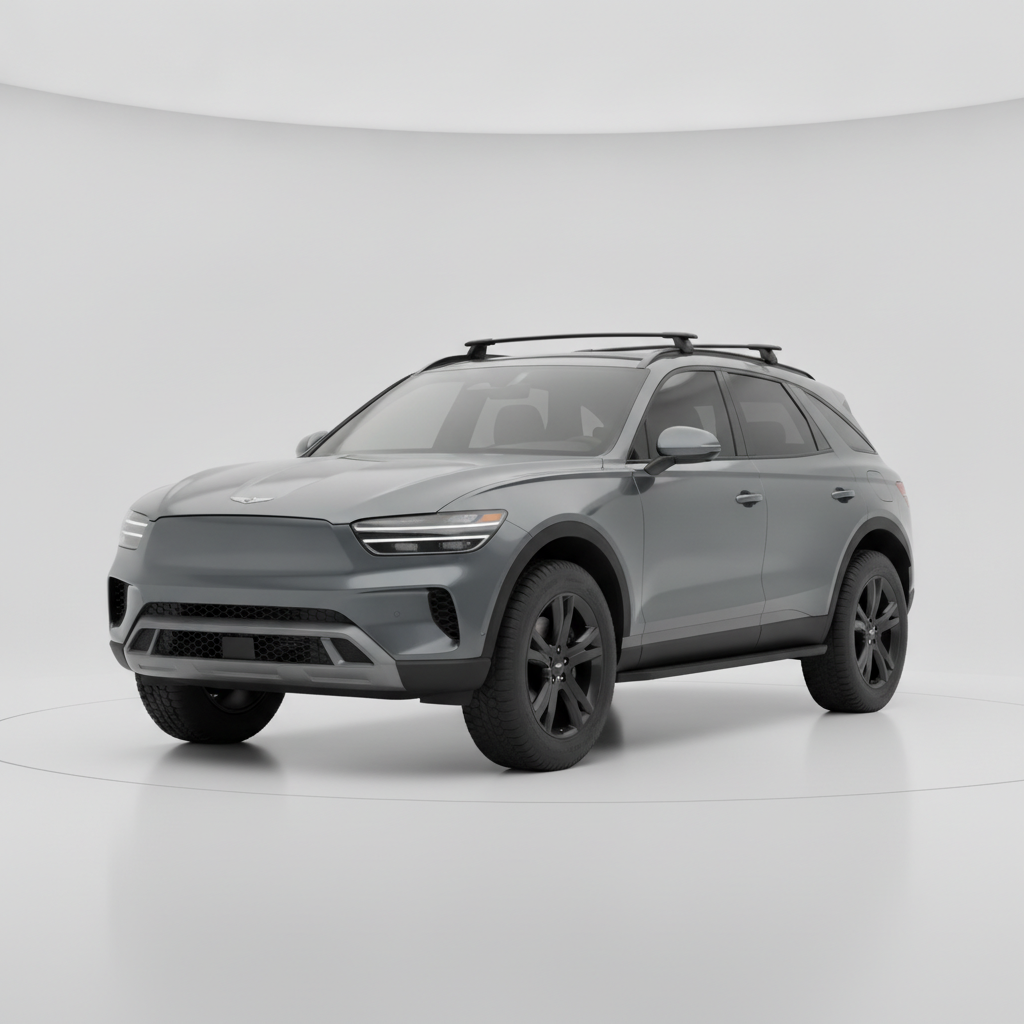
Genesis GV70
4.5$49,350 - $67,500Starting MSRP
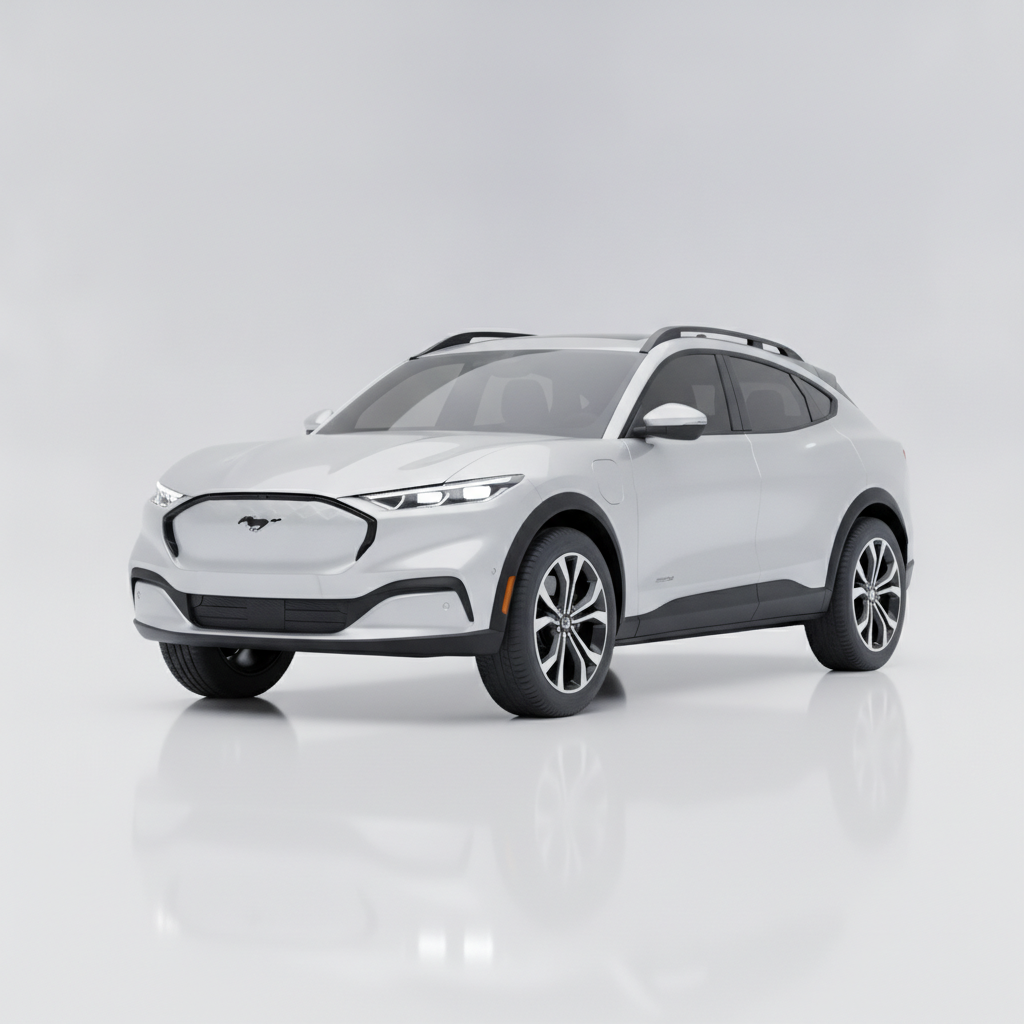
Ford Mustang Mach-E
4.2$37,000 - $60,000Starting MSRP
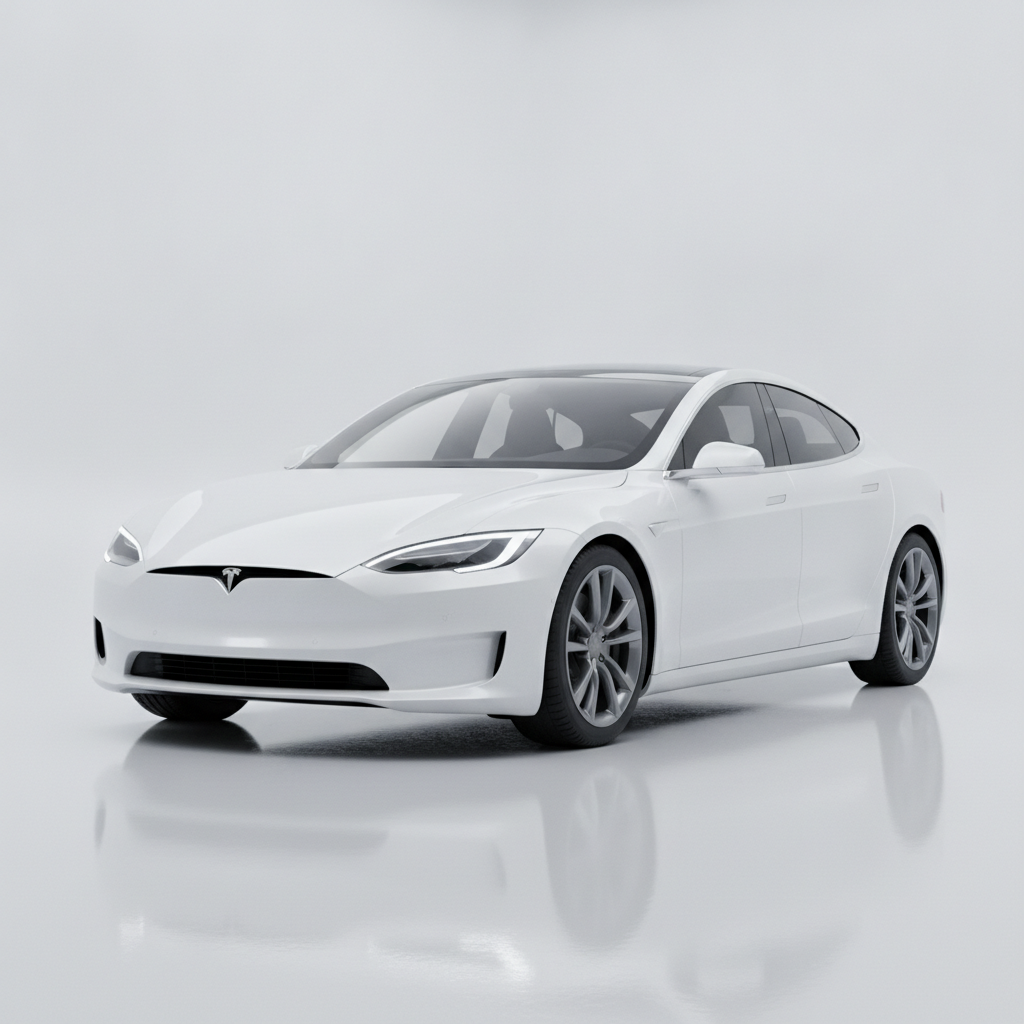
Tesla Model S
4.4$74,990 - $94,990Starting MSRP
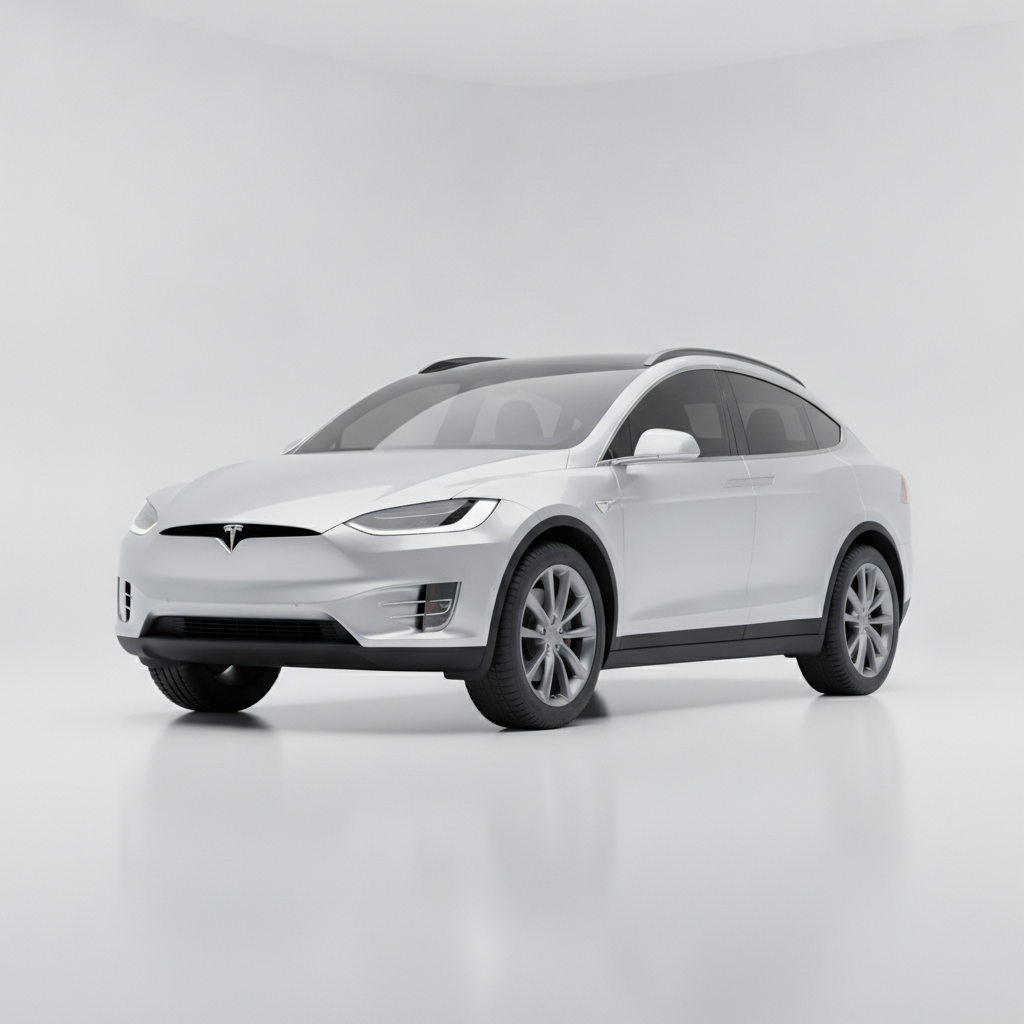
Tesla Model X
4.3$80,000 - $100,000Starting MSRP
Buying an electric or hybrid car in America
The EV question in the US comes down to three things: where you charge, how far you actually drive, and what the incentive landscape looks like on the day you sign. Get those right and an EV is cheaper and better to live with than the equivalent gasoline car. Get them wrong and it is a daily inconvenience.
Home charging changes everything
With a Level 2 charger in a garage or driveway, you start every day full and public charging becomes something you use a few times a year. Without home charging, you are dependent on public networks whose pricing frequently approaches the per-mile cost of gasoline, and the convenience advantage disappears entirely.
A Level 2 install is the real cost most buyers overlook. The hardware is modest; the electrical work depends entirely on your panel capacity and the distance from panel to parking spot, and it can range from trivial to a four-figure job. Get a quote before you buy the car, not after.
Range, cold weather and road trips
EPA range figures are more realistic than most international cycles, but they are measured in mild conditions. In deep winter, expect a meaningful reduction, cabin heating draws real power and cold batteries accept charge more slowly. Preconditioning the car while it is still plugged in recovers a good part of that loss.
For road trips, what matters is not peak range but charging-curve behavior and network coverage on your specific route. A car that adds 200 miles in twenty minutes on a well-covered corridor is more usable than one with a longer nominal range that charges slowly.
Incentives change constantly
Federal purchase incentives for electric vehicles have been rewritten repeatedly, and the previous federal clean-vehicle credit no longer applies to vehicles acquired after 30 September 2025. State, utility and local programs continue to exist in many places and can be substantial, particularly utility rebates on home charger installation.
Because this area moves faster than any published guide can track, treat every incentive figure you read, including ours, as a prompt to verify current federal, state and utility rules before you count on the money.
When a hybrid is the smarter buy
If you cannot charge at home, drive long distances irregularly, or live somewhere with sparse fast-charging, a conventional or plug-in hybrid captures much of the efficiency benefit with none of the infrastructure dependency. Hybrids are at their best exactly where EVs are weakest for a no-home-charging buyer: stop-and-go city traffic, where regenerative braking and engine-off creeping do most of the work.
Plug-in hybrids sit in between and reward a specific profile, a short daily commute you can cover on battery, plus occasional long trips. If you will not plug it in regularly, you are carrying the weight and cost of a battery you never use.