
All Brands
18 manufacturers. Tap a brand to see its lineup.





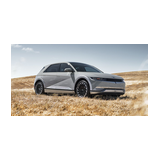








How to choose a car brand in America
Brand loyalty is stronger in the US than almost anywhere, and it is often the most expensive habit a buyer has. The badge should be one input among several, warranty terms, dealer density, parts pricing and predicted resale usually matter more to your wallet than the manufacturer's reputation does.
Warranty terms differ more than you think
Basic bumper-to-bumper coverage clusters around three years or 36,000 miles across most of the industry, but powertrain coverage varies widely, and a couple of brands have historically used a long powertrain warranty as a core selling point. Complimentary scheduled maintenance is another real, quantifiable difference, two or three years of included service is worth several hundred dollars you would otherwise spend.
Read what is actually covered rather than the headline number. Wear items, batteries in hybrids and EVs, and infotainment hardware are frequently carved out or covered on different schedules.
Dealer density and where you live
In a large metro this is a non-issue. In a rural county it can decide the purchase. Some import brands have thin coverage across large parts of the interior, which means a warranty repair is a day's round trip rather than an errand. Check the manufacturer's dealer locator for service, not sales, within a radius you would actually be willing to drive.
Depreciation is the biggest number in the deal
Over five years, depreciation typically dwarfs fuel and maintenance combined. Trucks and body-on-frame SUVs from established brands, and a handful of famously durable Japanese models, have historically retained value best; luxury sedans and anything with a heavily discounted transaction price tend to fall fastest.
This is also why a heavily incentivized deal can be a trap: if the manufacturer is paying $6,000 to move the car, the used market has already noticed, and your resale value reflects it.
Cost of ownership beyond the payment
- Insurance premiums vary substantially by model, not just by driver. Get a quote on the specific trim before you buy, performance variants and models with expensive sensor-laden bumpers can cost dramatically more to insure.
- Fuel type matters at your actual commute length. A hybrid pays back its premium quickly in stop-start city driving and slowly on a highway commute.
- Check whether the engine requires premium fuel. Over 12,000 miles a year that is a real recurring cost that never appears in the sticker comparison.
- Look up parts and labor cost for the common wear items on the specific model. Modern headlamp assemblies and sensor-equipped windshields are frequently the most expensive surprise an owner meets.