Ford's China Alert & Rate Hold: 5 Cars to Buy This August
With Ford's CEO flagging a Chinese automaker invasion within a decade and the Fed locking in elevated borrowing costs, August 2026 is a pivotal month to buy smart — here's exactly how.
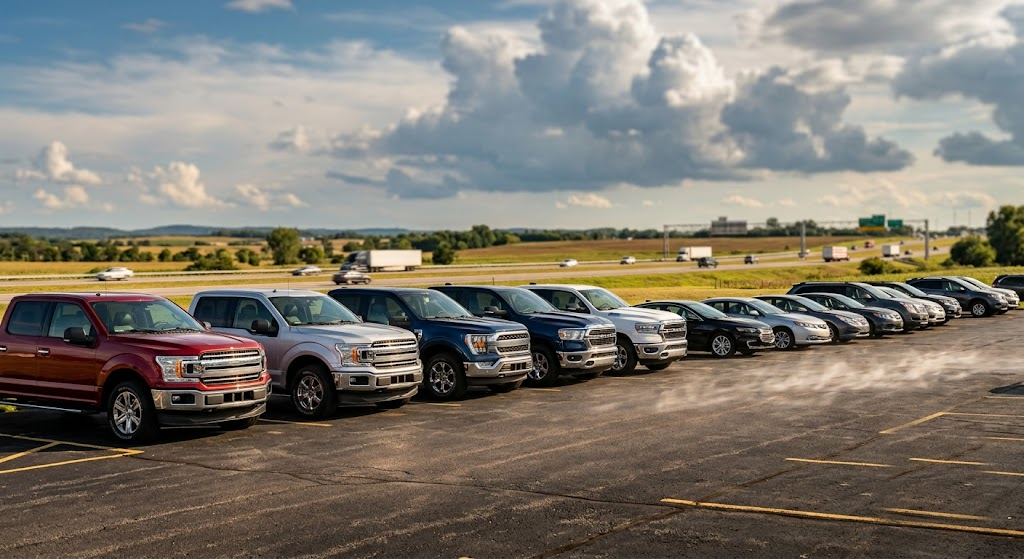
Ford CEO Jim Farley made headlines late last month with a stark internal warning to employees: Chinese automakers — currently shut out by steep import tariffs — could find their way into the American new-car market within the next ten years. That disclosure landed within days of the Federal Reserve's decision, under Chair Kevin Warsh, to hold interest rates steady for another meeting cycle despite inflation running persistently above the Fed's 2% target. Add the ongoing lobbying campaign by auto dealers facing margin compression from tariff costs, and the August 2026 picture for US car shoppers snaps into focus: prices on many models aren't coming down, financing remains expensive, and the macro forces shaping what you pay at the dealership show no sign of reversing before year-end.
The most direct tariff impact falls on vehicles assembled outside North America, and European luxury brands are bearing the brunt. The [Audi A4](/cars/audi-a4) (from $42,000) and [BMW 3 Series](/cars/bmw-3-series) (from $45,950) are both assembled in Germany, meaning a substantial portion of their production cost flows through tariff channels before reaching US ports. The [Mercedes-Benz C-Class](/cars/mercedes-benz-c-class) (from $47,900) faces a similar dynamic. Automakers have absorbed some of this exposure to protect sticker prices, but that buffer is finite — and with the Auto Dealers Association publicly lobbying Washington for tariff relief, the industry is signaling that relief is not arriving fast enough. Buyers eyeing European imports should assume that list prices have already moved to reflect some tariff costs, with further adjustment possible later in the model year.
The Fed's decision to hold rates steady is a double-edged development for shoppers. It prevents an immediate worsening of financing conditions, but it locks in an already elevated borrowing environment for the foreseeable future. New-car loan rates at most lenders are running approximately 7–8% for well-qualified buyers — a figure that materially changes the monthly payment math. On a $45,000 vehicle financed over 60 months at around 7.5%, the monthly payment runs close to $900, compared to roughly $830 at a 5% rate. That $70-per-month gap compounds the pressure from higher MSRPs that tariffs have already introduced. The practical upshot: lower base prices and strong fuel efficiency have become more consequential variables in the total-cost-of-ownership calculation than they were two or three years ago.
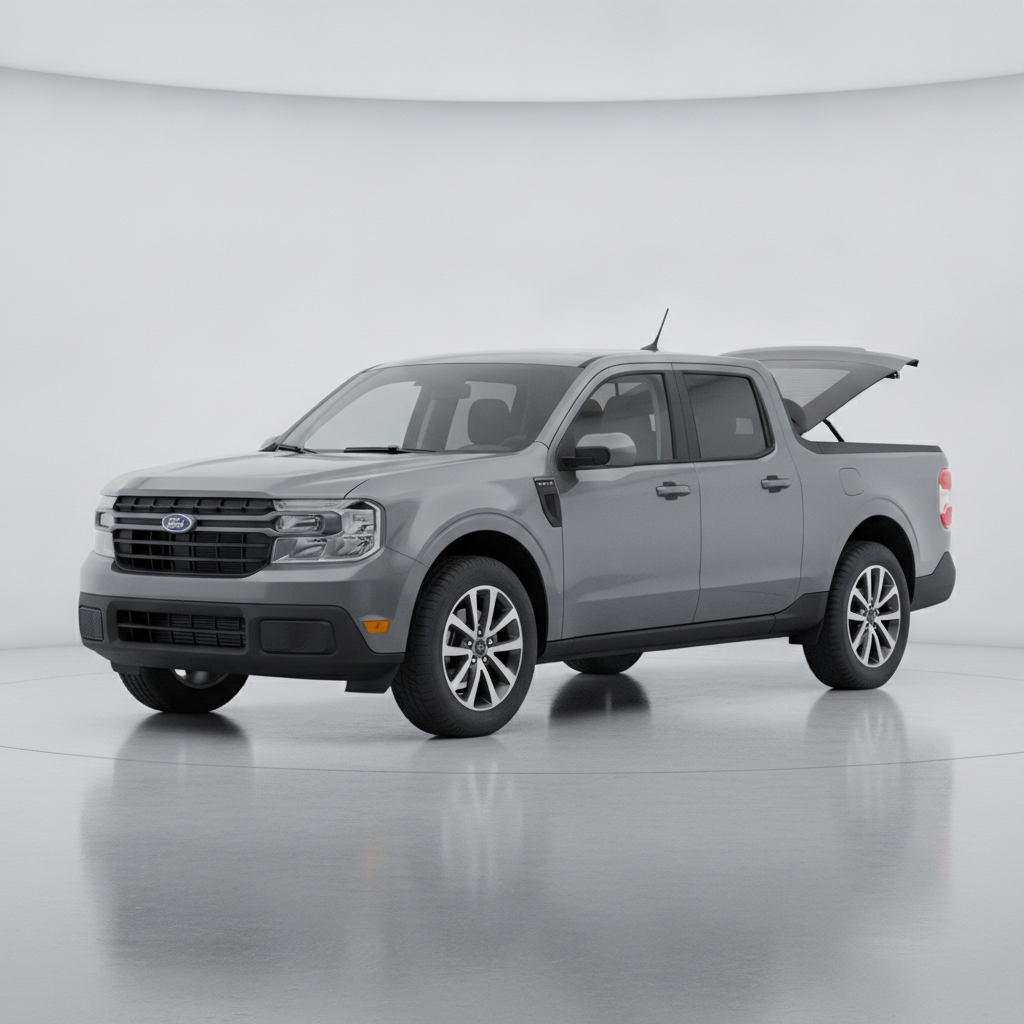
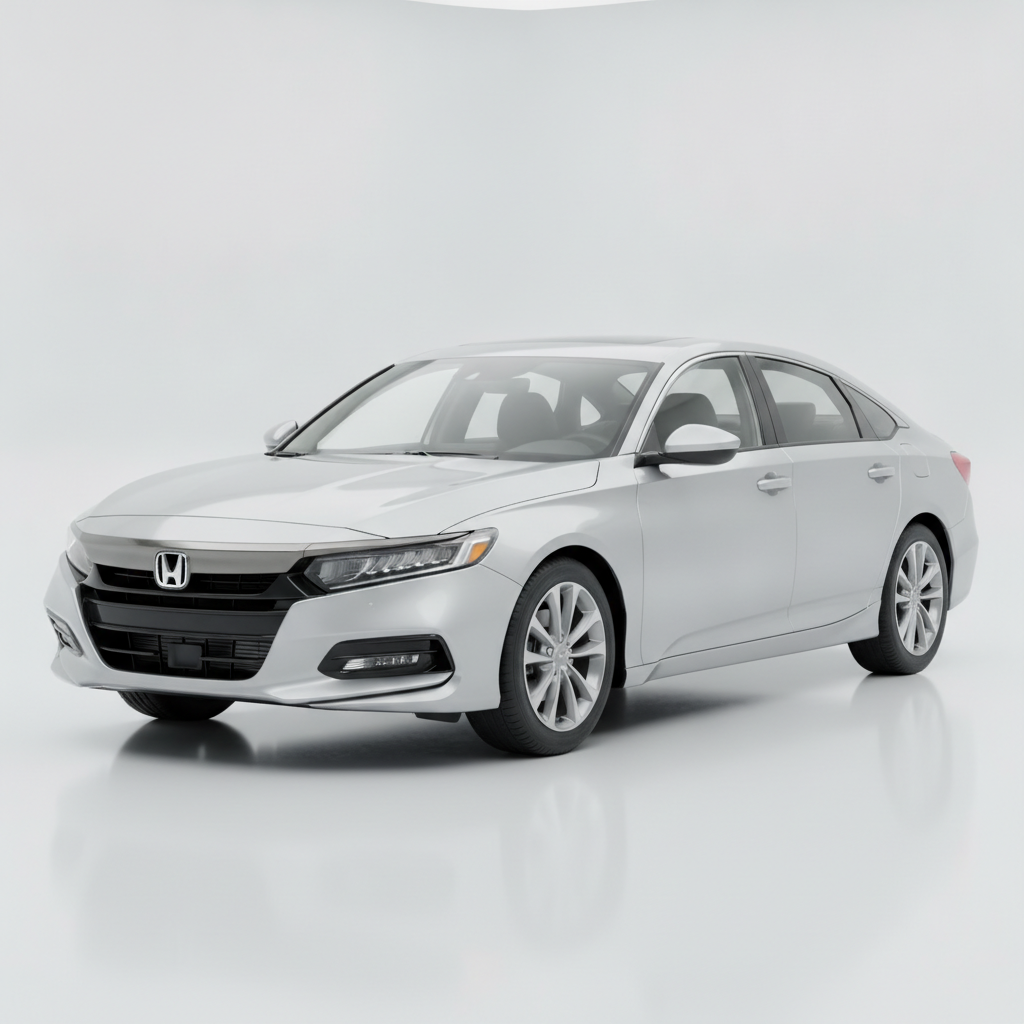
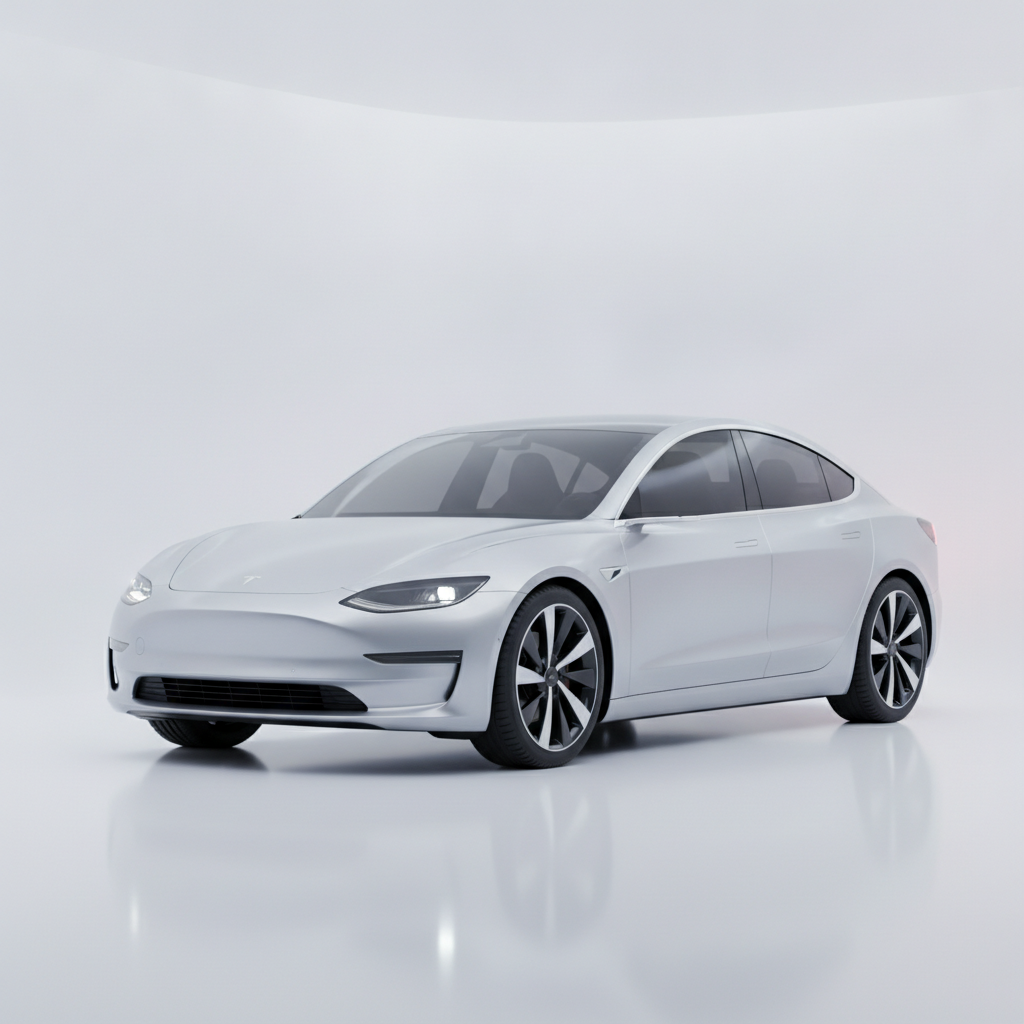
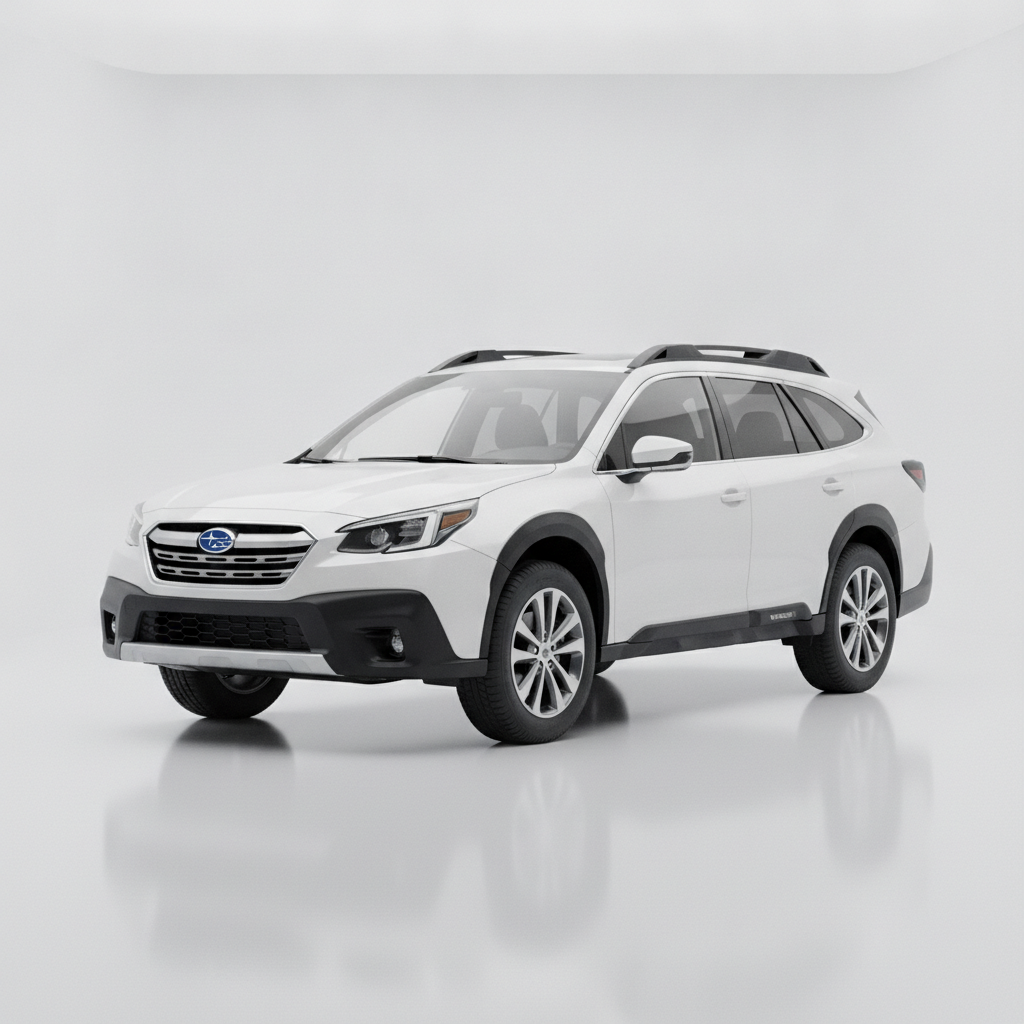
In this environment, the clearest smart buys share two characteristics — North American assembly (limiting tariff exposure) and either strong fuel efficiency or a base price low enough to soften the impact of elevated financing rates. The [Ford Maverick](/cars/ford-maverick) (from $28,500, hybrid rated at 38 MPG combined) remains one of the best value propositions on any lot right now: assembled in Mexico under USMCA rules, priced low enough that monthly payments stay manageable, and efficient enough to cut fuel spending significantly. The [Honda Accord](/cars/honda-accord) (from $28,990, with a hybrid variant returning 48 MPG combined) is built in Marysville, Ohio, making it nearly immune to import-tariff risk — and its class-leading fuel economy keeps running costs low if gas prices climb. The [Subaru Outback](/cars/subaru-outback) (from $29,010, assembled in Lafayette, Indiana) and the [Chevrolet Colorado](/cars/chevrolet-colorado) (from $31,000) round out a domestic-assembly value tier offering genuine everyday utility without the tariff uncertainty that hangs over imported alternatives. For buyers open to going electric, the [Tesla Model 3](/cars/tesla-model-3) (from $42,490, 132 MPGe) is built in Fremont, California, sidesteps import duties entirely, and eliminates gasoline costs — a compelling hedge against both tariff volatility and any future fuel price shock.
European imports are worth watching for deal opportunities rather than dismissing outright. With dealers feeling the squeeze of tariff-compressed margins, aging lot inventory can yield meaningful negotiation leverage. The [Audi Q5](/cars/audi-q5) (from $45,000) and the [BMW X5](/cars/bmw-x5) (from $66,200) are genuinely excellent vehicles; the key question is whether the out-the-door number honestly reflects market conditions or inflated tariff surcharges bolted onto MSRP. Ask for an itemized breakdown before signing. For buyers in the luxury-SUV tier seeking a different tariff-exposure profile, the [Lexus RX](/cars/lexus-rx) (from $50,000, hybrid at 36 MPG combined) and the [Genesis GV70](/cars/genesis-gv70) (from $49,350) are worth cross-shopping before committing to a German import. Ford CEO Farley's warning about Chinese competition is also a useful reminder that models with well-established resale strength are likely to hold value better than vehicles from brands facing long-term market disruption.
The practical takeaway for August 2026 is straightforward: buy now if you genuinely need a vehicle, but buy with the macro backdrop fully in view. Prioritize North American-assembled models to minimize tariff exposure, run the financing numbers honestly at current rates rather than assuming imminent cuts, and lean toward fuel-efficient or electrified drivetrains to reduce per-mile running costs regardless of what happens at the pump. The Ford Maverick, Honda Accord Hybrid, Subaru Outback, Chevrolet Colorado, and Tesla Model 3 each represent the strongest intersection of value, tariff resilience, and ownership-cost efficiency available in today's market. And if European luxury is on your list, bring data to the negotiating table — dealer margins are under enough pressure right now that an informed, patient buyer has more room than the sticker suggests.