Tariff Pivot & Rate Hike Risk: 5 Smart Car Buys Now
With Trump's temporary tariff framework expiring and Fed rate hike odds surging on the back of rising oil prices, the window to buy a car at today's known costs is narrowing fast.

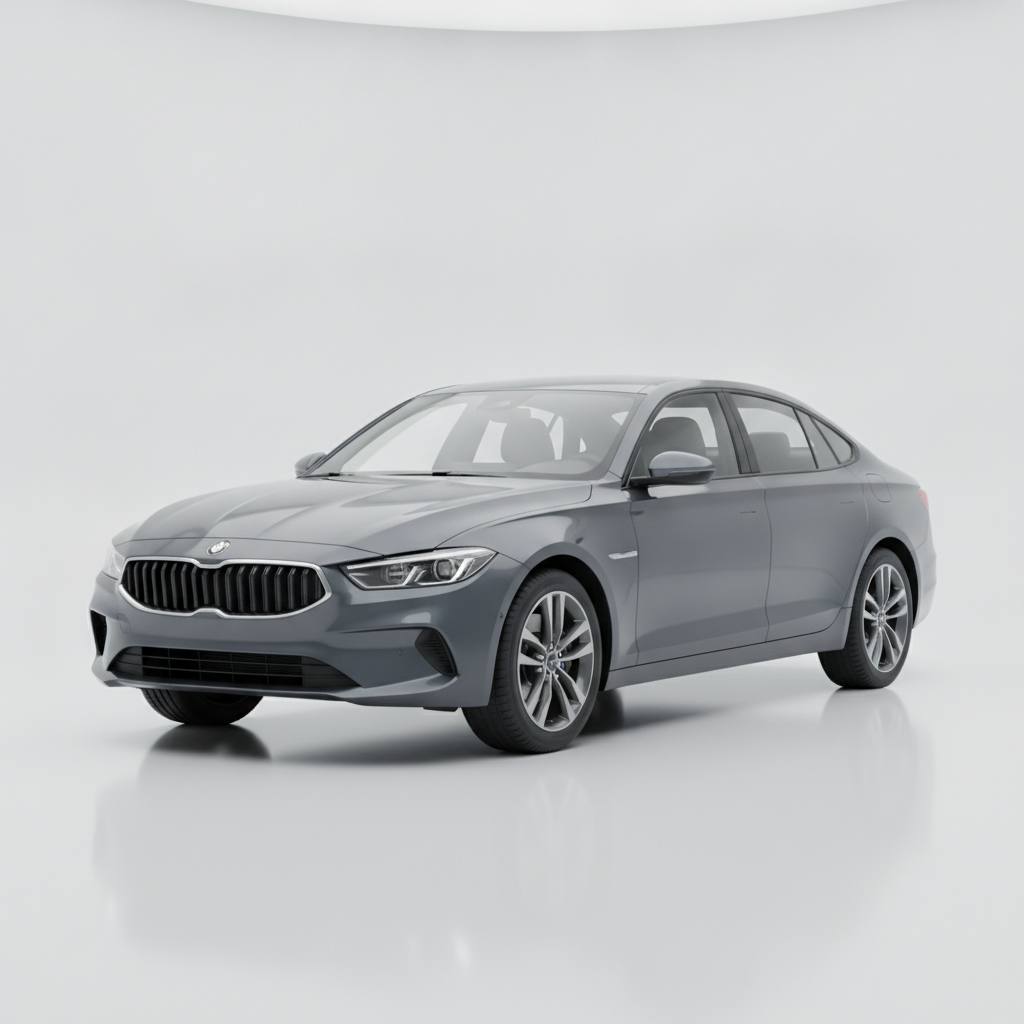
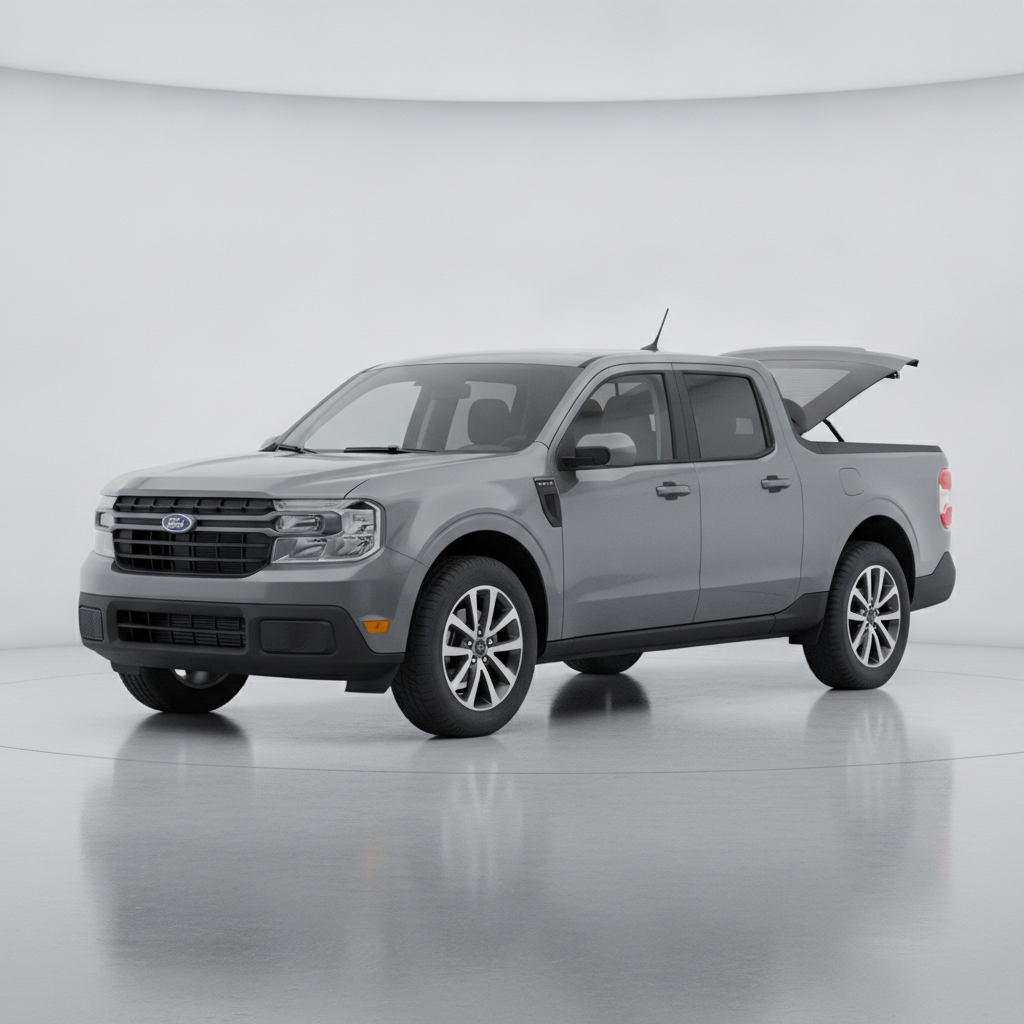
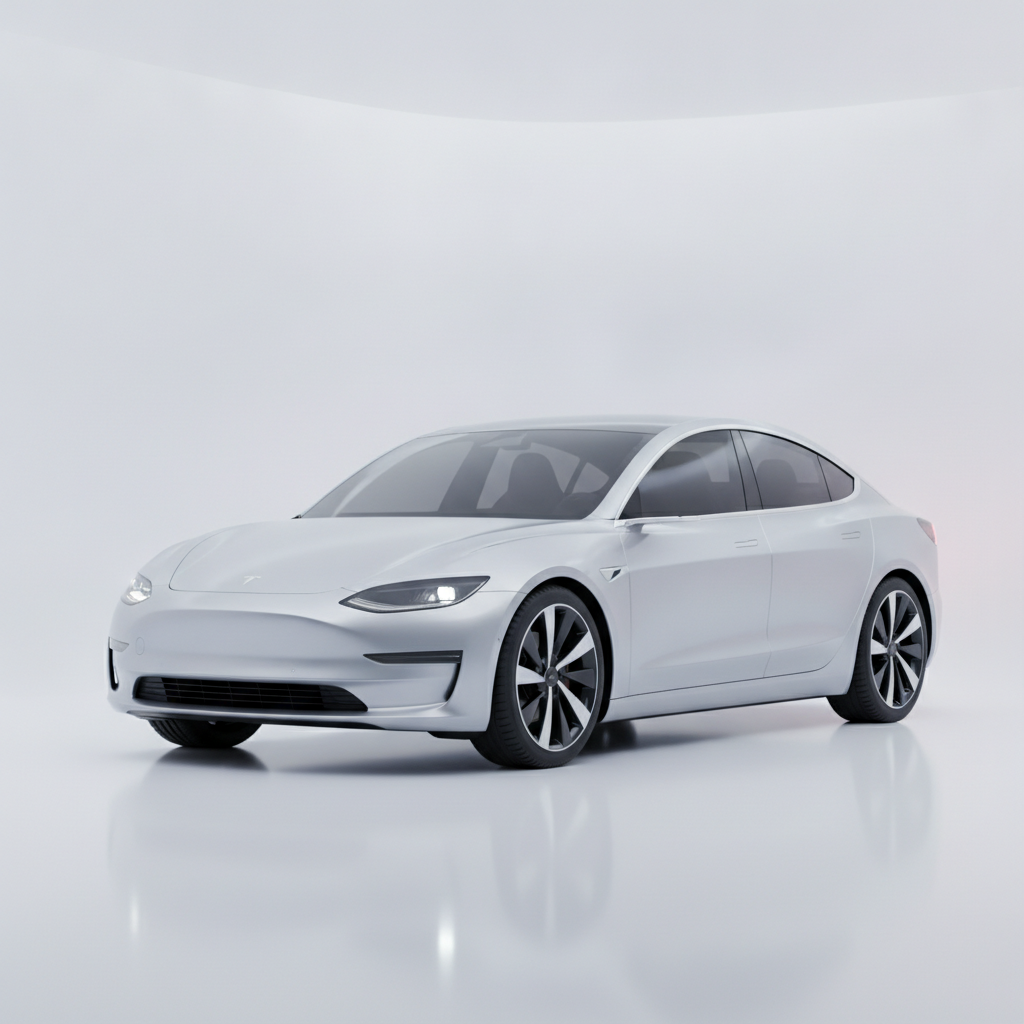
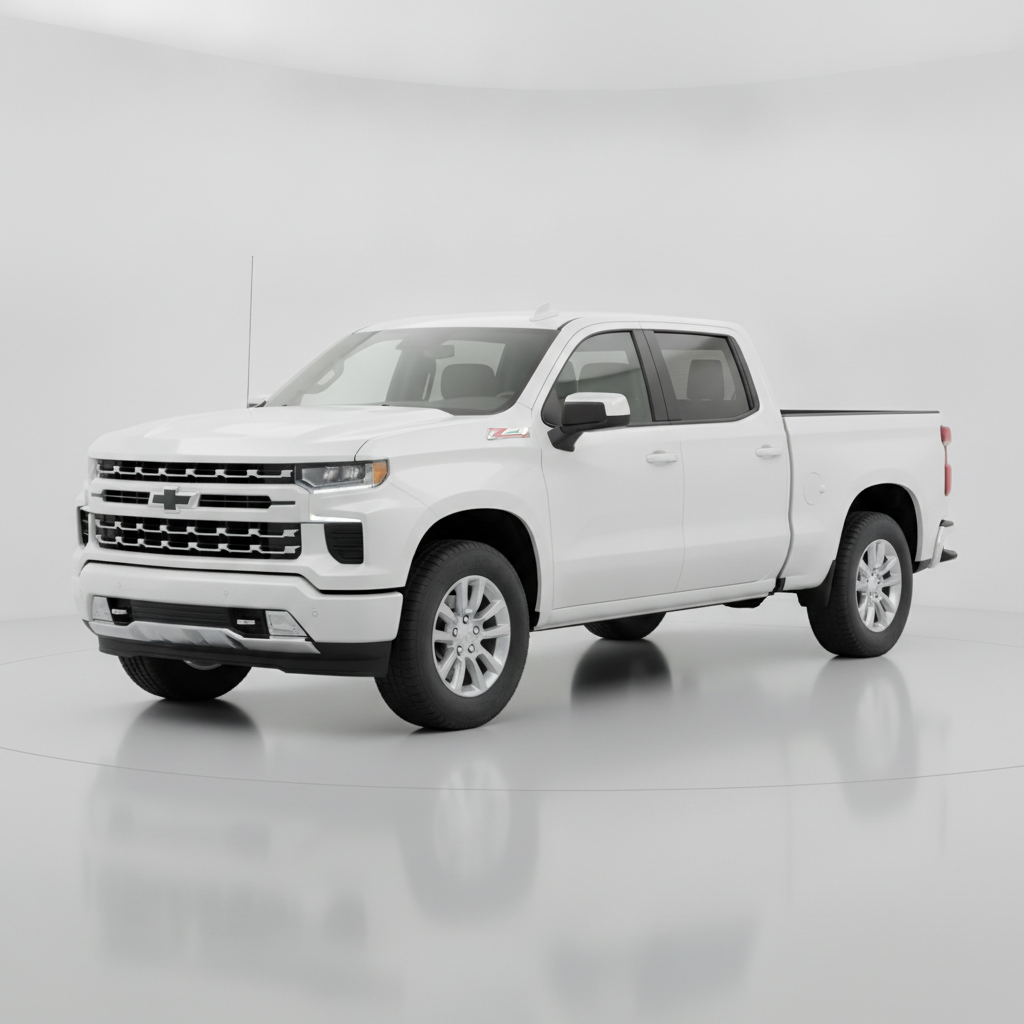
Trump's temporary global tariff framework is set to expire soon, and the auto industry is already in damage-control mode. The National Automobile Dealers Association spent much of last week in emergency lobbying sessions in Washington as the administration works to finalize a permanent import tariff structure for the sector. Compounding the pressure, oil prices ripped higher in late July, pushing the odds of a Federal Reserve rate hike, rather than the long-awaited cut, sharply upward. Fed Chair Kevin Warsh reinforced that message in mid-July, stating plainly that prices remain too high for the Fed to ease. For US car buyers, this confluence of a tariff regime change and a potential rate hike arrives at a genuinely difficult moment: new-car prices remain elevated well above pre-pandemic norms, and the financial conditions that might bring relief are moving in the wrong direction. The tariff transition is the more immediate pressure point for sticker prices. The current temporary structure gave automakers some planning certainty; the replacement framework is expected to be more permanent and, according to industry observers, potentially heavier on vehicles assembled outside North America. That means European luxury models with significant overseas assembly, including the [Audi A4](/cars/audi-a4) (from $42,000) and the [BMW 3 Series](/cars/bmw-3-series) (from $45,950), carry real duty-exposure risk going into the fall. The [Mercedes-Benz C-Class](/cars/mercedes-benz-c-class), starting at $47,900, is in a similar position. If new import duties are layered onto these nameplates, the effective price gap between imported European models and domestically assembled competitors widens further. Buyers drawn to these cars should ask dealers to confirm current pricing in writing, inventory already on US soil may be the last available at today's numbers. Financing costs are the second front. Even a modest half-point increase in the Fed funds rate can add $30 to $50 per month to a typical auto loan, and with rate hike odds rising as oil drives inflation expectations higher, the favorable borrowing window many buyers were waiting for may not materialize. The math works best in the $28,000 to $38,000 band, where monthly payments at current rates sit below roughly $650 on a 60-month loan. The [Ford Maverick](/cars/ford-maverick) hybrid at $28,500 and the [Subaru Outback](/cars/subaru-outback) from $29,010 both sit squarely in that zone, and their respective 38 MPG and 29 MPG combined ratings function as a built-in hedge if pump prices follow oil higher. Getting pre-approved at a credit union or bank right now locks in today's rate before any Fed action changes the calculus. A less-discussed but real cost is the tariff-driven creep in auto insurance premiums. When imported replacement parts become more expensive, insurers adjust collision and comprehensive rates accordingly, a dynamic that is already showing up in renewal notices across the country. This effect is more pronounced on vehicles with globally sourced proprietary components, a category that includes many European luxury SUVs. High-volume domestic models with broad domestic parts networks are better insulated. The [Chevrolet Silverado](/cars/chevrolet-silverado), starting at $37,000 with a 21 MPG combined rating, benefits from the deepest parts and service infrastructure in the country. The [Honda Accord](/cars/honda-accord), from $28,990 and rated at 48 MPG in hybrid form, similarly sits in a highly competitive repair market that keeps ownership costs predictable, and its hybrid powertrain pays tangible dividends if oil prices continue climbing. For buyers ready to act in the next few weeks, before the replacement tariff framework is finalized and before any Fed move, a handful of models stand out on combined value and timing grounds. The [Honda Civic](/cars/honda-civic) at $24,250 with 36 MPG combined remains the clearest affordability anchor in the segment: domestically assembled, widely available, and broadly resistant to import duty disruption. The [Chevrolet Colorado](/cars/chevrolet-colorado) (from $31,000, 20 MPG) is the practical choice for truck buyers who want domestic assembly at a financing-friendly price point. At the mid-$40s level, the [Tesla Model 3](/cars/tesla-model-3) at $42,490 sidesteps fuel cost uncertainty entirely at 132 MPGe, and its California assembly insulates it from import duty risk. For families needing SUV space, the [Ford Explorer](/cars/ford-explorer) at $39,000, assembled in Chicago, delivers three-row utility without the tariff exposure of comparable European alternatives. The practical takeaway is to move with information, not panic. Secure financing pre-approval now to lock in a rate before any Fed decision. Ask specifically about domestic content and North American assembly when talking to dealers. USMCA-compliant vehicles put buyers in the strongest position as tariff rules shift. If you have your heart set on an imported model, confirm current pricing in writing and ask whether dealer inventory is already stateside and duty-cleared. Analysts broadly agree that meaningful new-car price relief is still well over a year away at minimum. In an environment where tariffs are in flux, rates may rise, and insurance costs are trending upward, buying a domestically assembled, fuel-efficient vehicle at today's known terms is a more defensible decision than waiting for a relief that may arrive later, and cost more, than anyone currently expects.