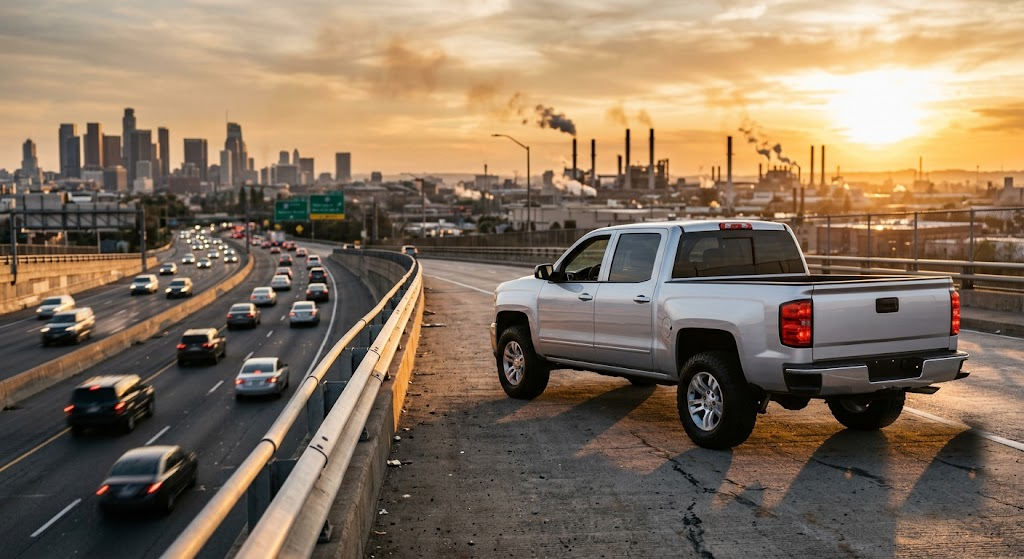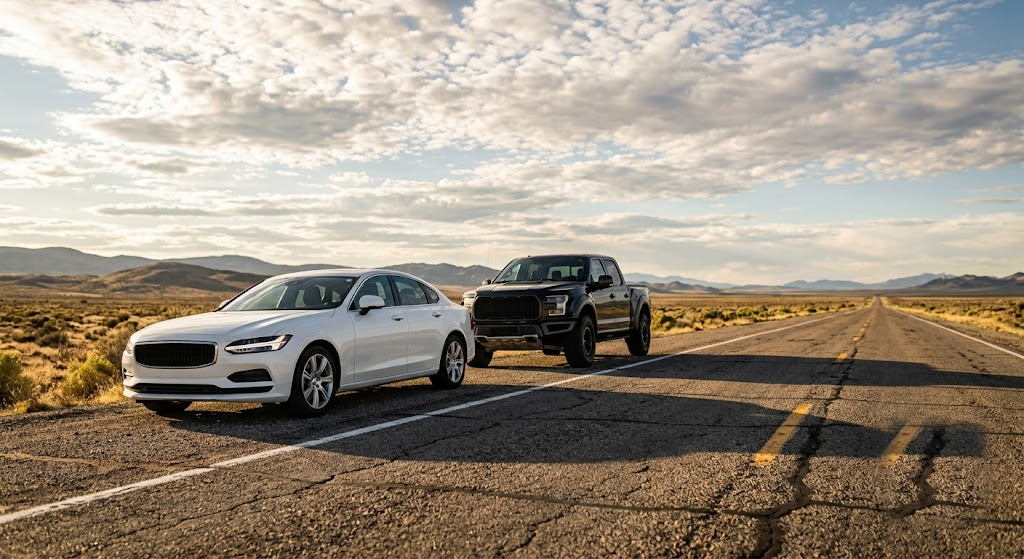
Markets Surge, Car Prices Hit 2026 Peak: 5 Smart Buys
The S&P 500 just logged a record close while new-vehicle prices hit their highest point of 2026, here is exactly what that paradox means for your next car purchase.

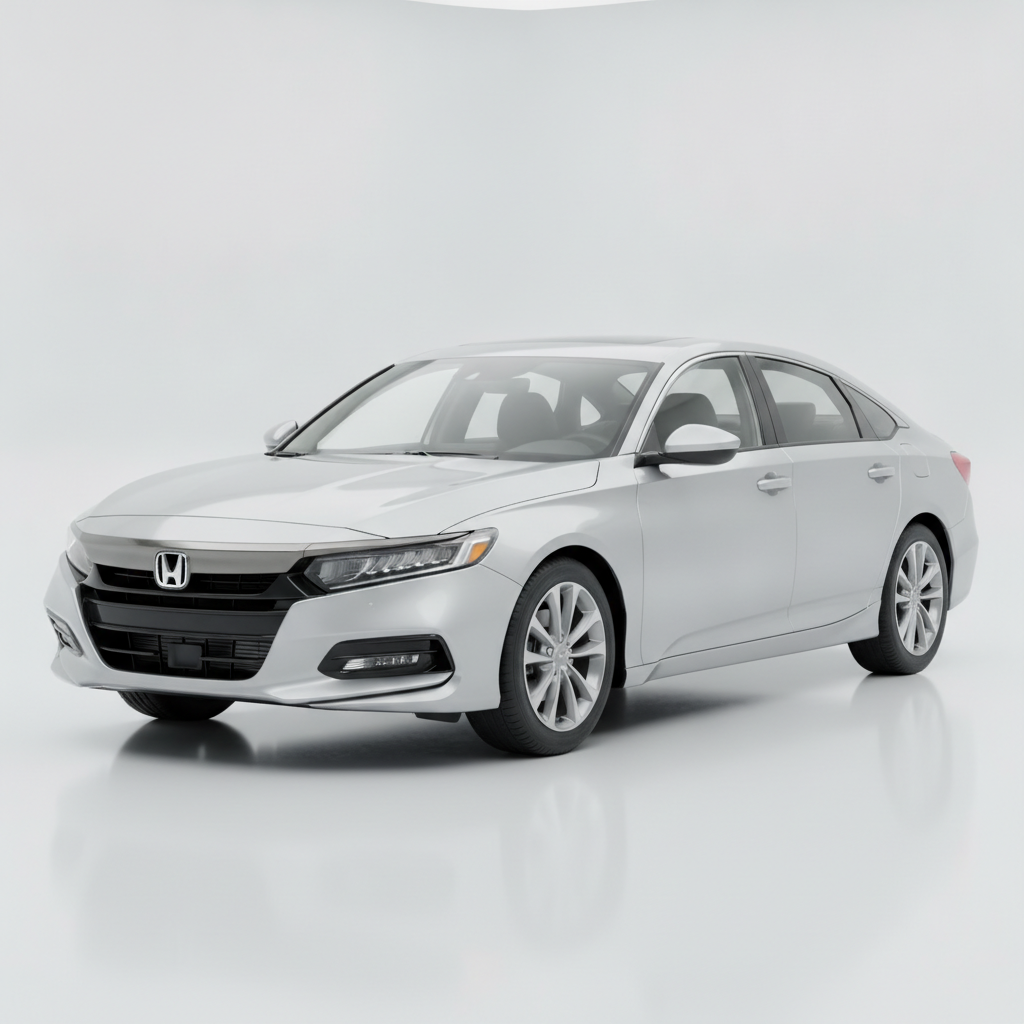
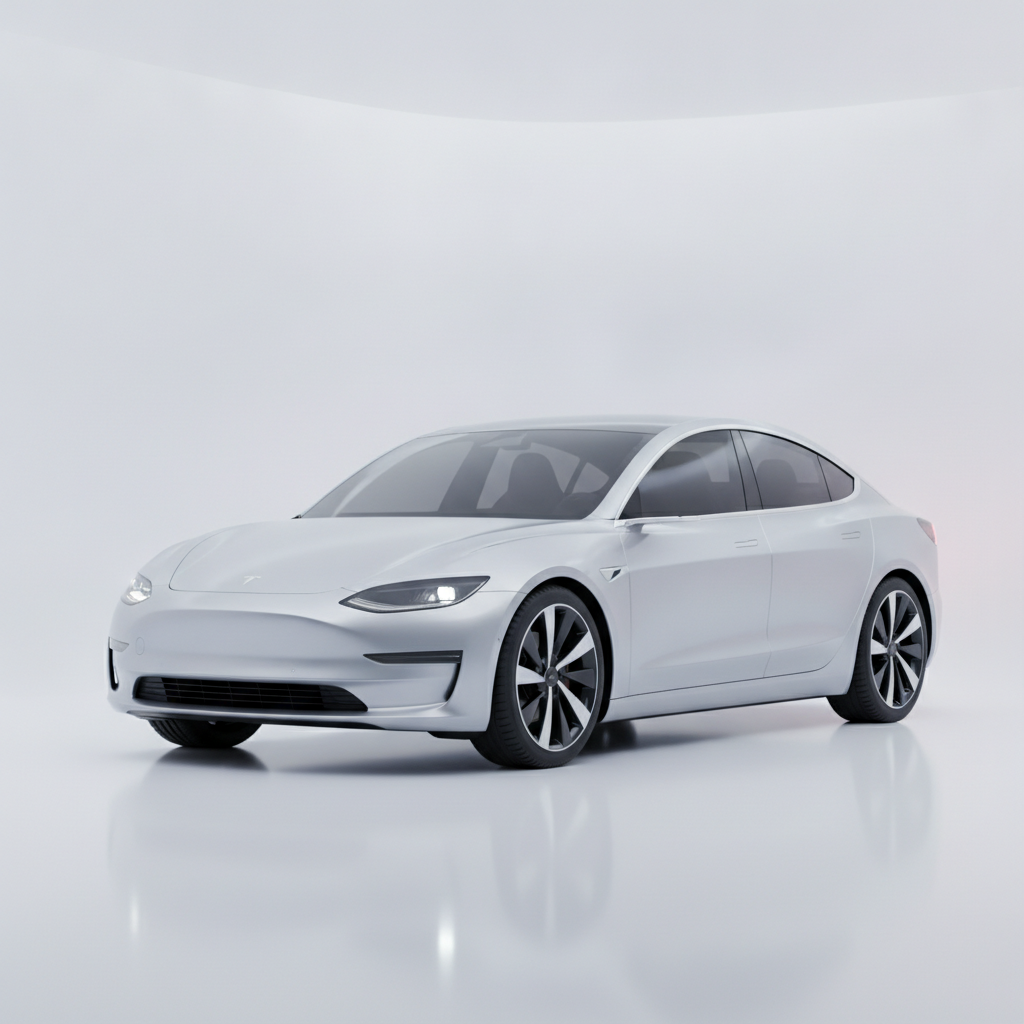
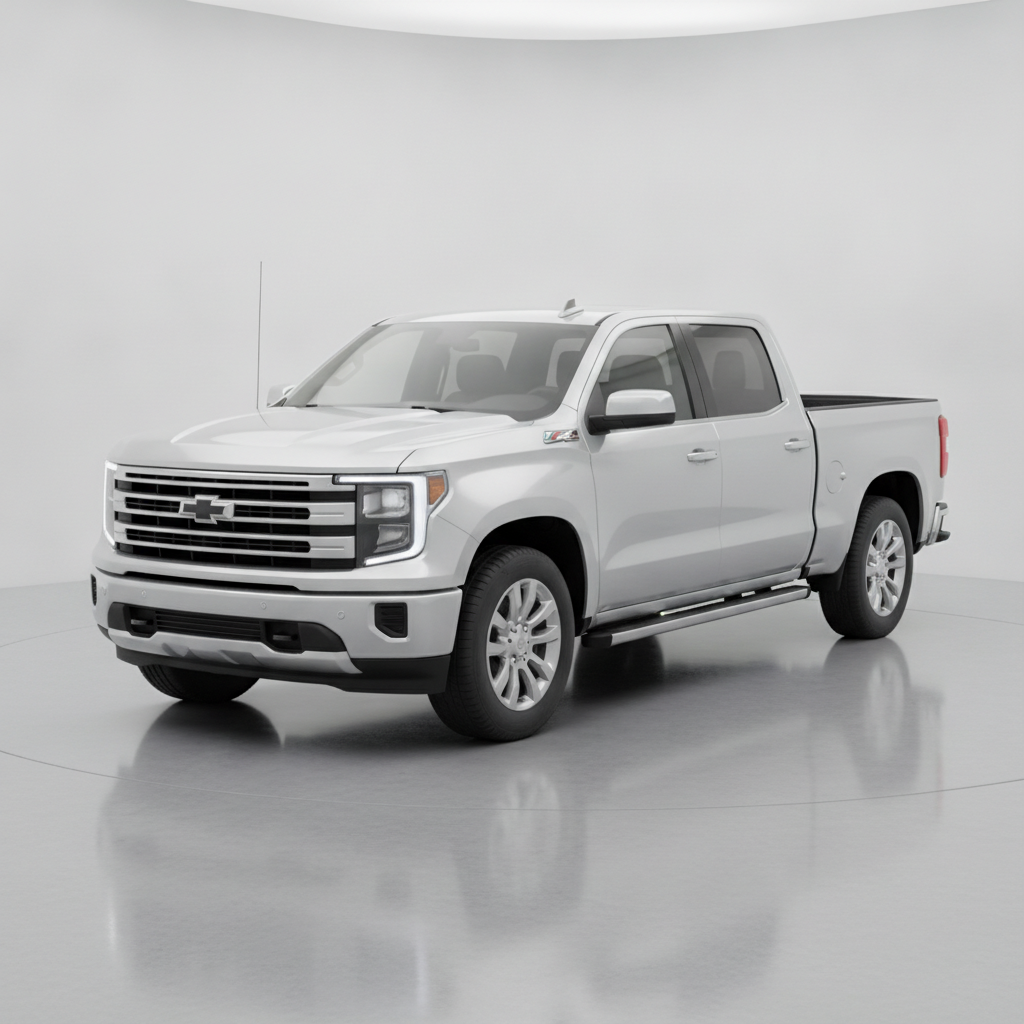
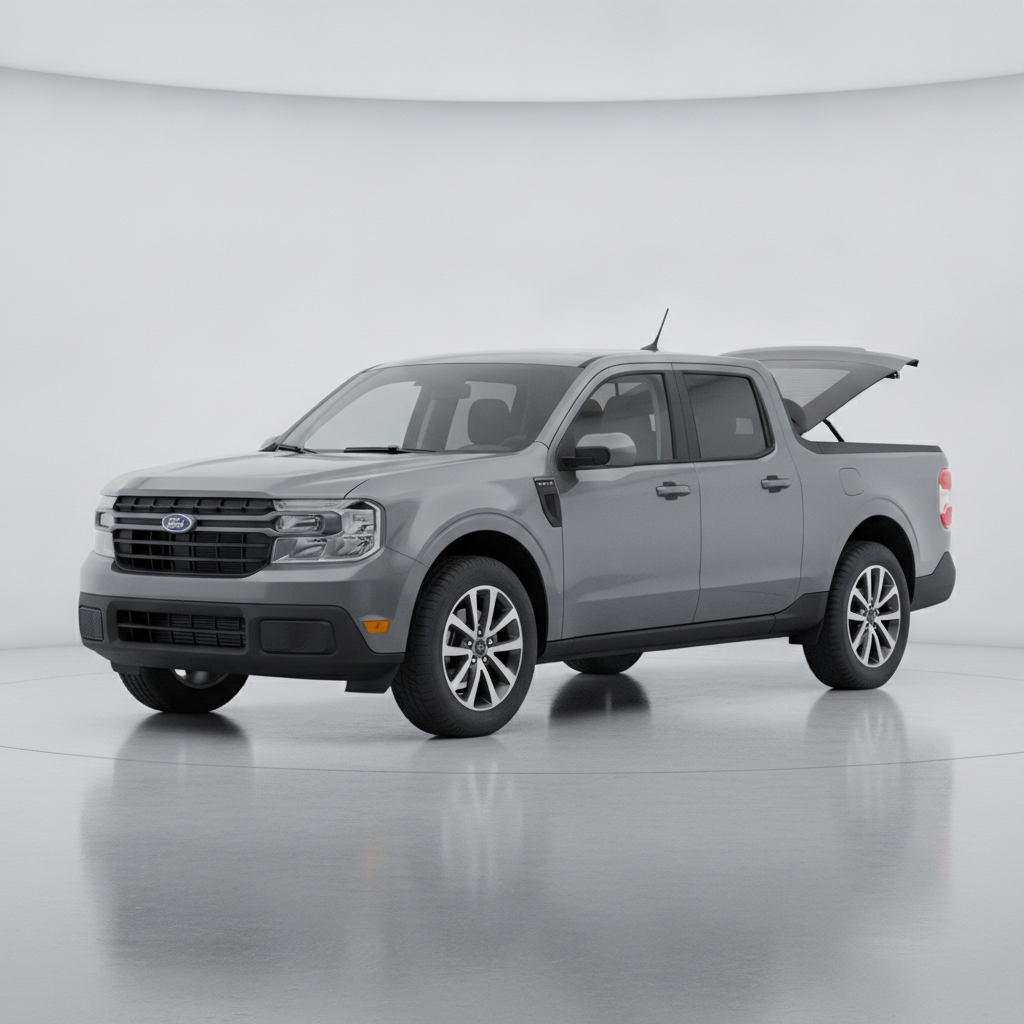
The week of August 13, 2026 handed car shoppers a sharp contradiction. U.S. equities climbed to all-time highs, the S&P 500 posting a record close on the back of cooling inflation data and a meaningful drop in oil prices, signaling that the broader economy is holding up better than many feared heading into fall. For car buyers, however, the timing was uncomfortable: new-vehicle prices simultaneously hit their highest point of 2026, a direct product of a supply chain reshaped by tariffs. U.S. car imports are running roughly 20% below year-ago levels under the current duty structure, and active friction between Washington and Ottawa over auto tariffs is adding fresh uncertainty to an already stretched supply picture. The macro environment is improving; the auto market is operating under its own rules entirely. The tariff math is doing real work on showroom stickers. Vehicles assembled primarily in Europe, the [BMW 3 Series](/cars/bmw-3-series) (from $45,950), the [Audi A4](/cars/audi-a4) (from $42,000), the [Mercedes-Benz C-Class](/cars/mercedes-benz-c-class) (from $47,900), and the [Audi Q7](/cars/audi-q7) (from $60,500), carry the most exposure, since import duties compound already-high base prices with limited room for dealers to absorb the difference. Mexico is actively lobbying Washington for lower auto tariffs, and while a deal could eventually ease pressure on North American supply chains, shoppers should budget assuming no meaningful relief arrives before year-end. A 20% drop in import volumes means inventory on foreign-assembled models is thinner than it looks, and thin inventory is not a negotiating environment that favors buyers. The sharpest values cluster around vehicles with strong domestic assembly footprints. The [Honda Accord](/cars/honda-accord), assembled in Marysville, Ohio, starting at $28,990 and returning up to 48 MPG combined in hybrid trim, is one of the most tariff-insulated midsize sedan buys on the market right now. The [Subaru Outback](/cars/subaru-outback), assembled in Lafayette, Indiana, starts at $29,010 and returns 29 MPG combined, delivering all-weather wagon versatility at a price point that is increasingly rare as import inventory thins. For buyers open to electric, the [Tesla Model 3](/cars/tesla-model-3), assembled in Fremont, California, from $42,490 and rated at 132 MPGe, sidesteps both import-tariff risk and fuel cost exposure entirely. Even as oil prices ease at the pump, the electricity-versus-gasoline ownership cost gap remains wide enough to keep the math clearly favorable over a five-year hold. Falling oil prices do shift the calculus modestly for gasoline buyers. When pump prices ease, the payback period on a hybrid or EV premium extends, which makes a well-priced gas-powered model more defensible on a monthly-cost basis. The [Ford F-150](/cars/ford-f-150), assembled in Dearborn, Michigan, from $38,810, returning around 20 MPG combined, is the market's defining domestic truck and carries no meaningful import-tariff exposure. Ford and GM are both actively reinforcing their U.S. manufacturing footprint; GM's recently announced $4.5 billion domestic parts facility is the clearest signal yet that the industry's long-term production bet is onshore. For buyers who need truck capability without a luxury price tag, the F-150 offers supply stability that most foreign-assembled alternatives simply cannot match at this point in the tariff cycle. Financing remains a persistent headwind regardless of which model you choose. The Federal Reserve has not cut rates despite improving inflation prints, so auto loan rates remain elevated relative to recent historical norms. At a representative 7% rate over 60 months, a $45,000 vehicle runs roughly $890 per month before taxes and fees; the same terms on a $30,000 vehicle come to approximately $595. That monthly payment gap is a strong practical argument for staying under $35,000 where the catalogue still has genuine depth. The [Ford Maverick](/cars/ford-maverick) hybrid, from $28,500 and rated at 38 MPG combined, is the standout in this tier: affordable to buy, cheap to run, and built domestically. The [Chevrolet Equinox](/cars/chevrolet-equinox) (from $29,995; 28 MPG combined) rounds out the practical options for buyers who need compact SUV space without stretching into tariff-exposed import territory. The bottom line for late August 2026: act with confidence on domestic-assembly vehicles and negotiate carefully on anything built overseas. Record equity markets may have improved your trade-in position if your current vehicle is relatively new, use that leverage. Falling fuel costs reduce your forward running-cost risk on gasoline models, and easing inflation means the broader financial pressure on household budgets is marginally lighter than it was six months ago. What has not eased is the supply crunch on imported vehicles, and that is not likely to resolve quickly. If you are set on a European luxury model, plan for MSRP or close to it. If you can work with a domestic Honda, Subaru, Tesla, or Ford, the combination of stable supply and an improving macro backdrop makes this a workable, if not perfect, moment to sign.