Jackson Hole + Canada Tariff Shock: 5 Car Buys for September 2026
A Jackson Hole rate hike signal and doubled Canada tariffs are converging into a perfect storm for new car prices, here's exactly which models to buy before both hit your wallet.

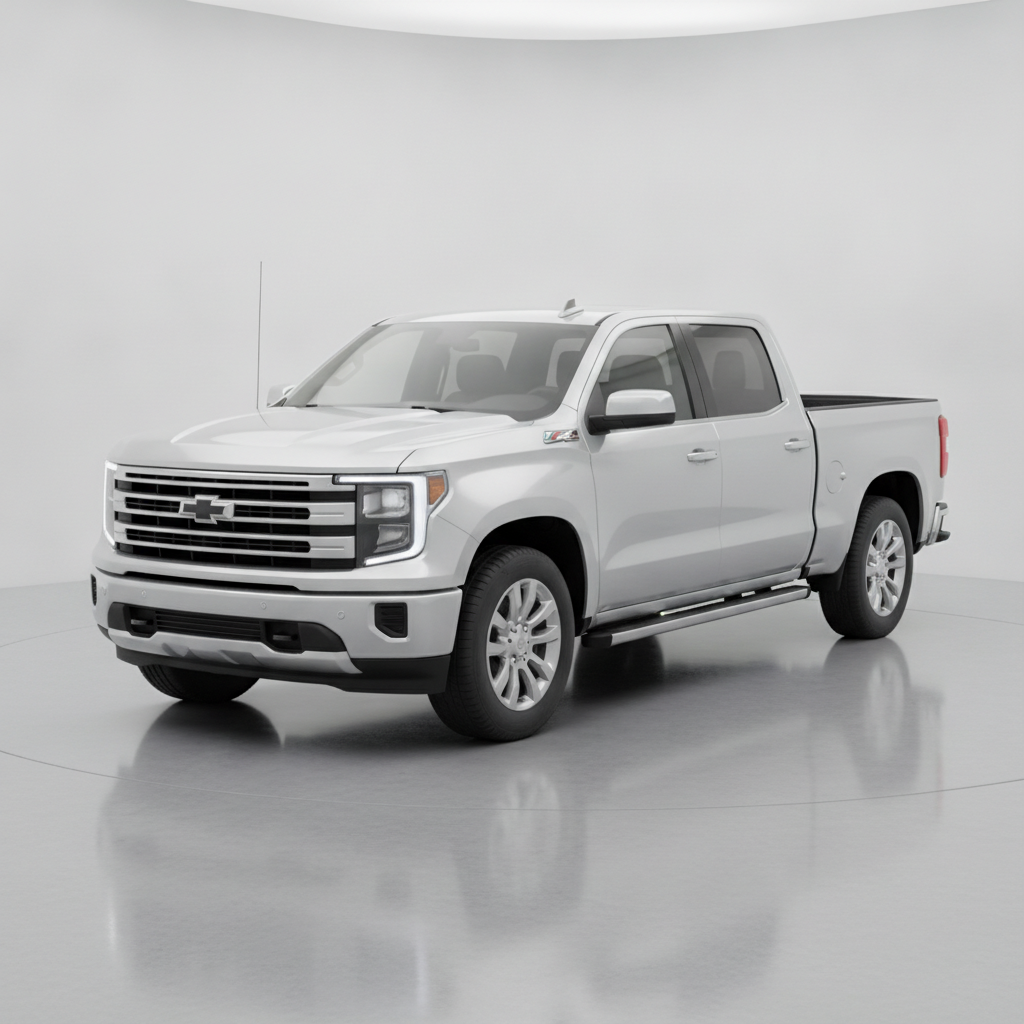
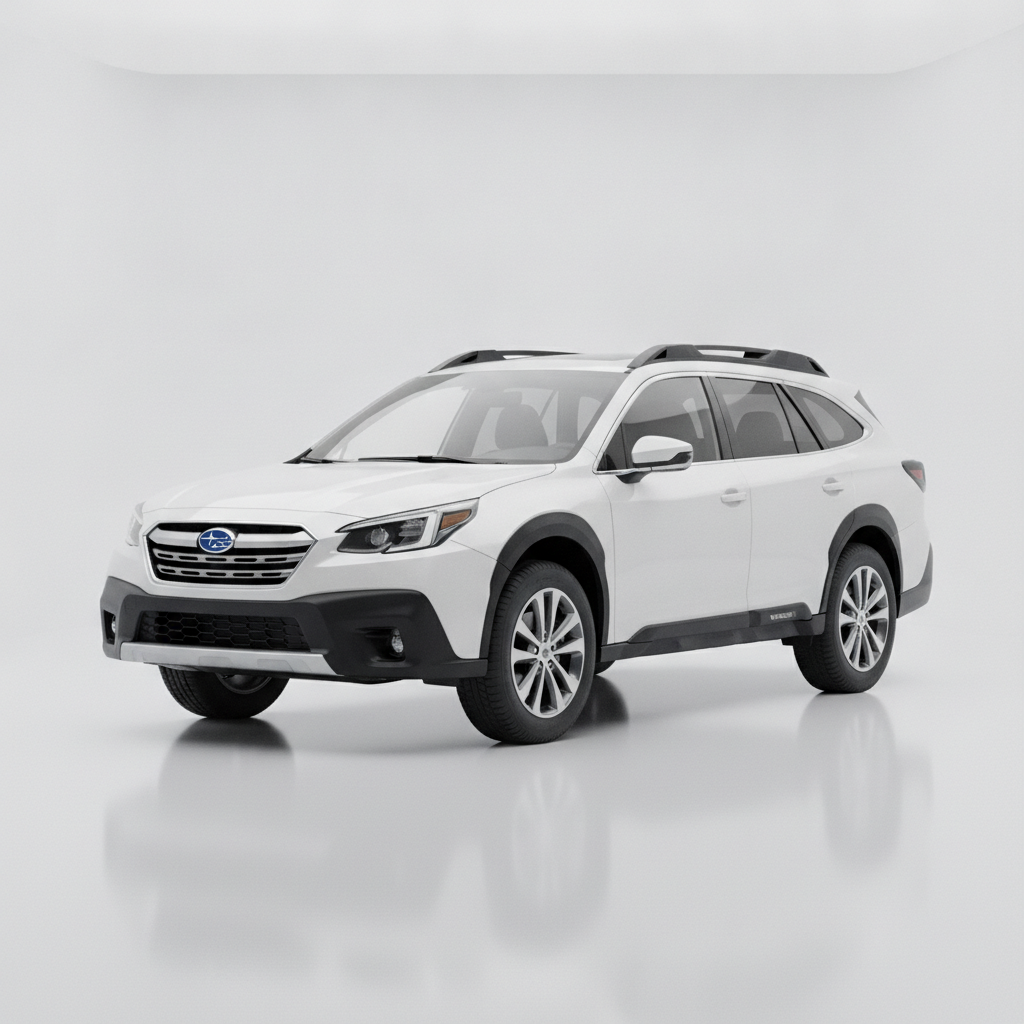
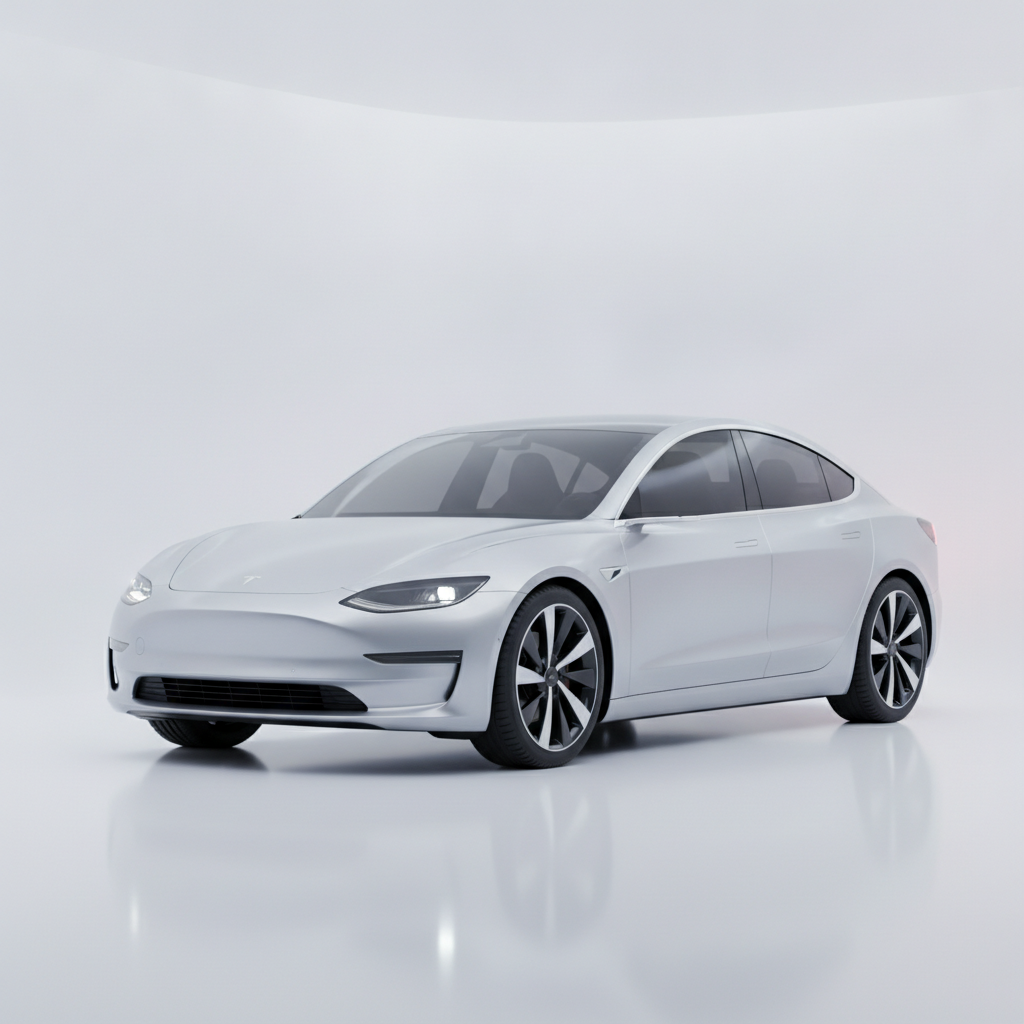
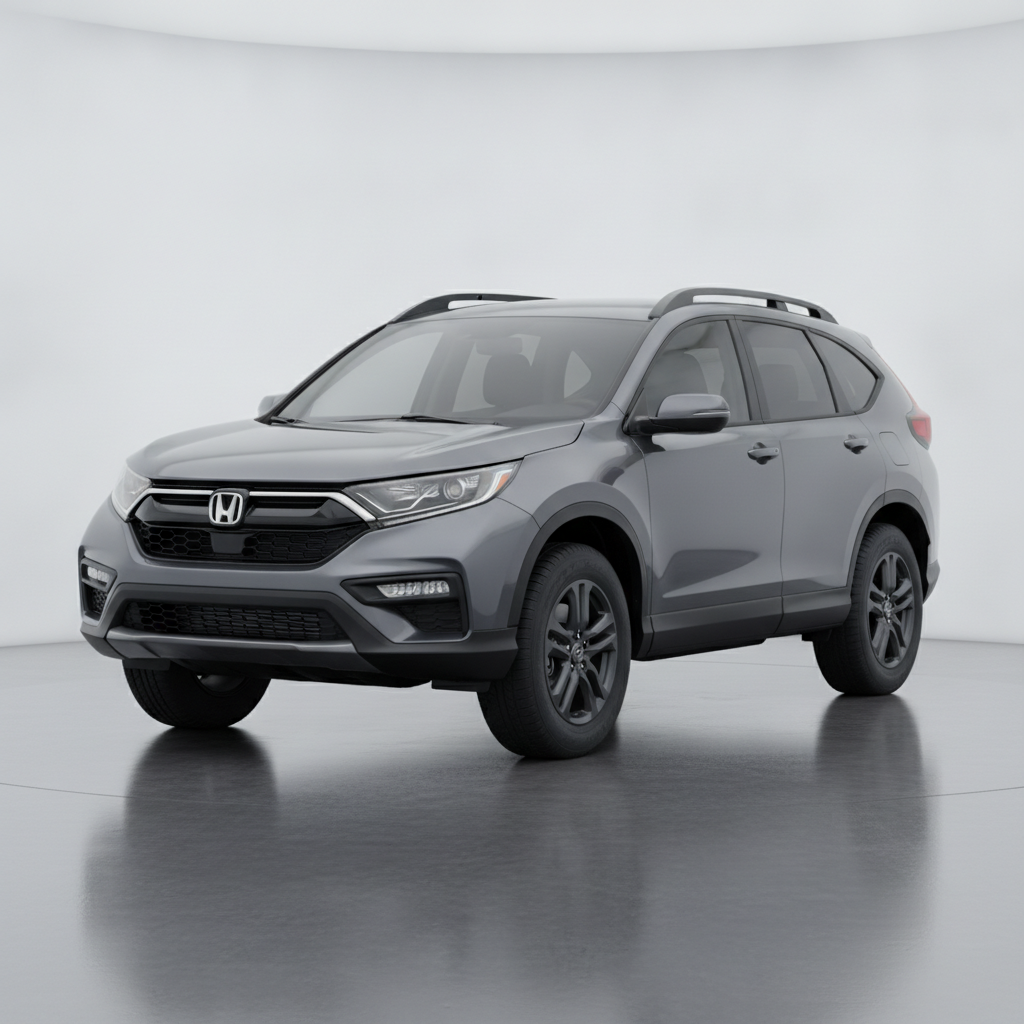
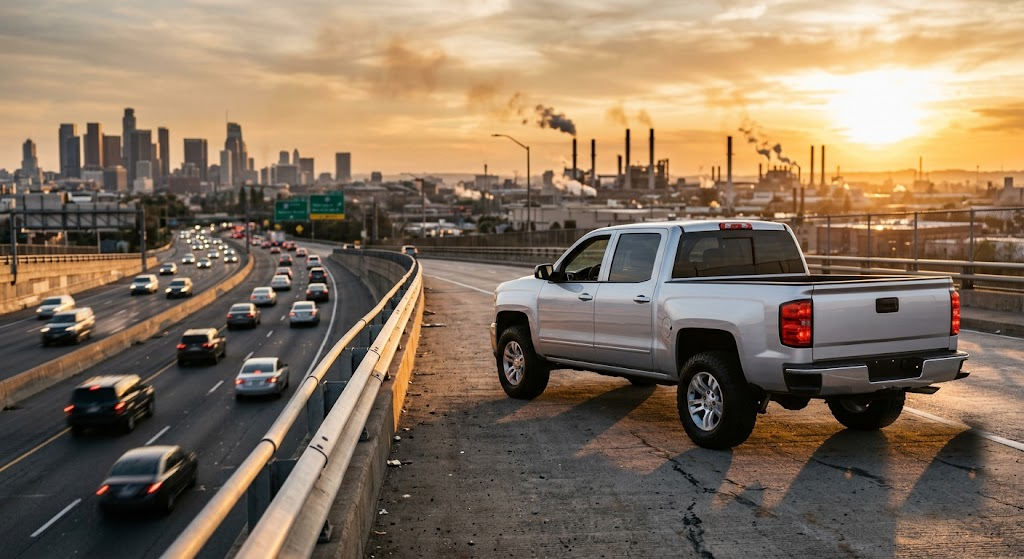
Fed Chair Kevin Warsh stepped to the Jackson Hole podium on Friday, August 28, and delivered the message bond markets were already bracing for: stubborn inflation may force the Federal Reserve to raise interest rates again. By Saturday morning, Treasury yields had climbed and US stocks were drifting lower as investors repriced the odds of a hike. That same week, a separate shock hit the auto industry, manufacturers who had spent months expecting a revised trade framework with Canada were blindsided when tariffs effectively doubled, with automakers going conspicuously silent about the fallout, reportedly to avoid rattling dealer networks and ongoing negotiations. For US car buyers, these are not two separate news stories. They are converging pressures that will push both the sticker price of new vehicles and the monthly cost of financing them higher in the months directly ahead. The Canada tariff escalation hits harder than most buyers appreciate. A number of high-volume vehicles sold in the US are assembled north of the border, meaning importers face a direct cost increase that history shows eventually flows to dealership prices. The Chevrolet Equinox (from $29,995), one of America's most popular compact SUVs, carries exactly that kind of exposure, which may partly explain why General Motors and other affected automakers have been unusually tight-lipped in public. European nameplates face a compounding problem: the Audi Q5 (from $45,000, 25 MPG combined), the BMW X3 (from $50,000, 27 MPG), and the Mercedes-Benz GLC (from $48,050, 25 MPG) all contend with existing import duties on top of an inflation environment driven, according to recent analysis, by high asset prices rather than excess consumer demand, making it politically and economically harder for the Fed to cut rates as a relief valve anytime soon. The Jackson Hole signal has concrete math behind it. Auto loan rates have already risen sharply from their pandemic-era lows, and a further Fed hike would push monthly payments higher across every segment. On a $45,000 vehicle financed over 60 months, a one-percentage-point rate increase adds roughly $25, $30 per month. On a $70,000 truck or luxury SUV, that same move costs closer to $40, $50 per month, and over the life of the loan, the total difference runs into the low thousands of dollars. Bond market reaction to Warsh's speech was swift: yields moved and equities retreated, a pattern that typically signals investors believe a hike is coming within one to two Fed meetings. Waiting for "more clarity" is, in practical terms, a bet that the Fed holds, a bet that looks increasingly long-odds right now. Against this backdrop, the strongest near-term buys are US-assembled vehicles with solid fuel economy and minimal tariff exposure. The [Ford F-150](/cars/ford-f-150) (from $38,810, 20 MPG combined) remains the benchmark: assembled in Michigan and Kansas City, it carries no Canada tariff risk and holds resale value better than almost any vehicle in its class. The [Subaru Outback](/cars/subaru-outback) (from $29,010, 29 MPG combined), built in Lafayette, Indiana, is the standout value play, one of the last sub-$30,000 vehicles combining all-weather AWD, a roomy interior, and a strong long-term reliability record. For buyers leaning electric and effectively opting out of fuel cost exposure, the [Tesla Model 3](/cars/tesla-model-3) (from $42,490, 132 MPGe) and [Tesla Model Y](/cars/tesla-model-y) (from $44,990, 123 MPGe) are both produced in Fremont, California, clean of Canadian tariff exposure and insulated from the import duty dynamic squeezing European brands. A few additional models deserve attention before the picture fully settles. The [Honda CR-V](/cars/honda-cr-v) (from $30,100, assembled in East Liberty, Ohio) is shielded from Canada tariff risk, and its hybrid trim, rated at 30 MPG combined on the gas cycle, with real-world figures often higher, is a practical hedge if fuel costs tick up alongside broader inflation. The Chevrolet Colorado (from $31,000, 20 MPG), assembled in Wentzville, Missouri, is a competitive mid-size truck under $35,000, a price tier that is visibly shrinking as manufacturers quietly trim base configurations and push buyers toward pricier option packages. At the top of the range, the BMW X5 (from $66,200) benefits from partial Spartanburg, South Carolina assembly, which provides some tariff insulation, but at that price point the financing rate sensitivity is significant, every quarter-point in loan rate matters considerably more on a $70,000-plus balance. The practical takeaway heading into September 2026 is clear: this is a better moment to buy than to wait. The Fed's Jackson Hole signal, reinforced by immediate bond market moves, points to higher financing costs within the next two to three months. The Canada tariff situation is unresolved, has already moved against buyers, and manufacturers cannot absorb doubled import costs indefinitely before passing them through. Prioritize US-assembled models to minimize tariff pass-through risk, consider hybrid or electric powertrains to hedge fuel and running costs, and if you are financing, get rate quotes now rather than after the next Fed decision. The convergence of trade uncertainty and rate hike risk is not cause for panic, but it is a clear, specific reason not to put off a purchase you are already planning.