Car Imports Crash 20%: 5 Smart Buys Before Inventory Thins
With US car imports down roughly 20% and a fresh tariff standoff with Canada rattling supply chains, showroom inventory is thinning fast — here is how to navigate the August 2026 market before your options narrow further.
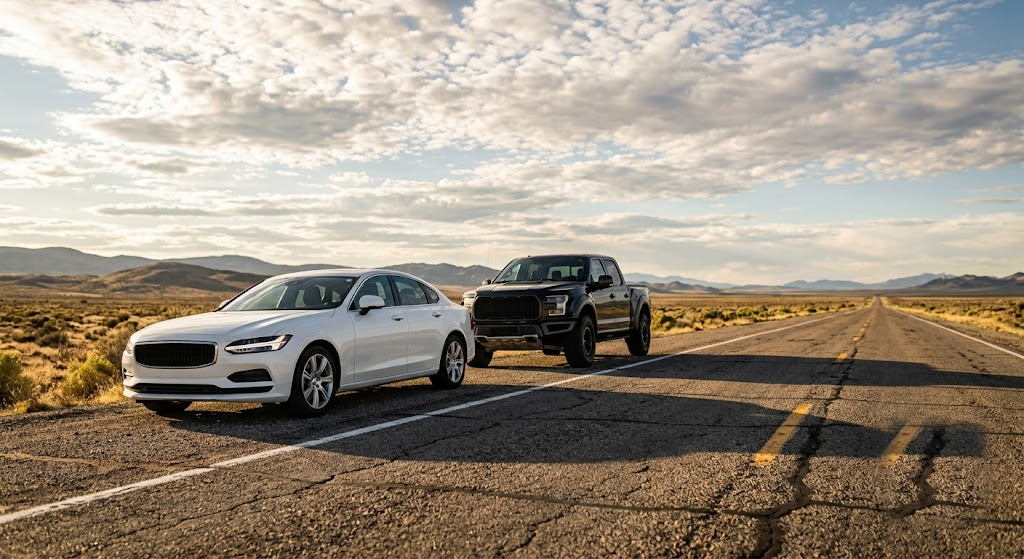
A convergence of trade pressures is reshaping the US new-car market in ways buyers cannot afford to ignore. Data through mid-August 2026 shows that car imports into the United States have fallen roughly 20% year-over-year under current tariff policy — a contraction already trimming showroom selection for vehicles manufactured overseas. Compounding that, a fresh tariff dispute between Washington and Ottawa is raising new alarms for drivers already absorbing higher ownership costs on both sides of the border. The news is not uniformly dark: US stocks climbed to a fresh record in mid-August as oil prices eased and inflation data came in more favorably than expected, suggesting broader financial conditions are stabilizing. But that split-screen economy — calmer markets, stressed auto supply chains — creates specific risks and opportunities for buyers who know where to look.
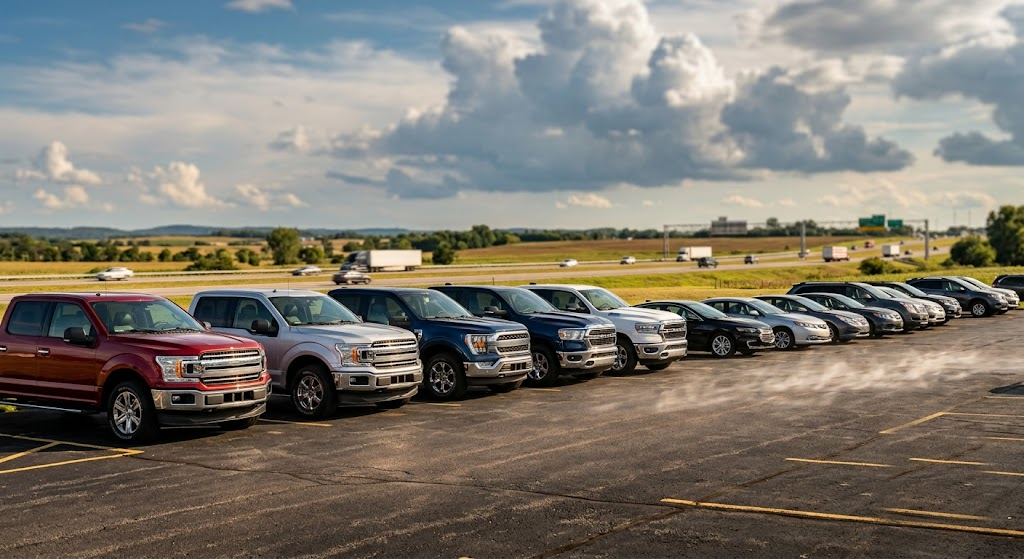
The 20% import contraction hits hardest in the European luxury segment, where fewer units are arriving at US ports and dealer inventory buffers are thinning noticeably. Models like the [Audi A4](/cars/audi-a4) (from $42,000, 27 MPG combined) and the [BMW 3 Series](/cars/bmw-3-series) (from $45,950, 30 MPG combined) are assembled in Germany and shipped transatlantic, meaning each tariff escalation adds directly to their landed cost. The [Mercedes-Benz GLC](/cars/mercedes-benz-glc) (from $48,050) and the [Audi Q5](/cars/audi-q5) (from $45,000) face identical exposure. Historically, lower stock tips negotiating power firmly toward sellers — so buyers waiting on an imported luxury sedan or SUV and hoping for a year-end discount are taking on more risk than that same bet would have carried a year ago.
The macro backdrop does offer relief on the financing side. With inflation trending more favorably and the Federal Reserve maintaining a watchful-but-steady posture, auto loan rates appear unlikely to climb from their current range — broadly 6–8% for well-qualified buyers depending on lender and term. The mid-August oil price dip also trims near-term running costs, softening one of the most visible expenses beyond the car payment itself. That said, ownership costs for anyone near the US-Canada border remain a live concern: the tariff standoff between Washington and Ottawa has the potential to affect vehicles and components that cross that border during manufacturing, adding an unpredictable cost layer that does not appear on any sticker price.
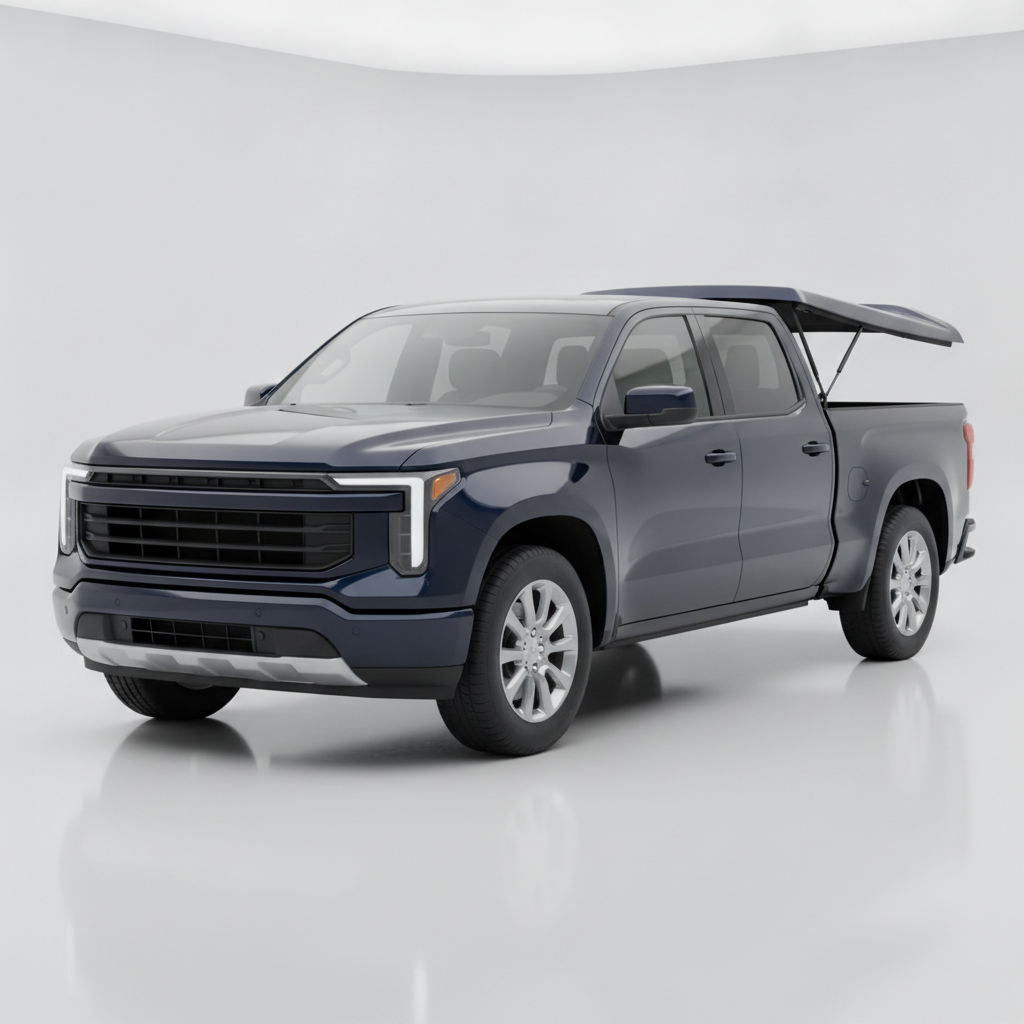
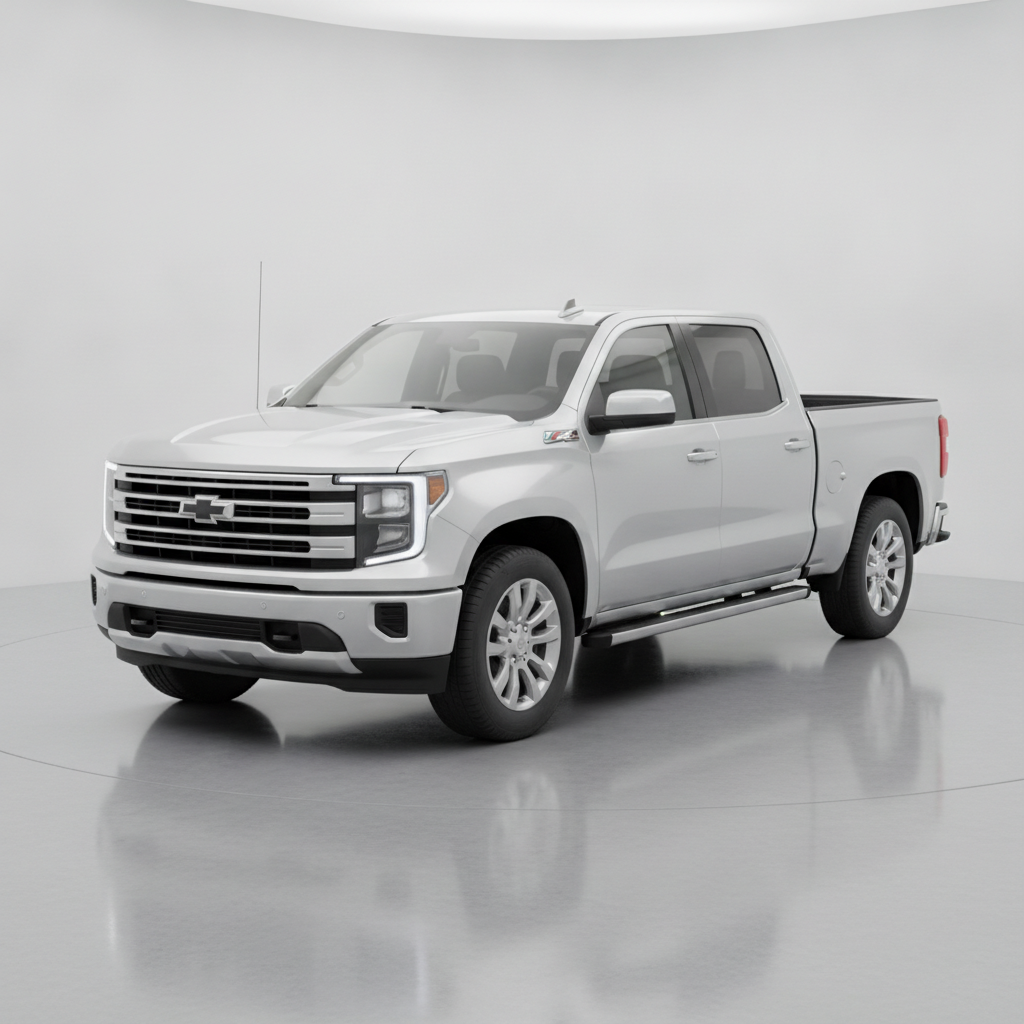
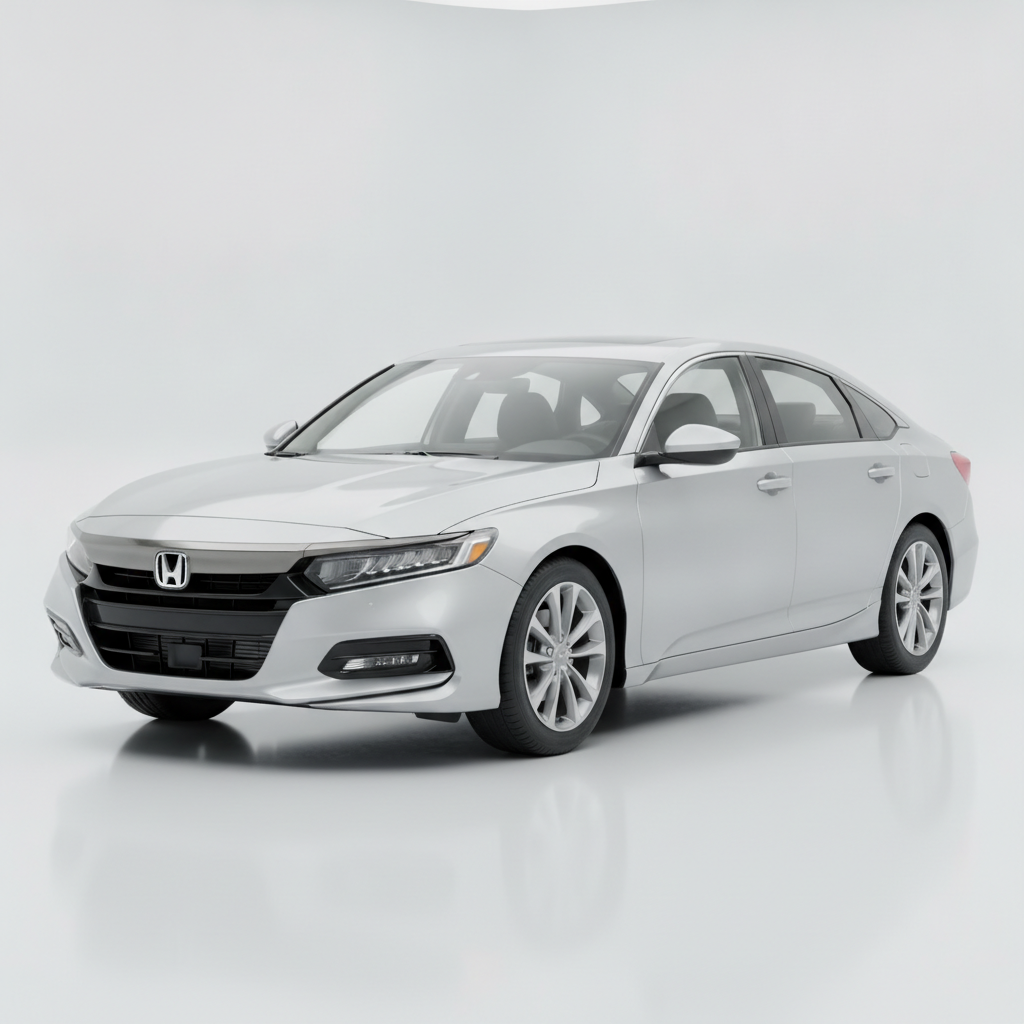
The cleanest path through this uncertainty runs through domestically assembled vehicles, where tariff exposure is minimal and supply chains are far less likely to face disruption. The [Chevrolet Colorado](/cars/chevrolet-colorado) (from $31,000, ~20 MPG) is a standout in the mid-size truck segment — priced accessibly enough that even current rates keep monthly payments manageable, and built domestically with no meaningful import-duty exposure. The [Ford F-150](/cars/ford-f-150) (from $38,810, ~20 MPG combined), assembled at US plants and the country's perennial best-seller, offers broad configuration options and strong resale without touching the tariff crossfire. For sedan buyers, the [Honda Accord](/cars/honda-accord) — assembled in Marysville, Ohio — starts at $28,990 and delivers up to 48 MPG in hybrid trim, pairing domestic supply-chain security with genuine fuel economy. The [Subaru Outback](/cars/subaru-outback) (from $29,010, 29 MPG combined), built in Indiana, is another domestic-assembly gem in the wagon-SUV crossover space and one of the most underrated value propositions under $30,000.
Lower oil prices also make this a compelling moment to take electric vehicles seriously. The [Tesla Model 3](/cars/tesla-model-3) (from $42,490, 132 MPGe) is assembled in Fremont, California — zero import tariff risk, and fuel savings that are substantial for high-mileage drivers even with gasoline prices easing slightly. The [Tesla Model Y](/cars/tesla-model-y) (from $44,990, 123 MPGe) operates from the same domestic supply chain and remains the top-selling EV in the country, supported by consistent demand that tends to hold resale values. For buyers who want flexibility, the [Ford Mustang Mach-E](/cars/ford-mustang-mach-e) (from $37,000, 98 MPGe) provides a capable electric option backed by Ford's nationwide dealer network — though prospective buyers should confirm local stock, as EV inventory levels vary meaningfully by region.
The practical guidance for August 2026 is specific: favor domestically assembled vehicles to insulate yourself from tariff-driven price moves, and act sooner rather than later on any imported model already on your shortlist — the 20% import decline is not reversing quickly, and any escalation in the US-Canada standoff could add another wave of pressure. Get pre-approved financing now to lock in current rate assumptions before any policy pivot changes the calculus. And with oil prices easing, do not dismiss hybrids or EVs purely on upfront cost — at current fuel price trajectories, a choice like the Accord hybrid or Model 3 can realistically recover its premium over a comparable gasoline model well within a typical ownership window. The macro signals are genuinely mixed right now, but a buyer who understands exactly which levers to pull is in a stronger position than the headlines suggest.