Fed Frozen, China Looming: 5 Cars Worth Buying in August 2026
A Fed rate freeze, escalating U.S.-Canada tariffs, and Ford's CEO openly warning about Chinese competition are reshaping the car market — here's what smart buyers need to know right now.

In late July 2026, a divided Federal Reserve held interest rates steady for another meeting cycle, acknowledging that inflation remains stubbornly above target while expressing concern about the economic drag from ongoing trade policy shifts. Markets swung sharply in response, rattled by uncertainty over new tariff escalations and mixed signals on the U.S.-Canada trade front, where a fresh round of duties kept cross-border auto supply chains on edge. Then came a candid acknowledgment from one of the industry's most prominent voices: Ford CEO Jim Farley warned his own employees that Chinese automakers could realistically enter the U.S. market within the next decade, casting a long competitive shadow over an already complicated picture. Against this backdrop, the question buyers are asking is blunt: are car prices finally coming down — and if so, is August 2026 the moment to act?
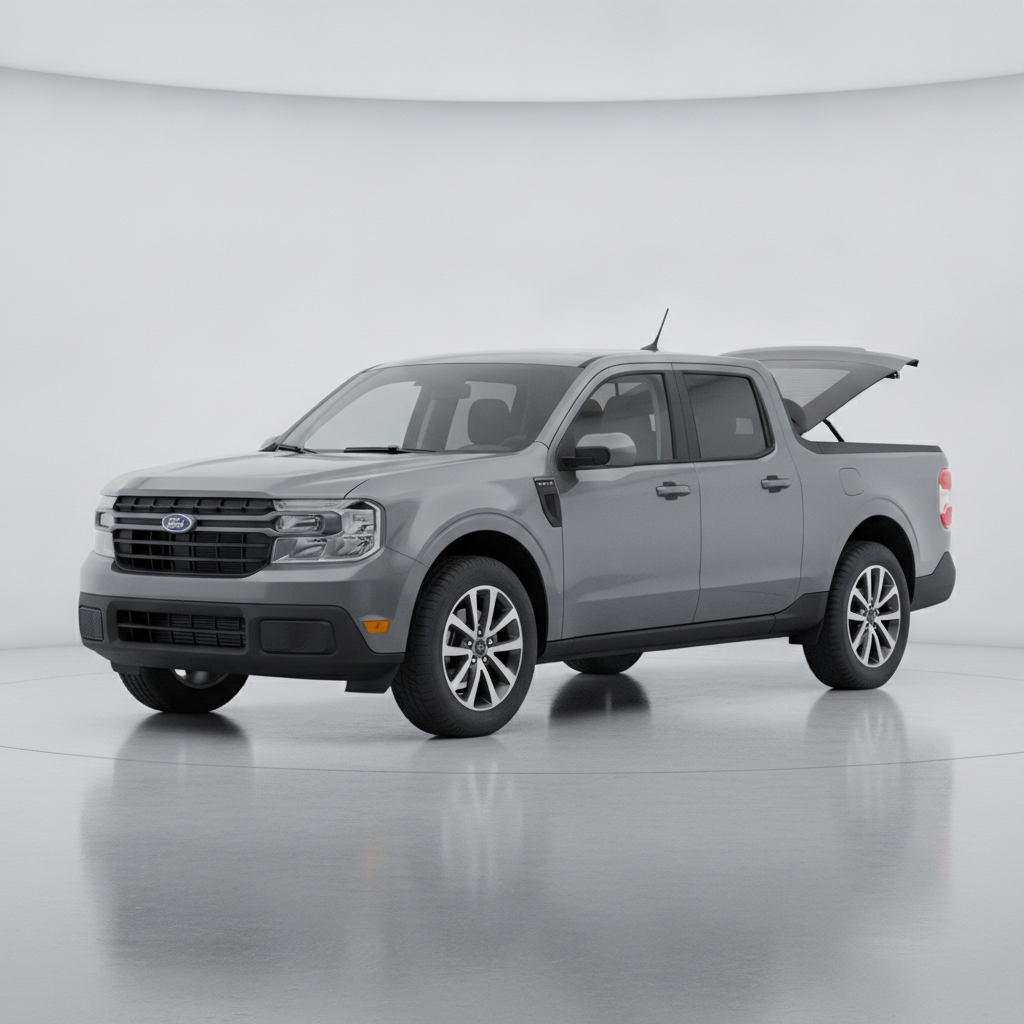
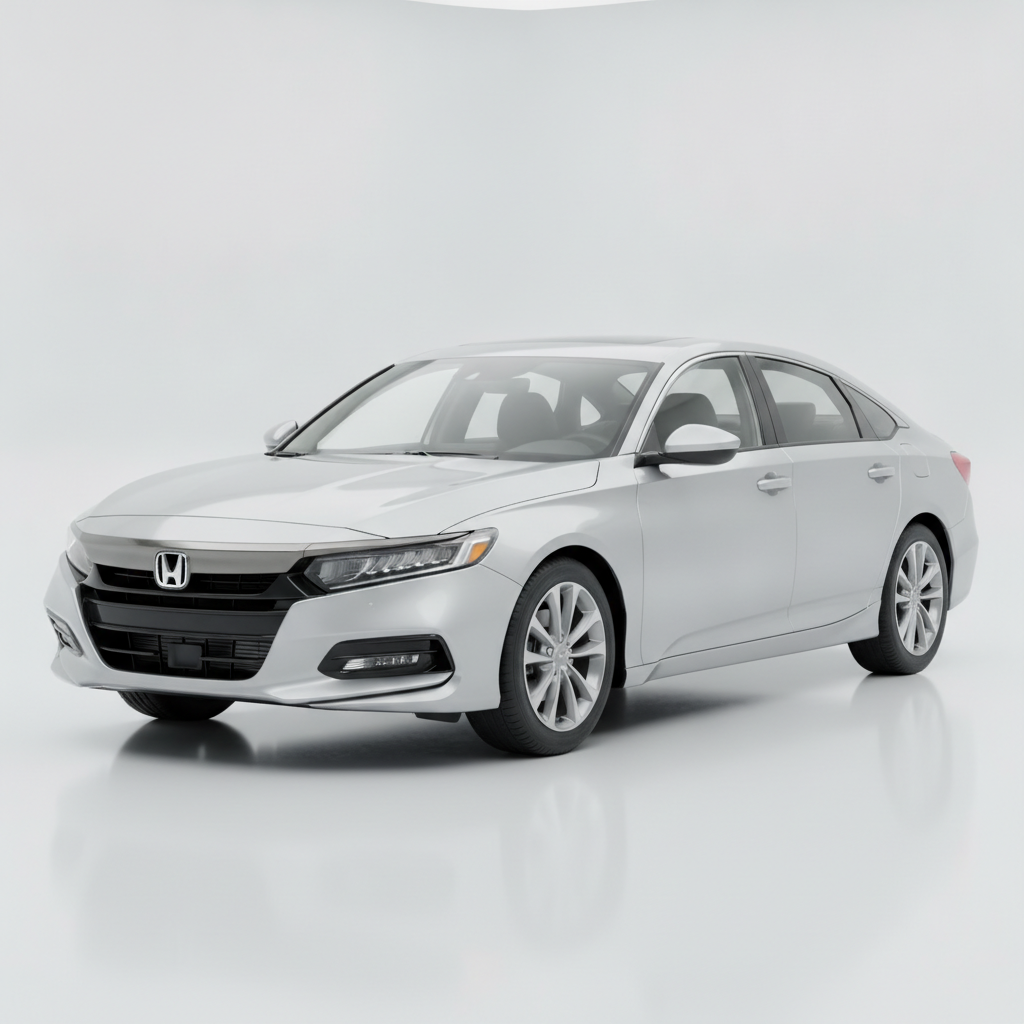
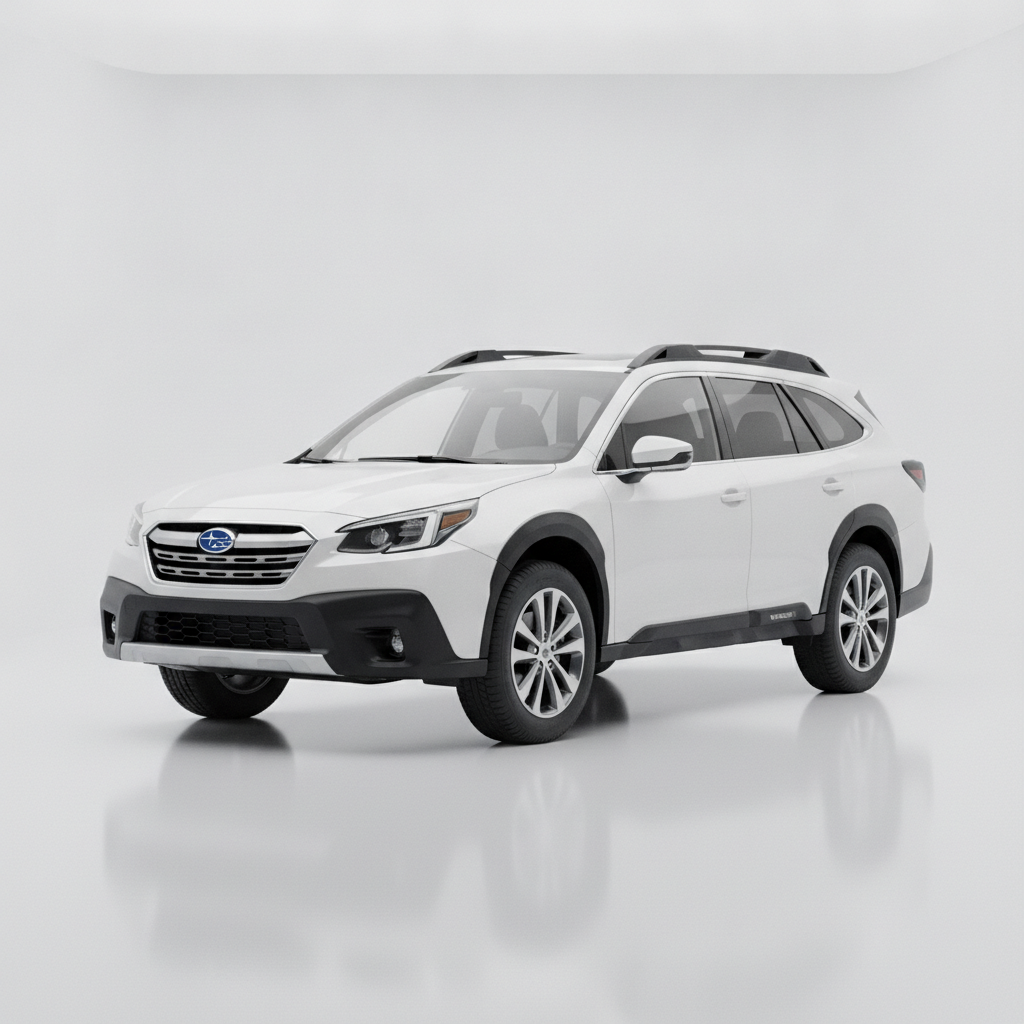
The short answer on prices: not dramatically, not yet. While some dealers are extending incentives to move aging inventory, the elevated base prices that built up over the past few years have proven sticky. The more actionable reality for buyers today is the financing picture. With the Fed on hold, auto loan rates in the 7–9% range for new vehicles remain the norm at most lenders — high by historical standards, but at least predictable for the near term. That stability creates a practical window: buyers who lock in a rate now won't be blindsided by a sudden upward move. For those managing tight budgets, this makes a compelling case for lower-priced models. The [Honda Accord](/cars/honda-accord), starting around $28,990, remains one of the strongest value plays in the sedan segment — its hybrid variant delivers approximately 48 MPG combined, which means fuel costs won't compound the financing burden. The [Ford Maverick](/cars/ford-maverick), from $28,500 with the standard hybrid powertrain, hits 38 MPG combined and pairs a low sticker price with genuinely low running costs. The [Subaru Outback](/cars/subaru-outback) rounds out this group at $29,010, offering all-weather capability and 29 MPG combined at a price point that keeps monthly payments manageable even at today's loan rates.
The tariff environment is uneven, and understanding which vehicles carry extra duty exposure helps buyers make sharper decisions. U.S.-Canada trade tensions have put direct pressure on vehicles assembled north of the border or relying heavily on Canadian components — a category that touches several popular crossover and SUV lines. European luxury imports carry their own duty overhead, which is part of why the [Audi A4](/cars/audi-a4) starts at $42,000 and the [BMW 3 Series](/cars/bmw-3-series) at $45,950 despite competing against domestically assembled mid-size alternatives. Both are genuinely strong vehicles with solid owner ratings, but buyers should understand that their stickers reflect import duty as well as content — and that exposure could increase if trade policy tightens further. By contrast, the [Chevrolet Silverado](/cars/chevrolet-silverado), starting at $37,000 with domestic full-size-truck assembly, and the Outback, built at Subaru's Indiana facility, sit in a category where tariff risk is materially lower and pricing is less likely to lurch if cross-border tensions escalate.
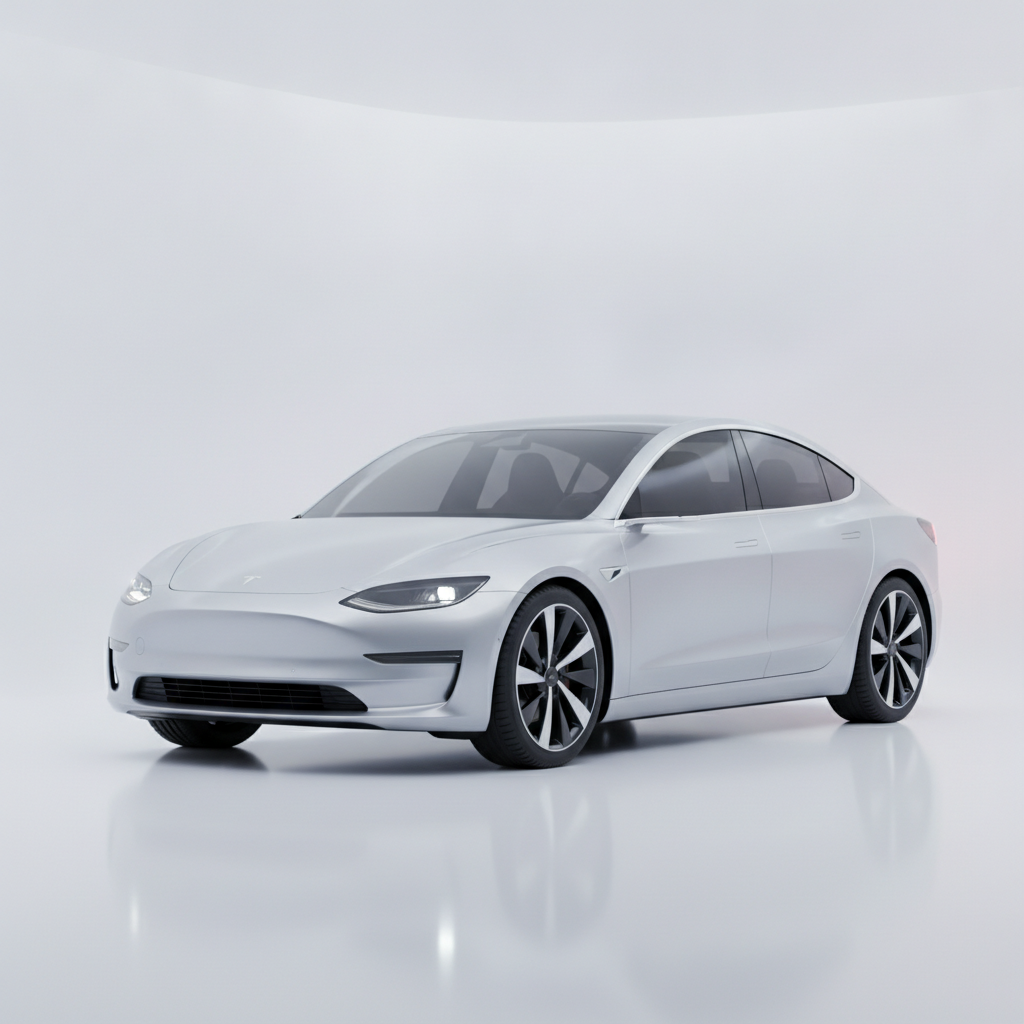
For buyers who can absorb a higher upfront cost, electrics and plug-in hybrids offer a meaningful hedge against fuel price volatility — a hedge that carries extra value in a trade-uncertain environment where energy costs can shift quickly. The [Tesla Model 3](/cars/tesla-model-3), at $42,490 and rated at 132 MPGe, continues to set the benchmark for total-cost-of-ownership math in the EV segment. Its per-mile energy cost runs roughly a third of a comparable gasoline sedan at current average electricity prices, gradually offsetting the higher purchase price over a typical five-year hold — and available federal and state incentives can close the sticker gap further depending on buyer eligibility. For buyers who want efficiency without committing fully to electric, the [Lexus ES](/cars/lexus-es) hybrid, from $43,000 and delivering approximately 44 MPG combined, is a standout package: reliability-focused ownership, low fuel bills, and pricing that sits below the most tariff-exposed tiers of the European import segment. The [Honda CR-V](/cars/honda-cr-v), from $30,100, makes the same value-efficiency argument at an even more accessible entry point, with the hybrid variant pushing efficiency well above the base engine's 30 MPG combined rating.
Ford CEO Farley's warning about Chinese automakers isn't cause for alarm — it's a strategic signal worth folding into a longer buying horizon. If Chinese brands do enter the U.S. market over the next decade, the most likely competitive pressure will fall first on value-segment EVs and compact crossovers, the exact categories currently holding the most accessible sticker prices. That doesn't mean avoiding those segments now; it means being realistic about resale assumptions over a seven-to-ten-year hold. For buyers planning to trade in within five years, established brands' competitive moats remain firmly intact. The Accord, the Maverick, and the Outback all carry strong resale track records and dense service networks that any new market entrant would need years to replicate. Premium-segment buyers eyeing the [BMW X3](/cars/bmw-x3) (from $50,000) or [Lexus RX](/cars/lexus-rx) (from $50,000, up to 36 MPG combined on the hybrid) are largely insulated from that near-term disruption risk, and both continue to earn top-tier owner satisfaction scores.
August 2026 rewards preparation over impulse. The Fed's rate hold has created a stable — if expensive — financing environment, and that stability won't last indefinitely; when cuts do come, used-car values could shift and current-model-year deals may thin out. Buyers with pre-approved financing already in hand have a real window to negotiate meaningfully on inventory that has been sitting. The macro case for acting now is clearest for buyers targeting domestically assembled vehicles under $35,000: the [Ford Maverick](/cars/ford-maverick) hybrid and [Subaru Outback](/cars/subaru-outback) stand out as picks where tariff exposure is contained, fuel economy is genuinely strong, and starting prices remain within reach. EV-curious buyers should verify current incentive eligibility before signing — the [Tesla Model 3](/cars/tesla-model-3)'s effective cost after credits can shift the value calculus significantly. And for anyone still eyeing the European luxury tier — the [BMW 3 Series](/cars/bmw-3-series) or [Audi A4](/cars/audi-a4) — patience around a model-year changeover or an end-of-quarter push could yield several thousand dollars in dealer discount that partially offsets the import duty embedded in their stickers.