Canada's 50% Tariff Lands: 5 Cars to Buy Before Prices Rise
The White House's latest tariff volley against Canada just landed, and the North American auto supply chain is directly in the crosshairs.

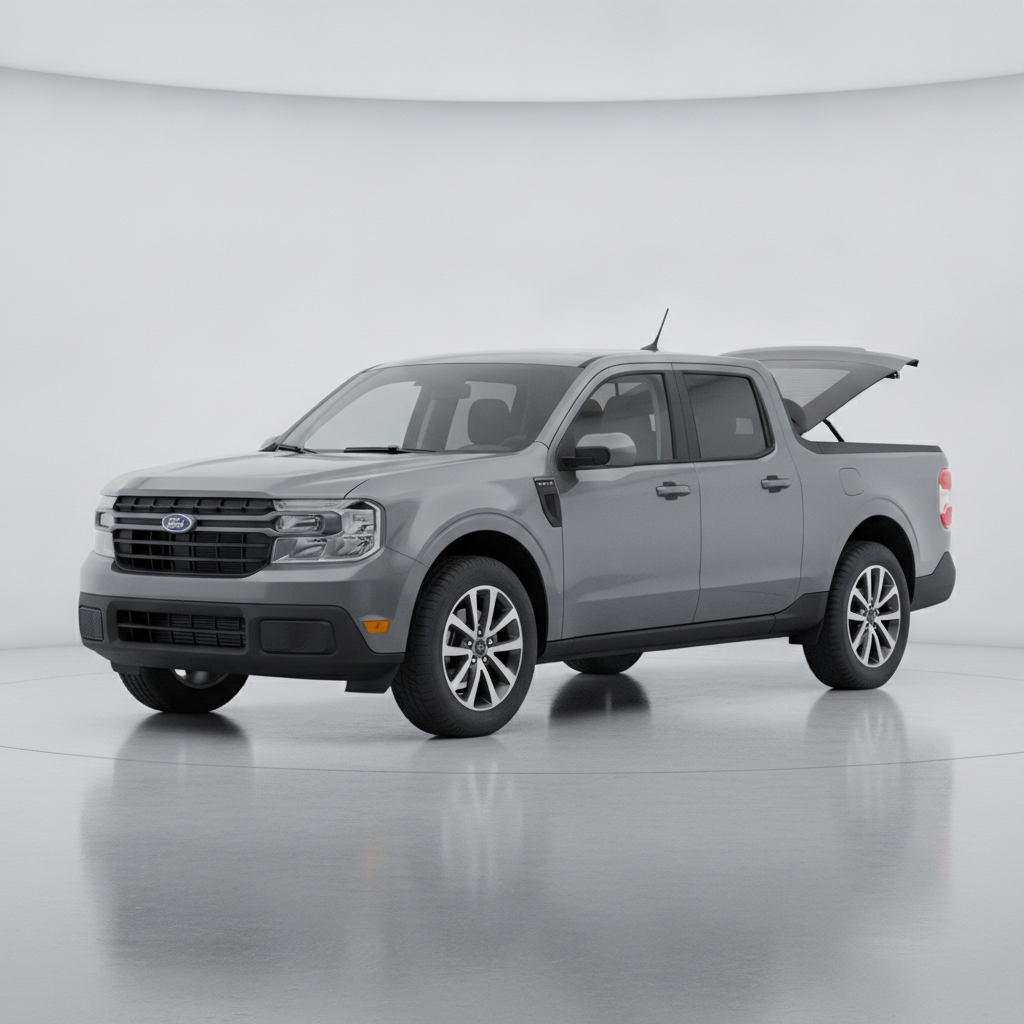
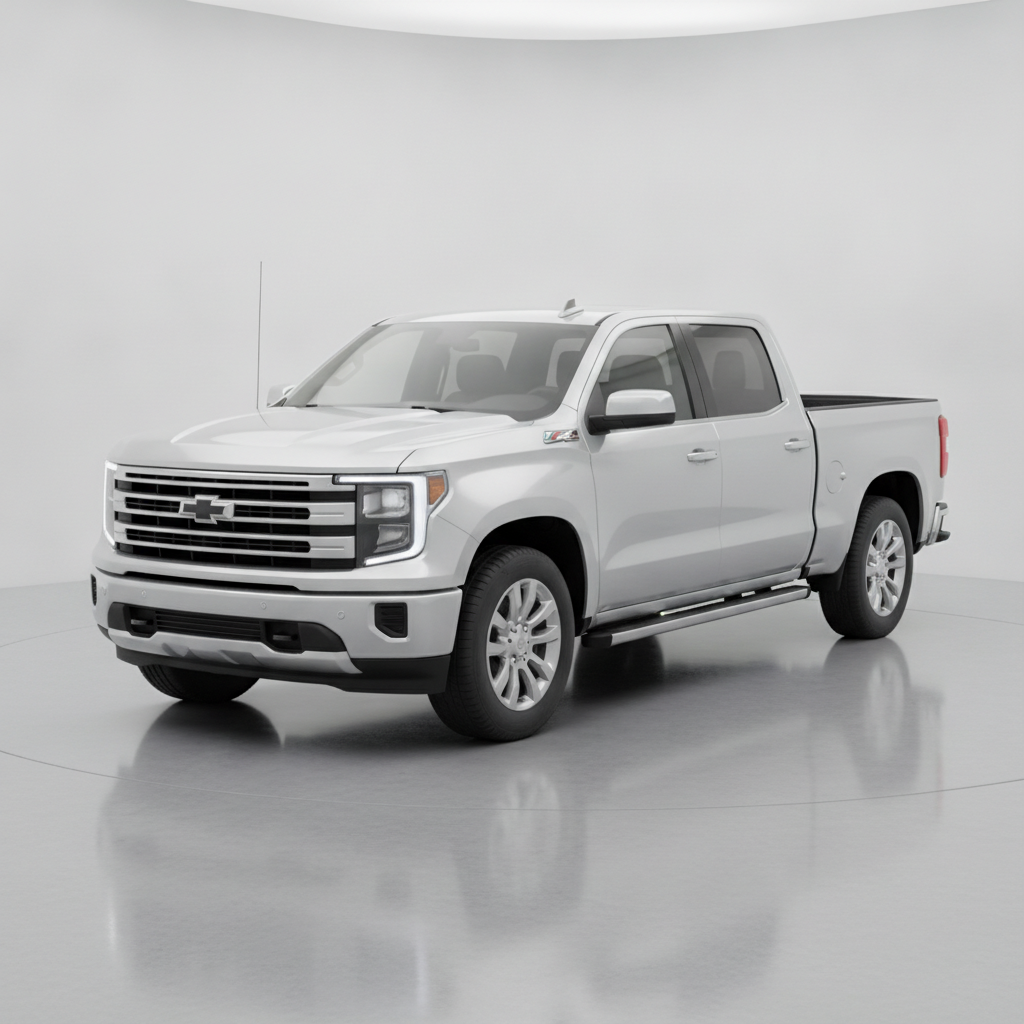
On July 20, 2026, the White House announced 50% tariffs on $20 billion worth of Canadian goods, one of the sharpest escalations in the ongoing US-Canada trade dispute and a direct hit to the North American auto supply chain. Canada doesn't immediately conjure images of car parts for most Americans, but it should: Canada supplies engines, transmissions, stampings, and assembled vehicles that feed into brands sold on dealer lots from coast to coast. The announcement came just one day before Ford's CEO publicly pledged to prioritize affordable vehicles for American families, an implicit acknowledgment that US car prices, already at historic highs, are being driven upward by forces no single automaker controls. Layer on top of that: US stock markets remain rattled by Iran-related geopolitical tensions and mounting signals that the Federal Reserve is not done raising interest rates. The backdrop for car buyers in late July 2026 is genuinely complex, but navigable, if you know which levers to pull. The Canada tariff shock affects market segments unevenly. Models with meaningful Canadian-assembled content or Canadian-sourced major components carry the most direct exposure; expect dealers to revise sticker prices on affected inventory as pre-tariff stock sells through in the weeks ahead. European luxury imports face a compounding disadvantage: they already absorb significant import duties, and they will now compete in a market where US buyers face higher borrowing costs and supply-chain uncertainty. The [BMW X5](/cars/bmw-x5) (from $66,200, 25 MPG) and [Audi Q7](/cars/audi-q7) (from $60,500, 21 MPG combined) are both imported from abroad and sit at the sharp end of that risk profile. Even the [BMW 3 Series](/cars/bmw-3-series) (from $45,950, 30 MPG combined), largely imported for the US market, carries meaningful pricing risk if trade conditions tighten further. If a European sedan or luxury SUV is genuinely what you want, current dealer stock at pre-adjustment prices may represent your best window, but act in weeks, not months. The financing math matters just as much as the sticker right now. Markets are pricing in a real possibility of another Federal Reserve rate increase, fueled partly by energy-price volatility tied to Iran tensions that unsettled US equity markets earlier this month. On a $45,000 auto loan financed over 60 months, a 75-basis-point rise in rates adds roughly $20 to $25 to your monthly payment, which compounds to over $1,200 across the life of the loan. For buyers considering the [Mercedes-Benz C-Class](/cars/mercedes-benz-c-class) (from $47,900, 28 MPG combined) or the [Audi A4](/cars/audi-a4) (from $42,000, 27 MPG combined), locking in a rate today rather than waiting for macro clarity could save a meaningful sum. Credit unions and community banks are frequently undercutting captive lender rates by half a point or more, always get at least one outside quote before accepting dealer financing. For buyers who want to sidestep as much tariff and rate risk as possible, the clearest strategic move is toward US-assembled vehicles with high North American parts content. The [Ford Maverick](/cars/ford-maverick) (from $28,500, 38 MPG combined in hybrid trim) is the most compelling entry-level pick right now: its starting price sits among the lowest in the entire pickup segment, the hybrid powertrain provides a built-in hedge against oil-price volatility, and Ford's stated affordability push signals the company has no intention of engineering Maverick prices upward. The [Ford F-150](/cars/ford-f-150) (from $38,810, 20 MPG combined), assembled in Michigan and Kansas City, carries that same domestic-production advantage at full-size scale, it remains America's best-selling vehicle for reasons tariff shocks don't erase. The [Chevrolet Colorado](/cars/chevrolet-colorado) (from $31,000, 20 MPG), built in Wentzville, Missouri, rounds out the domestic-truck case for buyers who want midsize practicality without cross-border exposure. On the electric side, the [Tesla Model 3](/cars/tesla-model-3) (from $42,490, 132 MPGe), built in California, avoids Canadian supply-chain risk entirely, eliminates fuel-price exposure, and may still qualify for the federal EV tax credit depending on your income and filing status. Fuel economy deserves extra scrutiny in this environment. Oil prices have remained unstable through July 2026, and buyers drawn to large SUVs should run the annual fuel-cost math carefully before signing. The [Chevrolet Tahoe](/cars/chevrolet-tahoe) (from $58,200, 18 MPG combined) and [Cadillac Escalade](/cars/cadillac-escalade) (from $87,000, 16.5 MPG) are capable, well-equipped machines, but at elevated gas prices their annual fuel bills can climb well past $3,000 depending on your mileage. As an alternative, the [Subaru Outback](/cars/subaru-outback) (from $29,010, 29 MPG combined), assembled in Lafayette, Indiana, delivers genuine all-weather utility, standard AWD, and fuel efficiency that softens pump-price risk, at a sticker comfortably below the current US new-car average. The [Lexus ES](/cars/lexus-es) hybrid (from $43,000, 44 MPG combined) is worth a serious look for sedan buyers: its hybrid powertrain makes fuel costs nearly immune to short-term crude swings, and Lexus's reliability record provides a secondary hedge against rising ownership costs. The macro picture heading into August 2026 is genuinely noisy: Canadian tariff escalation, a Fed that may not be done, unsettled oil prices, and equity markets still searching for footing. But complexity rewards prepared buyers. Three moves stand out: first, prioritize models with verified US assembly to minimize tariff pass-through risk; second, get pre-approved for financing this week before any rate move closes today's window; and third, consider hybrid or electric drivetrains as a durable hedge against oil-price volatility that ongoing geopolitical tensions show no sign of resolving. Dealers holding pre-tariff inventory have real motivation to move metal before pricing revisions hit, that leverage belongs to you right now, but it has a shelf life measured in weeks. The buyers who look back on July 2026 as a missed opportunity will be the ones who waited for certainty that never arrived.