Political Heat on the Fed: 5 Cars Worth Buying in September 2026
A collision of White House pressure on the Fed, new Canadian auto tariffs targeting Honda and Toyota, and a surge in oil prices is creating clear winners and losers for American car buyers this fall.
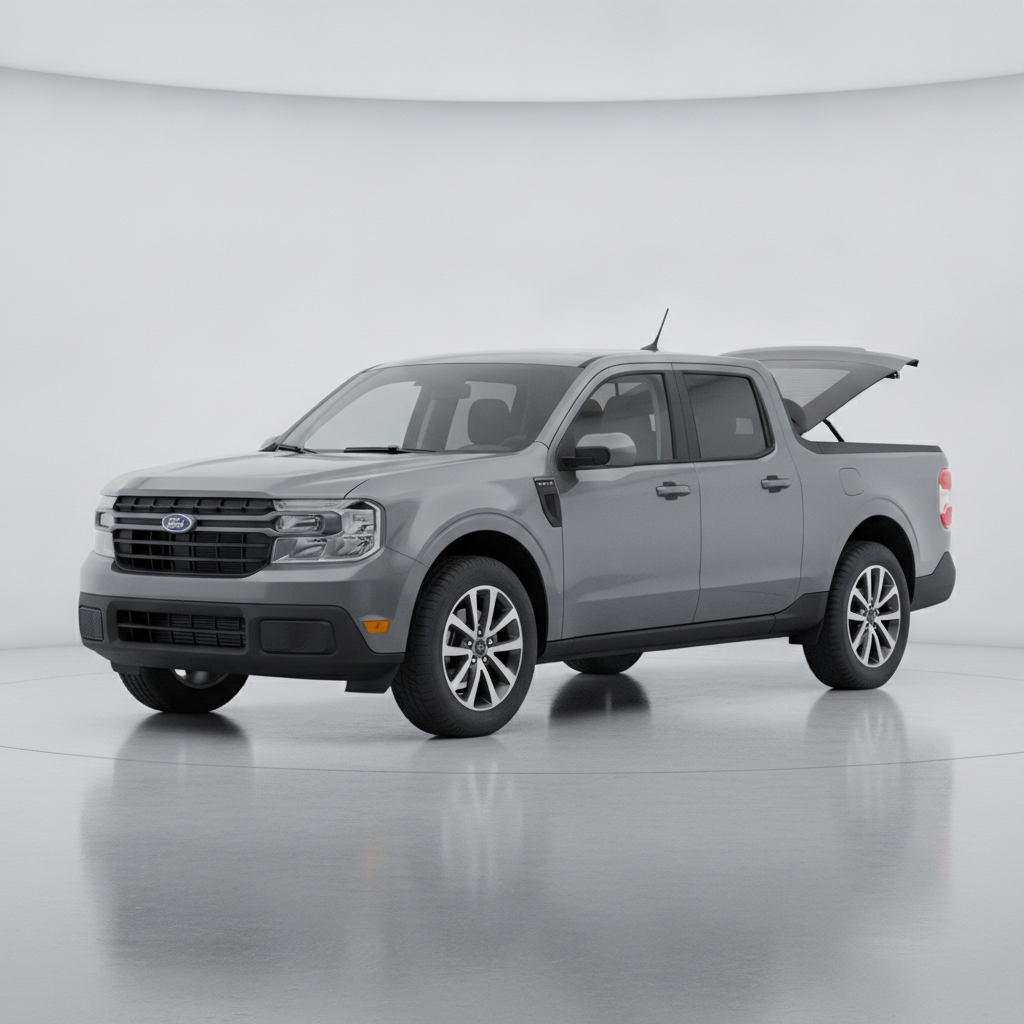
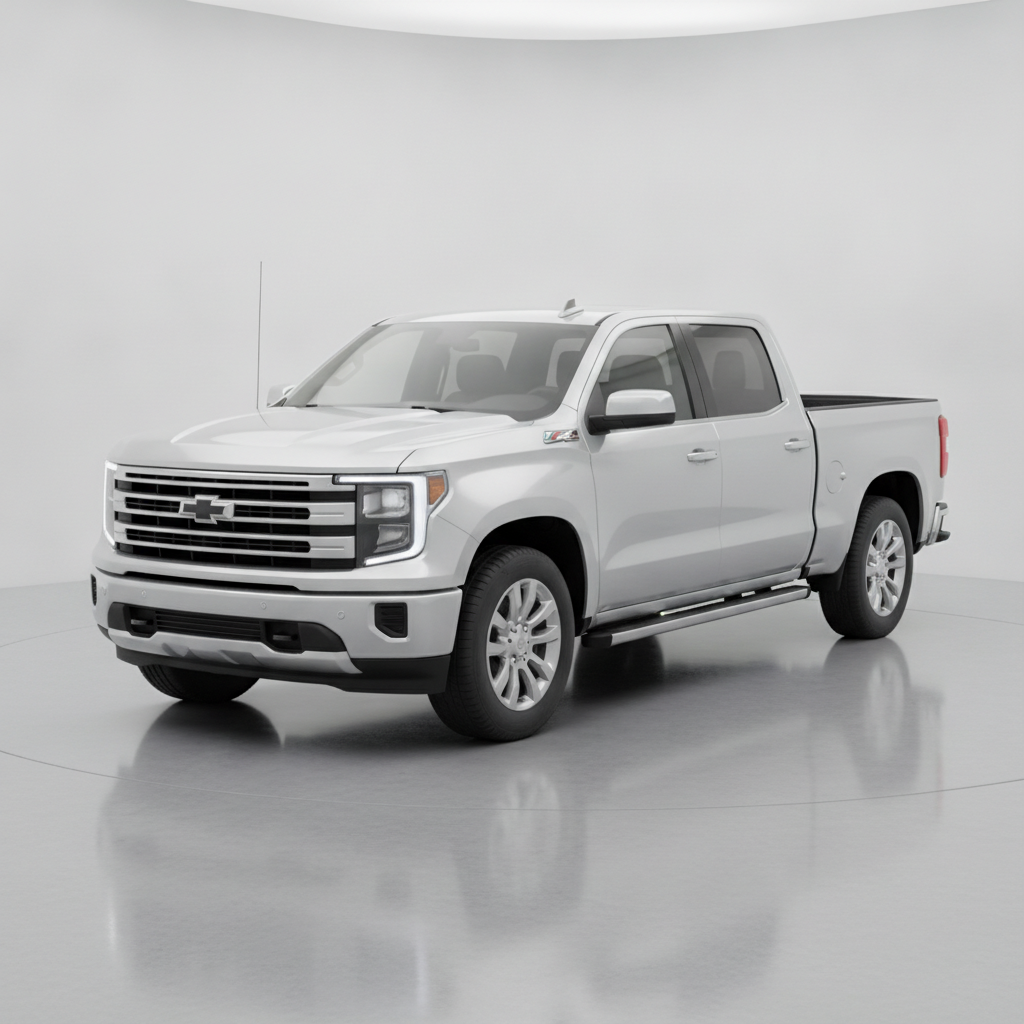
A rare collision of political and economic forces is reshaping the cost of buying a car this fall. In early September 2026, President Trump threatened to halt trade with major U.S. partners unless the Federal Reserve cuts interest rates, a dramatic ultimatum that rattled financial markets and raised fresh questions about the stability of U.S. trade relationships. That same week, Fed Chair Kevin Warsh used his Jackson Hole address to warn that stubborn inflation may actually require rate hikes rather than cuts, putting him squarely at odds with the White House. Oil prices then surged following renewed U.S. military strikes on Iran, adding fresh volatility at the pump. Despite the noise, the auto market has proven steadier than the economic headlines suggest, but for buyers planning a purchase this fall, these converging pressures carry very concrete consequences for price, financing, and running costs. The most immediate price risk for shoppers involves Japanese-brand vehicles. New tariffs on Canadian auto imports are poised to hit Toyota and Honda disproportionately hard, given both companies' reliance on Canadian assembly facilities for U.S.-bound models. The [Honda Accord](/cars/honda-accord) (from $28,990, 48 MPG in hybrid form) and the [Honda Civic](/cars/honda-civic) (from $24,250, 36 MPG combined), two of the strongest value propositions in the market, could face supply pressure and incremental price increases as manufacturers absorb higher duty costs. The [Honda CR-V](/cars/honda-cr-v) (from $30,100, 30 MPG combined) faces similar exposure. Buyers comparing these models should shop current dealer inventory now, while pricing still reflects pre-tariff cost structures rather than what arrives once the new duties are fully baked in. On the financing front, Warsh's hawkish Jackson Hole remarks all but eliminate the near-term prospect of lower auto loan rates. New-car loan rates have been running in the 7-8% range, and with another potential rate hike on the table, monthly payments are unlikely to soften soon. At roughly 7.5% over 60 months on a $40,000 vehicle, a buyer is committing to approximately $800 per month before taxes, insurance, and fees. That math makes the gap between affordable and mid-range vehicles feel much wider than sticker prices alone suggest. The [Ford Maverick](/cars/ford-maverick) hybrid (from $28,500, 38 MPG combined) is the standout value in this environment, domestically assembled, highly fuel-efficient, and priced low enough that today's loan rates do not make the monthly payment punishing. For buyers seeking structural protection from tariff-driven price increases, domestically assembled American-brand vehicles are the clearest hedge available. The [Ford F-150](/cars/ford-f-150) (from $38,810, 20 MPG combined), built at Ford's Michigan and Missouri plants, carries no meaningful Canadian-tariff exposure. The [Chevrolet Silverado](/cars/chevrolet-silverado) (from $37,000, 21 MPG) and the [Chevrolet Equinox](/cars/chevrolet-equinox) (from $29,995, 28 MPG combined) sit in similarly protected territory. In a market where affordable new cars are becoming increasingly scarce, a trend analysts flagged as worsening throughout 2026, the Equinox stands out as one of the last sub-$30,000 SUVs buyers can purchase without betting on tariff policy remaining stable. The surge in oil prices following renewed U.S. strikes on Iran adds a compelling new argument for EVs. Vehicles with modest fuel economy, large SUVs averaging 16 to 18 MPG, become measurably more expensive to run with every significant price increase at the pump. The [Tesla Model Y](/cars/tesla-model-y) (from $44,990, 123 MPGe), assembled in Texas, sidesteps Canadian tariff risk entirely and turns fuel-price volatility into a non-issue for its owners. The [Tesla Model 3](/cars/tesla-model-3) (from $42,490, 132 MPGe) and the [Ford Mustang Mach-E](/cars/ford-mustang-mach-e) (from $37,000, 98 MPGe) round out a shortlist of domestically built EVs that offer genuine long-term running-cost advantages, especially for drivers covering 12,000 or more miles annually. The practical playbook for fall 2026 is cleaner than the headlines suggest. If you are eyeing a Honda or Toyota, shop existing inventory now, today's dealer pricing is likely more favorable than what arrives once tariff costs are fully absorbed into MSRP. Below $35,000, the Ford Maverick Hybrid is the clear standout: domestically assembled, highly efficient, and priced to stay manageable at current loan rates. Between $40,000 and $50,000, the Tesla Model Y and Ford F-150 deliver the best combination of tariff insulation and operational cost predictability. Wherever your budget lands, pay close attention to your total monthly outlay rather than sticker price alone, in a market shaped by persistent rate pressure, trade-policy uncertainty, and rising energy costs, how much you borrow matters just as much as what you buy.