Trade Void & Oil Fears: 5 Best Car Buys for July 2026
With USMCA gone, oil prices climbing on Iran tensions, and rate-hike fears back on the table, buying American-assembled and fuel-efficient vehicles is the clearest hedge a car shopper can make right now.

The first week of July 2026 handed American car shoppers two simultaneous macro shocks. President Trump's decision to let the United States-Mexico-Canada Agreement expire without renewal — effective July 1 — stripped the auto industry of the tariff-free framework governing North American vehicle and parts trade for the past six years, throwing supply chains and dealer pricing into immediate uncertainty. Days later, US equity markets sold off sharply as military strikes on Iran unsettled global energy markets, reviving fears that oil prices could climb and push the Federal Reserve toward rate increases rather than cuts. With industry analysts already flagging that tariffs strained Canada's auto sector through the first half of 2026, the second half looks more turbulent still — and the decisions you make at the dealership today will reflect those forces whether you account for them or not.
The most direct pressure on new-car sticker prices flows from tariff exposure on vehicles assembled outside US borders. Without USMCA, parts and finished vehicles crossing from Mexico or Canada no longer qualify automatically for duty-free entry, adding cost uncertainty to a wide swath of popular models. European brands already carry import duties by default, so buyers eyeing the [Audi A4](/cars/audi-a4) (from $42,000, 27 MPG combined) or the [BMW 3 Series](/cars/bmw-3-series) (from $45,950, 30 MPG combined) are purchasing vehicles whose prices already reflect those levies — though further trade escalation could widen that gap. If you have been considering a European luxury SUV like the [Mercedes-Benz GLC](/cars/mercedes-benz-glc) (from $48,050, 25 MPG combined) or the [Audi Q5](/cars/audi-q5) (from $45,000, 25 MPG combined), the risk calculus now tilts toward acting sooner rather than waiting for a clarity that may not arrive before year-end price adjustments do.
The Iran-driven market sell-off has reinforced a concern that had been fading: the Federal Reserve could hold rates elevated — or even raise them — if energy costs push inflation back up. For car buyers, that translates directly to monthly payment math. Auto loan rates are already running in the 7–8% range for well-qualified borrowers, and even a modest half-point increase adds roughly $10–$12 per month on a $42,000 vehicle financed over 60 months. That compounds across the life of a loan and across hundreds of thousands of purchase decisions being made right now. The rational response is to prioritize vehicles with lower sticker prices and superior fuel efficiency so that total cost of ownership stays manageable regardless of where rates land by autumn.
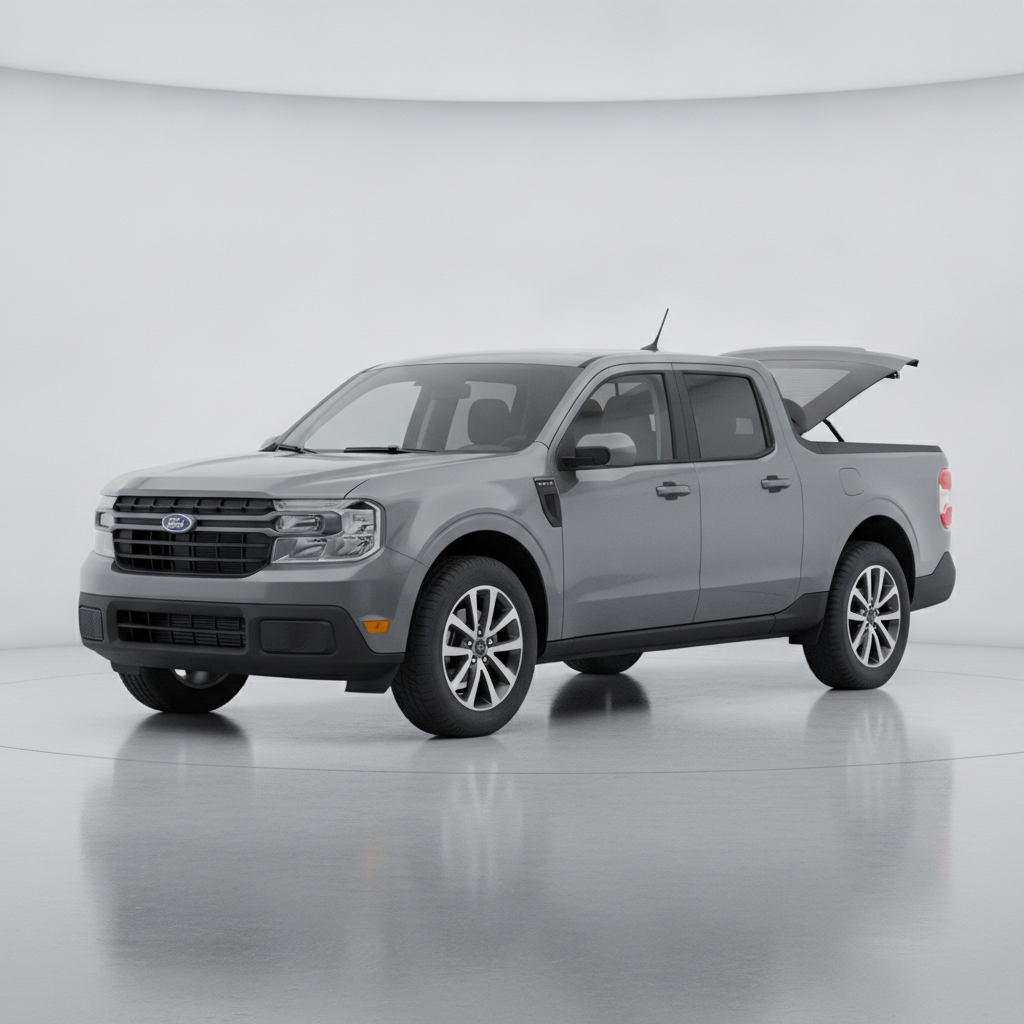
Gas prices have nudged upward in recent weeks, though analysts expect the effect on used-car values to remain mild rather than dramatic. Even so, with Middle East tensions keeping oil markets on edge, the operating cost of a fuel-thirsty vehicle is a live variable rather than a fixed one. The [Ford Maverick](/cars/ford-maverick) hybrid (from $28,500, 38 MPG combined) stands out as perhaps the best all-around hedge available: a compact truck with US-based assembly, priced well below the segment average, and efficient enough to absorb moderate fuel-price swings without strain. The [Honda CR-V](/cars/honda-cr-v) hybrid (from $30,100, 30 MPG combined gas), assembled in Ohio, covers the same logic for SUV shoppers. For buyers ready to eliminate pump exposure entirely, the [Tesla Model Y](/cars/tesla-model-y) ($44,990, 123 MPGe) and [Ford Mustang Mach-E](/cars/ford-mustang-mach-e) ($37,000, 98 MPGe) make a compelling case precisely when oil prices can move sharply on a single geopolitical headline.
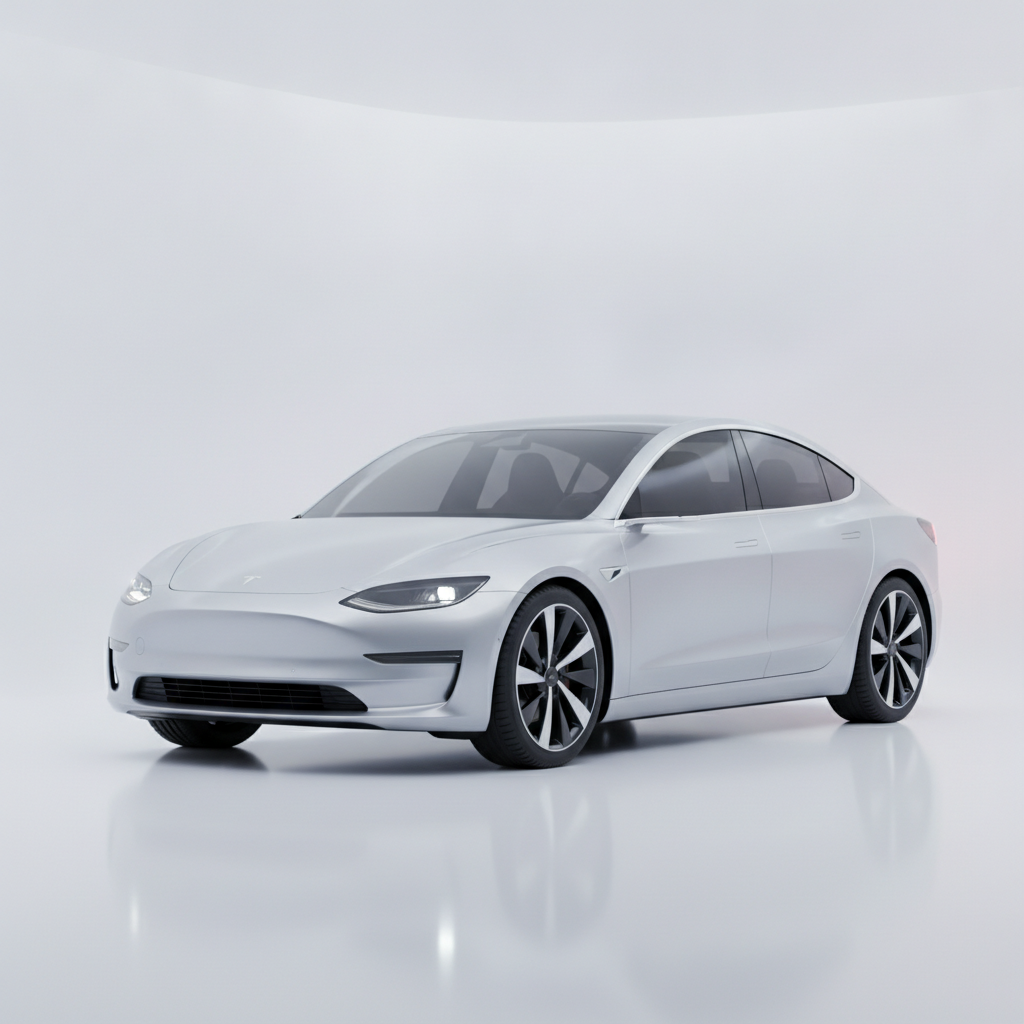
The smartest non-EV buys right now cluster around US-assembled vehicles with solid fuel economy and prices well below the current market average. The [Chevrolet Colorado](/cars/chevrolet-colorado) (from $31,000, 20 MPG), built in Wentzville, Missouri, delivers genuine truck capability at a price that leaves meaningful financing headroom. The [Subaru Outback](/cars/subaru-outback) ($29,010, 29 MPG combined), assembled in Lafayette, Indiana, is one of the few vehicles combining wagon practicality, reasonable efficiency, and a sub-$30,000 entry point — a combination that is genuinely hard to find in the current market. For buyers who can stretch to the mid-$40s, the [Tesla Model 3](/cars/tesla-model-3) ($42,490, 132 MPGe), built in Fremont, California, offers the cleanest hedge against both fuel volatility and tariff exposure: fully domestic production, zero fuel cost, and one of the highest efficiency ratings in any segment.
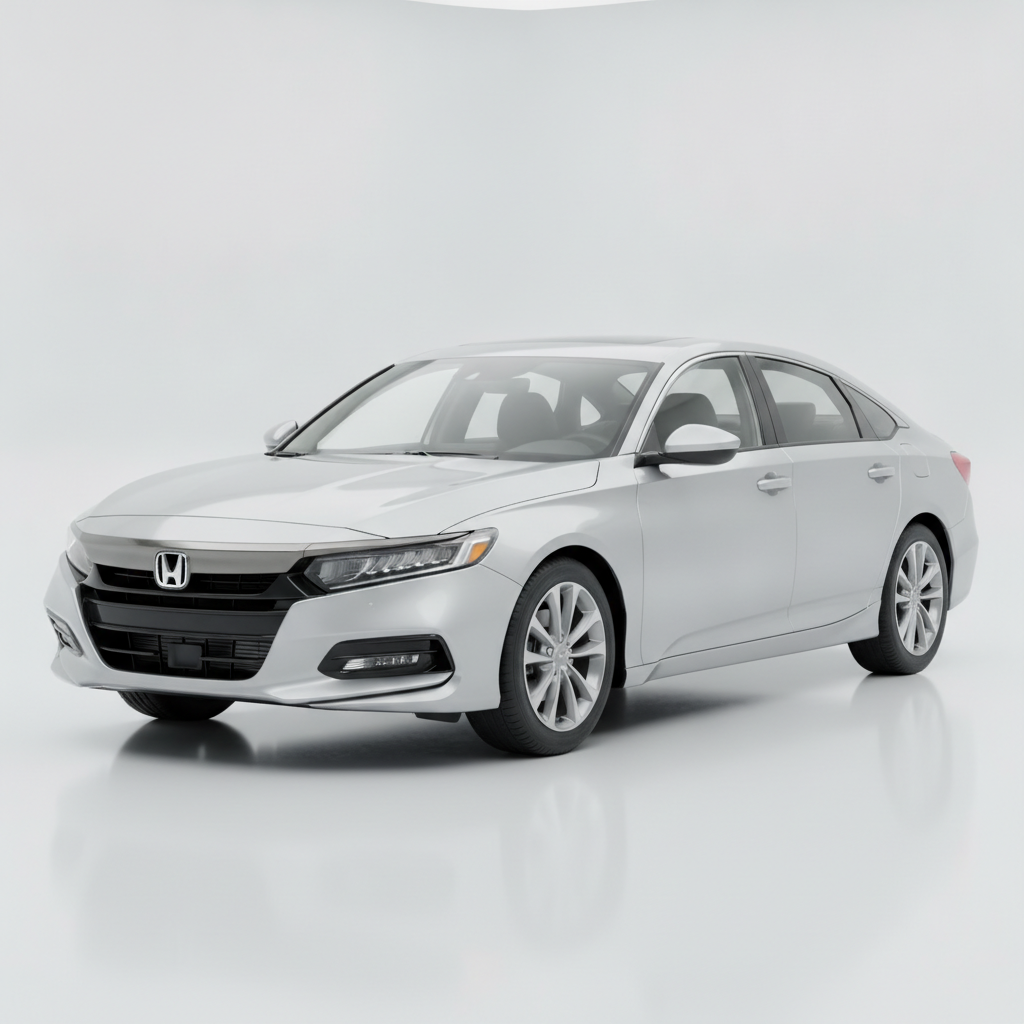
The practical takeaway for July 2026 is threefold: favor vehicles with US-based final assembly to reduce tariff-risk exposure, prioritize hybrid or electric powertrains to hedge against oil-market swings, and lock in a financing rate today rather than betting on cuts that may not materialize this year. The [Honda Accord](/cars/honda-accord) (from $28,990, 48 MPG in hybrid form), assembled in Marysville, Ohio, checks all three boxes and remains one of the most complete value propositions in the market. The [Honda Civic](/cars/honda-civic) ($24,250, 36 MPG combined) covers identical logic at an even lower entry point. If your budget runs to the European luxury tier, act on those purchases now rather than later — any further escalation in North American trade tensions or a Fed rate move will only stretch the gap between today's price and what those imported vehicles may cost by the time the market stabilizes.