Stock Rout, Oil Spike, Fed Warning: Your Car Buying Brief
With US stocks battered by Iran strikes, the Fed signaling future rate hikes, and tariffs stress-testing North American auto supply chains, every dollar you spend on a new car in July 2026 is shaped by forces far outside the showroom.
The week of July 7, 2026 crystallized just how entangled the car market has become with global events. US stock markets fell sharply on July 8 after Iran strikes rattled investor confidence, while Federal Reserve officials — who had just held rates steady at their July 7 meeting — signaled a clear lean toward future increases to bring inflation fully under control. Oil prices swung in response, reopening questions about pump costs that many buyers had started to tune out. Simultaneously, the North American auto industry closed the first half of 2026 with observers describing the period as a genuine stress test defined by tariff headwinds and USMCA uncertainty that trade watchers say is far from resolved. The combined result: new-car prices at record levels, average monthly payments at historic highs, and rising insurance premiums compounding the strain on American family budgets at exactly the wrong moment.
The tariff picture is uneven, and where a car is built matters more than it has in years. European luxury brands carry meaningful tariff exposure throughout their supply chains — costs that are baked into sticker prices and largely non-negotiable at the dealer. Buyers considering the [BMW 3 Series](/cars/bmw-3-series) (from $45,950) or the [Audi Q5](/cars/audi-q5) (from $45,000) should understand that a real portion of that sticker reflects import duty and supply-chain costs that won't be bargained away. The [Mercedes-Benz GLC](/cars/mercedes-benz-glc) (from $48,050) faces similar dynamics. Domestically assembled vehicles are better positioned: the [Ford F-150](/cars/ford-f-150) (from $38,810, 20 MPG combined) and [Chevrolet Silverado](/cars/chevrolet-silverado) (from $37,000, 21 MPG combined) aren't immune to parts-cost inflation, but they don't carry the same import duty burden. The country-of-origin label on the window sticker is worth reading closely in this environment.
Oil price volatility adds a separate layer of running-cost risk for buyers of fuel-hungry vehicles. Analysts describe the recent gas price uptick as having only a "mild" impact on used-car values, but day-to-day pump costs are real — and in a crude-oil market this sensitive to geopolitical shocks, annual fuel bills for thirsty vehicles can shift by hundreds of dollars depending on where prices settle. The [Chevrolet Tahoe](/cars/chevrolet-tahoe) (from $58,200, 18 MPG combined) and [Cadillac Escalade](/cars/cadillac-escalade) (from $87,000, approximately 16.5 MPG) are genuinely capable machines, but shoppers drawn to large SUVs should compare them carefully against the [Chevrolet Traverse](/cars/chevrolet-traverse) (from $39,995, 24 MPG combined) or look seriously at the [Lexus RX](/cars/lexus-rx) hybrid (from $50,000, 36 MPG combined) — the fuel savings over a five-year ownership window can be substantial when oil markets are this volatile.
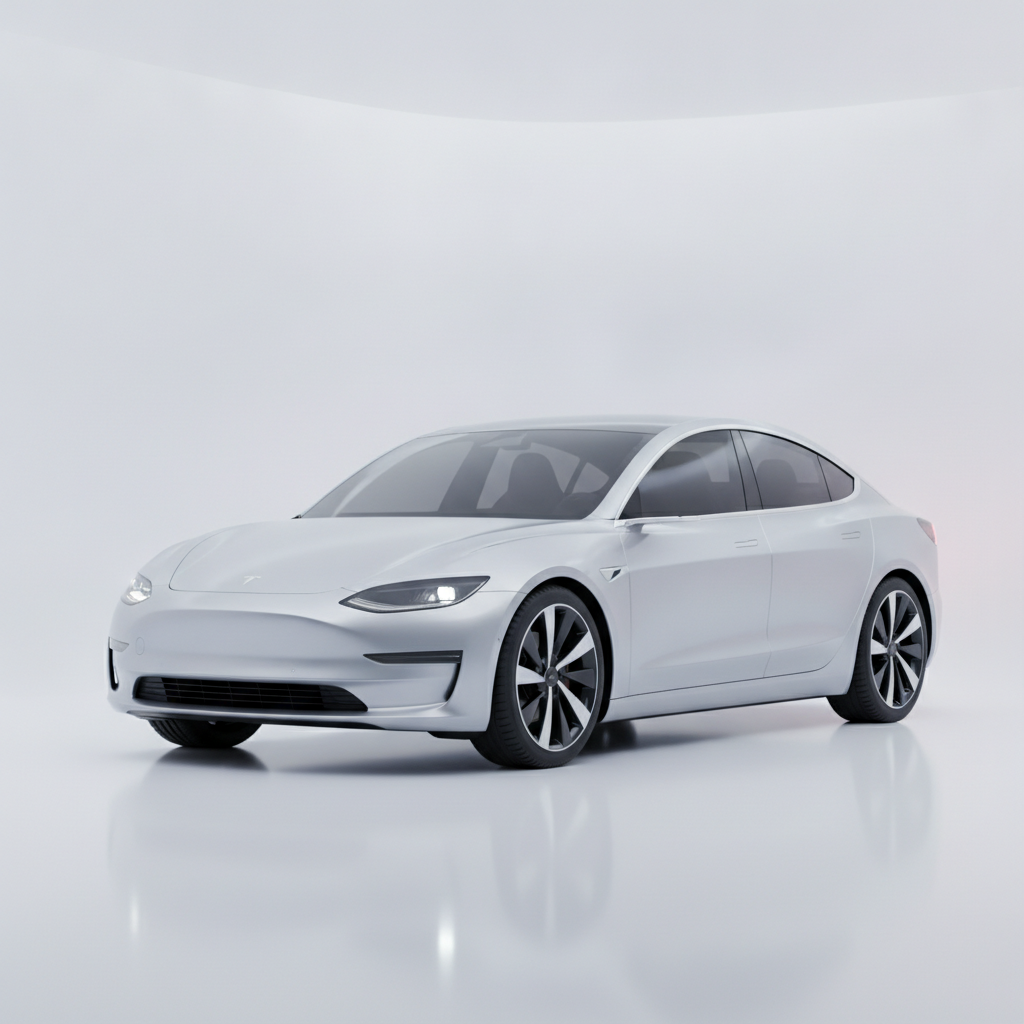
Fuel price uncertainty historically strengthens the case for going electric, and that logic is sharper in mid-2026. The [Tesla Model 3](/cars/tesla-model-3) (from $42,490, 132 MPGe) and the [Ford Mustang Mach-E](/cars/ford-mustang-mach-e) (from $37,000, 98 MPGe) draw energy from the electrical grid rather than oil markets, providing real insulation from crude-driven price spikes. The complication is the Fed's hawkish lean: if additional rate hikes follow, auto loan rates — already elevated for many borrowers — could climb further, making the higher upfront cost of EVs harder to absorb through financing. Buyers with strong credit, meaningful down payments, or eligibility for federal EV tax credits may still find the numbers work; those relying on financing for most of the purchase price should model their monthly payment at a rate that has room to rise before signing anything.
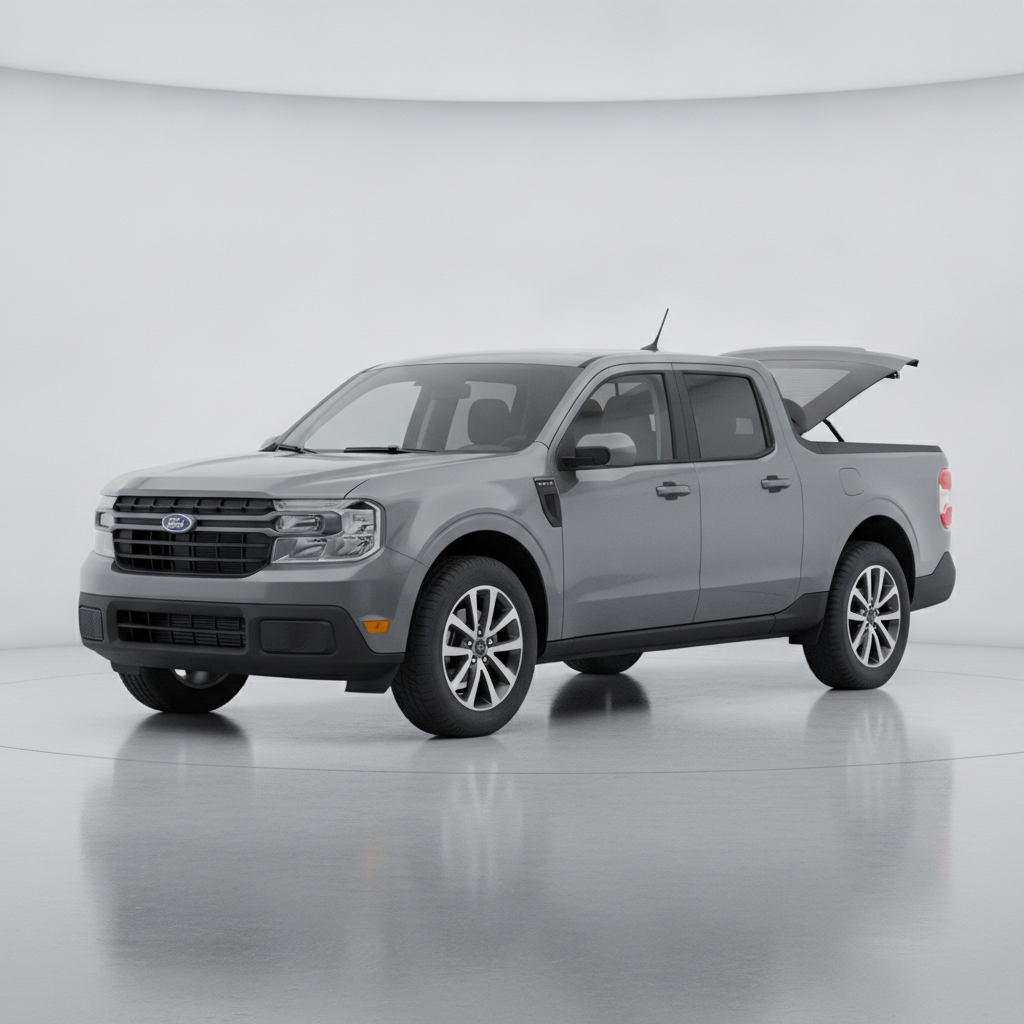
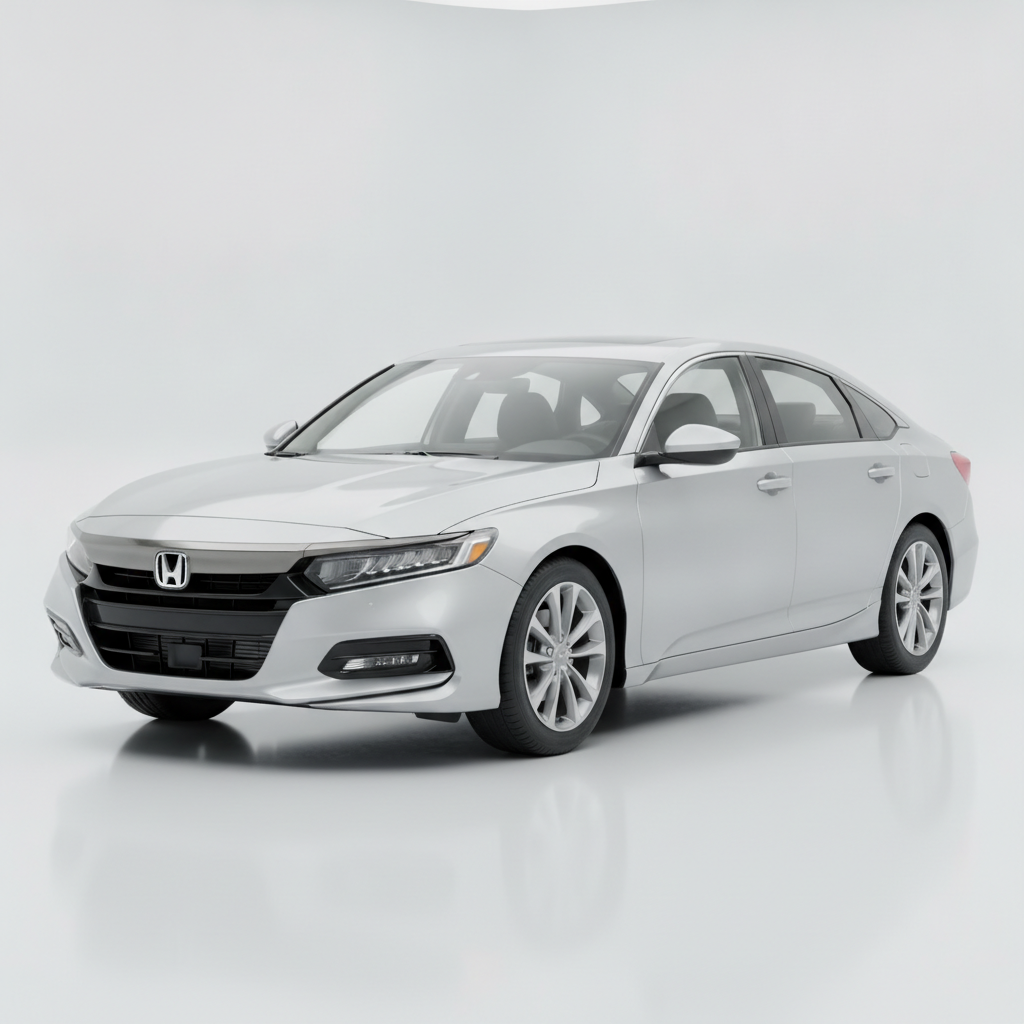
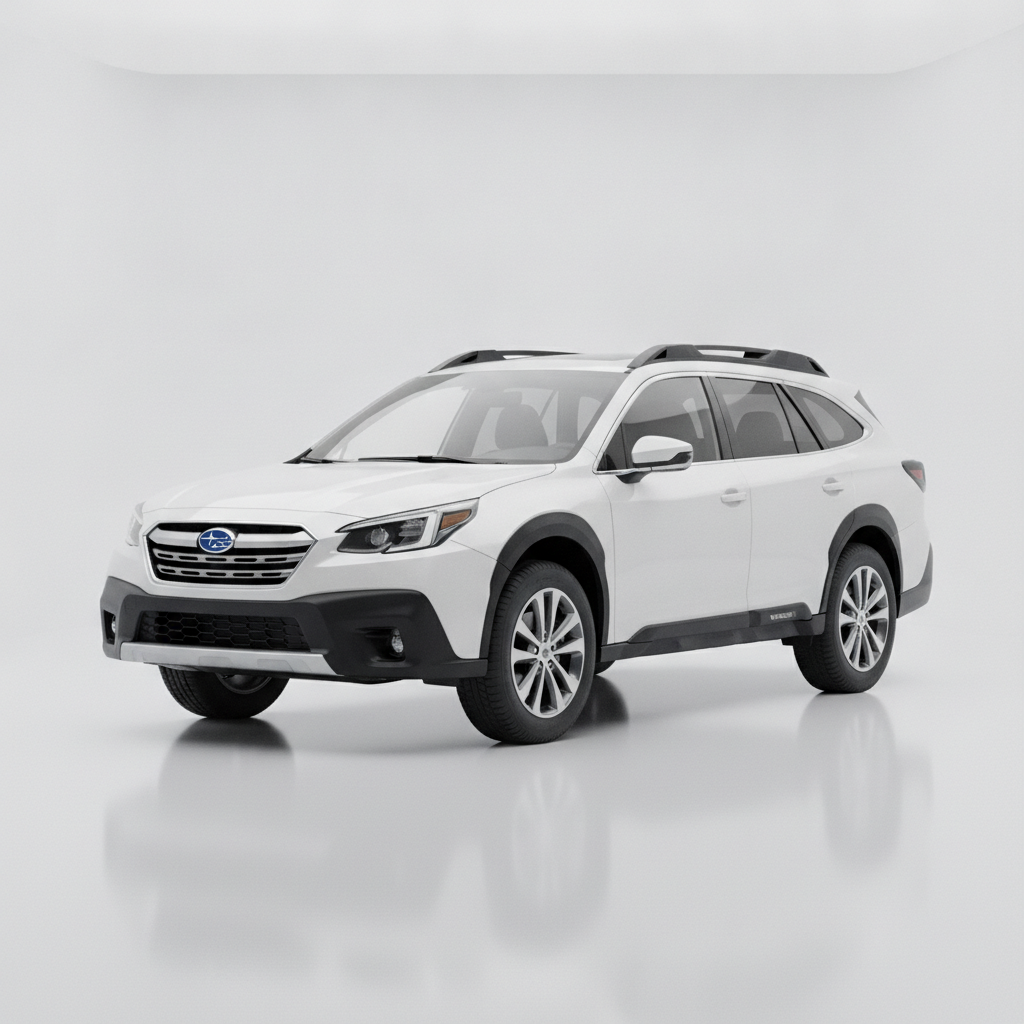
Given the combined pressures — tariff exposure favoring domestic assembly, fuel costs rewarding efficiency, and rate risk penalizing large loan balances — a clear set of value-smart picks emerges for July. The [Ford Maverick](/cars/ford-maverick) hybrid (from $28,500, 38 MPG combined) remains the rare truck priced below the record market average while delivering compact-car fuel economy, a combination that is genuinely hard to find right now. The [Honda Accord](/cars/honda-accord) hybrid (from $28,990, 48 MPG combined) delivers exceptional efficiency for a midsize sedan and provides meaningful insulation from gas-price volatility. The [Subaru Outback](/cars/subaru-outback) (from $29,010, 29 MPG combined) offers all-weather capability and long-term reliability at a price that keeps monthly payments manageable even if rates edge higher. And the [Honda CR-V](/cars/honda-cr-v) (from $30,100, 30 MPG combined on the standard engine) adds crossover practicality without forcing buyers into a budget bracket where tariffs and rate risk make the math harder to justify.
The practical message for July 2026 is straightforward: the macro environment is complex, but it rewards preparation rather than paralysis. Focus on vehicles with domestic assembly or strong USMCA supply-chain compliance, meaningful fuel efficiency, and a purchase price that keeps your loan balance low enough to absorb a potential further rate move without distress. Dealers currently have inventory, and while deep discounts are scarce, the aggressive markups of a few years ago are mostly gone — buyers who arrive informed have room to negotiate. Identify the vehicle that fits your life and your budget at today's terms, because waiting for the Fed, the oil market, and the tariff chart to all simultaneously calm down is not a buying strategy. It is just waiting.