Oil Spike, Rate Threat: 6 Car Buys That Hold Up Now
With oil prices surging on Middle East tensions and rate hikes back on the table, the math on your next car purchase just changed — here's what to buy.
Middle East tensions jolted global financial markets on July 8 when US military action against Iranian targets sent stocks tumbling and crude oil prices sharply higher. The S&P 500 fell amid fears that escalating conflict could constrict energy supplies, while Federal Reserve officials signaled that persistent geopolitical uncertainty could keep inflation elevated — potentially delaying, or even reversing, expected interest rate relief. For American car buyers already staring down an average new-vehicle transaction price approaching $50,000 and record monthly payments, the timing is painful. The double threat of higher fuel costs and a possible rate hike is not hypothetical; it is shaping the actual ownership math on every car in every showroom right now.
A third pressure point is quietly compounding the problem in the supply chain. The USMCA trade agreement's automotive provisions lost their path to automatic renewal as of July 1, creating a period of structured uncertainty around tariff-free vehicle and parts movement between the US, Canada, and Mexico. Canada's auto sector reported a difficult first half of 2026, with tariff threats disrupting production schedules and supplier pricing. Separate tariff measures rolling out through mid-2026 have disproportionately hit vehicles with significant European content. The upshot: models assembled overseas — particularly German luxury brands — carry real and growing pricing risk that domestic and USMCA-compliant vehicles largely avoid.
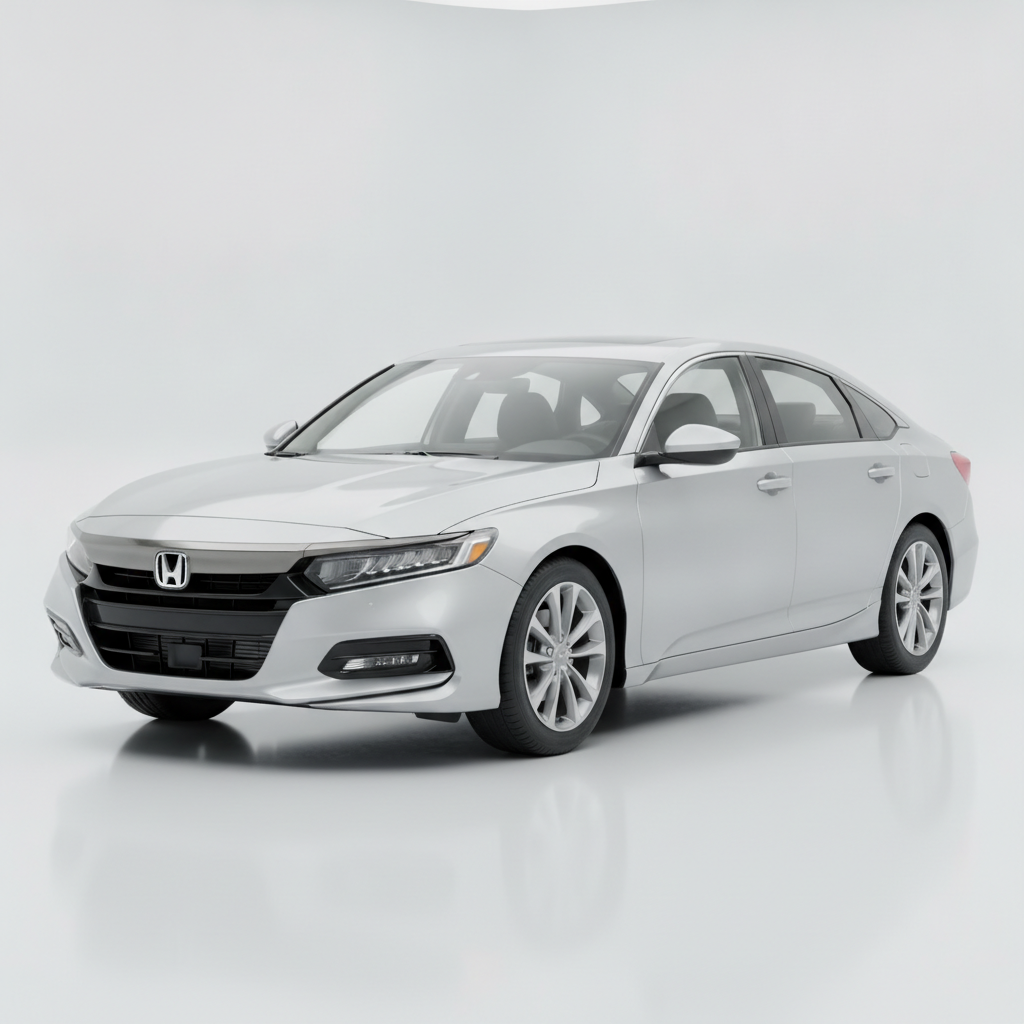
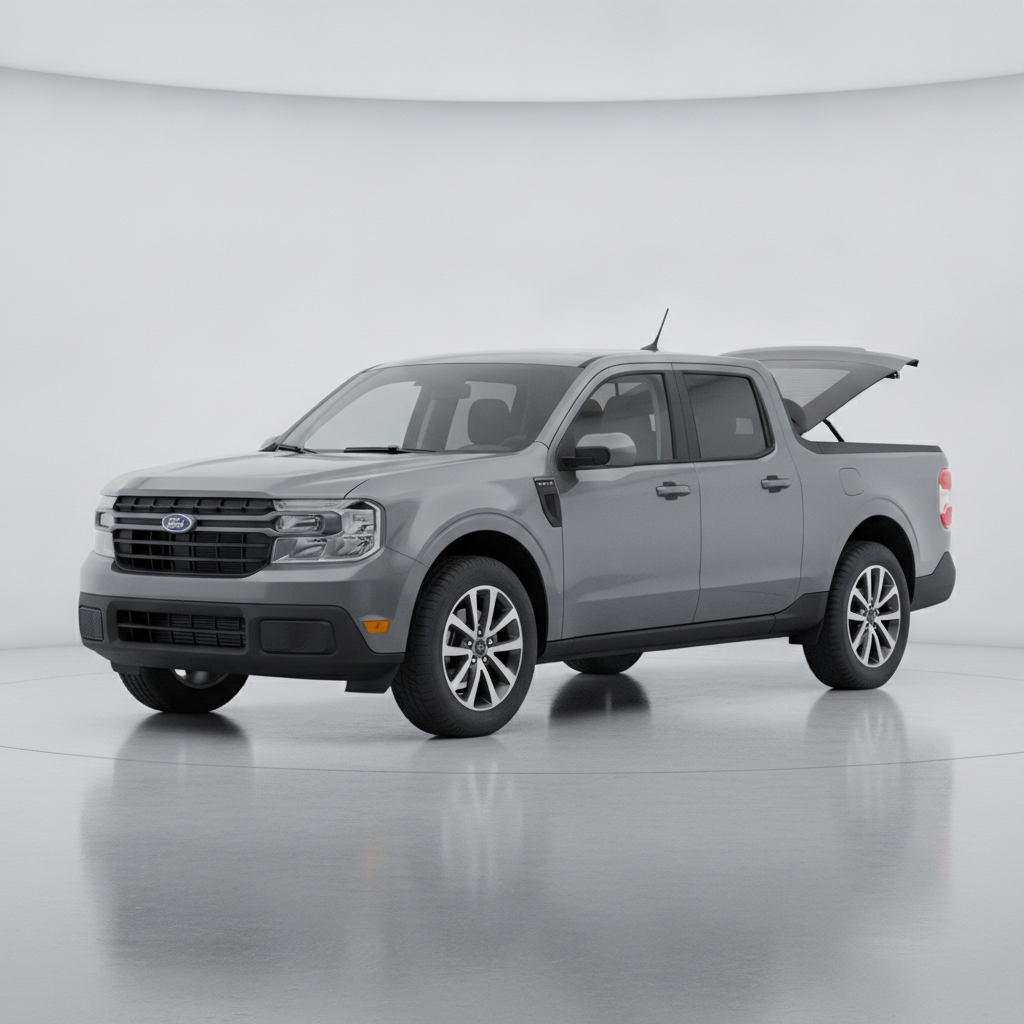
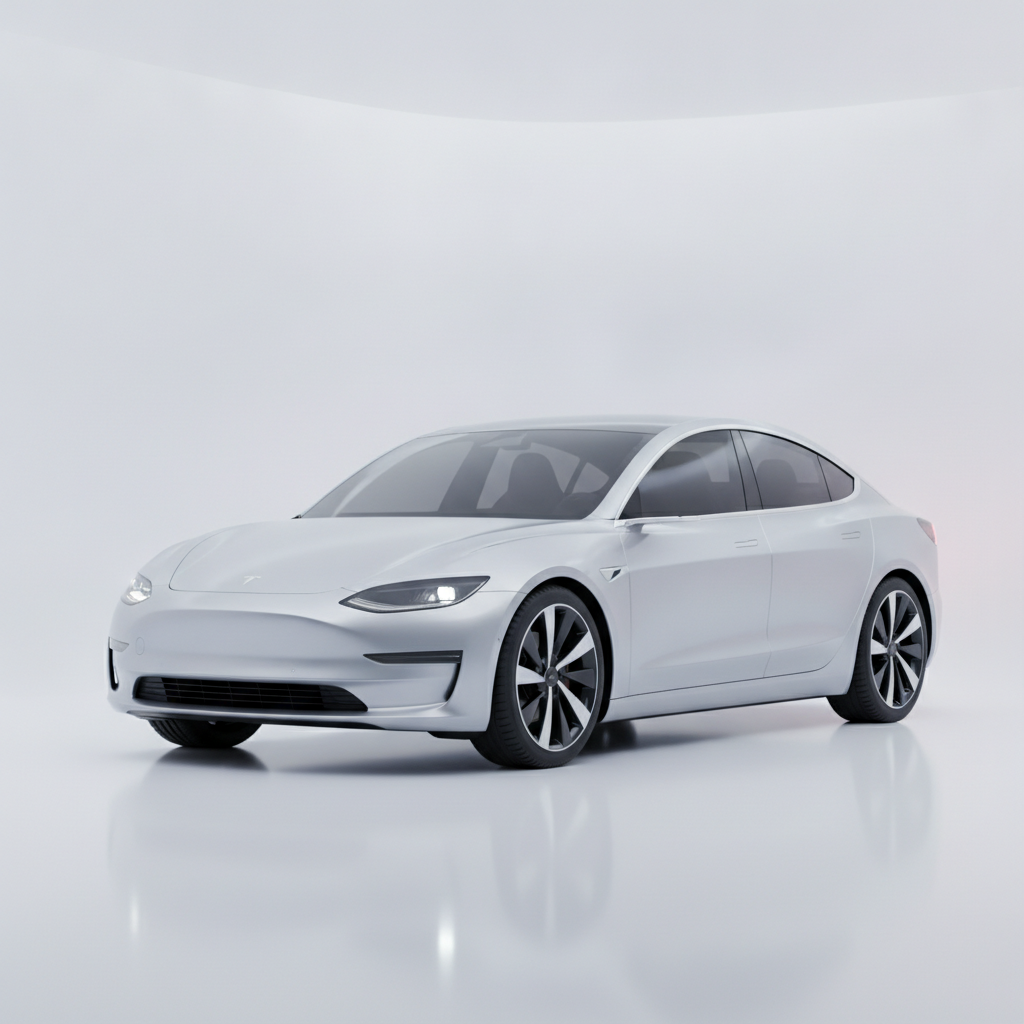
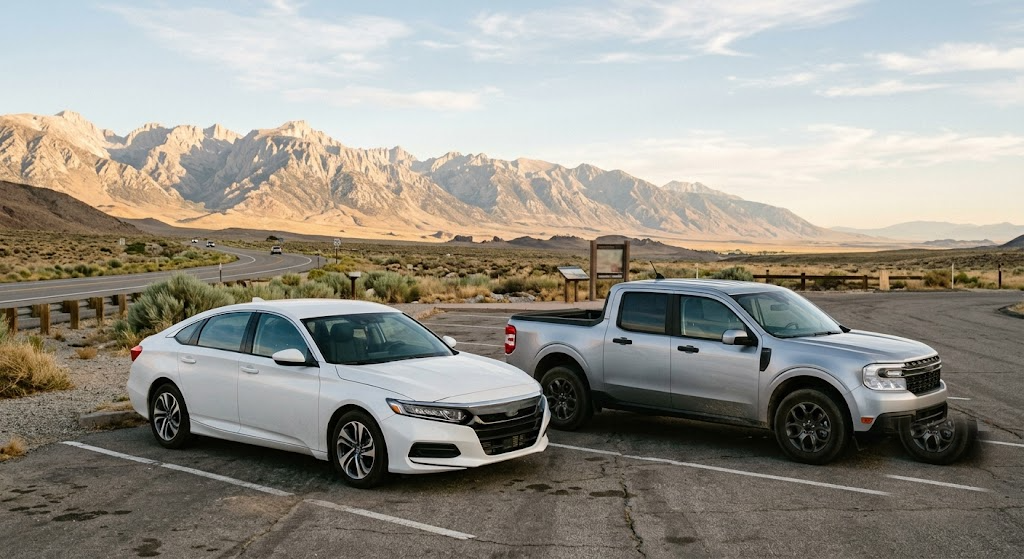
Against that backdrop, three models stand out as sound purchases right now, primarily because they hedge against rising fuel costs. The [Honda Accord](/cars/honda-accord) Hybrid starts at $28,990 and delivers around 48 MPG combined — an extraordinary efficiency figure at a price comfortably below the market average, with the added advantage that Accord production is heavily US-based, keeping tariff exposure low. The [Ford Maverick](/cars/ford-maverick) Hybrid ($28,500 starting, 38 MPG combined) is the most fuel-efficient truck you can buy in America, and in an environment where gas prices may climb further on supply fears, that gap over conventional pickups translates to real savings. For buyers willing to go electric, the [Tesla Model 3](/cars/tesla-model-3) ($42,490, 132 MPGe) removes the oil price variable from ownership entirely, and Tesla's US manufacturing footprint means USMCA disruption is simply not a factor.
For buyers prioritizing domestic-content protection from tariff volatility, two additional picks make practical sense. The [Chevrolet Colorado](/cars/chevrolet-colorado) starts at $31,000 and is assembled in North America, placing it firmly outside the import duty danger zone. At 20 MPG it is not a fuel-efficiency leader, but in a midsize truck segment where capability is the priority, it offers a clean tariff story and meaningful dealer negotiating room in a softening market. The [Subaru Outback](/cars/subaru-outback) ($29,010 starting, 29 MPG combined) occupies a similar space in the wagon-SUV crossover category: priced below the market average, efficient enough to absorb moderate fuel price increases, and one of the few new vehicles still available under $30,000 in today's compressed market.
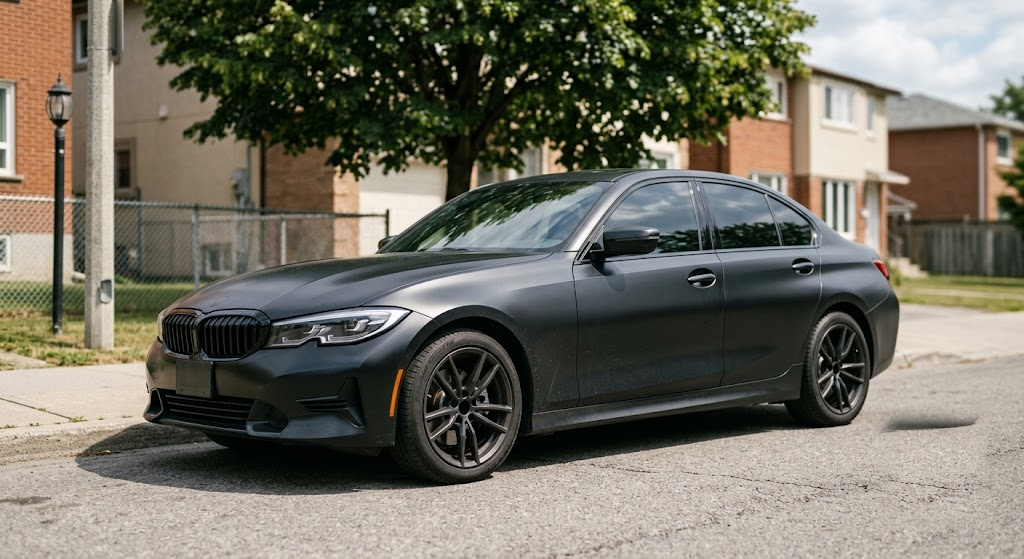
Not every model deserves urgency right now. European luxury sedans — the [BMW 3 Series](/cars/bmw-3-series) at $45,950, the [Audi A4](/cars/audi-a4) starting at $42,000, and the [Mercedes-Benz C-Class](/cars/mercedes-benz-c-class) at $47,900 — are assembled in Germany and carry genuine tariff exposure should USMCA negotiations drag into Q3 or broader trade retaliation measures materialize. Buyers drawn to these segments might reasonably wait for trade clarity, or at minimum lock in today's dealer quote in writing before any new tariff rounds are announced. Large luxury SUVs with significant non-North American content carry the same risk at even higher transaction prices, compounding the financing concern if rates move upward.
The practical playbook for July 2026 is specific: lean toward fuel efficiency given oil price risk, favor domestically assembled vehicles with a clean USMCA lineage, and avoid overextending on financing in a rate environment that could tighten without much warning. Get pre-approved for a loan at current rates — they are uncomfortable but could worsen. The Ford Maverick Hybrid and Honda Accord Hybrid are the strongest all-around buys at the value end of the market; the Tesla Model 3 is the cleanest two-front hedge — against both oil prices and tariffs — for buyers who can stretch to $42,000. The macro headwinds are real, but they reward specific choices, and those choices are still on the lot.