Mid-2026 Buyer's Reality Check: 5 Cars That Hold Up
With tariffs, a hawkish Federal Reserve, and geopolitical oil shocks converging at mid-year, five domestically assembled cars stand out as the rational picks for July 2026.

Six months into 2026, the compound pressures on America's car market show no sign of resolving on their own. A mid-year review of North American auto trade makes the picture clear: tariffs introduced under the current administration have disrupted supply chains from Ontario assembly lines to U.S. dealer lots, and Canada's auto sector — deeply intertwined with U.S. manufacturing — is now describing affordability as its defining challenge of the year. The turbulence intensified in early July when U.S. military action against Iran sent equity markets sharply lower, compounding existing anxiety about what the Federal Reserve does next. The Fed held its benchmark rate at its July meeting but leaned explicitly toward future increases to fight inflation that has proven persistently sticky — a signal that the financing environment for large purchases, including vehicles, could get harder before it gets easier.
For buyers eyeing imported vehicles, tariffs remain the most consequential variable in the total purchase price. The administration's ongoing tariff framework adds meaningful duty exposure to vehicles manufactured outside the United States, and the failure so far to secure a clear USMCA extension stretches that uncertainty even to Canadian- and Mexican-assembled vehicles. In practical terms, a [BMW 3 Series](/bmw-3-series) opening at $45,950 or an [Audi A4](/audi-a4) starting at $42,000 already reflect elevated import costs that dealers are absorbing far less of than they were 18 months ago. These are excellent cars — the 3 Series returns a genuine 30 MPG combined and the A4 a solid 27 MPG — but the tariff premium baked into their sticker prices is real, and with average new-car transaction prices industry-wide now routinely clearing $50,000, every unnecessary import-duty dollar matters to a household budget.
The financing picture adds a second layer of pressure. Auto loan rates for well-qualified buyers have been running roughly 7–8% through much of 2026, and the Fed's current posture suggests the floor may not be far below current levels — or may not exist at all if the next round of inflation data comes in hot. At 7.5% over 60 months, a $45,000 vehicle carries a monthly payment approaching $900 before insurance. Industry reporting through mid-2026 describes insurance costs as hitting record levels for American families, meaning the real monthly cost of a new vehicle is substantially higher than the loan payment alone. Buyers who stretch their budget today risk being caught between a rate increase and an insurance bill that continues climbing with no relief in sight.
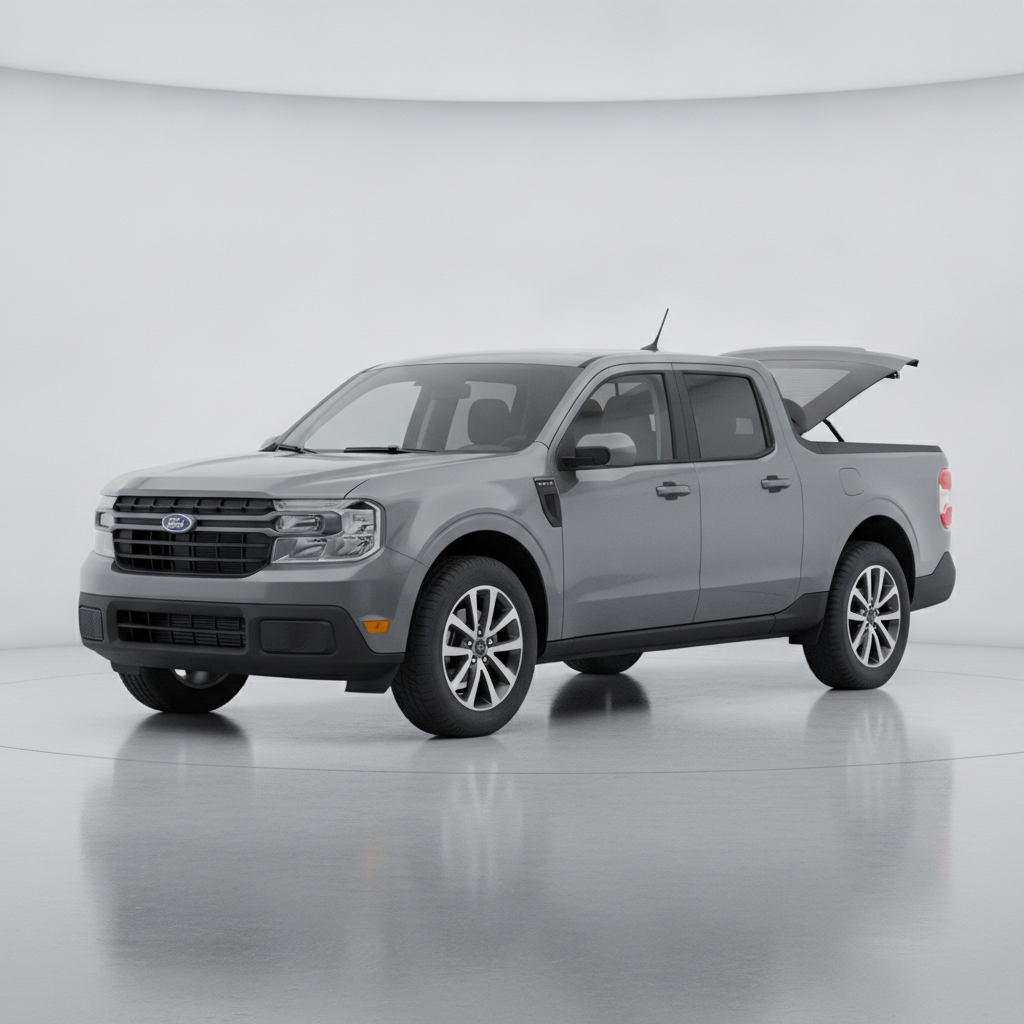
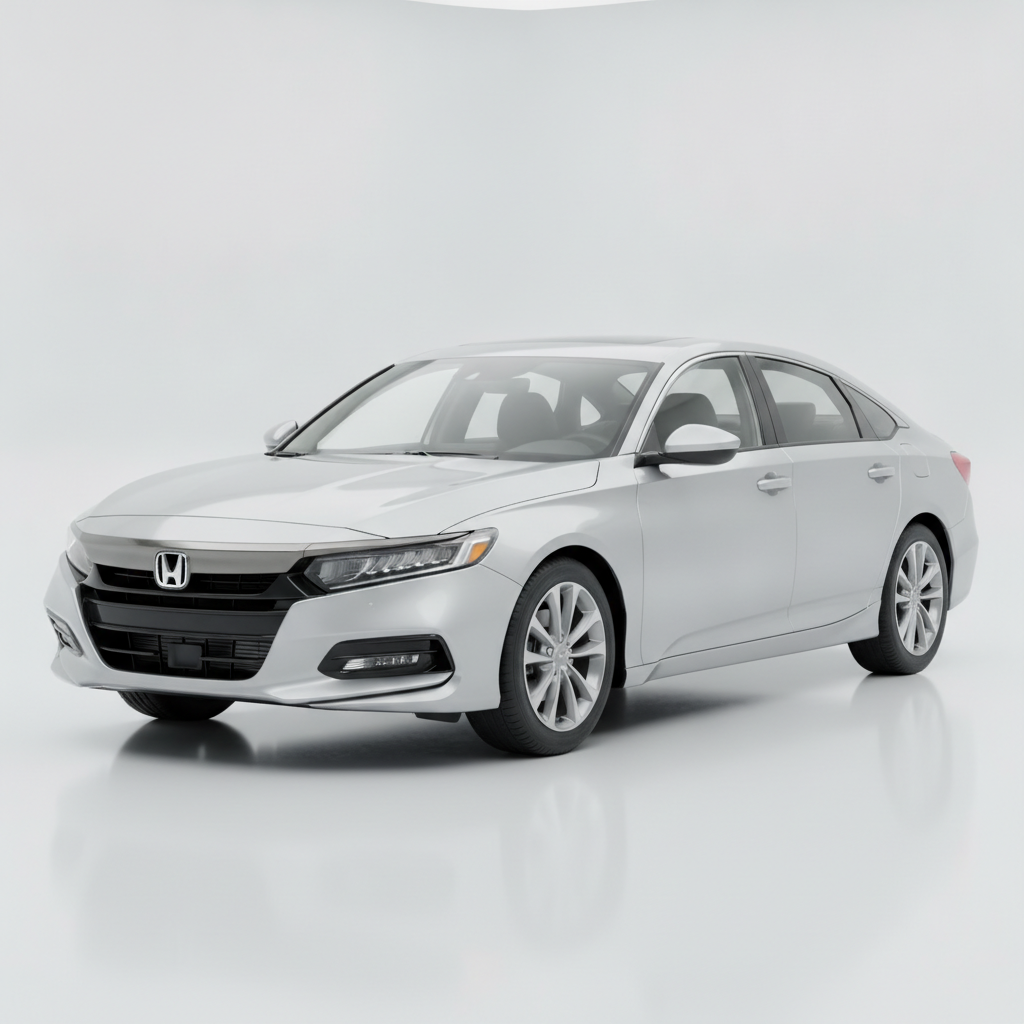
In this environment, domestic content and fuel efficiency become the two most practical purchase filters. Recent analysis of the mid-year gas price increase concluded it would have only a mild effect on used-car pricing — meaning fuel efficiency is still a quiet advantage that compounds steadily over a five-year ownership period rather than a dramatic market-mover. The [Ford Maverick](/ford-maverick) at $28,500 in hybrid trim — returning 38 MPG combined — makes a strong case on both counts. Its Mexico assembly creates some theoretical tariff exposure in a USMCA-uncertain world, but at that price point there is real financial buffer even if costs shift marginally. The [Honda Accord](/honda-accord) Hybrid, at $28,990 and returning 48 MPG combined, is assembled in Marysville, Ohio, giving it maximum domestic-content insulation from the current trade regime. Add the [Subaru Outback](/subaru-outback) at $29,010 — standard AWD, 29 MPG combined, built in Lafayette, Indiana — and you have three vehicles under $30,000 that sidestep the tariff problem entirely while keeping monthly fuel and financing costs at manageable levels.
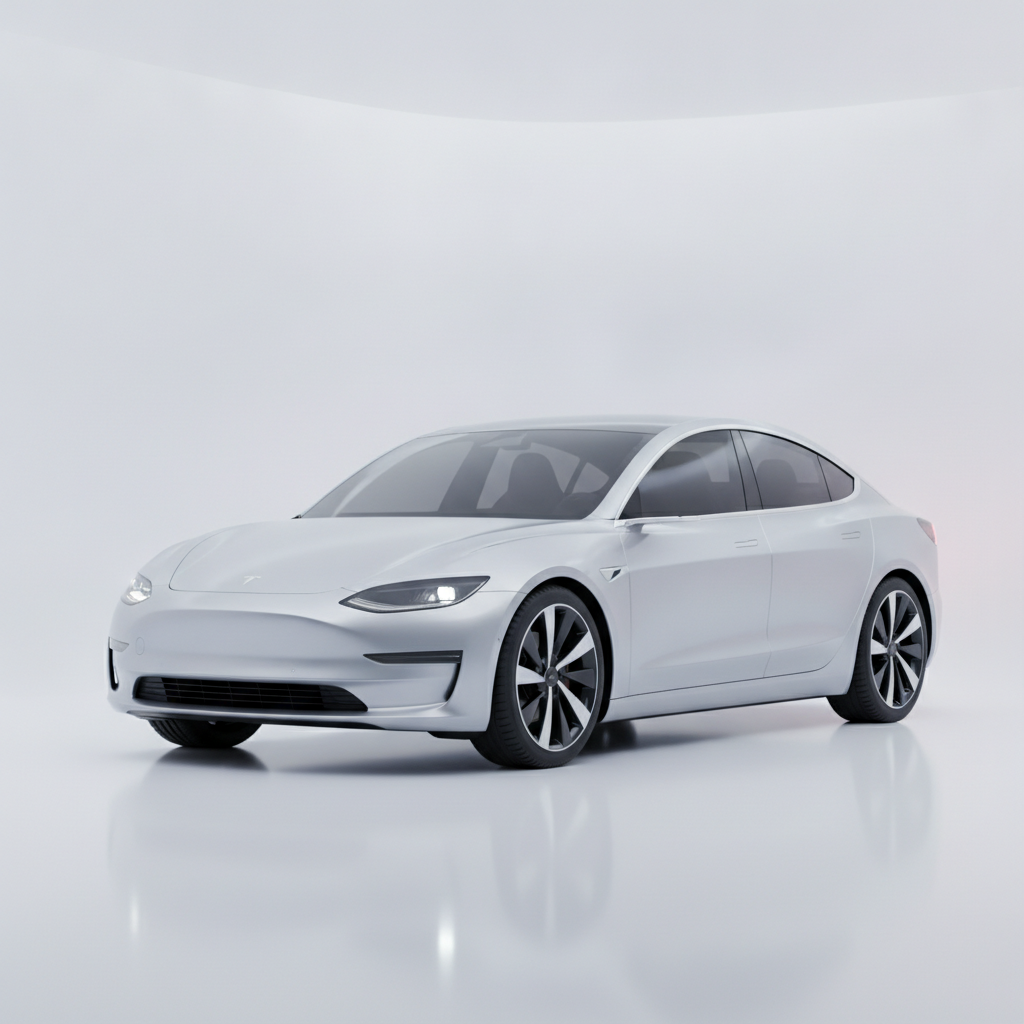
For buyers ready to move into the low-$40K range, the [Tesla Model 3](/tesla-model-3) at $42,490 offers a structurally different kind of resilience. At 132 MPGe, it eliminates fuel cost volatility at a moment when Iran-related market disruptions have reminded investors just how quickly oil prices can spike on geopolitical news. Tesla vehicles are assembled domestically, so import tariff exposure is zero. The tradeoffs are home charging infrastructure and ongoing uncertainty around EV incentive policy — but for buyers who already have a charging setup, the total cost-of-ownership math is genuinely compelling. For those who need a new SUV and want to stay domestic and affordable, the [Chevrolet Equinox](/chevrolet-equinox) at $29,995 with 28 MPG combined represents one of the last broadly available new SUVs under $30,000, assembled domestically with straightforward financing through GM's captive lender.
The practical playbook for the second half of 2026 is to prioritize domestic assembly, meaningful fuel efficiency, and price points that leave room for the insurance and interest-rate headwinds that haven't resolved yet. Imported luxury sedans and premium European crossovers remain aspirational, but their total ownership cost — tariff-inflated purchase price, premium insurance, and financing at 7% or above — is harder to justify right now than at almost any point in recent memory. If you find a rate below 7.5%, lock it in. Focus on vehicles built on U.S. soil and priced with enough margin that a modest future shock doesn't upend your monthly budget. The Maverick, Accord Hybrid, Model 3, Outback, and Equinox are not compromises — in July 2026, they are the rational calls.