Geopolitical Heat, Rising Rates: 5 Car Buys for July 2026
As oil prices spike on Iran tensions and the Fed signals possible rate hikes, the average new car near $50,000 has never demanded a smarter buying strategy.
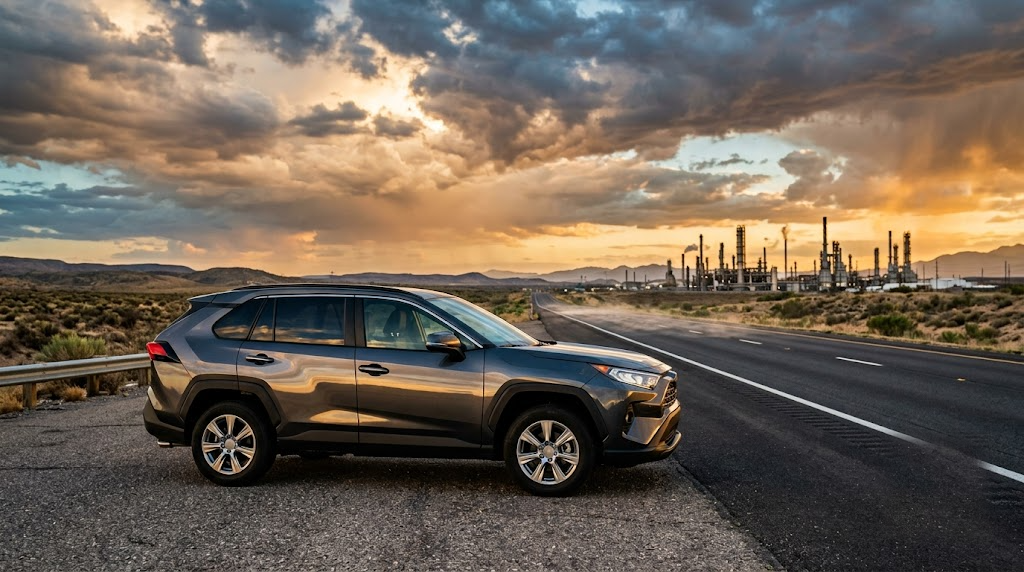
US equity markets took a sharp hit in early July 2026 after American military action against Iran's nuclear program drove crude oil prices higher and reignited fears of a broader Middle East conflict. That geopolitical shock landed on an economy already stretched thin: Federal Reserve officials, watching persistently elevated inflation, have left the door open to another rate hike before year-end. The same week, industry data confirmed that the average new vehicle in America now sits close to $50,000 — a threshold that was once the territory of premium brands alone. Meanwhile, the U.S. auto industry is separately absorbing the aftershocks of USMCA uncertainty, with the trade framework's future still unresolved heading into the second half of the year and tariffs continuing to press hard on cross-border supply chains.
These forces are not abstract for car shoppers. When oil prices surge, the real-world cost of owning a fuel-hungry vehicle climbs with them — a truck or SUV returning 18 MPG becomes meaningfully more expensive to operate if regular gasoline moves toward $4.50 or higher per gallon. At the same time, any Fed rate increase gets passed to consumers almost immediately through auto loan rates: a half-point rise adds roughly $20–$30 per month on a $45,000 vehicle financed over 60 months. With comprehensive insurance premiums also running well above historical norms, the monthly total cost of ownership has quietly become a more important number than the sticker price alone. The real question in July 2026 is not just why cars cost so much — it is how to manage every dollar of cost after you drive off the lot.
Tariffs add another pressure point, particularly for European-built luxury models. Vehicles assembled outside the USMCA zone face elevated import duties, and with the framework's renewal still uncertain, future tariff levels remain murky. For buyers eyeing German nameplates, that uncertainty is already embedded in the price: the [BMW 3 Series](/cars/bmw-3-series) starts at around $45,950, the [Audi A4](/cars/audi-a4) at $42,000, and the [Mercedes-Benz C-Class](/cars/mercedes-benz-c-class) at $47,900 — all with limited room for dealer negotiation because automakers have largely passed tariff costs forward. The [Audi Q5](/cars/audi-q5) (from $45,000) and [BMW X5](/cars/bmw-x5) (from $66,200) sit in the same position. These remain excellent vehicles, but buyers should go in clear-eyed about the tariff premium baked into their sticker and the risk that future model years carry it even higher.
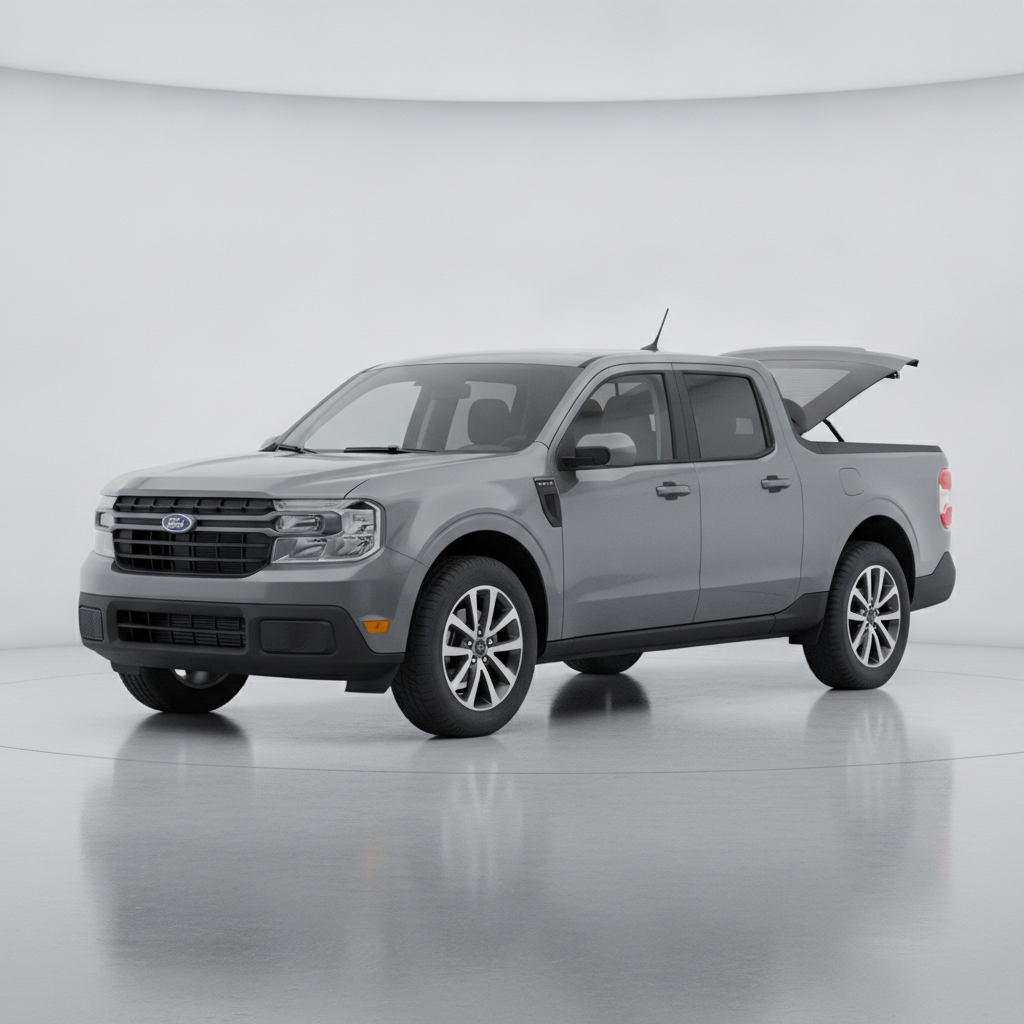
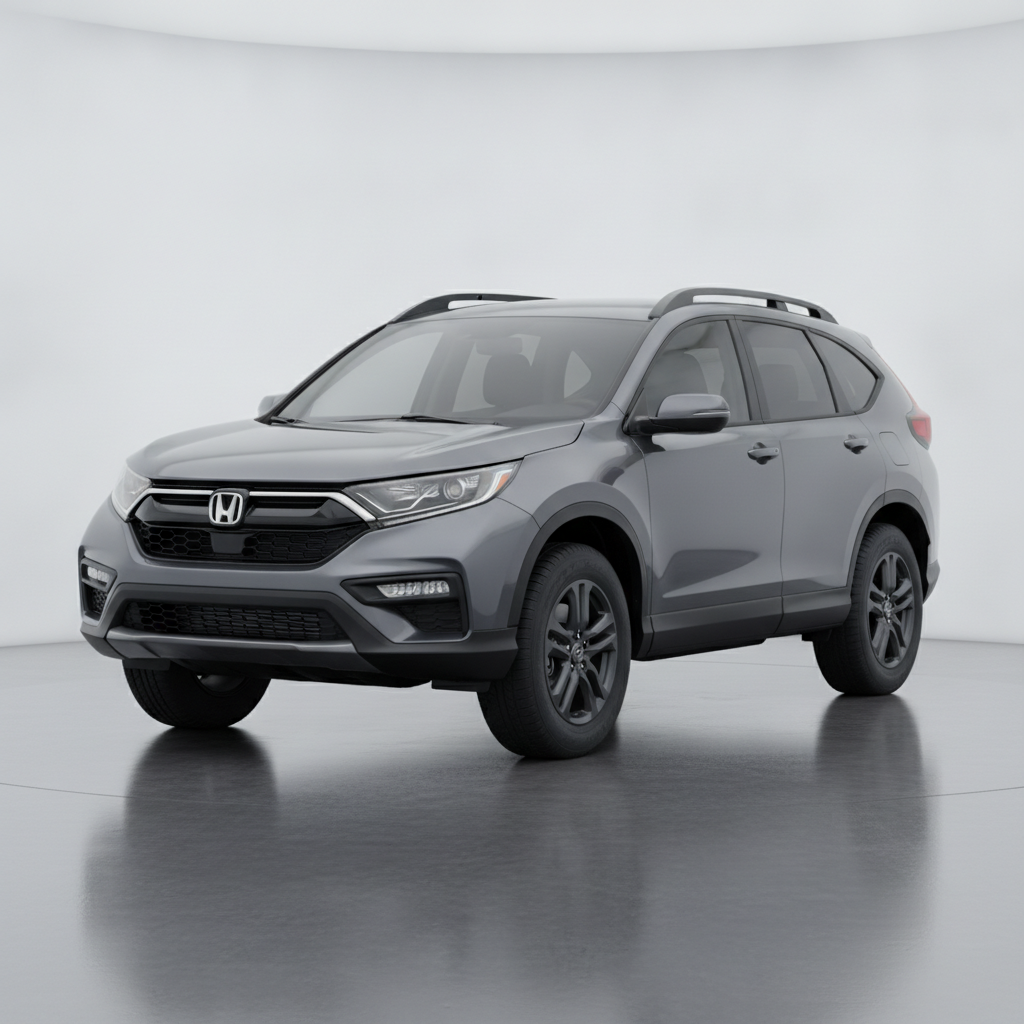
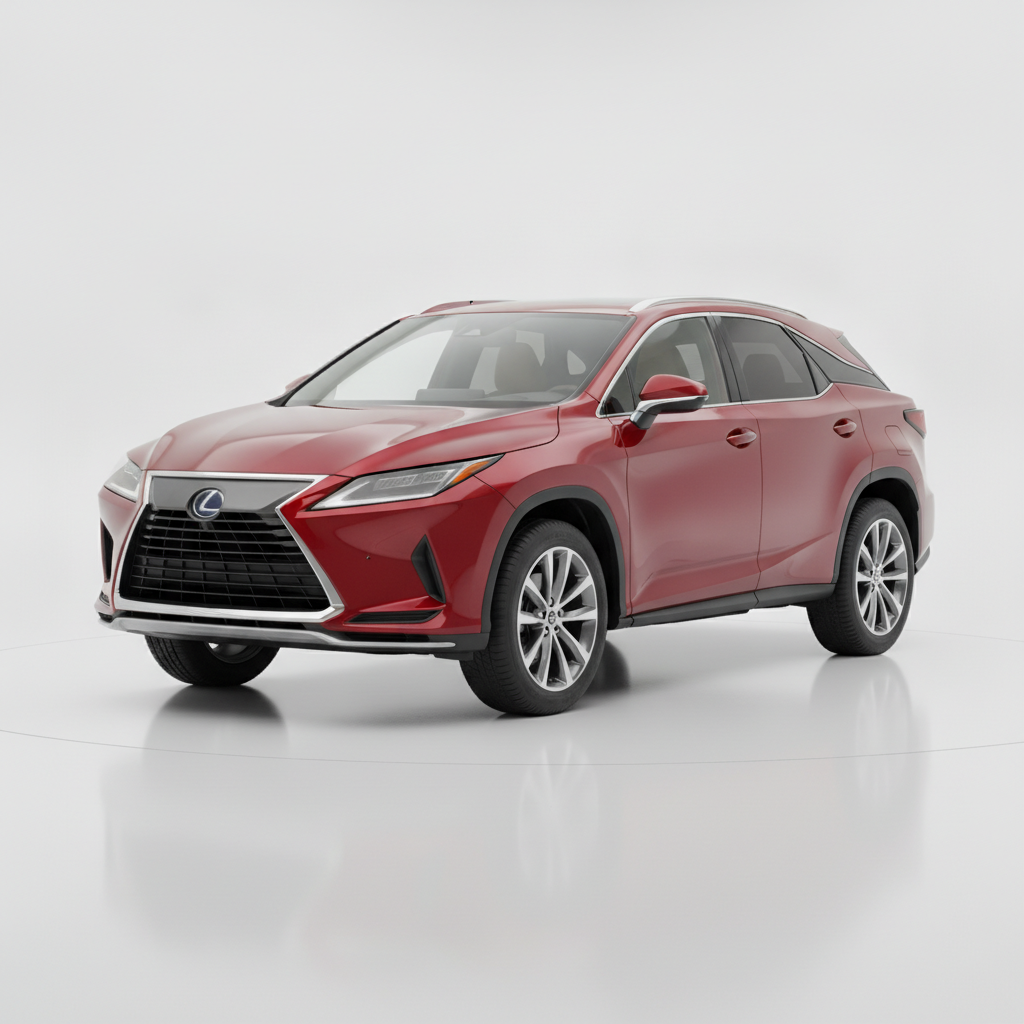
The smarter buys right now combine domestic assembly, strong fuel efficiency, or ideally both. The [Ford Maverick](/cars/ford-maverick) hybrid (from $28,500, 38 MPG combined) is the standout value proposition of 2026 — a compact pickup that hedges directly against fuel-price volatility while keeping the monthly payment well below the national average. For families needing a proper SUV, the [Honda CR-V](/cars/honda-cr-v) (from $30,100, 30 MPG combined on the gas trim) and the [Ford Escape](/cars/ford-escape) hybrid (from $30,990, 37 MPG combined) deliver real efficiency without crossing the $35,000 line. Stepping up in budget, the [Lexus RX](/cars/lexus-rx) hybrid (from $50,000, 36 MPG combined) pairs refinement with fuel economy and benefits from a domestic production footprint that limits tariff exposure relative to European rivals. The [Honda Accord](/cars/honda-accord) hybrid (from $28,990, 48 MPG combined) rounds out the value end with best-in-class efficiency for a midsize sedan at a price that still feels almost reasonable in 2026.
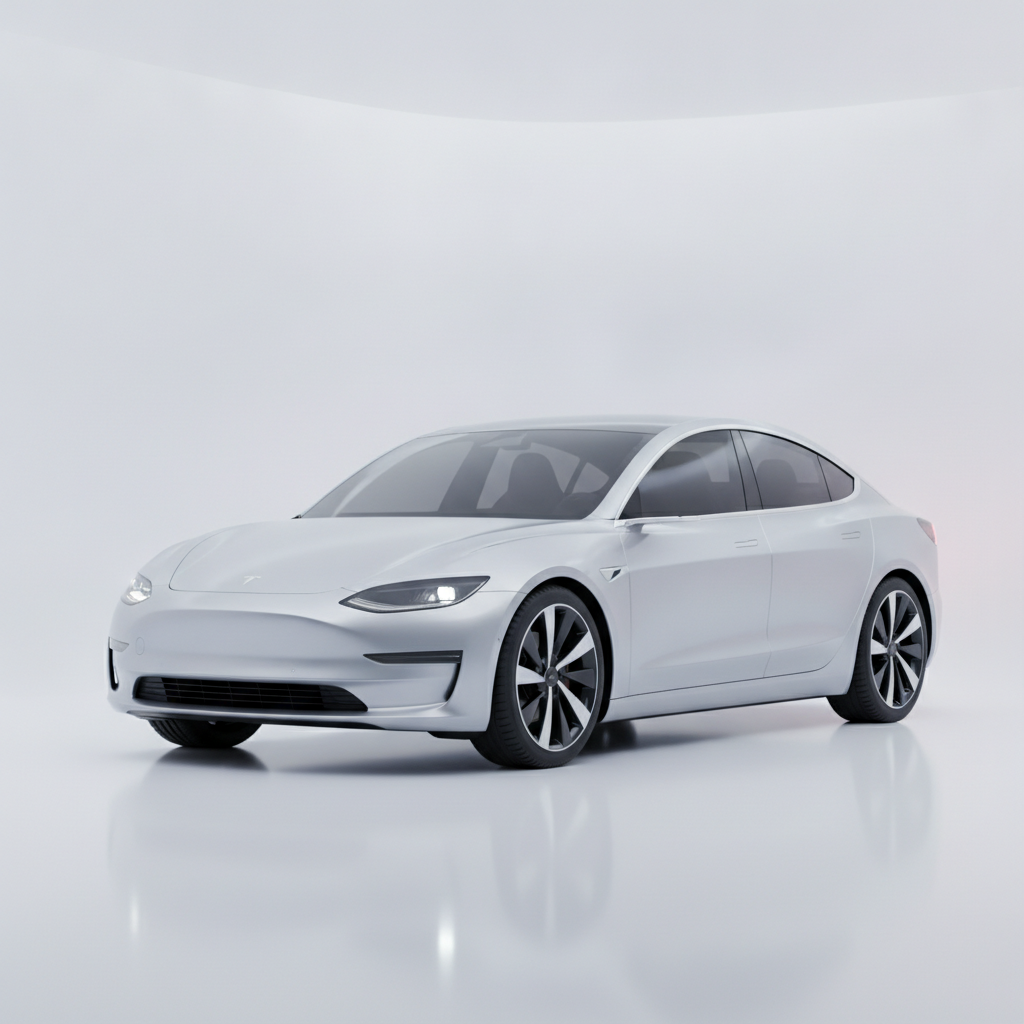
A handful of vehicles deserve a pause rather than a rush. The [Chevrolet Tahoe](/cars/chevrolet-tahoe) (from $58,200, 18 MPG combined) and the [Cadillac Escalade](/cars/cadillac-escalade) (from $87,000, approximately 16.5 MPG) carry dual exposure right now: high financing costs and acute fuel-price sensitivity. Neither is a poor vehicle in isolation, but the case for buying one today versus waiting for lease incentives in a less uncertain rate environment is genuinely hard to make. The [Tesla Cybertruck](/cars/tesla-cybertruck) (from $69,990, 66 MPGe) avoids fuel costs entirely, yet at nearly $70,000 it is highly rate-sensitive, and inventory has normalized enough that some trims have seen quiet price adjustments — a sign that patience may be rewarded. The [Tesla Model 3](/cars/tesla-model-3) (from $42,490, 132 MPGe) is the EV exception: at a price point where the math actually works for many buyers, it severs the link between crude oil swings and your daily driving cost, which in a geopolitically volatile summer is a genuinely compelling argument.
The buyer takeaway for July 2026 is to use total cost of ownership — not sticker price — as your decisive number. Build your payment estimate on today's interest rates, not the ones you are hoping for, because the macro picture argues more for rates holding flat or rising than falling before year-end. Favor domestically assembled vehicles where possible, since tariff exposure is the least controllable variable in the current environment. And with oil prices subject to geopolitical headlines on a near-daily basis this summer, fuel economy deserves more weight in your decision than it did two years ago. The [Subaru Outback](/cars/subaru-outback) (from $29,010, 29 MPG combined) is a quiet overachiever in this environment — standard all-wheel drive, sensible pricing, and a resale track record that punches above its modest sticker. When markets are this unsettled, boring and practical is a perfectly valid car-buying philosophy.