Cooling Inflation, Escalating Trade Risk: 5 Cars to Buy Now
A cooler-than-expected June inflation report offers a sliver of relief, but three converging tariff actions are quietly reshaping which cars deliver real value in July 2026.

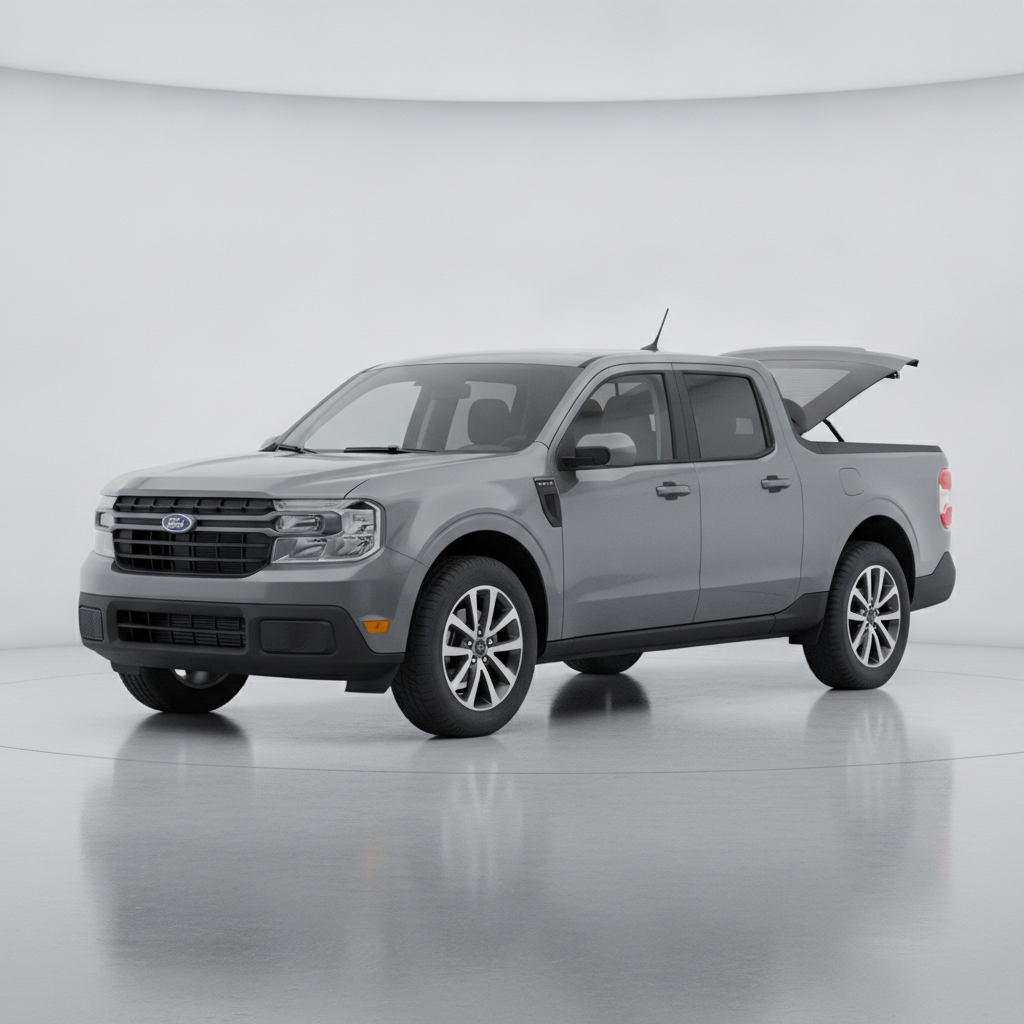
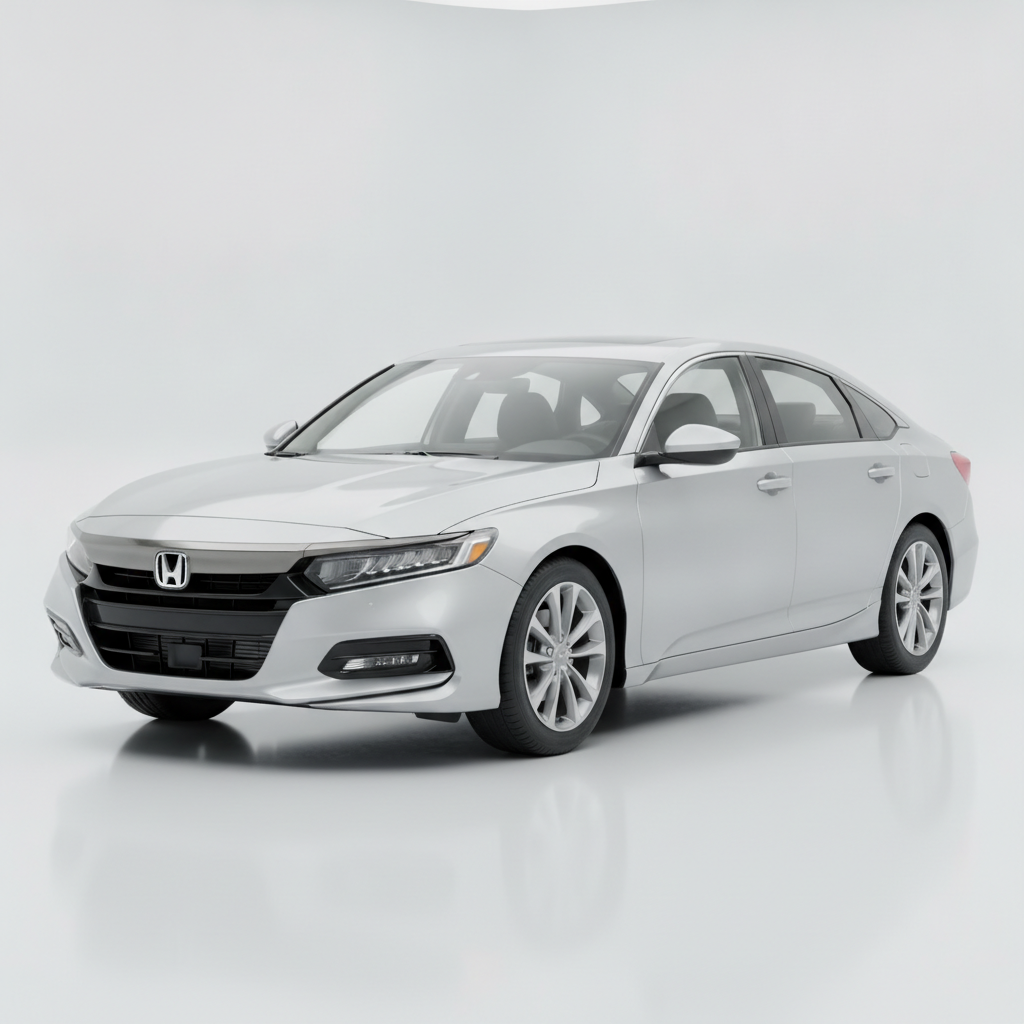
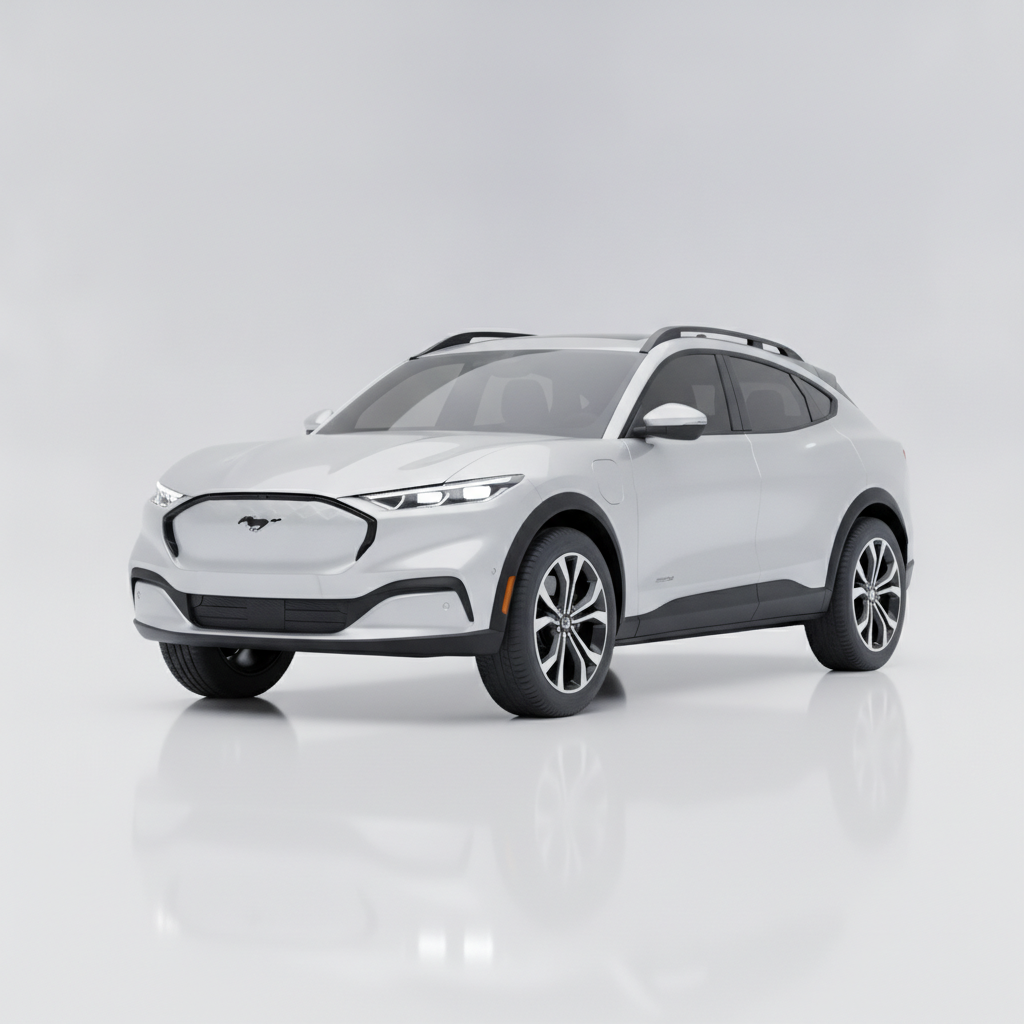
A surprisingly cool June inflation report, released July 14, offered American car shoppers a moment of optimism: gas costs fell and underlying price pressures eased more than most economists had forecast. But that relief is immediately complicated by a separate storm gathering on the trade front. As of mid-July 2026, automotive trade risks have reached a genuine convergence point, the USMCA framework review, active Section 232 tariffs on steel and aluminum, and a fresh wave of antidumping and countervailing duty actions are all running simultaneously. Meanwhile, US stock markets remain unsettled following geopolitical shocks from the Middle East, and a full year into the tariff era, automakers have shown remarkably little appetite to shift production back to US soil. For car buyers, the question is no longer whether tariffs affect sticker prices, it is which vehicles carry the most exposure and how to build a shortlist around it. The sharpest risk lands on vehicles assembled primarily outside North America. European-assembled luxury models face the most direct hit from Section 232 tariffs, and the ongoing USMCA review adds further uncertainty for supply chains that cross the US-Mexico border. After a year of these pressures, one pattern is unmistakable: automakers have largely passed tariff costs on to consumers rather than retooling factories. The Audi A4 (from $42,000, 27 MPG combined) and BMW 3 Series (from $45,950, 30 MPG combined), both assembled primarily in Germany, carry an embedded tariff premium that is not fading anytime soon. The Mercedes-Benz C-Class (from $47,900) faces the same import cost arithmetic. Buyers drawn to these models should expect sticker prices to hold firm or drift higher, some negotiating room exists where demand has softened, but it is modest at best. The smarter path in this environment runs through domestically assembled vehicles with established North American supply chains. The Honda Accord (from $28,990), built at Honda's Marysville, Ohio plant, stands out as a benchmark value: the hybrid variant delivers an estimated 48 MPG combined at a starting price well under $30,000, and its US assembly roots mean buyers are not paying a hidden import-duty surcharge. The Ford Maverick hybrid (from $28,500, 38 MPG combined) is equally compelling, as one of the last sub-$30K trucks left in the market, it offers USMCA supply chain credentials alongside exceptional fuel economy that benefits directly from June's gas price decline. Both models function as a double hedge against tariff risk and pump price volatility simultaneously, which is a combination that is genuinely hard to replicate at this price tier. The electric vehicle segment is sending its own signal worth reading carefully. After a stretch of sharp sales declines earlier in 2026, EV sales stabilized in Q2 as new model entries broadened buyer choice and eased inventory pressure across the segment. That stabilization matters for a practical reason: the Tesla Model Y (from $44,990, 123 MPGe), built at Gigafactory Texas, is entirely insulated from import tariffs and benefits from both declining electricity costs and a deepening national charging network. The Ford Mustang Mach-E (from $37,000, 98 MPGe), produced under USMCA rules, offers an accessible entry into EVs with a recognizable nameplate. Q2 stabilization means buyers stepping in now are not entering a freefall, the steep depreciation curve that spooked early-2026 shoppers has meaningfully flattened, and the calculus on total cost of ownership looks more favorable than at any point in the past twelve months. For buyers who need practicality first and macroeconomics second, a handful of domestic workhorses deliver solid value with minimal tariff exposure. The Chevrolet Colorado (from $31,000, 20 MPG) is a midsize truck with a strong domestic assembly footprint and manageable running costs. The Chevrolet Equinox (from $29,995, 28 MPG combined) remains the most affordable domestically-oriented crossover SUV available today, a compelling default for buyers who want utility without import cost risk baked silently into the sticker. And the Ford F-150 (from $38,810), with its available hybrid powertrain and deep US manufacturing history, continues to anchor the full-size truck segment with ownership economics that hold up whether fuel prices rise or fall. The practical playbook for July 2026 is this: let tariff geography lead your shortlist before brand loyalty does. If your wishlist includes European-assembled models, softer consumer demand gives you real negotiating leverage, use it, but go in knowing price relief has a ceiling. If you are open to a domestic or USMCA-assembled alternative, the value gap has widened meaningfully in your favor over the past twelve months. With inflation cooling, dramatic rate hikes look less likely in the near term, but a sharp Fed cut is equally unlikely, financing costs will probably hold steady, so locking in an attractive rate now beats waiting for a break that may not materialize before year-end. And if you are EV-curious, the Q2 market stabilization is your clearest signal yet: US-assembled options like the Tesla Model Y and Ford Mustang Mach-E combine tariff immunity with lower running costs and a segment that has stopped falling, making the timing about as favorable as it has been all year.