Chinese Car Surge & Rate Hike: 5 Smart Fall 2026 Buys
The Federal Reserve just raised rates again and Hyundai's CEO is sounding the alarm about Chinese vehicles, here is exactly what both mean for your next car purchase.
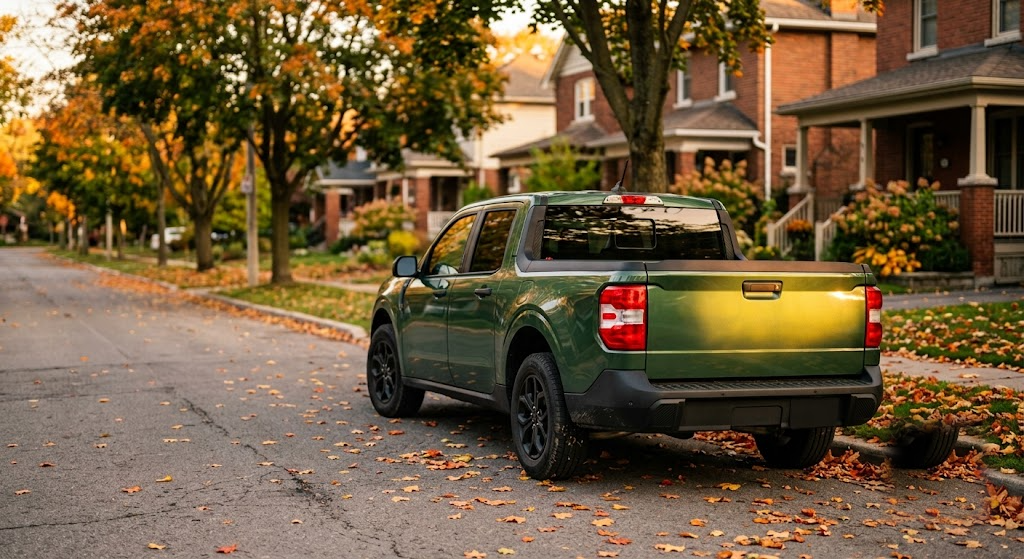
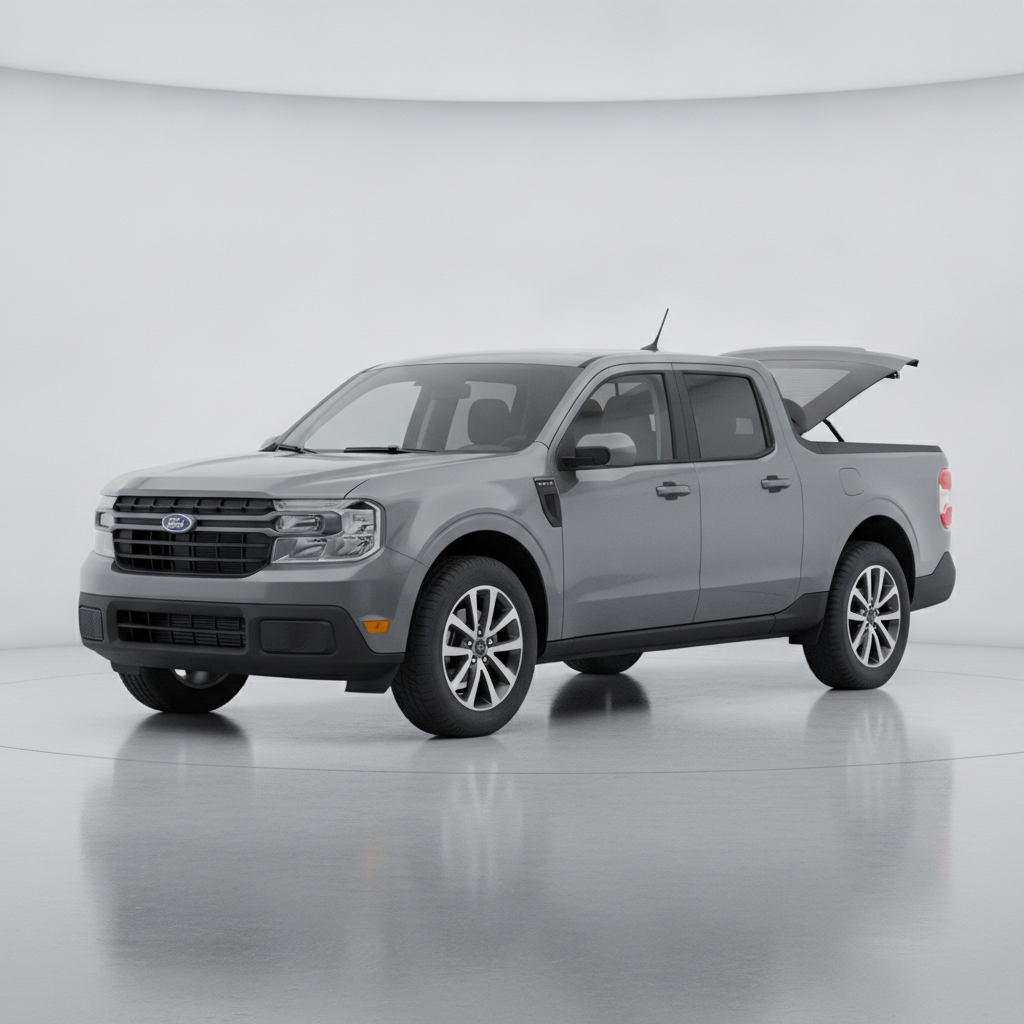
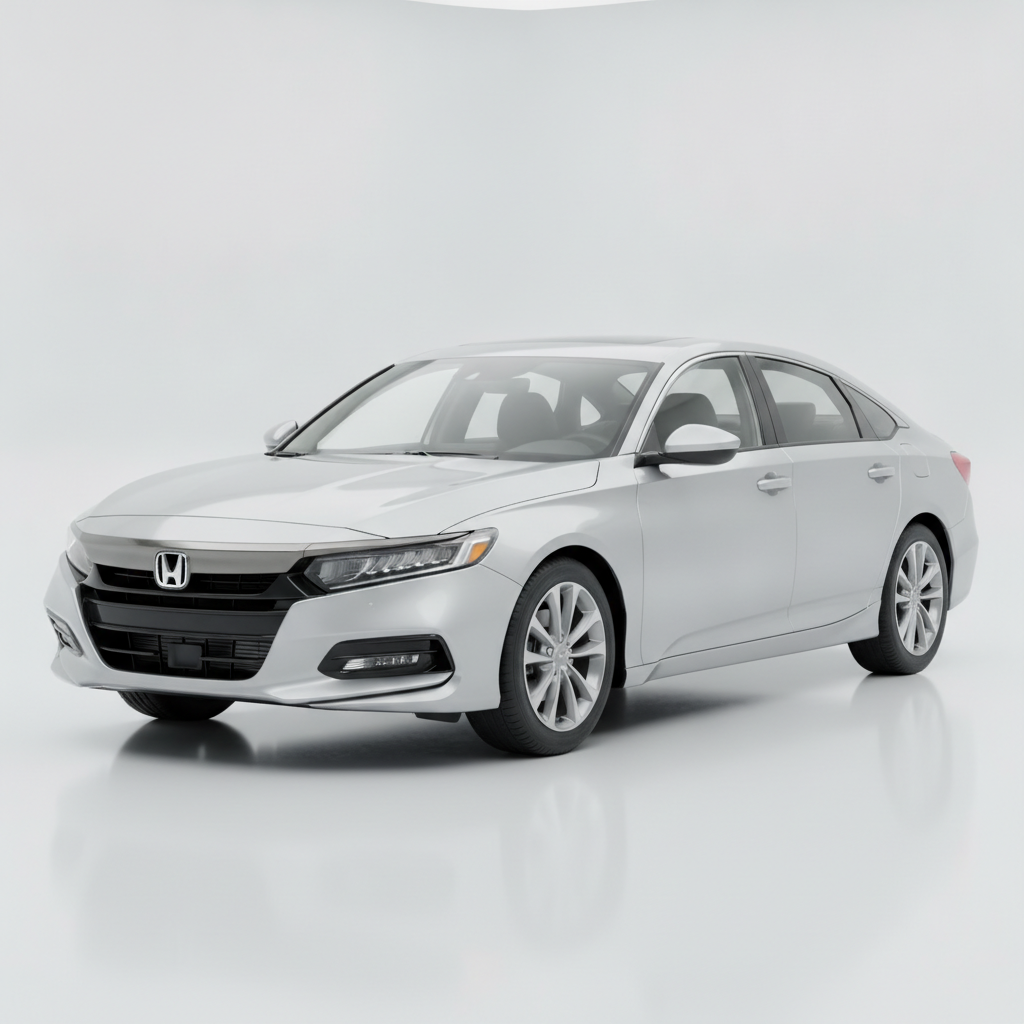
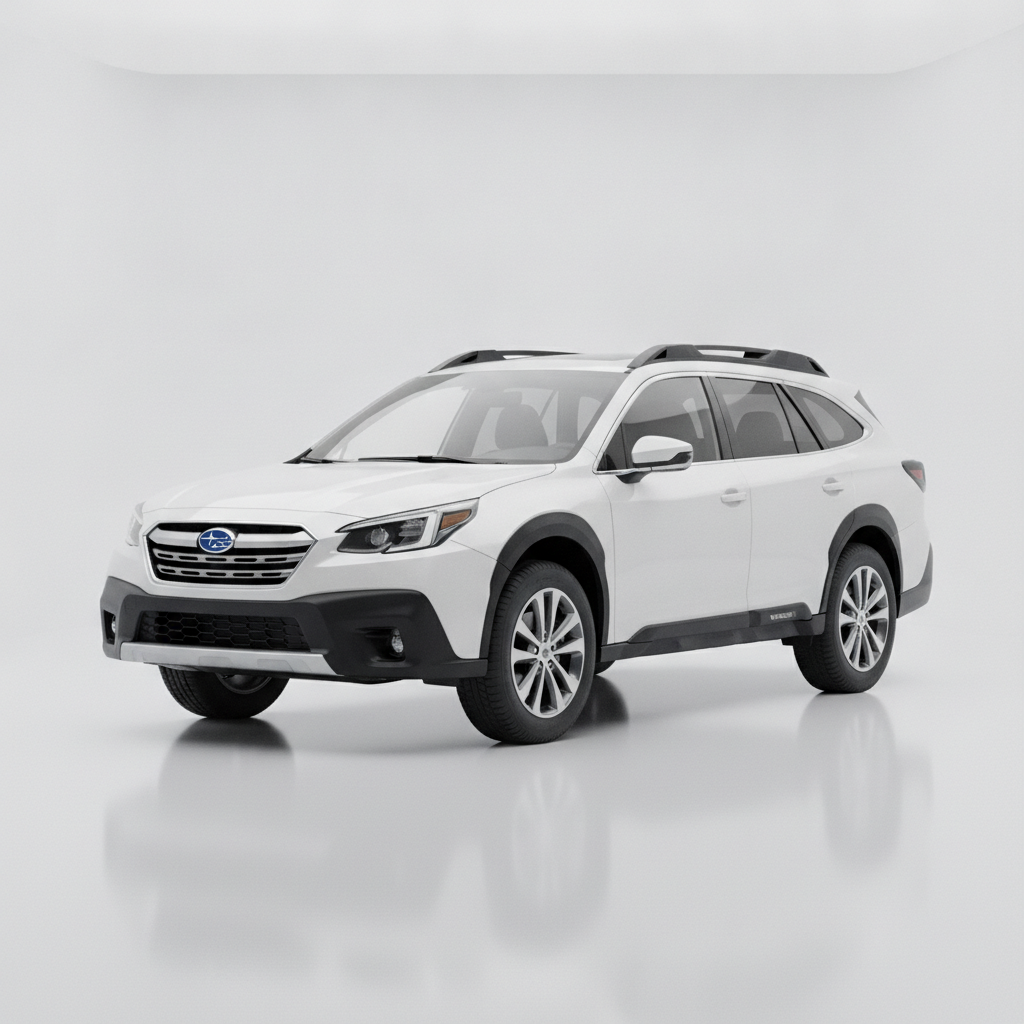
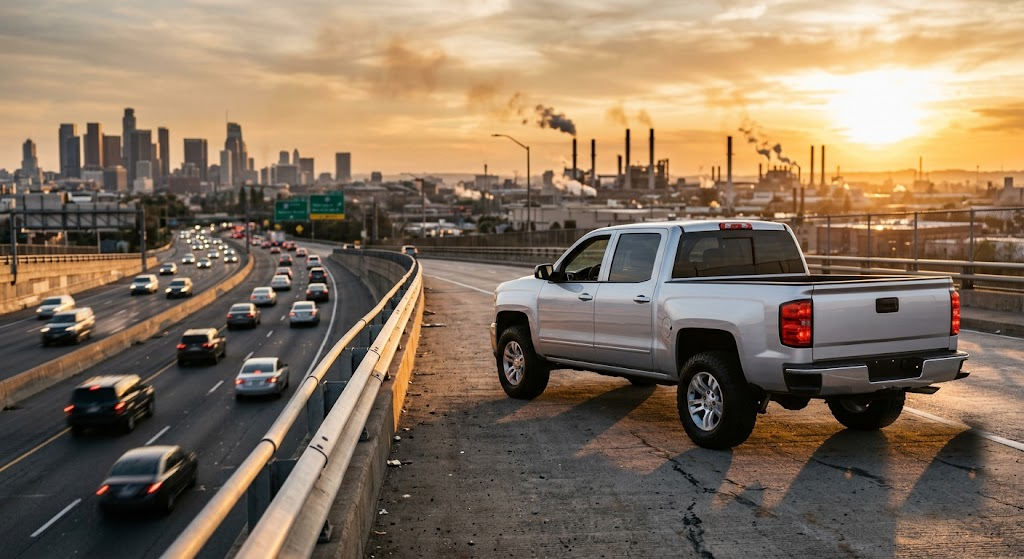
The Federal Reserve raised interest rates again in mid-September 2026, signaling that further hikes may still be on the table, a move that sent U.S. stocks lower and renewed anxiety among anyone planning a major purchase. Simultaneously, Hyundai's CEO issued a public warning that without policy guardrails, a wave of Chinese-manufactured vehicles could fundamentally reshape the U.S. auto market before domestic brands are prepared to respond. Layer on the ongoing U.S.-Canada trade dispute that is squeezing auto-parts suppliers on both sides of the border, and the continued weight of Section 232 tariffs on imported steel and aluminum, and fall 2026 is operating under a pressure system unlike anything car buyers have faced in several years. The question is not whether the market is turbulent, it clearly is, but how to navigate it without overpaying or locking yourself into a bad deal. Higher borrowing costs hit car buyers directly and immediately. With the Fed funds rate elevated and the central bank hinting that additional hikes remain possible, the average new-car loan rate has climbed into territory that meaningfully changes the monthly payment math. On a $45,000 vehicle financed over 60 months, the difference between a 5.5% and an 8% rate adds roughly $60-75 per month, and over the full loan term that gap represents several thousand dollars in additional interest. The Fed's own language suggests rates are more likely to rise than fall in the near term, which means buyers who wait in hopes of cheaper financing may be disappointed. Getting pre-approved now, before any additional hike lands, is one of the most concrete steps a shopper can take to protect their budget. The U.S.-Canada trade dispute has introduced real friction into North American parts supply chains. Many assembly plants on both sides of the border depend on cross-border components, and rising tariff costs on those parts are beginning to filter through to sticker prices, particularly on trucks and larger SUVs with more complex bills of materials. Section 232 tariffs on imported steel and aluminum apply similar upward pressure on build costs for any vehicle with a heavy steel frame or body structure. The Ford F-150 (from $38,810, 20 MPG combined) and Chevrolet Silverado (from $37,000, 21 MPG) remain category leaders and strong long-term values, but buyers should expect dealer premiums to hold firm as supply margins tighten. If you are in the market for a full-sizer, negotiating room is slimmer than it was 12 months ago. Hyundai's CEO warning about Chinese vehicles entering the U.S. at scale carries a specific implication for resale value: if low-cost Chinese EVs do arrive in volume, comparably priced vehicles without strong brand equity or established U.S. service networks could see accelerated depreciation. That argues for choosing models with proven ownership ecosystems and domestic manufacturing footprints. The Genesis GV70 (from $49,350, 24 MPG, assembled in Georgia) and the Tesla Model Y (from $44,990, 123 MPGe, built in Texas and Nevada) sit in a segment where U.S. assembly provides some insulation from import-cost volatility. The Tesla Model 3 (from $42,490, 132 MPGe) pairs domestic production with per-mile energy costs low enough to partially offset the sting of elevated loan rates, roughly 3-4 cents per mile on home charging versus 12-14 cents per mile on gasoline at current prices. For buyers who need to move this fall, the value math points firmly toward fuel-efficient, domestically assembled vehicles in the $28,000, $35,000 range. The Ford Maverick Hybrid (from $28,500) returns an estimated 38 MPG combined, among the strongest fuel economy figures in the entire pickup segment, and its compact dimensions keep insurance and registration costs lean. The Honda Accord Hybrid (from $28,990) delivers up to 48 MPG combined, a five-star safety record, and ownership costs that hold up even if the broader market softens. The Subaru Outback (from $29,010, 29 MPG combined) comes with standard all-wheel drive at a price still well below the national average transaction figure, making it one of the cleaner value propositions in the current environment. If your budget has a bit more room, the Chevrolet Colorado (from $31,000, 20 MPG) offers genuine domestic truck utility at a payment level most buyers can survive even at today's loan rates. The practical takeaway for fall 2026 is straightforward: act on domestically assembled, fuel-efficient models before the next rate move makes the financing math harder. Prioritize efficiency over raw power in a world where both gasoline prices and loan costs are elevated. Get pre-approved at your bank or credit union before visiting a dealership so you walk in knowing your ceiling. And lean toward models with established U.S. service networks, which will hold their footing better if the Chinese vehicle story develops over the next 12-24 months. The affordability window on well-equipped, sensibly priced cars has not closed, but it is narrowing with each Fed meeting.