USMCA Kicks Off July 1: What It Means for Your 2026 Car Purchase
With USMCA talks formally underway and the Fed keeping borrowing costs elevated, the car you buy in the second half of 2026, and where it was built, matters more than it has in years.
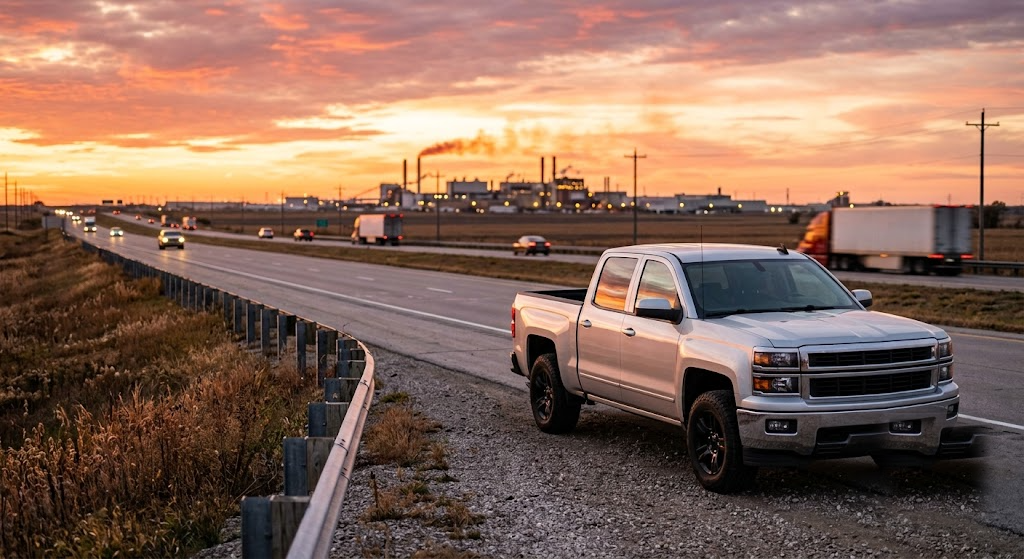
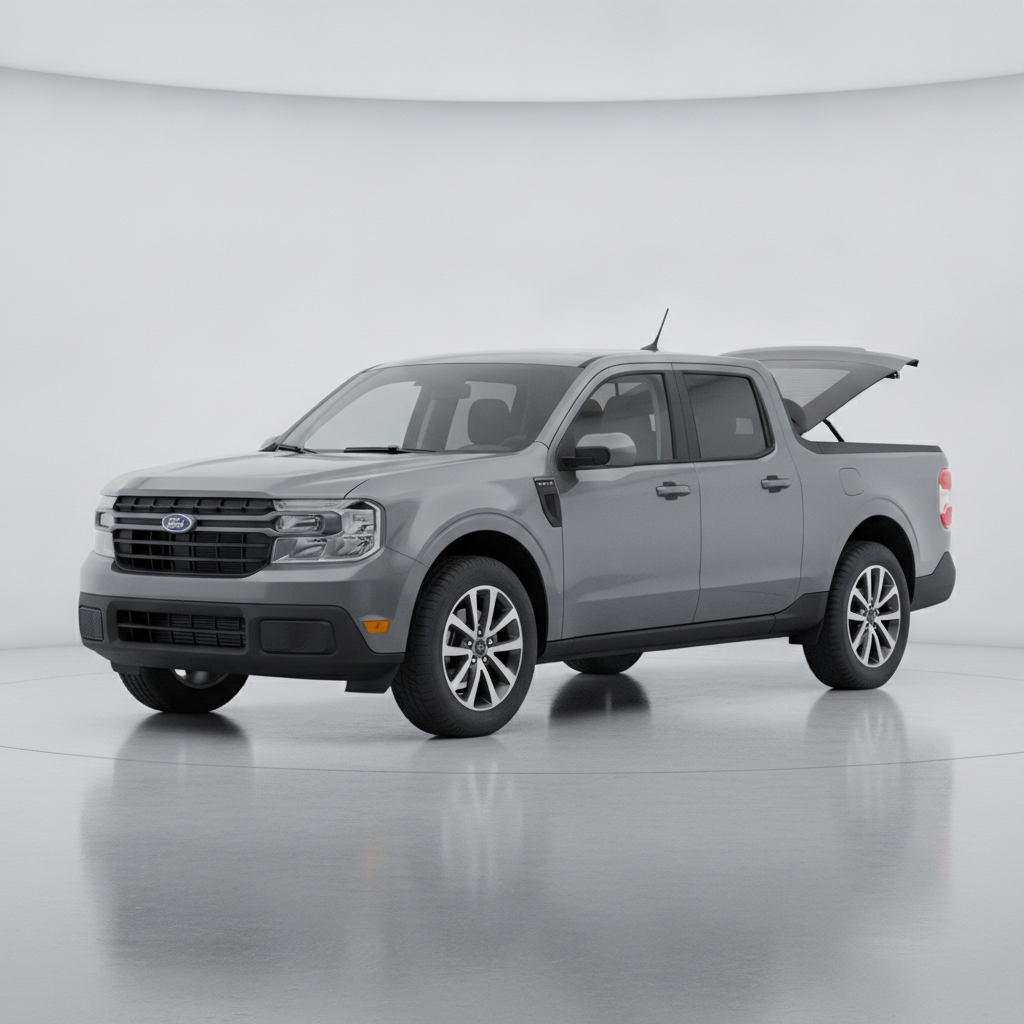
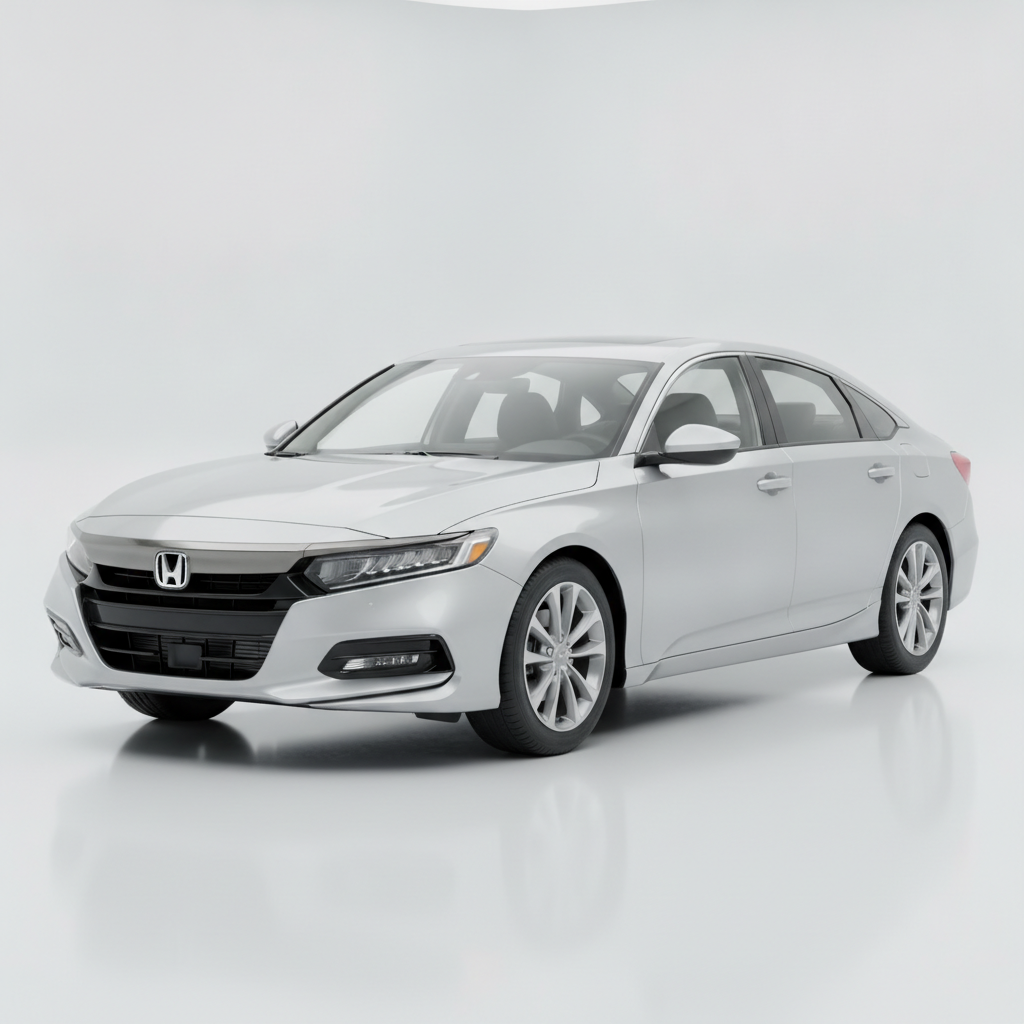
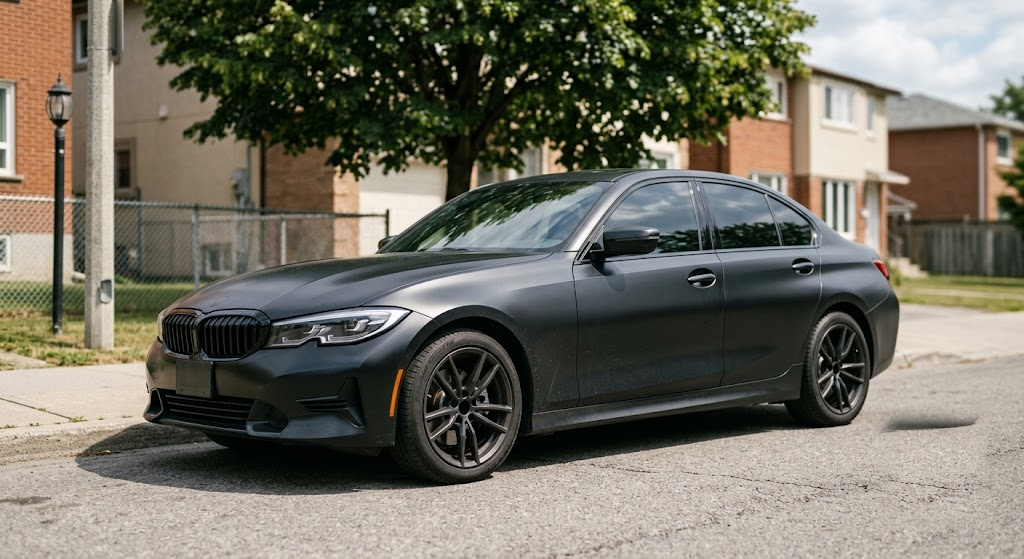
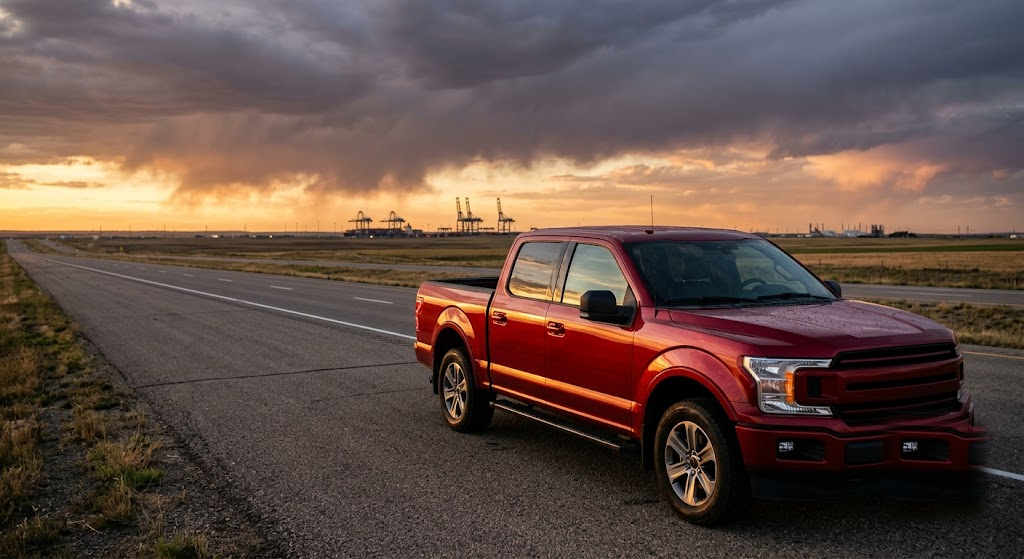
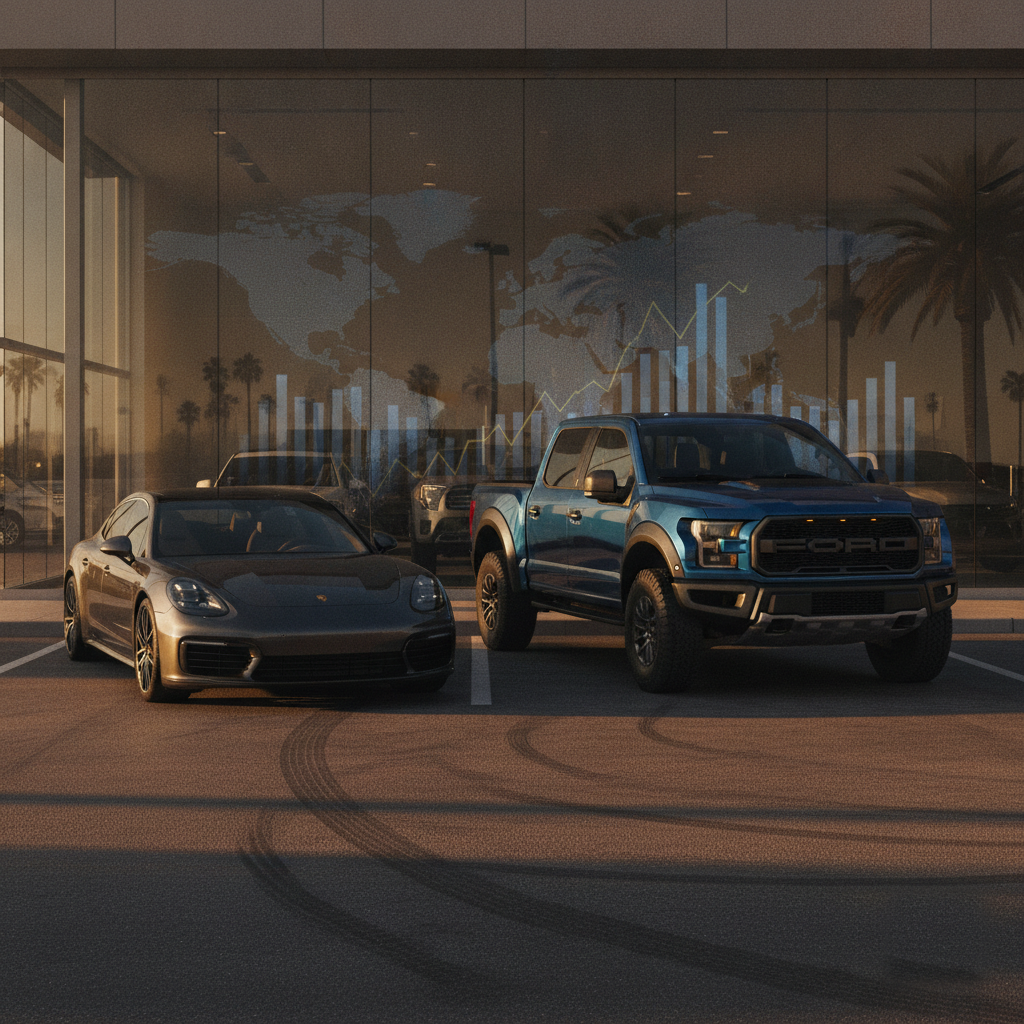
USMCA trade talks formally opened on July 1, 2026, with the Trump administration pushing for stricter North American auto-content requirements, a direct escalation of the trade friction that has left Canada increasingly on the losing side of the dispute over where vehicles get built. The backdrop is already difficult for buyers: analysts tracking the US auto market are flagging a lasting drop in car sales driven by a broad affordability crisis, while the Federal Reserve held its benchmark rate steady at its most recent meeting and left the door open to future hikes if inflation remains stubborn. For Americans shopping for a new vehicle in the second half of 2026, three forces, renegotiated supply-chain rules, persistently high borrowing costs, and softening consumer demand, are converging at exactly the wrong moment. The USMCA renegotiation is the piece of the puzzle most buyers are underestimating. The current agreement already requires that a substantial share of a vehicle's content originate in the US, Canada, or Mexico to qualify for duty-free trade between the three nations. The Trump administration's push for tighter thresholds would raise that bar further, squeezing automakers that rely heavily on Canadian or Mexican parts networks and assembly plants. Canada, which hosts critical production facilities for GM and Ford among others, has limited leverage in these talks, and the ripple effects could tighten inventory and firm up pricing on popular North American-assembled trucks and SUVs. Shoppers eyeing the [Chevrolet Silverado](/cars/chevrolet-silverado) (from $37,000, 21 MPG) or the [Ford F-150](/cars/ford-f-150) (from $38,810, 20 MPG combined) should watch for any mid-year pricing adjustments and consider locking in current sticker prices before new content rules crystallize into higher costs. European luxury imports face a separate but compounding set of pressures. EU-US tariff tensions remain unresolved, with no comprehensive trade deal in place as of mid-2026, and diplomatic friction between Brussels and Washington continues to create pricing uncertainty. Vehicles assembled in Germany, including the [BMW 3 Series](/cars/bmw-3-series) (from $45,950, 30 MPG combined), the [Audi A4](/cars/audi-a4) (from $42,000, 27 MPG combined), and the [Mercedes-Benz C-Class](/cars/mercedes-benz-c-class) (from $47,900, 28 MPG combined), already carry import duties baked into their sticker prices. If EU-US relations deteriorate further, those costs could climb. The same exposure applies to larger European SUVs: the [BMW X5](/cars/bmw-x5) (from $66,200) and the [Audi Q5](/cars/audi-q5) (from $45,000) both enter the US from European plants. For buyers with flexible timing, waiting to see whether EU-US talks produce any tariff relief before committing to a European import could be a worthwhile delay, and dealers on high-end imports may offer increasingly attractive incentives as sales volumes soften. Against that uncertainty, vehicles with strong North American assembly footprints and competitive price points stand out as the structurally safer bets right now. The [Ford Maverick](/cars/ford-maverick) (from $28,500, 38 MPG hybrid combined) is one of the most compelling vehicles in any tariff environment: its sub-$29K hybrid entry price and exceptional fuel economy insulate buyers from both financing-cost pain and fuel-price volatility. The [Subaru Outback](/cars/subaru-outback) (from $29,010, 29 MPG combined) and the [Honda CR-V](/cars/honda-cr-v) (from $30,100, 30 MPG combined) deliver similar everyday practicality at manageable sticker prices. On the electric side, the [Tesla Model Y](/cars/tesla-model-y) (from $44,990, 123 MPGe) is assembled in Austin, Texas, keeping it largely outside both European tariff exposure and most USMCA content disputes, though buyers should verify current federal EV tax credit eligibility before signing, as those rules have also shifted under the current administration. Financing costs are the quiet multiplier running through all of this. With the Fed signaling that rate cuts remain conditional on inflation data that has been sending mixed signals, some encouraging readings offset by lingering stickiness, auto loan rates are likely to stay in roughly the 7-8% range for most borrowers through late 2026. On a $45,000 loan at 7.5% over 60 months, monthly payments approach $900, and that math is already pricing buyers out of the market, as the declining national sales figures confirm. The most effective hedge is a combination of lower purchase price and strong fuel efficiency. The [Honda Accord Hybrid](/cars/honda-accord) (from $28,990, 48 MPG combined) and the [Honda Civic](/cars/honda-civic) (from $24,250, 36 MPG combined) are standouts on both dimensions: sticker prices low enough that current-rate financing stays manageable, and fuel economy strong enough to meaningfully cut the monthly cost of ownership well below what a more expensive vehicle would demand. The practical takeaway for buyers shopping this summer: act on North American-assembled vehicles you are already confident about, particularly if dealers in your market are showing flexibility on price, the affordability data suggests inventory is moving slowly enough that negotiation room exists. European imports may become better deals later in 2026 if tariff uncertainty pushes dealers to offer deeper discounts, but that outcome depends on trade negotiations that are genuinely hard to forecast. Prioritize total cost of ownership over sticker price alone: at today's loan rates, a vehicle that saves you $150 a month on combined fuel and finance charges is worth more than a marginal upgrade in trim or badge. Keep one eye on the USMCA negotiation calendar, if the administration finalizes stricter content rules before year-end, the price of your next truck or crossover may look meaningfully different than it does today.