Tariffs That Misfired: 5 Smart Car Buys for July 2026
The duties designed to shield American automakers are now working against them — and understanding that flip is the key to making a smart car purchase this July.
The auto tariff strategy of 2026 has produced a result few anticipated: the duties designed to give American carmakers a competitive edge are now working against them. Levies on imported steel, aluminum, and foreign-manufactured components have filtered through to production costs at plants across the Midwest and South that, despite final US assembly, rely on parts networks stretching deeply into Mexico and Canada. With USMCA renewal still unresolved as of July 1, the framework governing hundreds of billions of dollars in annual cross-border auto-parts trade remains in legal limbo — adding fresh cost uncertainty for every automaker operating in the region. Inflation has simultaneously climbed to a three-year high, fueling speculation that the Federal Reserve will raise benchmark interest rates before year-end. Record monthly payments and sharply higher insurance premiums are already straining household budgets. Buying a car in July 2026 requires more strategic thinking than at any point in recent memory.
The most direct tariff pain is landing on European luxury imports, where overseas assembly and elevated shipping costs have pushed sticker prices well above where the market would have absorbed them 18 months ago. The BMW 3 Series, assembled in Germany and starting around $45,950, now carries a meaningful import-duty premium baked into its landed cost. The Audi A4, from approximately $42,000 and also German-built, sits in a similarly awkward position at 27 MPG combined. The Mercedes-Benz C-Class, starting around $47,900, completes a trio of German sedans where buyers are effectively absorbing tariff cost in the transaction price. Dealer inventory on these lines has been tightening in some markets as importers recalibrate order volumes. If a European luxury sedan is the goal, patience is worth something right now — a buyer who waits for policy clarity may find meaningfully more room to negotiate as inventory builds later this year.
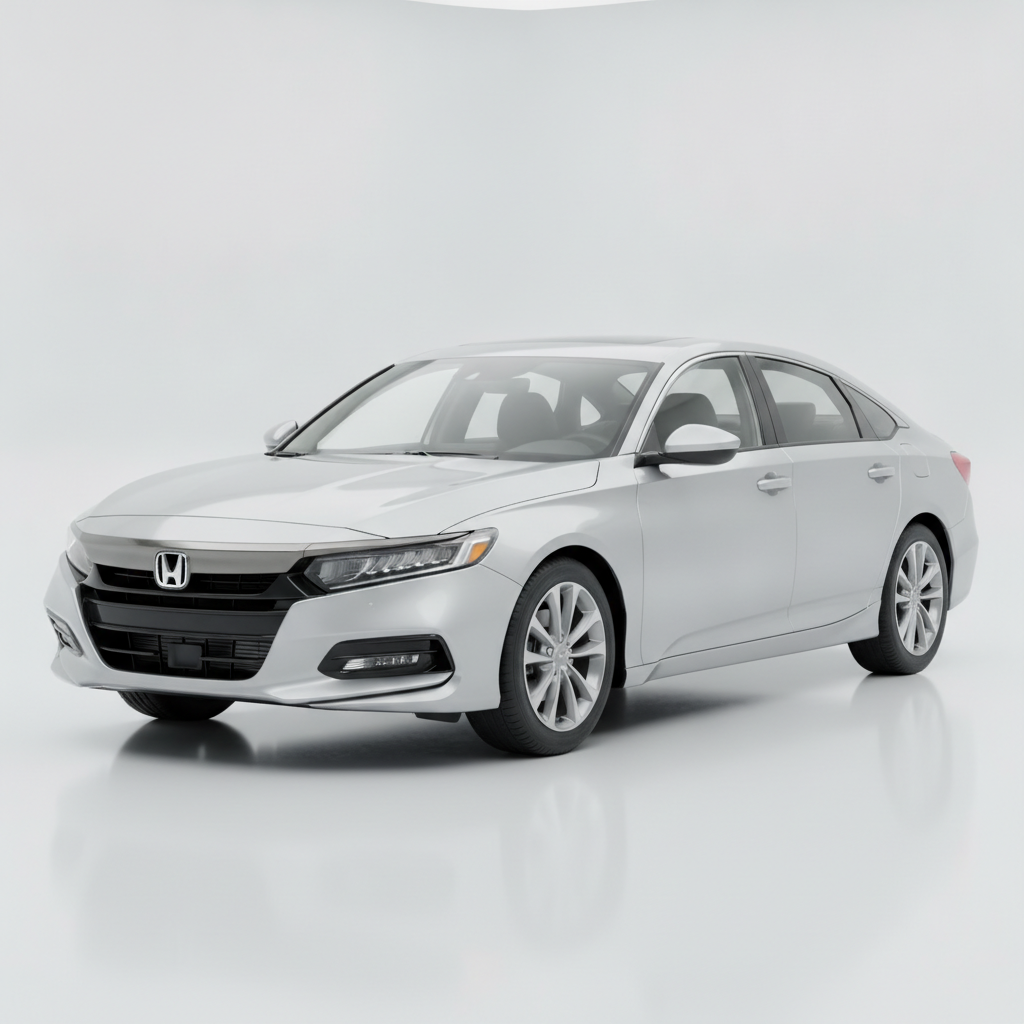
The financing picture adds a second layer of pressure. Auto loan rates, already elevated by the rate cycles of prior years, now face the prospect of another upward move if the Fed acts on the current inflation reading. For a buyer financing $40,000 over 60 months, even a half-point rate increase translates to roughly $600 to $700 in additional total interest cost — a figure that compounds painfully if buyers stretch to 72- or 84-month terms to hit a monthly payment target. This math strongly favors vehicles with lower sticker prices and high fuel efficiency. The Honda Accord (from $28,990, with hybrid trims rated at approximately 48 MPG combined) is assembled in Marysville, Ohio, keeping its supply chain largely domestic and its pricing relatively insulated. The Ford Maverick Hybrid (from $28,500, approximately 38 MPG combined) is the most affordable truck on the market right now, though buyers should note it is assembled in Hermosillo, Mexico — meaning its pricing carries some exposure to USMCA uncertainty that is worth factoring in before signing a deal.
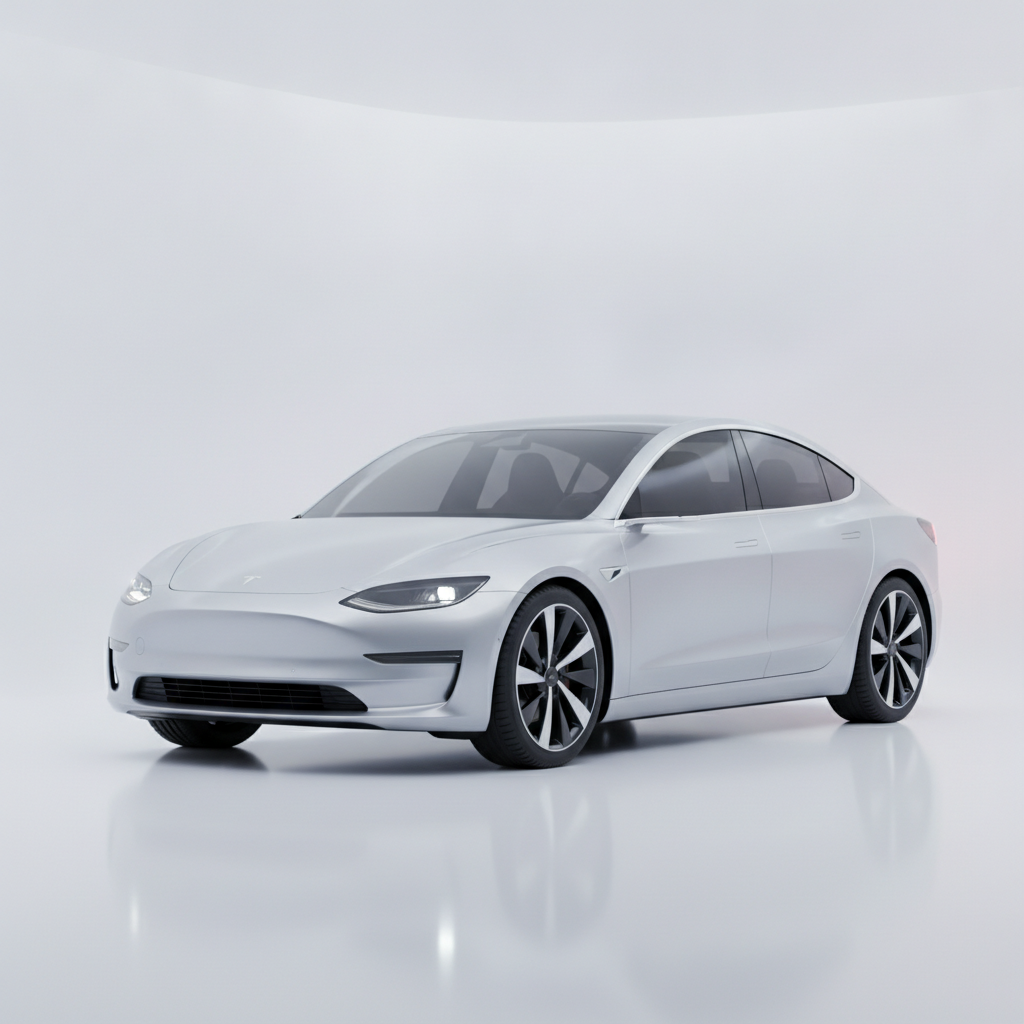
Three vehicles stand out as the clearest buys given the current backdrop. The Subaru Outback (from $29,010, approximately 29 MPG combined) is assembled in Lafayette, Indiana, which limits its tariff exposure and keeps pricing relatively predictable in a volatile policy environment. The Chevrolet Colorado (from $31,000, approximately 20 MPG), built in Wentzville, Missouri, gives truck buyers a domestically assembled option at a price point that avoids the insurance and financing penalty of stepping up to a full-size pickup. And the Tesla Model 3 (from $42,490, rated at approximately 132 MPGe) is assembled in Fremont, California. Tesla's comparatively vertical supply chain means fewer exposed parts-sourcing links than traditional OEMs face in the current tariff environment, and the absence of fuel costs eliminates one of the most volatile line items in the total ownership calculation. In a summer when gasoline prices remain unpredictable, that matters more than the MPGe number alone suggests.
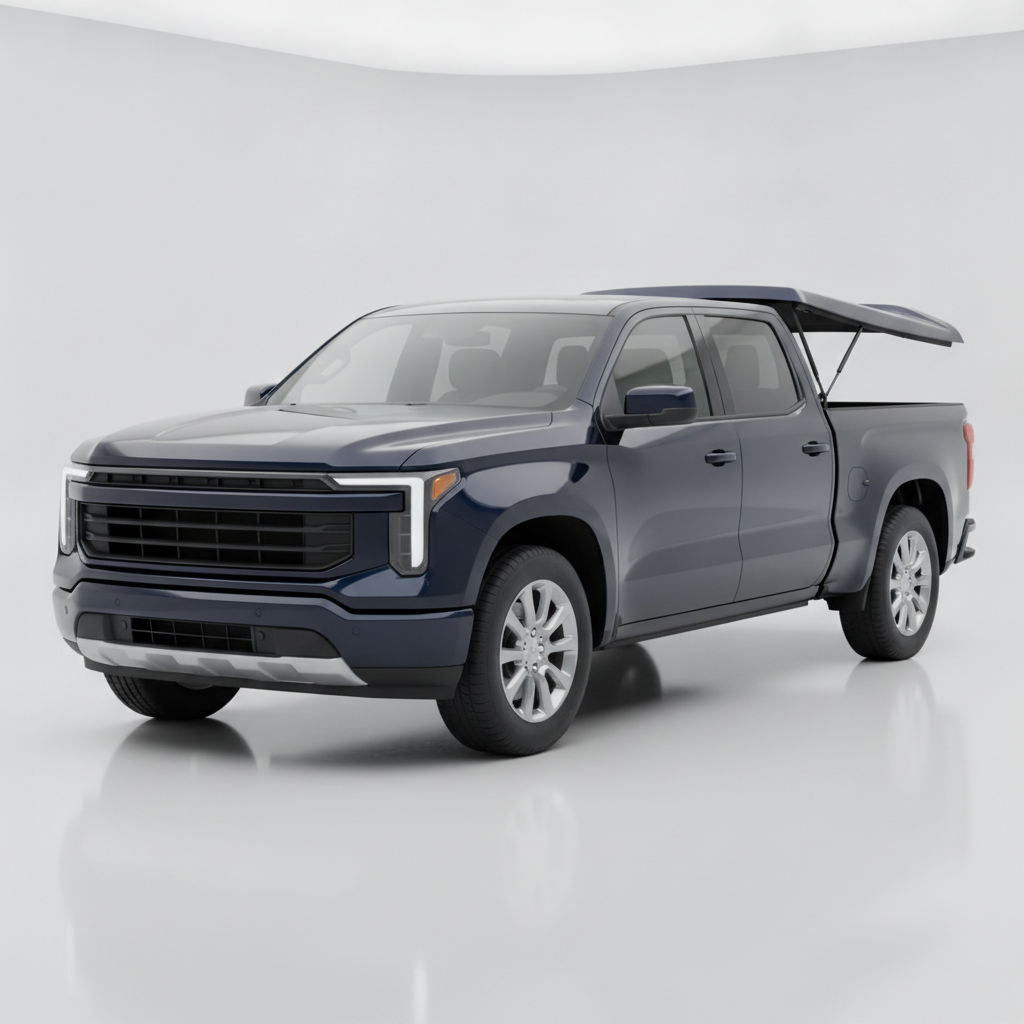
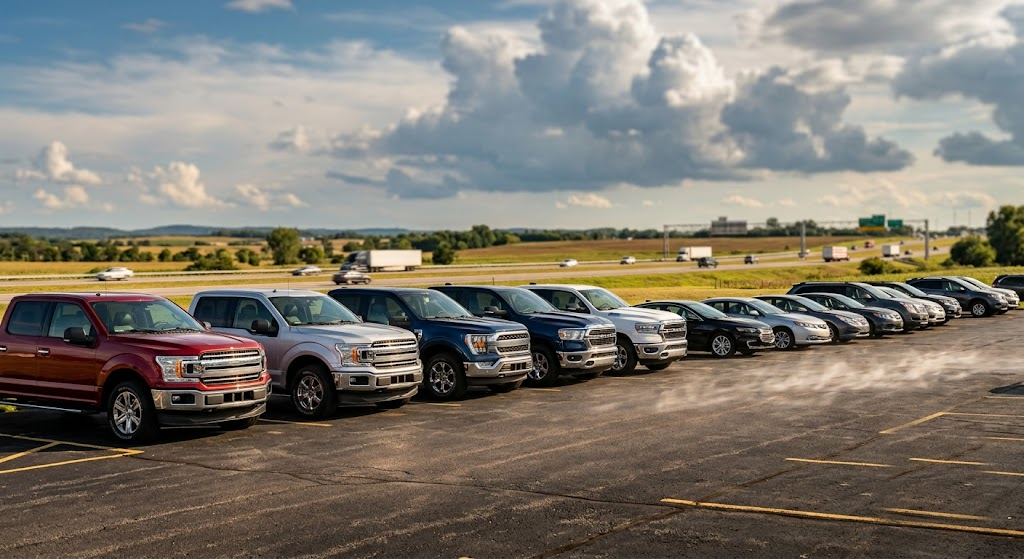
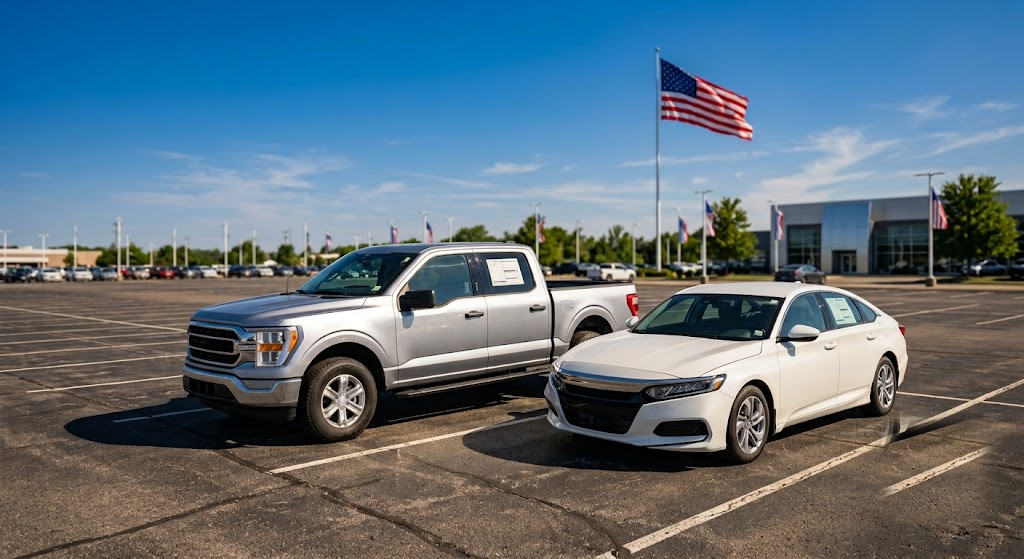
There is also selective opportunity in full-size trucks this month. The Ford F-150 (from $38,810, approximately 20 MPG combined) and Chevrolet Silverado (from $37,000, approximately 21 MPG), both with significant US assembly, have faced softer demand this summer as record sticker prices and rising insurance costs push buyers toward smaller alternatives. Dealer inventories on these platforms are building, and some stores have quietly moved away from above-MSRP markups back toward list price or below — a meaningful shift from the shortage-era dynamics of recent years. A buyer with solid credit who locks in financing now, before any Fed rate move changes the math, may find that a well-equipped F-150 or Silverado at MSRP represents genuine value, particularly on 2025 model-year units that dealers are motivated to clear before fresh inventory arrives.
The practical framework for July 2026 is this: prioritize models with domestic assembly and simpler North American supply chains, and factor total cost of ownership — financing interest, insurance, and fuel together — rather than sticker price alone into every comparison. Get pre-approved for financing before a rate move changes your monthly math. Hybrids and EVs are earning their premium this summer because they offer a durable hedge against both fuel price volatility and the escalating insurance costs that gas-only vehicles cannot offset. If a European luxury model is genuinely the right choice, negotiate aggressively — dealers in those segments have more flexibility than their opening offers suggest, and the trade picture could look different by Q4. Above all, resist the temptation to extend loan terms past 60 months just to hit a comfortable payment number; in an environment where rates could move higher and vehicle values may soften as supply normalizes, longer terms amplify financial exposure in ways that are difficult and costly to undo.