Car Prices Turn Political: 5 Smart Buys for July 2026
With new-car costs now a genuine political liability heading into the 2026 midterms, the tariff and rate environment has created a clear roadmap for smarter car buying.
As the 2026 midterm season heats up, new-car prices have become a genuine political flashpoint. Republican strategists are reportedly worried that record vehicle costs will become a voter liability before November — and it is not hard to see why. A separate analysis from late June found that the very tariffs designed to protect American automakers are backfiring, inflating the cost of imported parts and pushing sticker prices higher rather than lower. Inflation climbed to a three-year high as of late June, putting real pressure on the Federal Reserve to raise interest rates even as household budgets are already stretched. Average new-car monthly payments have hit record territory, and insurance premiums are compounding the pain in ways that never appear on a window sticker. The macro picture is uncomfortable for buyers — but it also creates a clear strategic framework for making smarter decisions right now.
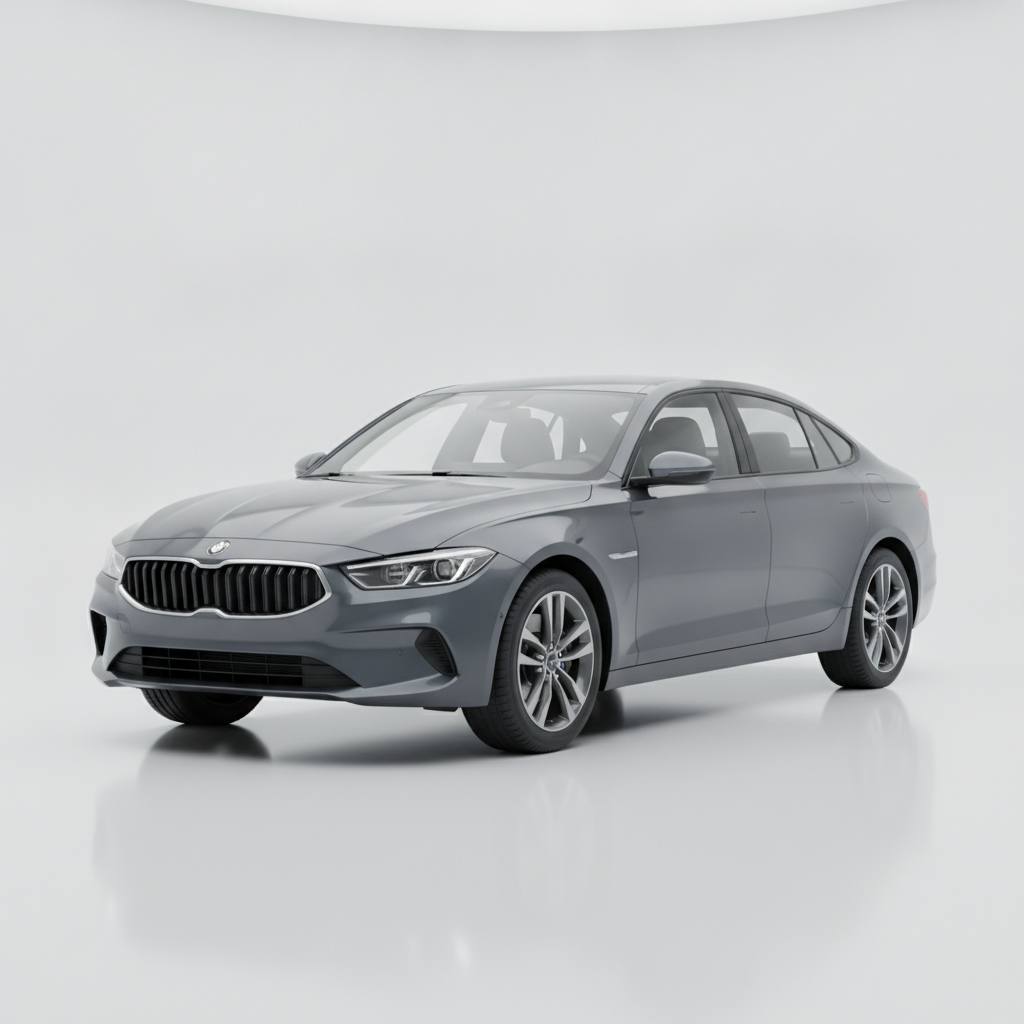
The tariff picture is complicated and consequential. Import duties on vehicles assembled outside the US have pushed transaction prices on European-branded models noticeably higher, and dealerships are passing that cost along. Vehicles assembled in Germany — including the [BMW 3 Series](/cars/bmw-3-series) (from $45,950) and the [Audi A4](/cars/audi-a4) (from $42,000) — are well-engineered cars, but buyers should factor tariff exposure into their price expectations. The [Audi Q7](/cars/audi-q7) ($60,500) and [Mercedes-Benz GLC](/cars/mercedes-benz-glc) ($48,050) face similar dynamics, with the added weight of luxury-segment insurance premiums on top of import duties. Making things murkier: the USMCA trade deal's extension remained unresolved as of early July, which means vehicles assembled in Mexico and Canada are also carrying a degree of trade uncertainty going forward. Dealers may not volunteer that context — it is worth asking directly whether current pricing already reflects any tariff-related surcharges.
On the financing side, the Federal Reserve's posture has shifted in a way that matters directly to car buyers. With inflation running at a three-year high — driven in part by tariff costs flowing into consumer prices — the rate cuts that markets had been anticipating earlier in 2026 are no longer the base case. The more likely near-term path is rates holding at elevated levels or moving modestly higher. On a $45,000 vehicle financed over 72 months, even a modest rate increase adds meaningfully to a monthly payment — and that's before accounting for insurance premiums, which have risen sharply across the country. The full monthly cost of owning a new vehicle in July 2026 is substantially higher than the headline MSRP implies. Buyers stretching toward the top of their budget should calculate loan payment, insurance, and estimated fuel cost together before committing to any deal.
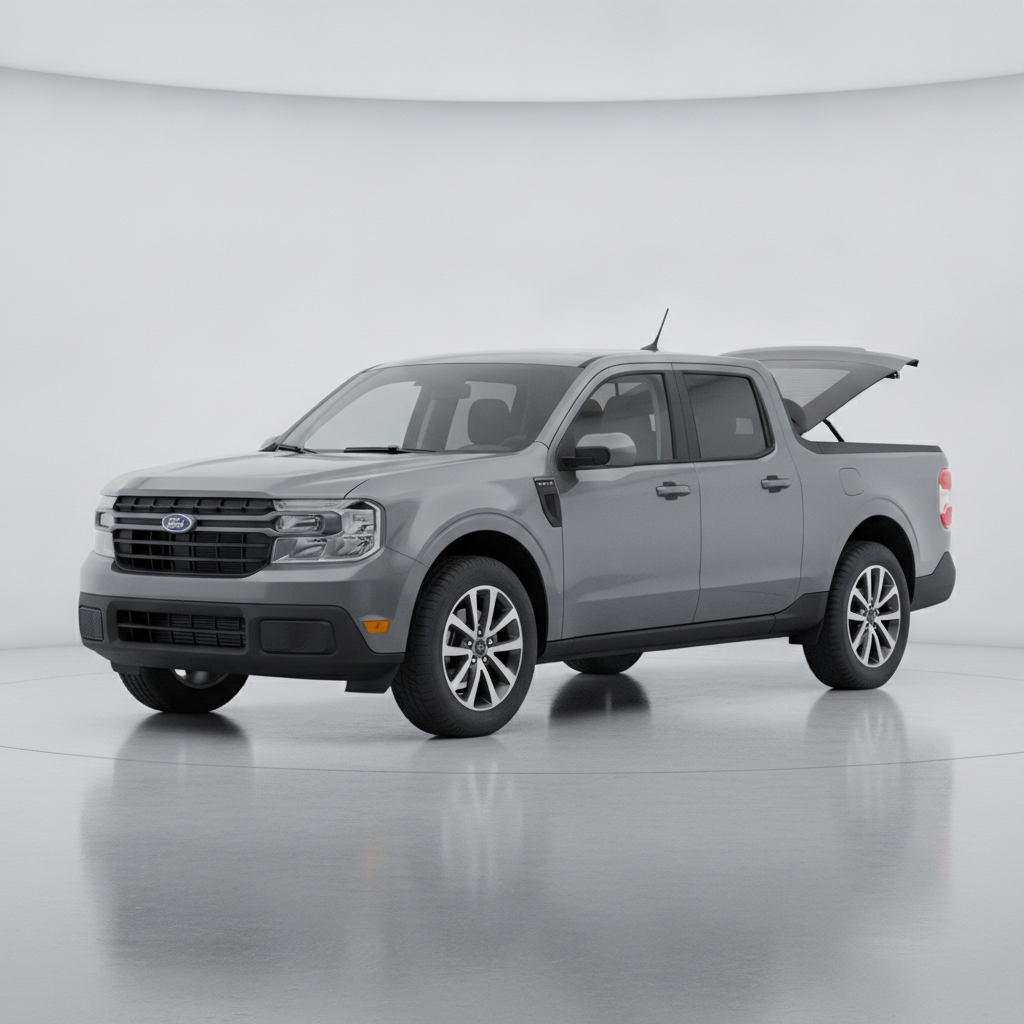
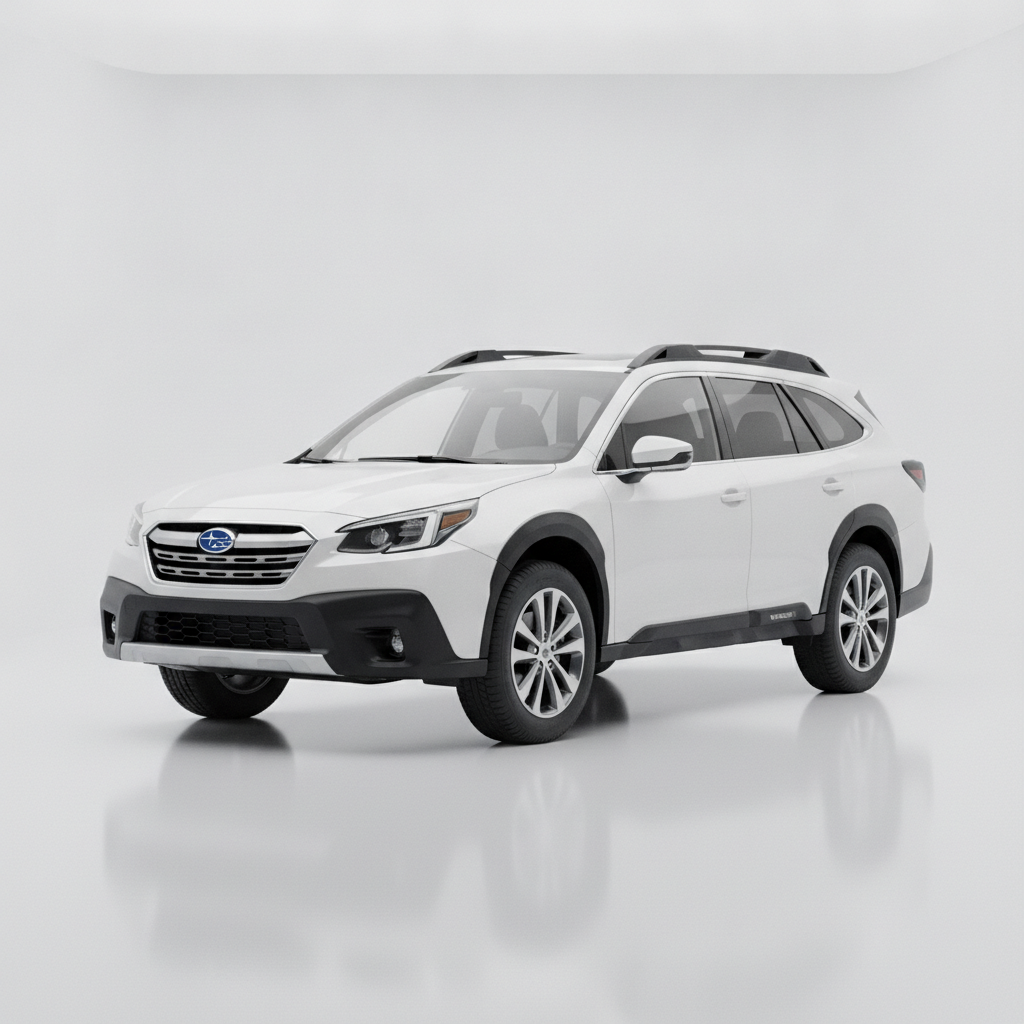
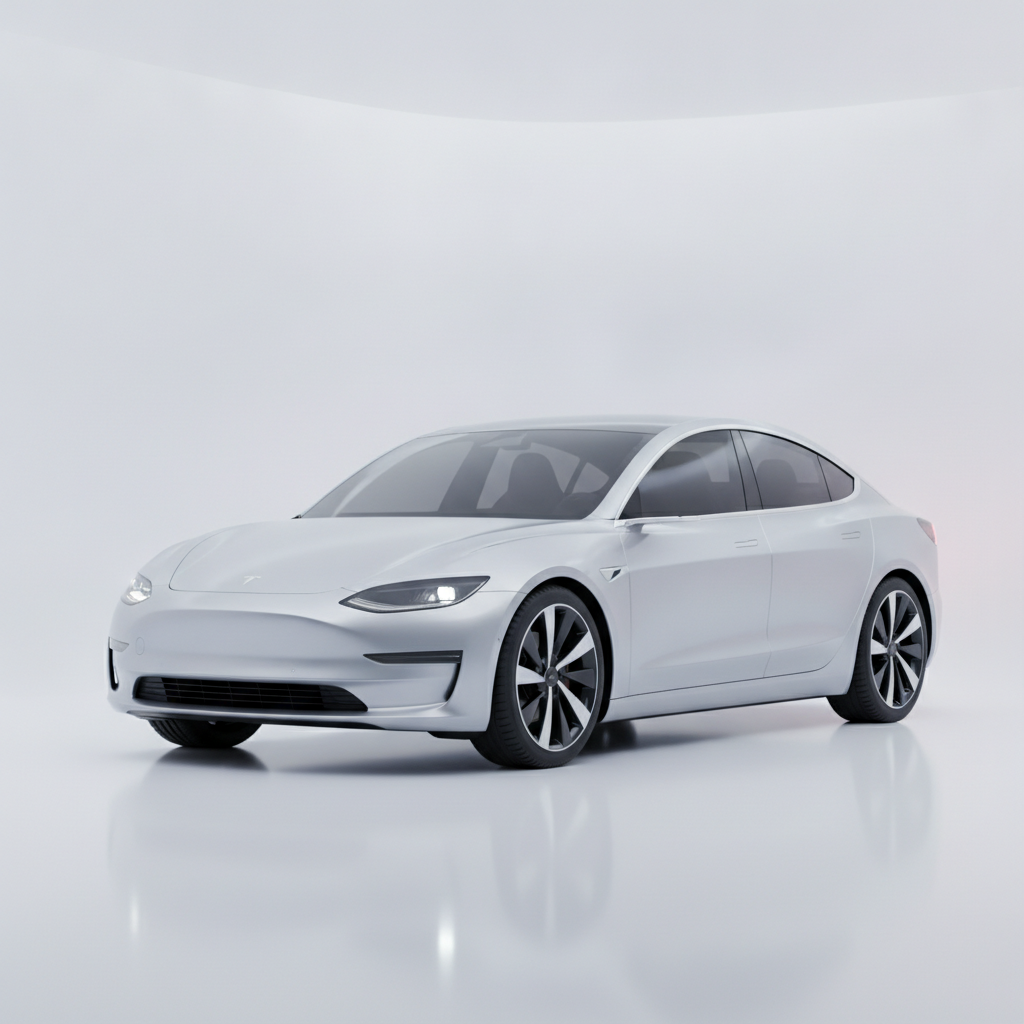
Several models stand out as financially sound choices in the current environment. The [Ford Maverick](/cars/ford-maverick) ($28,500 starting, standard hybrid) delivers 38 MPG combined and represents one of the lowest-cost entry points for a new truck in the US — its fuel efficiency also hedges against any future energy price volatility. The [Honda Civic](/cars/honda-civic) ($24,250, 36 MPG combined) remains one of the most practical buys on the market: manageable monthly payments, proven long-term reliability, and insurance costs that are low relative to its category. For buyers who want AWD versatility without crossing into premium-brand tariff territory, the [Subaru Outback](/cars/subaru-outback) ($29,010, 29 MPG combined, assembled in Lafayette, Indiana) is a compelling option. North American-assembled truck options like the [Chevrolet Colorado](/cars/chevrolet-colorado) ($31,000) and [Chevrolet Silverado](/cars/chevrolet-silverado) ($37,000) carry significantly less European import tariff exposure than their German-brand counterparts. And the [Tesla Model 3](/cars/tesla-model-3) ($42,490, 132 MPGe), assembled at Tesla's US facilities, earns serious consideration for buyers who can charge at home: zero fuel exposure, lower maintenance costs, and strong resale value make the total ownership math genuinely competitive at its price point.
Buyers drawn to the prestige segment should approach the current market with clear eyes. The BMW X5 ($66,200), Audi Q7 ($60,500), and Mercedes-Benz GLC ($48,050) are capable vehicles, but their elevated base prices, higher insurance premiums, and import tariff exposure combine to make total monthly costs substantial in a high-rate environment. The Cadillac Escalade ($87,000) and Lincoln Navigator ($101,000) add significant depreciation risk on top of that. None of this means walking away from the luxury segment entirely — with new-car affordability under political pressure, dealers of premium brands are showing more flexibility than in years past. If you are set on a higher-end purchase, late July through August is historically a favorable negotiation window as dealers work toward quarterly volume targets.
The practical message for US car buyers in July 2026 is this: the macro environment rewards North American-assembled vehicles, fuel-efficient powertrains, and complete cost thinking. Prioritize models built closer to home where possible, run the full monthly math before signing, and use the political sensitivity around car affordability as negotiating leverage — dealers know this is a sore spot, and motivated buyers can extract real concessions. On timing, the scenario where you wait for rates to drop and refinance later has become significantly less likely given the Fed's current trajectory. If the numbers work for you today and you need a vehicle, acting sooner rather than later is the more defensible position. A buyer-friendly rate environment is not on the near-term horizon.