Stocks Drop, Rates May Rise: 5 Car Buys for July 2026
A stock-market selloff, three-year-high inflation, USMCA limbo, and rate-hike fears are all hitting simultaneously — here is how to navigate the showroom in July 2026.

US stock markets tumbled on July 8, 2026, as geopolitical tension spiked following Iran military strikes and investors began pricing in what could be the Federal Reserve's next interest-rate increase. The selloff landed on already-unstable ground: inflation has climbed to a three-year high, the future of the USMCA trade framework remains unresolved after its uncertain July 1 renewal window, and a wave of tariff policy intended to shield domestic automakers has instead driven up costs across the board. New-car prices have reached record territory — average monthly payments have never been higher, insurance premiums are climbing alongside them, and American families are absorbing the combined impact. For car buyers, these are not abstract headlines. They directly affect what you will pay at the dealership, what you will finance, and which vehicles represent real value right now.
The tariff situation has taken a counterintuitive turn. Duties designed to protect American manufacturers from foreign competition have simultaneously raised the cost of imported components that even domestic assembly lines depend on — and pushed higher prices onto finished vehicles consumers actually want. European luxury imports bear the clearest impact: the [Audi A4](/cars/audi-a4), starting around $42,000, and the [BMW 3 Series](/cars/bmw-3-series), from approximately $45,950, face import duty exposure that dealers have largely stopped absorbing into their margins. The [Mercedes-Benz C-Class](/cars/mercedes-benz-c-class), starting near $47,900, faces the same squeeze. These remain excellent vehicles — but their real transaction prices have drifted noticeably upward, and any further escalation in trade policy could push them higher before year-end.
Financing is the second major pressure point for buyers. Monthly payments on new vehicles are already at record highs, and with inflation running well above the Fed's target, policymakers face growing calls to raise rates again. Each half-point rate increase adds roughly $12–$15 per month on a $45,000 loan over 60 months — modest in isolation, but meaningful when stacked on record sticker prices and insurance costs that have climbed sharply over the past 18 months. Buyers who can lock in a pre-approved rate now — ideally through a credit union or bank ahead of any Fed action — hold a narrow but real advantage over those who wait until fall.
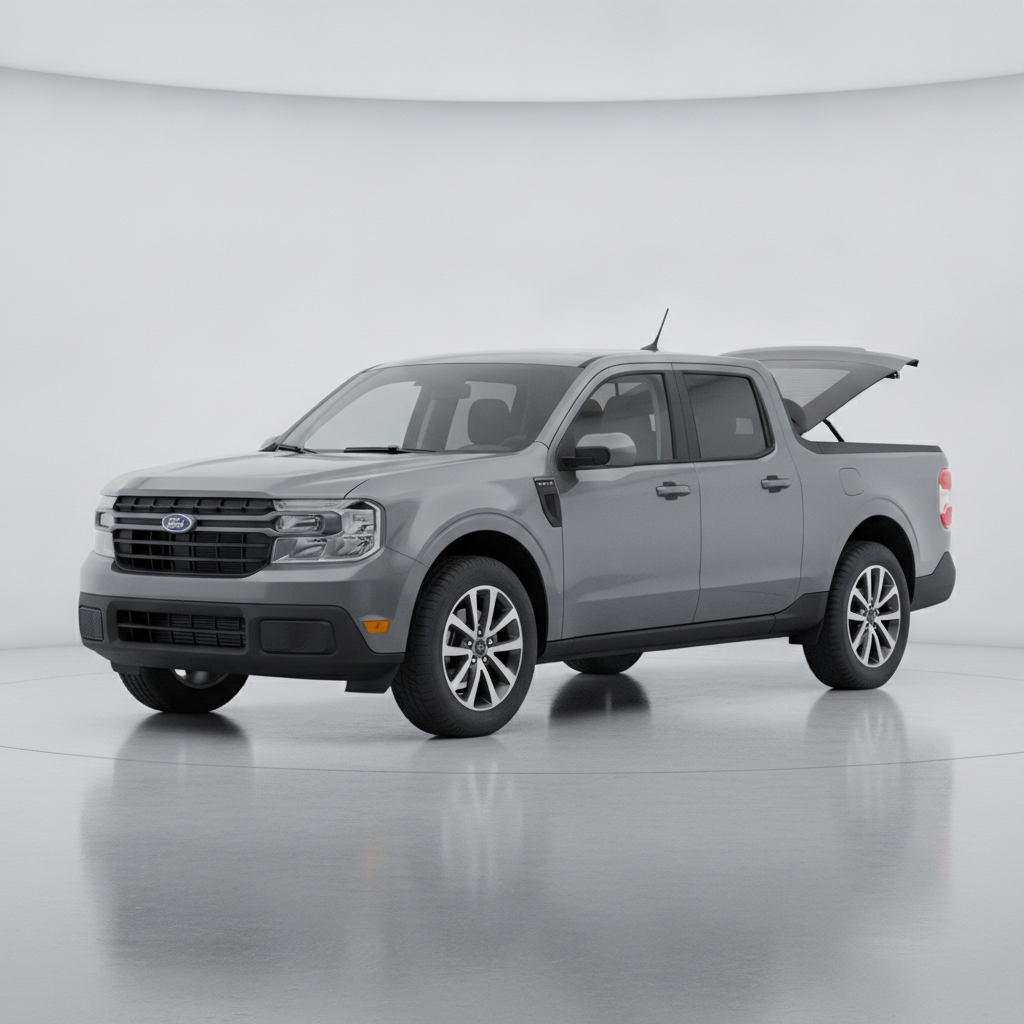
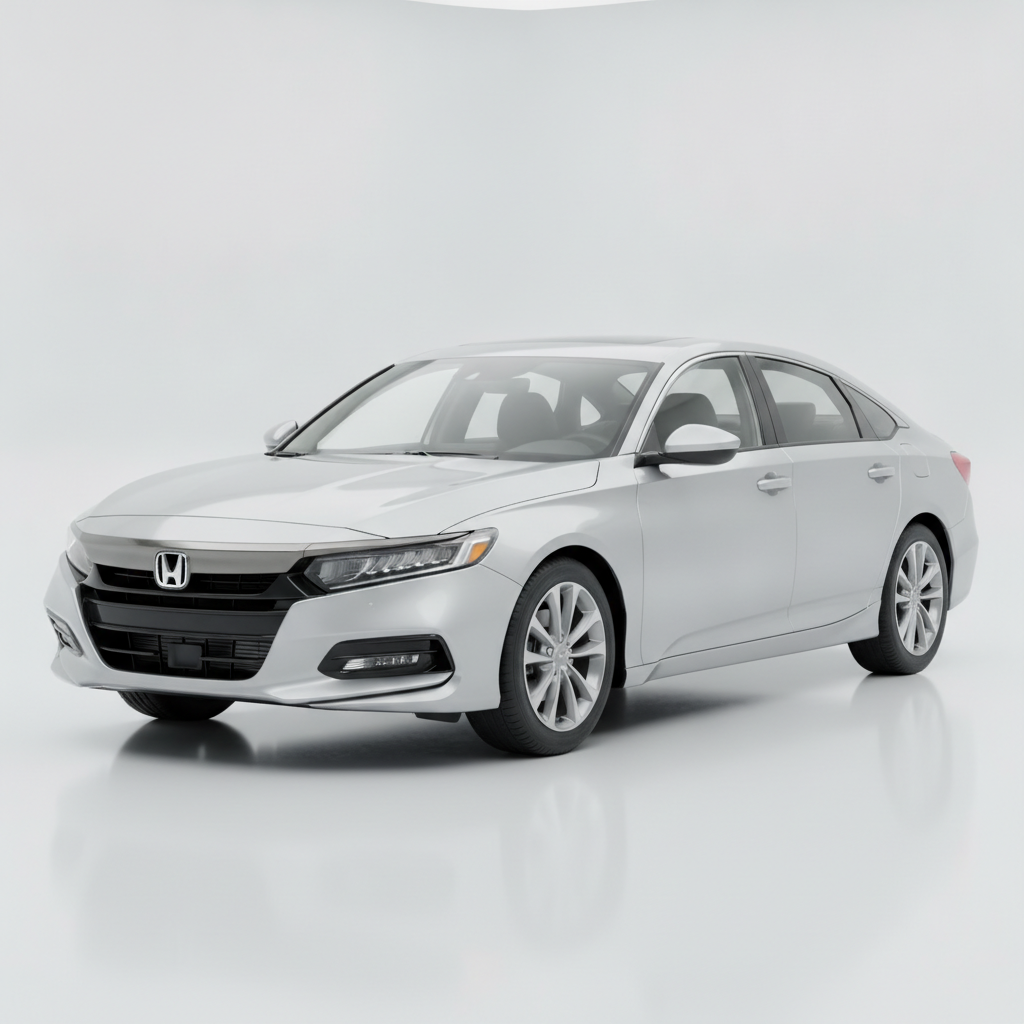
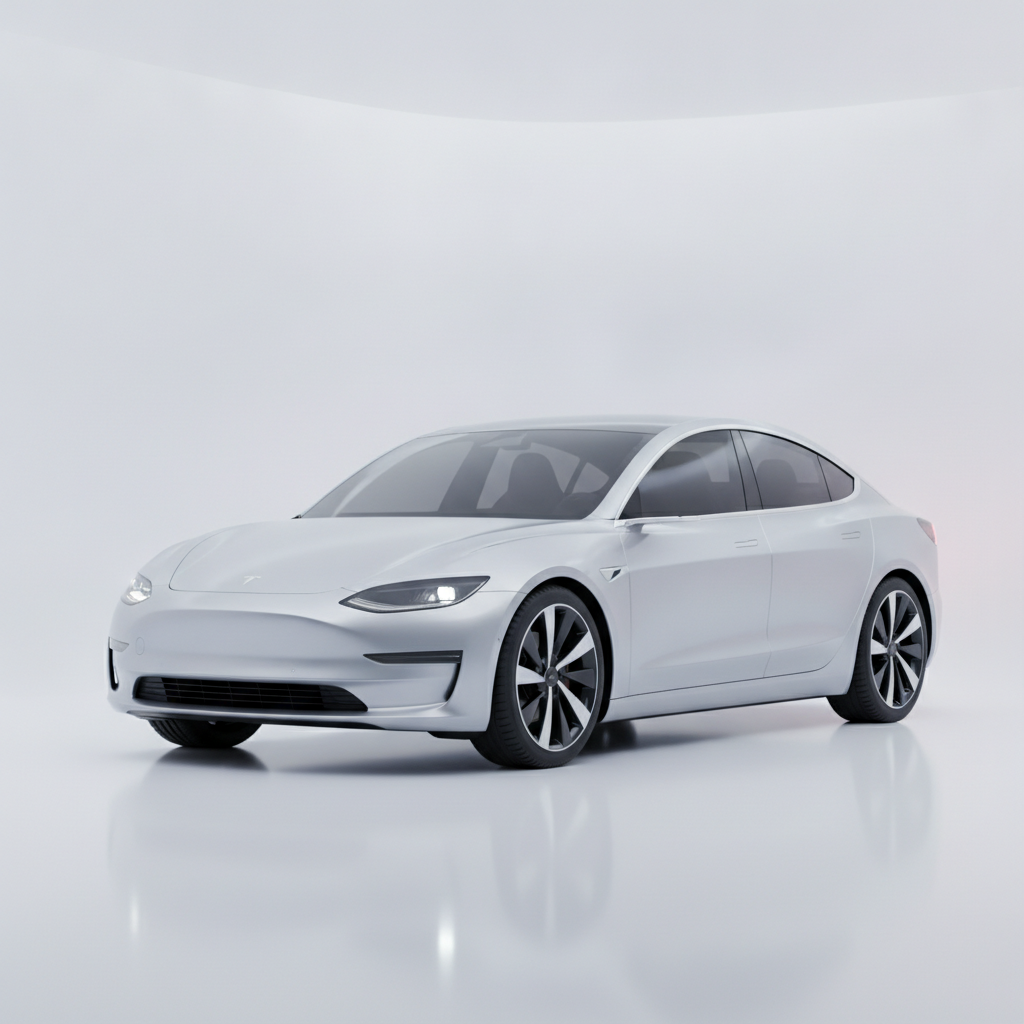
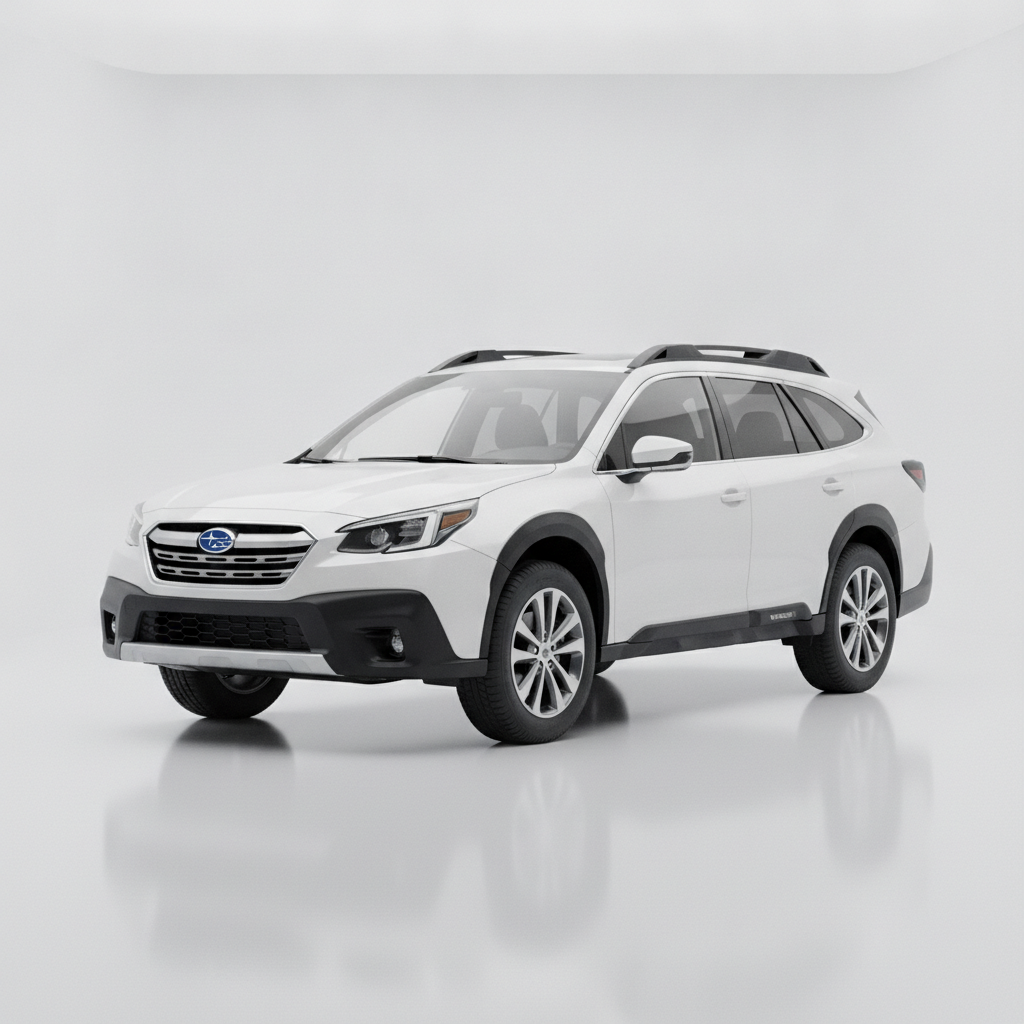
The most resilient buys in this environment share two traits: domestic assembly, which limits tariff exposure at the manufacturer level, and strong fuel efficiency, which buffers against any future gas-price moves. The [Ford Maverick](/cars/ford-maverick) leads this list: starting at $28,500 with a standard hybrid powertrain returning 38 MPG combined, it keeps the purchase price and the ongoing fuel bill near the bottom of the market. The [Honda Accord Hybrid](/cars/honda-accord), from approximately $28,990 and assembled in Marysville, Ohio, delivers a remarkable 48 MPG combined and sits in a price tier that tariff pressure has not meaningfully reached. The [Subaru Outback](/cars/subaru-outback) — starting at $29,010 and built in Lafayette, Indiana — adds genuine all-weather utility at 29 MPG combined without importing a tariff surcharge. And for buyers ready to leave gas stations behind entirely, the [Tesla Model 3](/cars/tesla-model-3), built in Fremont, California, starts at $42,490, delivers an EPA-estimated 132 MPGe, and sidesteps both fuel-cost volatility and import duty risk in a single decision.
Buyers who need a capable pickup without crossing into premium-truck pricing will find the [Chevrolet Colorado](/cars/chevrolet-colorado) worth a close look at around $31,000 — domestically assembled and returning 20 MPG, which is competitive among gas-powered mid-size trucks. On the other side of the ledger, it is worth slowing down before committing to higher-cost European crossovers. The [Audi Q5](/cars/audi-q5) (from $45,000), [BMW X3](/cars/bmw-x3) (from $50,000), and [Mercedes-Benz GLC](/cars/mercedes-benz-glc) (from $48,050) are all well-regarded vehicles with proven ownership records — but the current tariff and rate environment creates genuine risk that their effective prices rise between now and year-end. If one of these is on your shortlist, monitor for targeted importer incentives, which several European brands have quietly introduced to partially offset tariff-driven cost increases at the dealership level.
The practical takeaway for any buyer this summer is straightforward: preparation beats impulse. Secure pre-approval for financing before the Fed moves. Prioritize domestically assembled vehicles with efficient powertrains — the [Ford Maverick](/cars/ford-maverick), [Honda Accord](/cars/honda-accord), [Subaru Outback](/cars/subaru-outback), and [Tesla Model 3](/cars/tesla-model-3) all hit that mark at meaningfully different price points. And before signing anything, stress-test your total monthly cost — loan payment, insurance, and estimated fuel together — not just the sticker price. The macroeconomic backdrop is genuinely unsettled right now, but your choice of vehicle and your timing are still entirely within your control.