USMCA Gone, Rates Rising: 6 Smart Car Buys for Mid-2026
As USMCA unravels and Iran-driven oil fears rattle U.S. markets, the car you choose in July 2026, and how you finance it, has rarely mattered more.
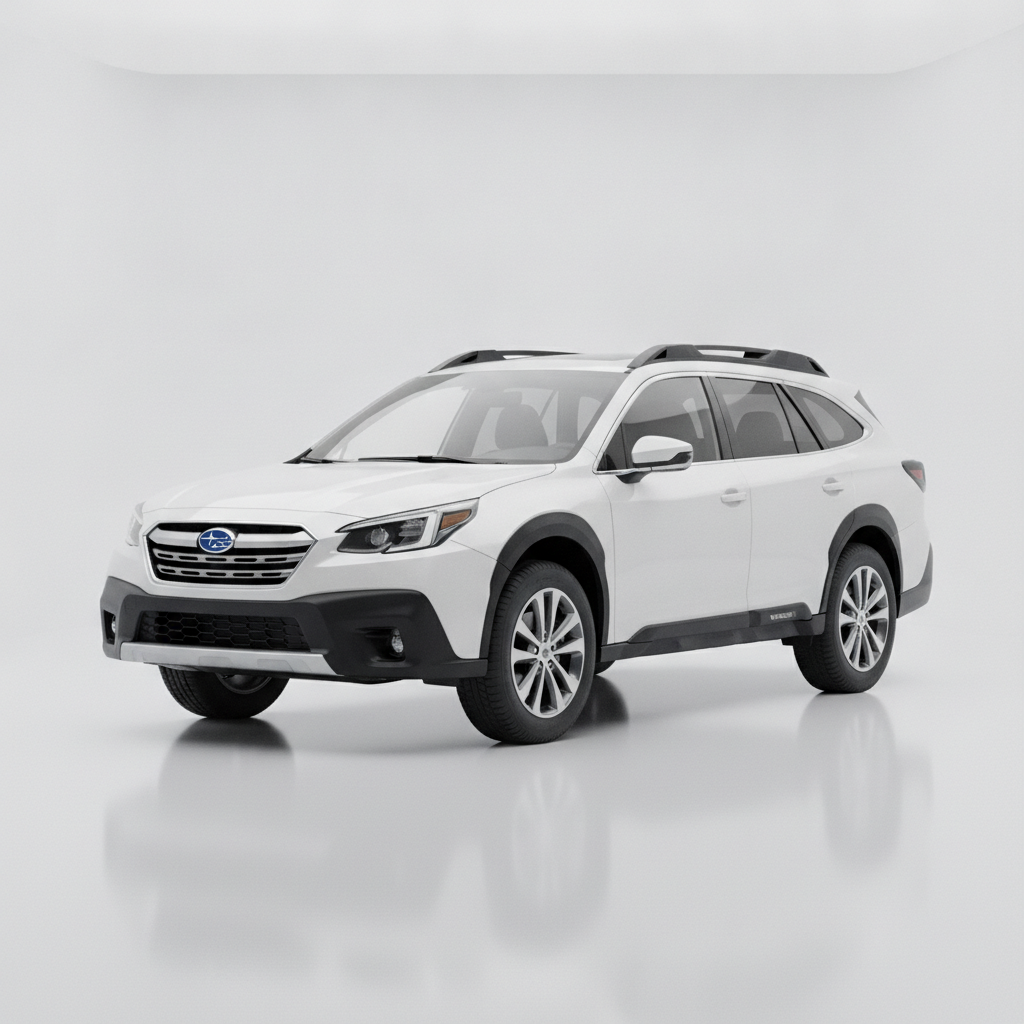
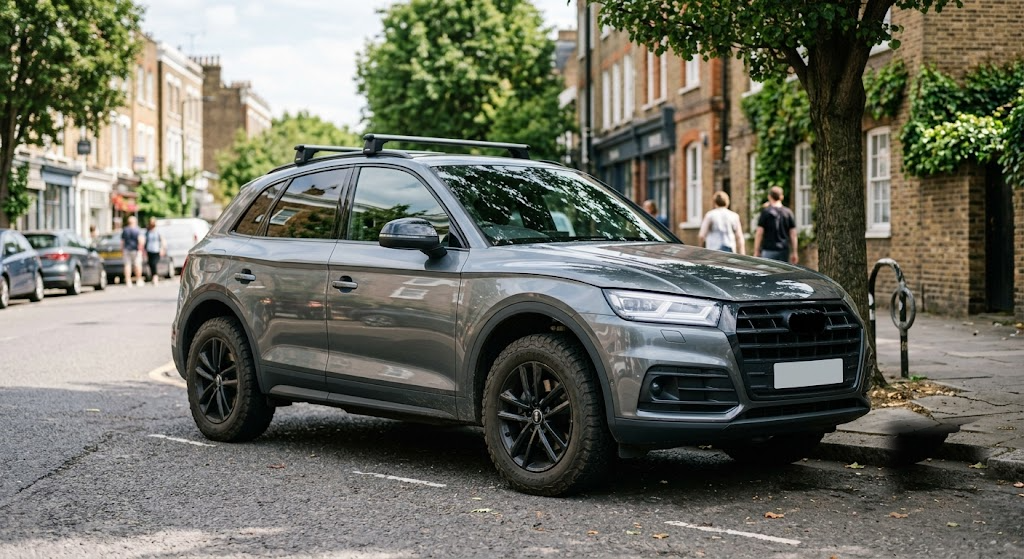
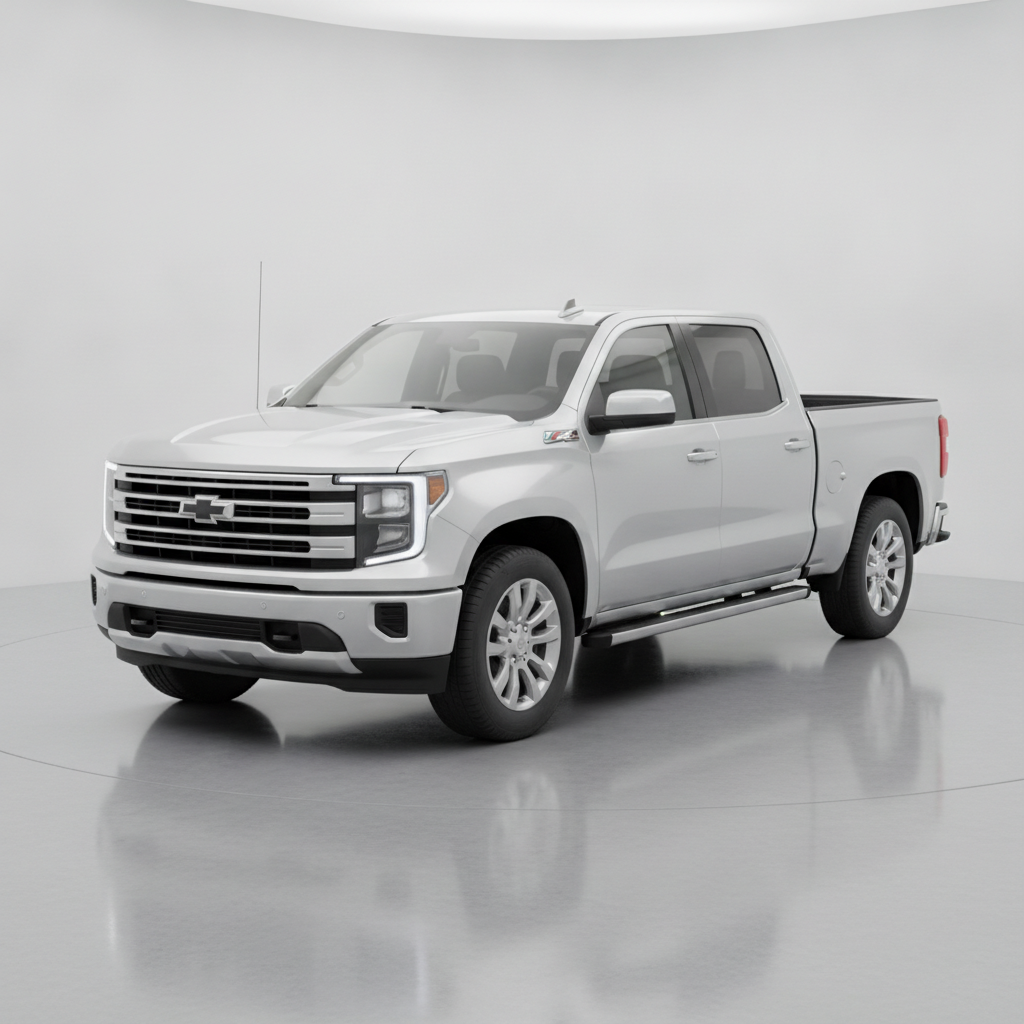
The North American auto trade landscape shifted fundamentally on July 1, 2026, when the White House confirmed it would not seek an extension of the USMCA trade agreement, a decision that left automakers scrambling to recalculate supply-chain costs across a continent. Compounding the uncertainty, U.S. stock markets dropped sharply in the week of July 7 as Iran-related military strikes rattled investor confidence and fueled speculation that the Federal Reserve might push interest rates higher to contain any resulting inflation. Oil prices moved in kind. For American car buyers, this triple threat, trade disruption, rate anxiety, and fuel-cost volatility, is not abstract: it is already beginning to shape what dealers charge, what lenders offer, and what your vehicle will cost to run month after month. Without USMCA's zero-tariff provisions covering vehicles and parts crossing between the U.S., Mexico, and Canada, automakers now face potential new duties on any model with meaningful Mexican manufacturing content. The Audi Q5 (from $45,000), assembled at Audi's plant in Puebla, Mexico, is among the most directly exposed models in our catalogue; buyers should ask their dealer exactly what the current landed cost includes and whether any tariff adjustment clause exists in the purchase agreement. European luxury imports, the BMW 3 Series (from $45,950), the Audi A4 (from $42,000), and the Mercedes-Benz C-Class (from $47,900), already carry the weight of U.S. import duties on vehicles assembled overseas, and if trade tensions widen, these models face additional pricing pressure on top of already elevated sticker prices. A mid-year review of North American auto activity published in early July confirmed what many dealers have noted quietly for months: tariff and affordability pressures are simultaneously squeezing both ends of the market. The Iran-driven oil market jolt adds a separate layer to the total ownership equation. Gas prices nudged higher in early July, though analysts noted the impact on used-vehicle pricing has so far been mild, but sustained oil-price elevation compounds the operating costs of thirsty vehicles considerably over time. A full-size SUV like the Chevrolet Tahoe (from $58,200, approximately 18 MPG combined) costs meaningfully more to run when regular-grade fuel climbs even 20 to 30 cents per gallon, especially on longer family trips. Meanwhile, any Federal Reserve rate response to geopolitical-driven inflation would push auto loan rates higher, a material problem for anyone financing in the mid-$50,000 range or above. Buyers who already hold a pre-approval from a credit union or bank are better insulated; those without one should move quickly to lock in current terms before any rate announcement changes the math. Against this backdrop, the most resilient purchases share two traits: significant U.S. assembly content that limits tariff exposure, and strong fuel efficiency that hedges against volatile running costs. The Ford F-150 (from $38,810, approximately 20 MPG combined), built in Michigan and Missouri, is among the most supply-chain-secure trucks available, and the available hybrid powertrain adds a useful efficiency buffer. The Subaru Outback (from $29,010, 29 MPG combined), assembled in Lafayette, Indiana, hits a sweet spot of domestic content, solid efficiency, and genuine utility, a strong value anchor in an unstable trade environment. For buyers open to an EV, the Tesla Model Y (from $44,990, 123 MPGe), built in Austin, Texas, and the Tesla Model 3 (from $42,490, 132 MPGe), assembled in California, both eliminate fuel-cost exposure entirely and sit outside North American parts-tariff uncertainty. The Honda Accord Hybrid (from $28,990, 48 MPG combined), assembled in Marysville, Ohio, delivers the highest real-world fuel economy of any non-EV in this comparison, at a price under $30,000, it is one of the most compelling total-cost-of-ownership buys in the current market. Some models warrant more caution right now, not because they are bad vehicles, but because the trade and rate environment amplifies their financial risk in meaningful ways. The BMW X5 (from $66,200) and Audi Q7 (from $60,500) are capable premium SUVs but carry higher financing costs at the best of times; if rates tick upward and import-related tariffs on European-content components increase, the total cost of ownership deteriorates quickly. Fuel-hungry vehicles like the Cadillac Escalade (from $87,000, approximately 16.5 MPG combined) and the Lincoln Navigator (from $101,000, approximately 18 MPG) carry the greatest exposure in this catalogue to simultaneous oil-price risk and rate-sensitive financing. If you need a large luxury SUV and can tolerate waiting until fall, the trade and rate picture may clarify, giving you a cleaner baseline on what dealers can actually deliver and at what final price. The practical bottom line for July 2026 is straightforward: buy domestic, buy efficient, and secure your financing before rates move. The macro headwinds are real but not uniformly distributed across the vehicle market. A Subaru Outback from an Indiana assembly plant is a very different tariff proposition than an Audi Q5 from Puebla. A Tesla Model Y running on home electricity is insulated from Iran-driven fuel spikes in ways that a large gasoline SUV simply is not. Before signing any purchase agreement this month, ask three questions: Where was this vehicle assembled? What does it cost to fuel per month at current and higher gas prices? And what does my monthly payment look like if my loan rate rises 50 to 75 basis points? Buyers who work through those three questions will make decisions they will not regret, regardless of how the trade and geopolitical situation eventually resolves.