The 2026 Auto Affordability Crunch: Which Cars Still Make Sense
With the Federal Reserve holding rates steady under new chair Kevin Warsh while tariff disputes with the EU and Canada keep supply-chain costs elevated, US car buyers are caught in a squeeze that requires a clear-eyed strategy — not just a showroom visit.
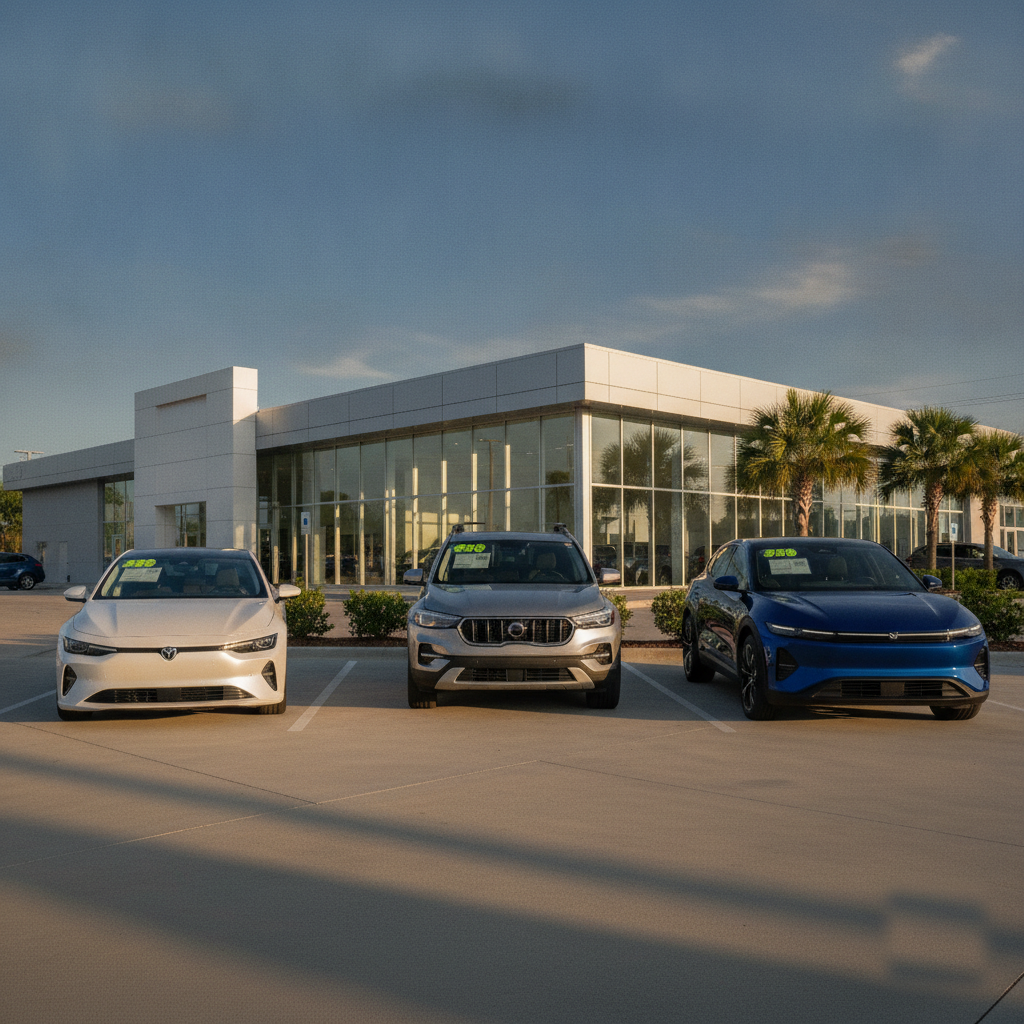
The US auto market is heading into the second half of 2026 under genuine financial strain. New Federal Reserve Chair Kevin Warsh held interest rates steady at his first press conference in June, but equity markets retreated shortly after on signals that a hike could still arrive before year-end. Simultaneously, unresolved tariff disputes with the EU and Canada continue to press costs higher across the auto supply chain. Analysts are now warning of a potentially lasting decline in new-car sales volumes — not a temporary correction, but a structural affordability problem rooted in the convergence of sticky sticker prices, elevated financing costs, and trade policy uncertainty that shows no clear path to near-term resolution. For US car buyers, understanding these macro forces is no longer optional background reading; it is the prerequisite for making a sound purchase decision.
Tariffs are the most direct variable reshaping what you will pay at the dealer today. Vehicles and components that cross US-Canada or US-EU borders face additional import duties, and automakers with significant foreign sourcing — particularly European brands — have either absorbed those costs or passed them to buyers through higher MSRPs. If you are eyeing an [Audi A4](/cars/audi-a4) (from $42,000, 27 MPG combined) or a [BMW 3 Series](/cars/bmw-3-series) (from $45,950, 30 MPG combined), import exposure makes a meaningful price reduction unlikely until trade negotiations reach some resolution — a timeline that remains entirely unclear. The [Mercedes-Benz C-Class](/cars/mercedes-benz-c-class) (from $47,900, 28 MPG combined) faces a similar dynamic. These remain highly capable vehicles, but buyers purchasing today are effectively paying a tariff premium that could ease in 12 to 18 months if EU-US tensions soften.
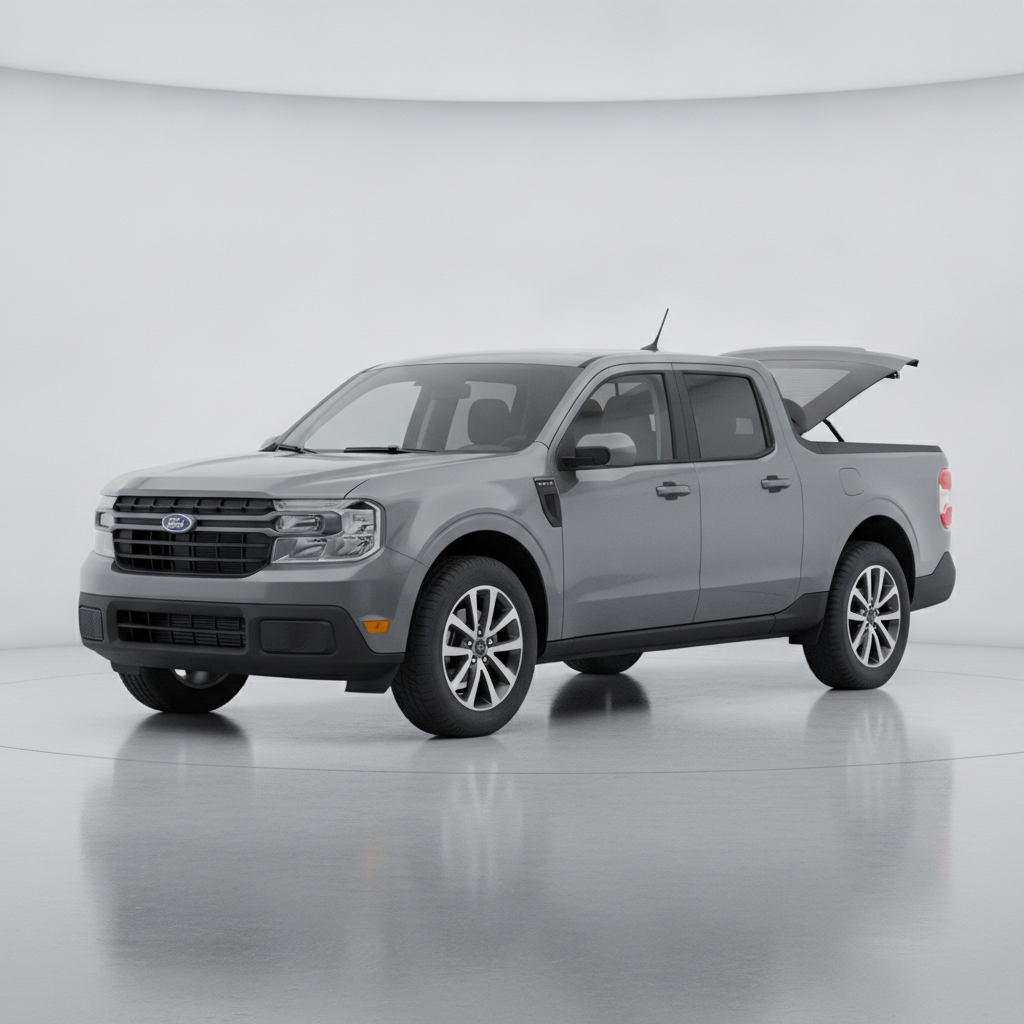
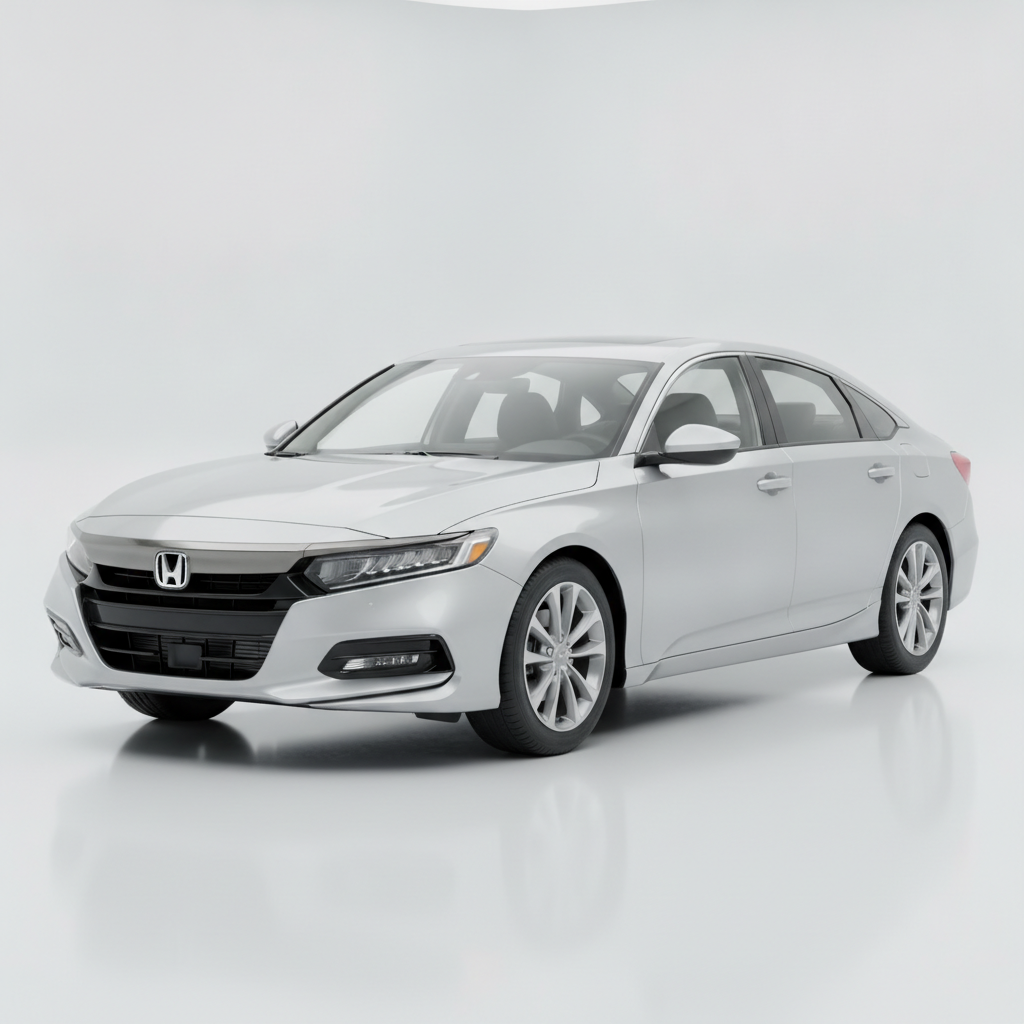
High financing costs compound the pressure. With the Fed holding rates rather than cutting — and markets now pricing in the possibility of a hike — auto loan rates are stubbornly elevated by recent historical standards. A $45,000 vehicle financed over 60 months at current rates can easily carry a monthly payment north of $800 before insurance and registration, leaving many households priced out of the new-car market entirely. In this environment, total cost of ownership matters far more than MSRP alone, which is why fuel economy earns its keep at the pump every single month. Two standouts priced near or under $30,000 deserve serious attention: the [Honda Accord](/cars/honda-accord) Hybrid (from $28,990, up to 48 MPG combined) and the [Ford Maverick](/cars/ford-maverick) Hybrid (from $28,500, 38 MPG combined). Both deliver fuel savings substantial enough to meaningfully offset elevated monthly loan payments, making them among the most financially rational new-car purchases available right now.
Domestically assembled electric vehicles occupy a strategic sweet spot in this macro environment. They sidestep most import tariff exposure while eliminating fuel price risk entirely. The [Tesla Model Y](/cars/tesla-model-y) (from $44,990, 123 MPGe) and [Tesla Model 3](/cars/tesla-model-3) (from $42,490, 132 MPGe) are both built in the United States, as is the [Ford Mustang Mach-E](/cars/ford-mustang-mach-e) (from $37,000, 98 MPGe), which continues to qualify for federal EV tax credits that can reduce the effective out-of-pocket cost by several thousand dollars. For buyers whose daily driving suits an EV and who can manage the upfront investment, these models serve as a genuine hedge against both tariff-driven price creep and any future fuel price volatility that a rate-tightening cycle might bring in its wake.
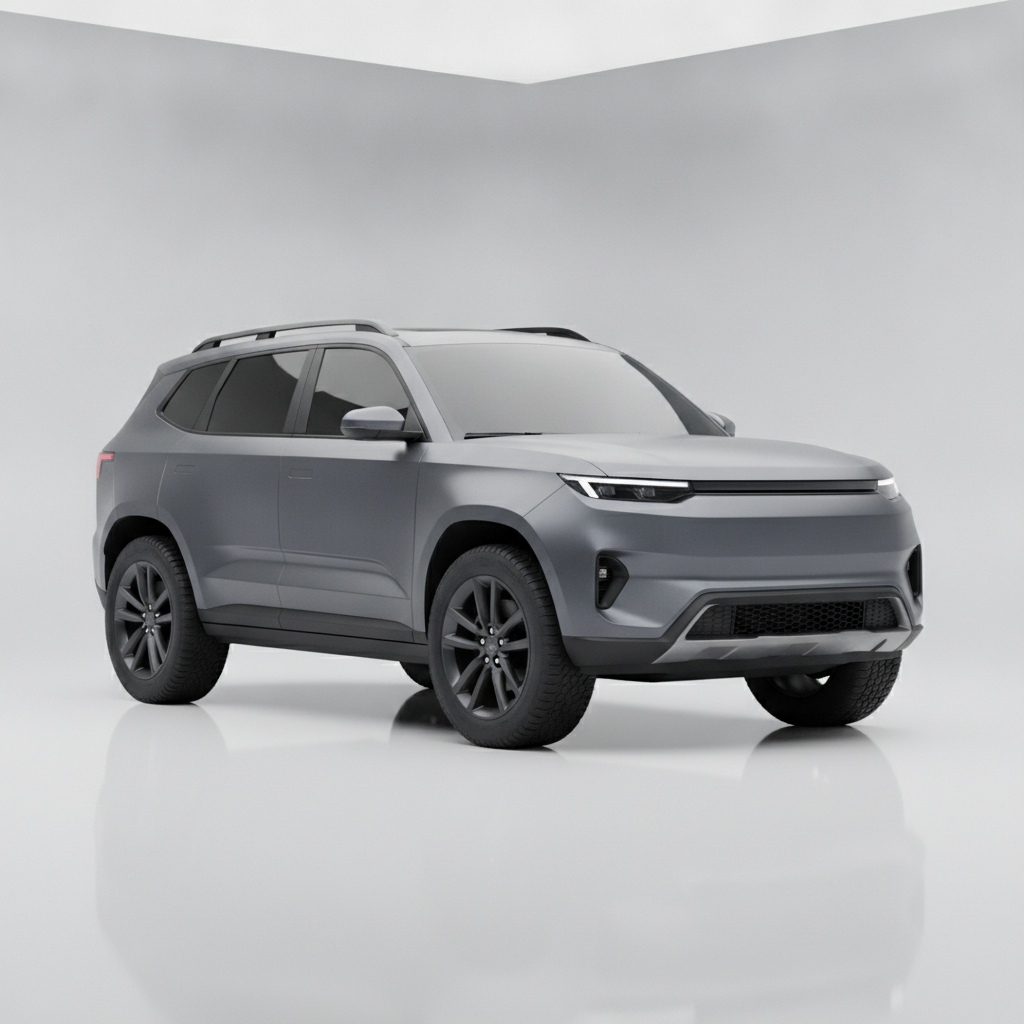
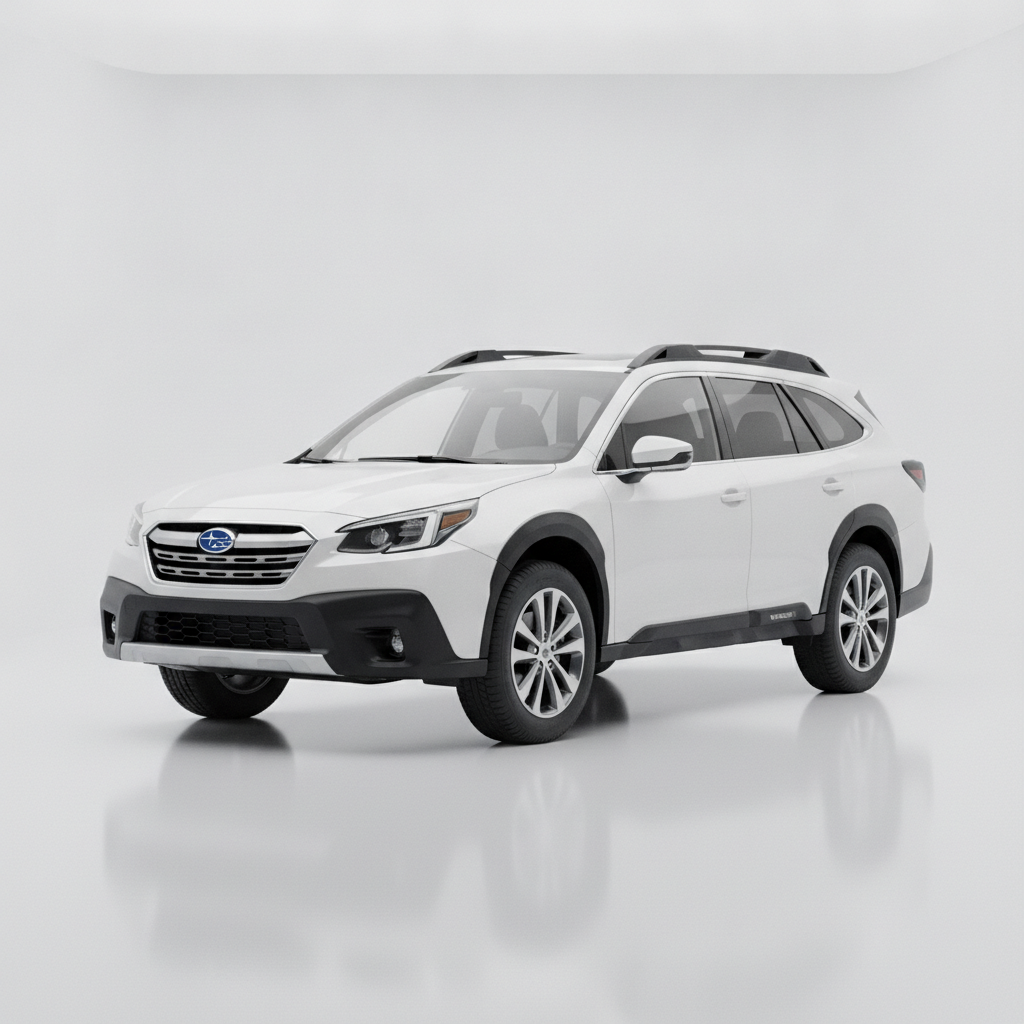
For truck and SUV buyers who want domestic assembly and relative tariff insulation, the options remain solid. The [Chevrolet Colorado](/cars/chevrolet-colorado) (from $31,000, 20 MPG) is a capable mid-size truck at a comparatively grounded price point. The [Subaru Outback](/cars/subaru-outback) (from $29,010, 29 MPG combined), assembled in Indiana, stands out as one of the last new vehicles available below $30,000 that also delivers genuinely good fuel economy — a pairing that has become increasingly scarce in 2026. The [Chevrolet Equinox](/cars/chevrolet-equinox) (from $29,995, 28 MPG combined) holds a similar position as a compact SUV still priced in the high-$20K range, resisting the broad upward drift that has effectively retired affordable new-car options in most other segments.
The practical takeaway for mid-2026 is straightforward: anchor your search on total cost of ownership, not sticker price. Prioritize domestically assembled models to minimize tariff exposure, target strong MPG or MPGe figures to offset elevated financing costs, and secure loan pre-approval before any potential Fed rate move shifts the monthly payment math further against you. If your budget is genuinely stretched, do not overlook the used-vehicle market — industry observers are noting surprising resilience in used-car inventory and pricing, and a certified pre-owned vehicle from one to three model years back often delivers far better value than a comparably priced new model in today's environment. The market is hard right now, but a strategy built around total cost rather than showroom excitement will serve you far better than waiting for relief that may not arrive on any predictable schedule.