Tariffs & Rate Hikes: 5 Smart Car Buys Mid-2026
With the Federal Reserve signaling future rate increases and EU-US tariff negotiations stalling, the window to buy smart in 2026 is narrowing faster than most buyers realize.

At his first press conference as Federal Reserve Chair, Kevin Warsh held the benchmark interest rate steady last week — but made clear the Fed is tilting toward future increases to keep inflation in check. Simultaneously, EU-US trade negotiations remain unresolved, with analysts warning that a labyrinthine tariff structure is already creating measurable friction in cross-border auto supply chains under the USMCA agreement. For American car buyers, the convergence of these two forces — the prospect of higher borrowing costs and escalating import duties — is already being felt on dealer lots, where genuinely affordable new vehicles have nearly vanished from the market.
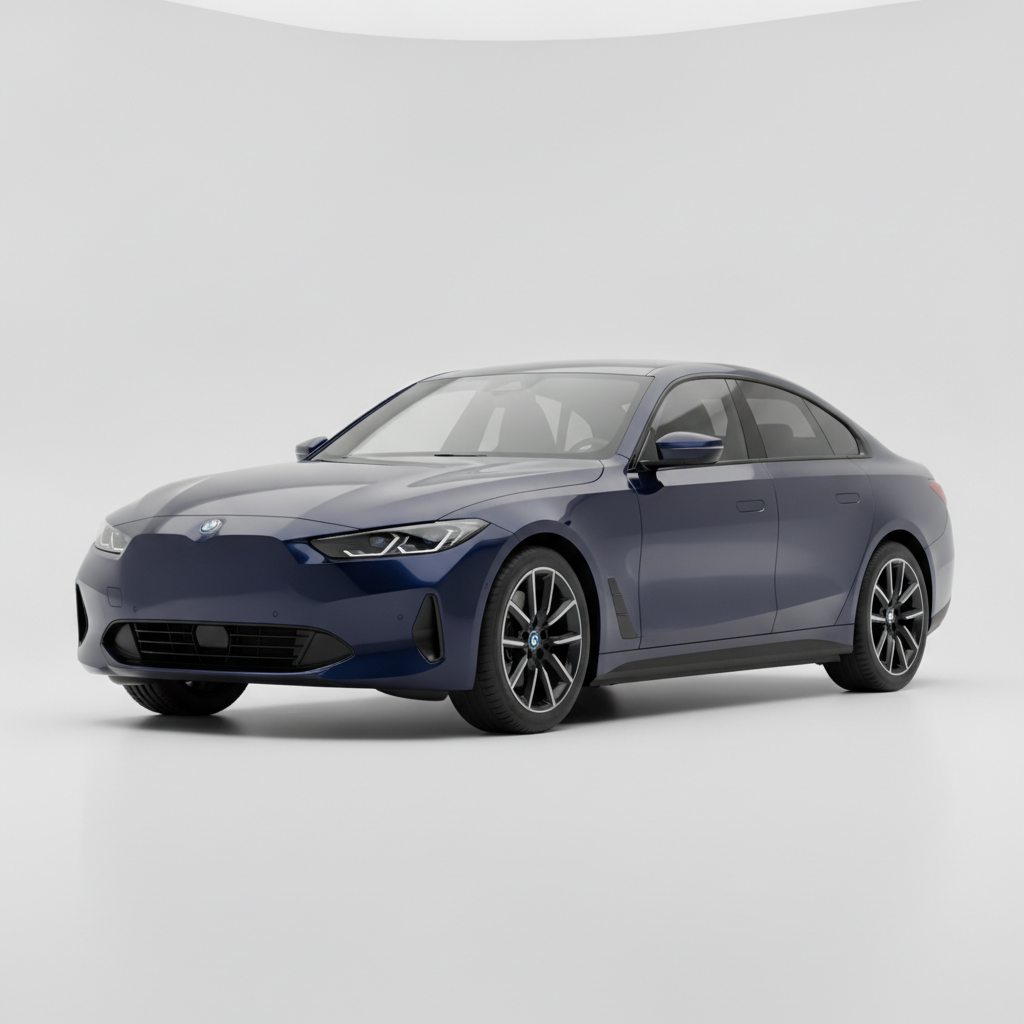
Tariff exposure matters most for vehicles assembled in Europe. The [BMW 3 Series](/cars/bmw-3-series), starting at $45,950, and the [Audi A4](/cars/audi-a4), from approximately $42,000, both face meaningful price pressure if EU-US negotiations deteriorate further. The [BMW i4](/cars/bmw-i4) — an electric sedan assembled in Munich from $58,000 — carries similar risk: any new round of import duties would land directly on its sticker price. European automakers typically absorb a portion of tariff increases for a quarter or two before passing costs through to consumers, so today's pricing on these models may represent a floor rather than a ceiling. The [Mercedes-Benz C-Class](/cars/mercedes-benz-c-class), from $47,900, and the [Audi Q5](/cars/audi-q5), from $45,000, sit in the same exposure window.
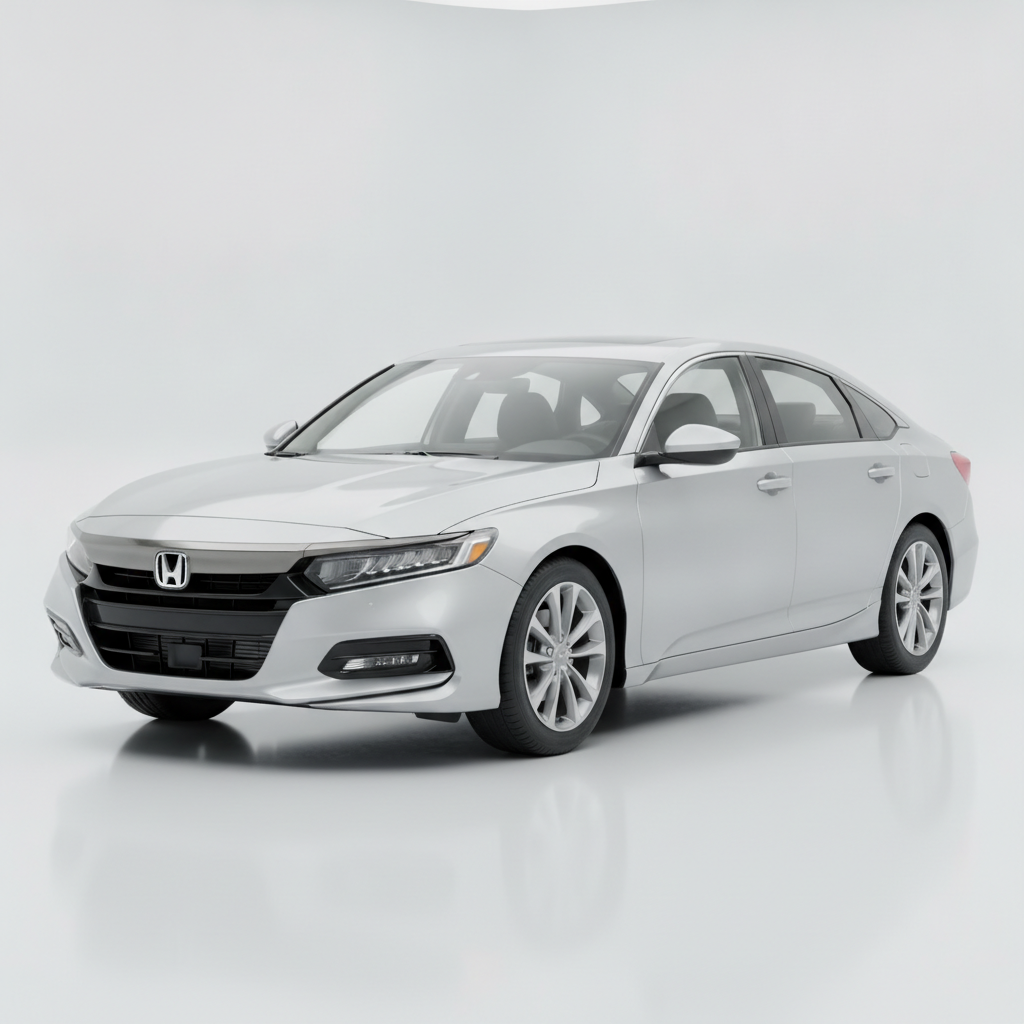
Higher financing costs compound the picture for every buyer, regardless of which vehicle they choose. With the Fed signaling it has paused rate cuts and is prepared to resume hiking to fight persistent inflation, auto loan rates are likely to hold in the high single digits or drift higher. On a $45,000 vehicle financed over 60 months, each quarter-point rate increase adds roughly $5–$6 to the monthly payment — modest in isolation, but meaningful across a five-year loan. This dynamic makes fuel efficiency a more important variable than usual: a vehicle that consistently returns 40-plus MPG can offset a substantial portion of extra interest costs over the life of ownership. The [Honda Accord Hybrid](/cars/honda-accord), rated at 48 MPG combined from $28,990, and the [Lexus ES Hybrid](/cars/lexus-es), at 44 MPG combined from approximately $43,000, are two models where the long-run ownership math genuinely works in the buyer's favor at this moment.
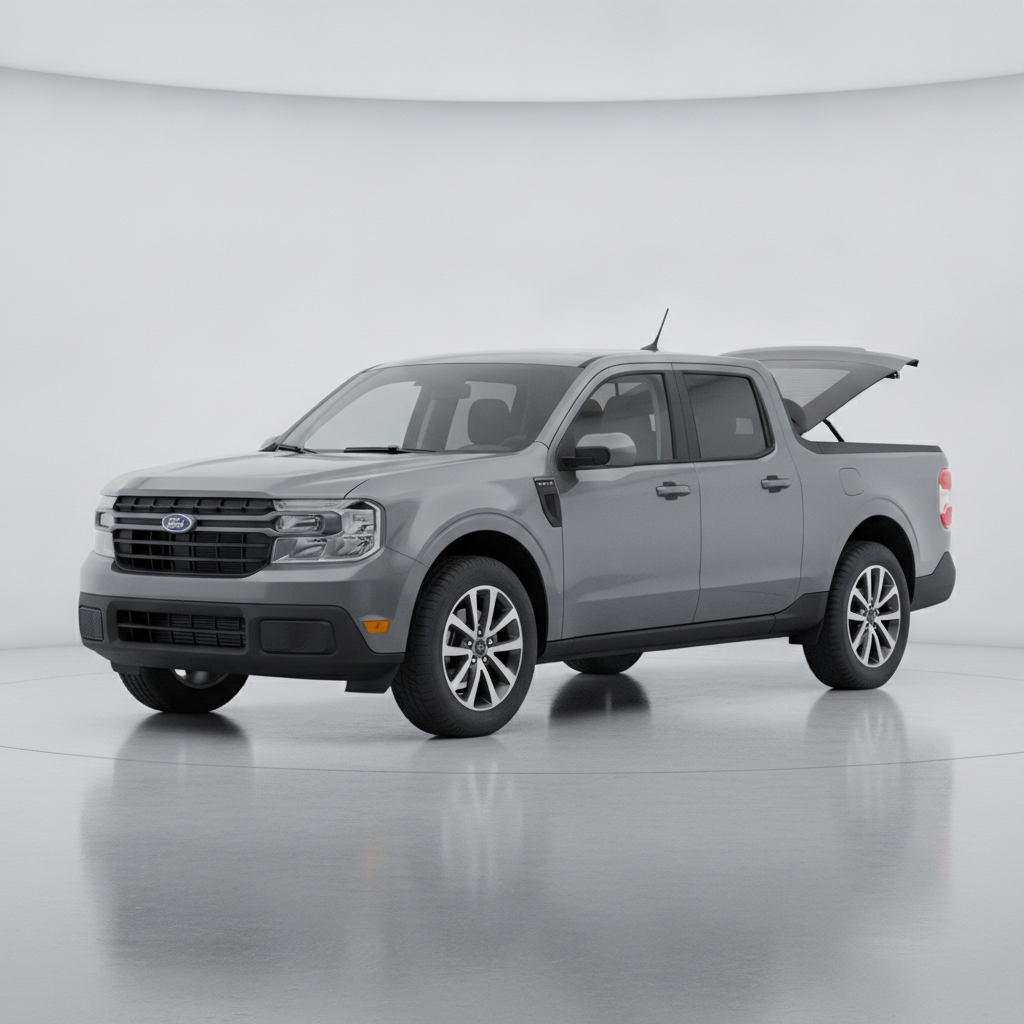
For buyers who want to minimize both tariff and rate exposure simultaneously, domestically assembled value picks represent the clearest path forward this summer. The [Ford Maverick](/cars/ford-maverick) — starting at $28,500 with a hybrid powertrain that returns 38 MPG combined — stands out as one of the last truly affordable new vehicles in a market where sub-$30,000 options have become genuinely scarce. The [Subaru Outback](/cars/subaru-outback), from $29,010 at 29 MPG combined, and the [Honda CR-V](/cars/honda-cr-v), from $30,100 at 30 MPG combined on gasoline, are both assembled domestically and carry strong resale value as a hedge against broader economic uncertainty. For truck buyers, the [Chevrolet Colorado](/cars/chevrolet-colorado) (from $31,000, 20 MPG) and the [Ford F-150](/cars/ford-f-150) (from $38,810, with a hybrid option) are built in the U.S. and sidestep the cross-border supply-chain complications that ongoing USMCA tensions could introduce.
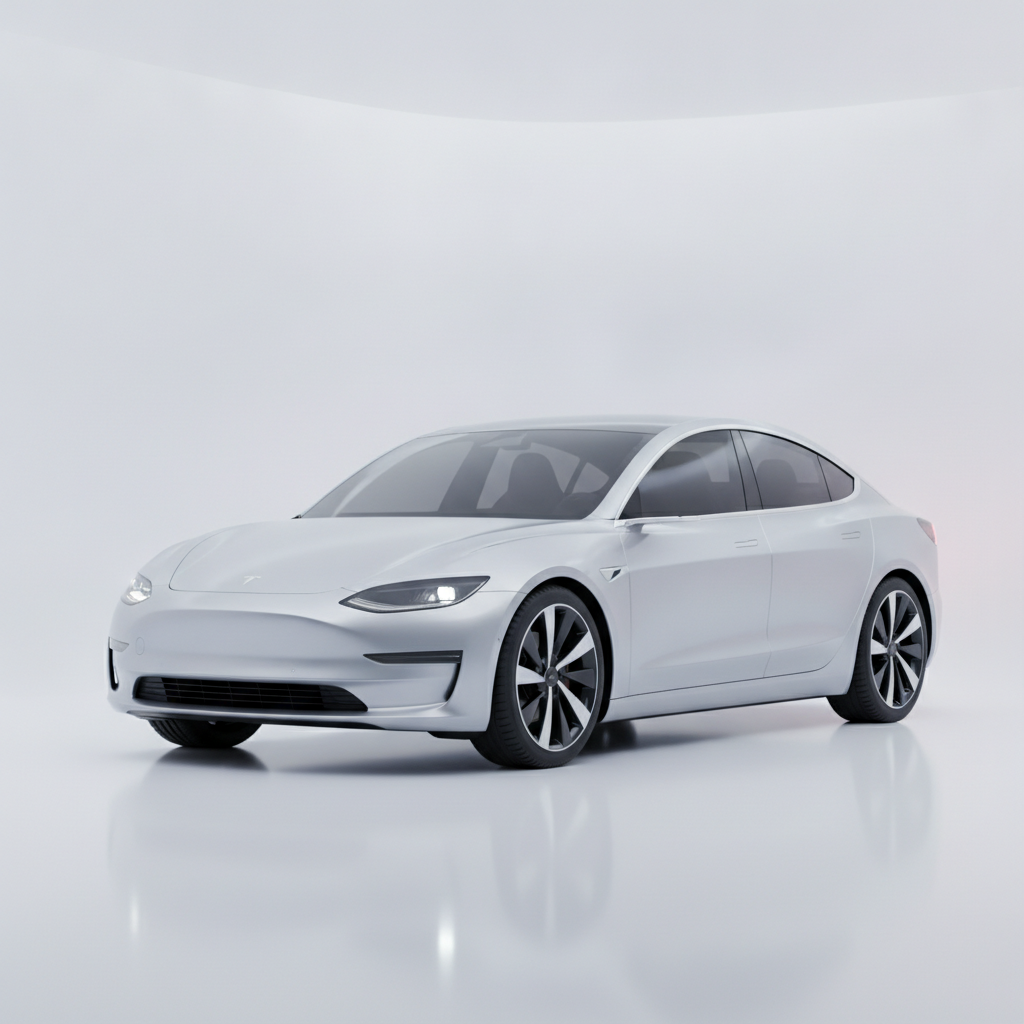
On the EV front, the domestic-assembly advantage is equally pronounced. The [Tesla Model 3](/cars/tesla-model-3), from $42,490 at 132 MPGe, and the [Ford Mustang Mach-E](/cars/ford-mustang-mach-e), from $37,000 at 98 MPGe, are U.S.-assembled and carry zero EU tariff exposure. The [Tesla Model Y](/cars/tesla-model-y), from $44,990 at 123 MPGe, adds practical cargo utility to those economics and remains one of the most efficient five-seat SUVs available at its price point. Contrast these with the [BMW i4](/cars/bmw-i4): despite its impressive 103 MPGe efficiency rating, it is assembled in Germany, and any escalation in EU-US tariffs would make its $58,000 entry price considerably less predictable than it appears today. Buyers drawn to European EVs should build a modest tariff-risk buffer into their budget.
The practical takeaway for mid-2026 is this: buy domestic, buy efficient, and act before the next Fed move. The macro backdrop — a central bank on hold but tilted hawkish, sticky inflation, and unresolved transatlantic trade friction — means that waiting carries real, concrete risk of higher monthly payments and higher sticker prices, particularly on imported vehicles. If your shortlist is anchored to a domestically built model like the Maverick, Accord Hybrid, or Model Y, current conditions are about as favorable as they are likely to be in the near term. If you are set on a European import, watch EU-US trade negotiations closely: a deal would be a clear signal to proceed, while a breakdown could push prices on models like the C-Class or Q5 noticeably higher before the end of the year.