Tariff Blowback & Rate Hike Fears: 5 Car Buys for July 2026
With inflation at a 3-year high threatening Fed rate hikes and tariffs backfiring on U.S. automakers, the car-buying math for mid-2026 is more complex — and more navigable — than the headlines suggest.
Inflation climbed to a three-year high in June 2026, putting the Federal Reserve under renewed pressure to raise interest rates at precisely the moment when the average new vehicle price is closing in on $50,000 — a figure once reserved for premium models now creeping into mainstream segments. Compounding the squeeze, tariffs rolled out to protect U.S. automakers are producing a paradoxical outcome: by disrupting the cross-border supply chains woven into North American production, those duties are lifting costs for the very manufacturers they were meant to shield. The USMCA trade framework faces fresh uncertainty as well, and oil prices remain a wildcard that analysts say will shape the U.S. economic picture through at least 2031. For car buyers watching all of this unfold, the question is no longer whether the market is expensive — it is — but which purchases still make financial sense right now.
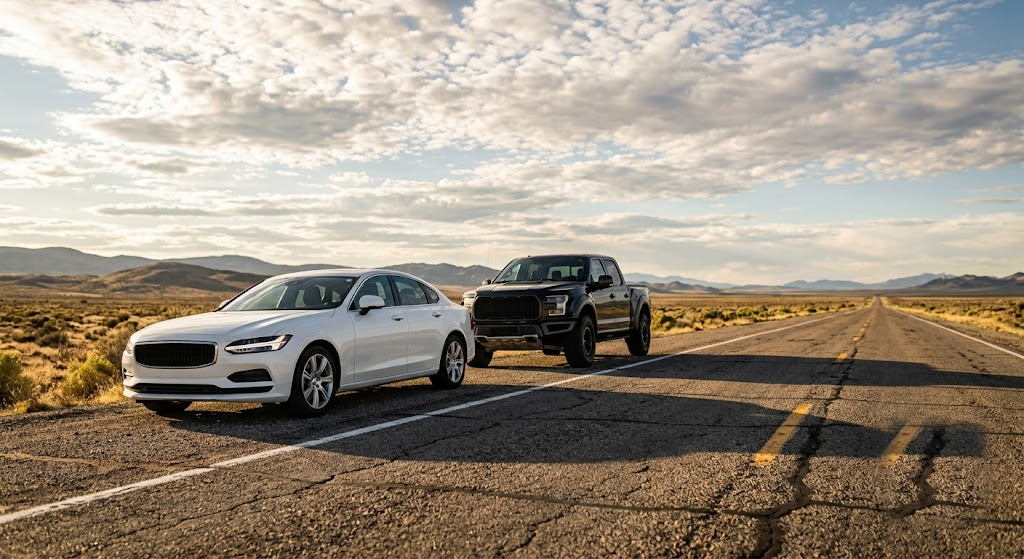
The rate-hike threat hits hardest in the financing column. At today's already-elevated loan rates, the monthly payment on a $45,000 vehicle financed over 60 months runs roughly $850–$900 depending on credit tier, before insurance costs that have themselves risen sharply. A further Fed move could add $10–$15 per month per quarter-point increase — a number that feels small but compounds to several hundred dollars over a five-year loan. For buyers drawn to import luxury sedans, that rate sensitivity stacks directly on top of tariff-driven sticker pressure. The [Audi A4](/cars/audi-a4) (from $42,000, 27 MPG combined) and the [BMW 3 Series](/cars/bmw-3-series) (from $45,950, 30 MPG combined) are absorbing import duties that leave dealers with thin margin and limited room to negotiate. These remain genuinely excellent cars, but the current macro environment makes it substantially harder to find the transaction discount that would previously have offset the tariff premium.
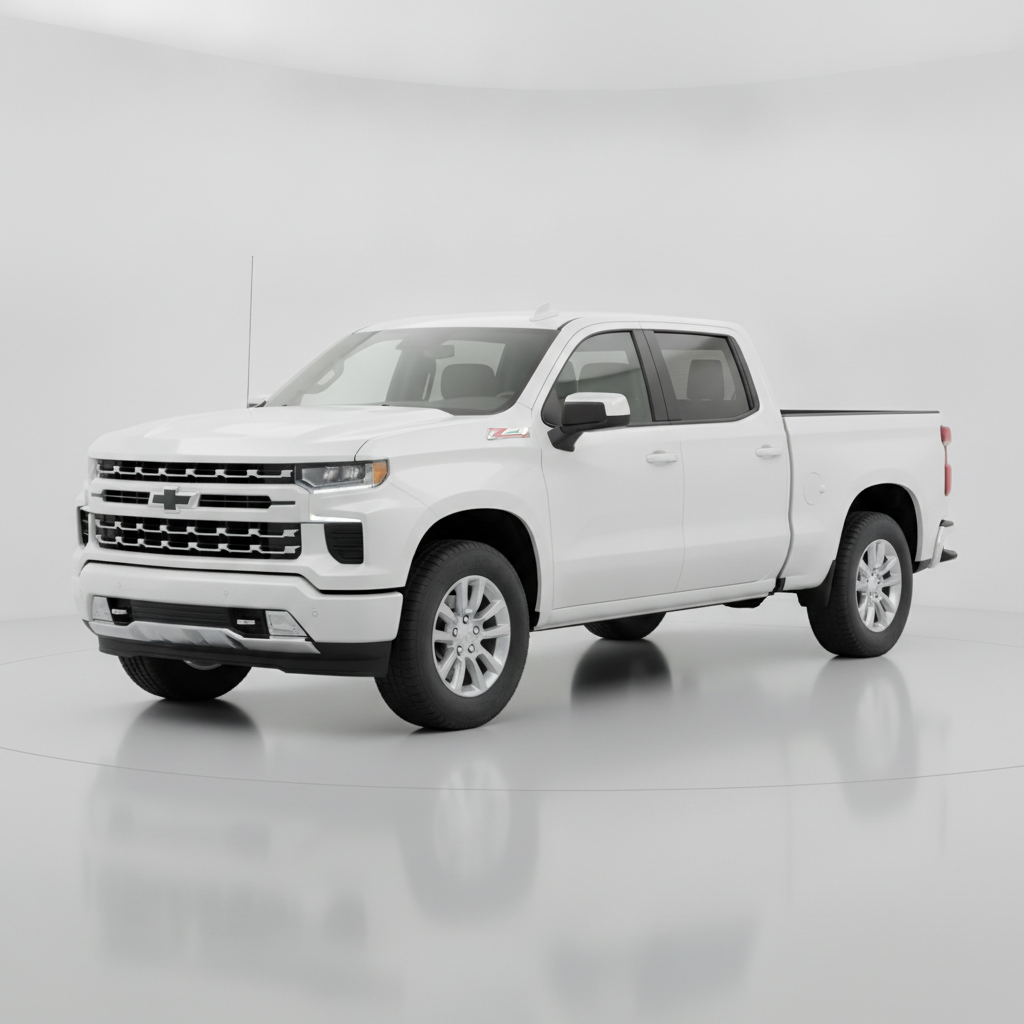
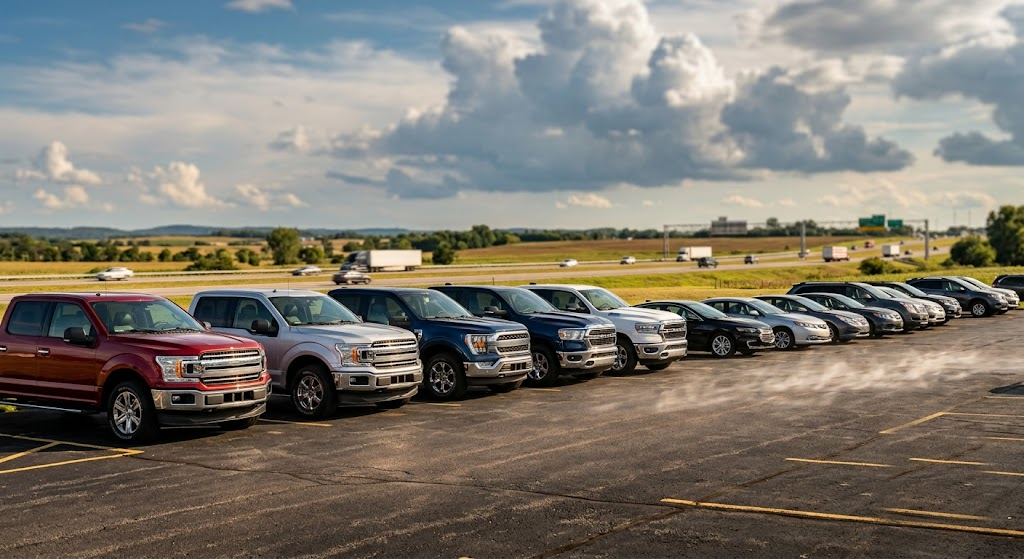
The cleanest path through this pricing landscape runs through North American assembly plants. The [Ford F-150](/cars/ford-f-150) (from $38,810, 20 MPG combined) and the [Chevrolet Silverado](/cars/chevrolet-silverado) (from $37,000, 21 MPG) carry minimal exposure to import tariffs and benefit from supply chains that, while stressed by USMCA ambiguity, remain fundamentally domestic. Both trucks carry strong resale values that act as a partial hedge against depreciation in a volatile market — an important consideration when elevated financing costs mean you are paying more for the privilege of owning a depreciating asset. For buyers who do not need full-size truck capacity, the [Chevrolet Equinox](/cars/chevrolet-equinox) (from $29,995, 28 MPG combined) is one of the few tariff-insulated SUVs that still clears the $30,000 threshold, assembled in the U.S. and genuinely practical for daily family use without pushing into the financial danger zone the headlines are describing.
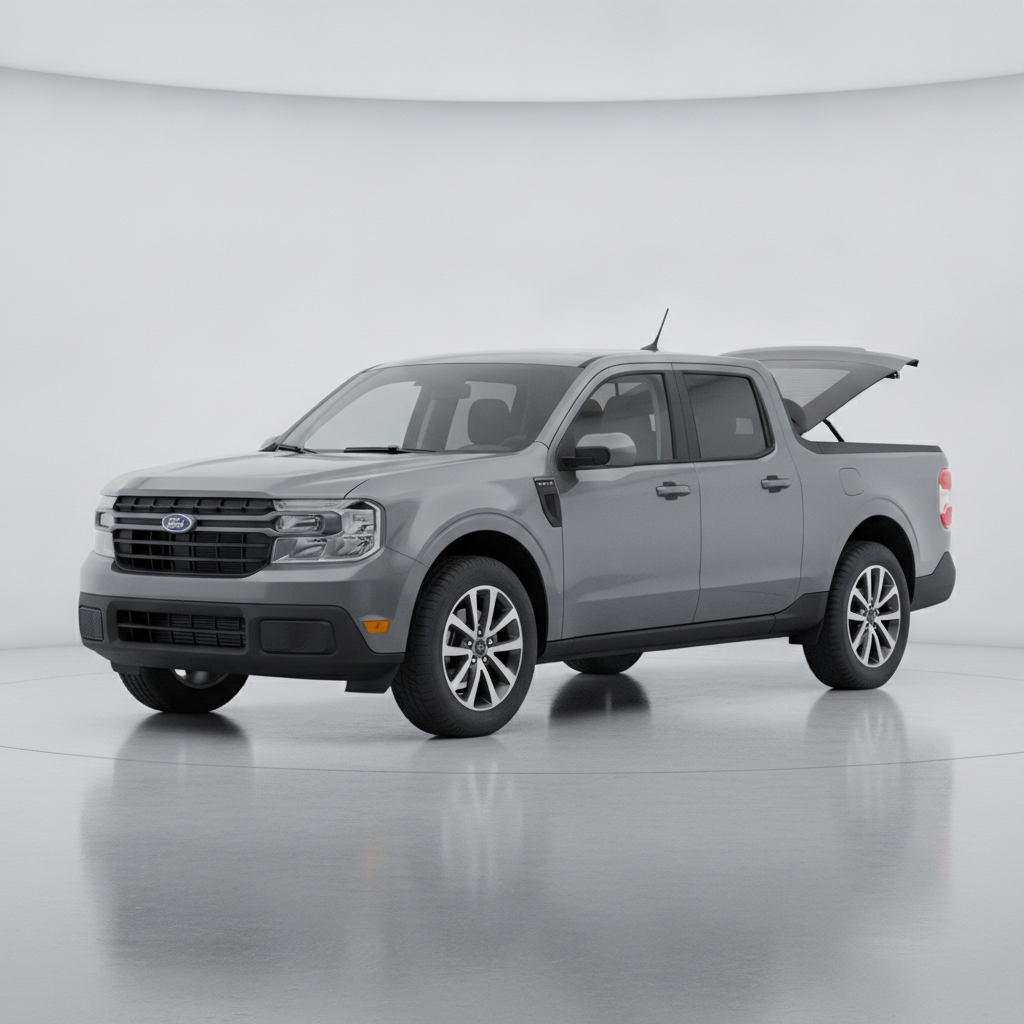
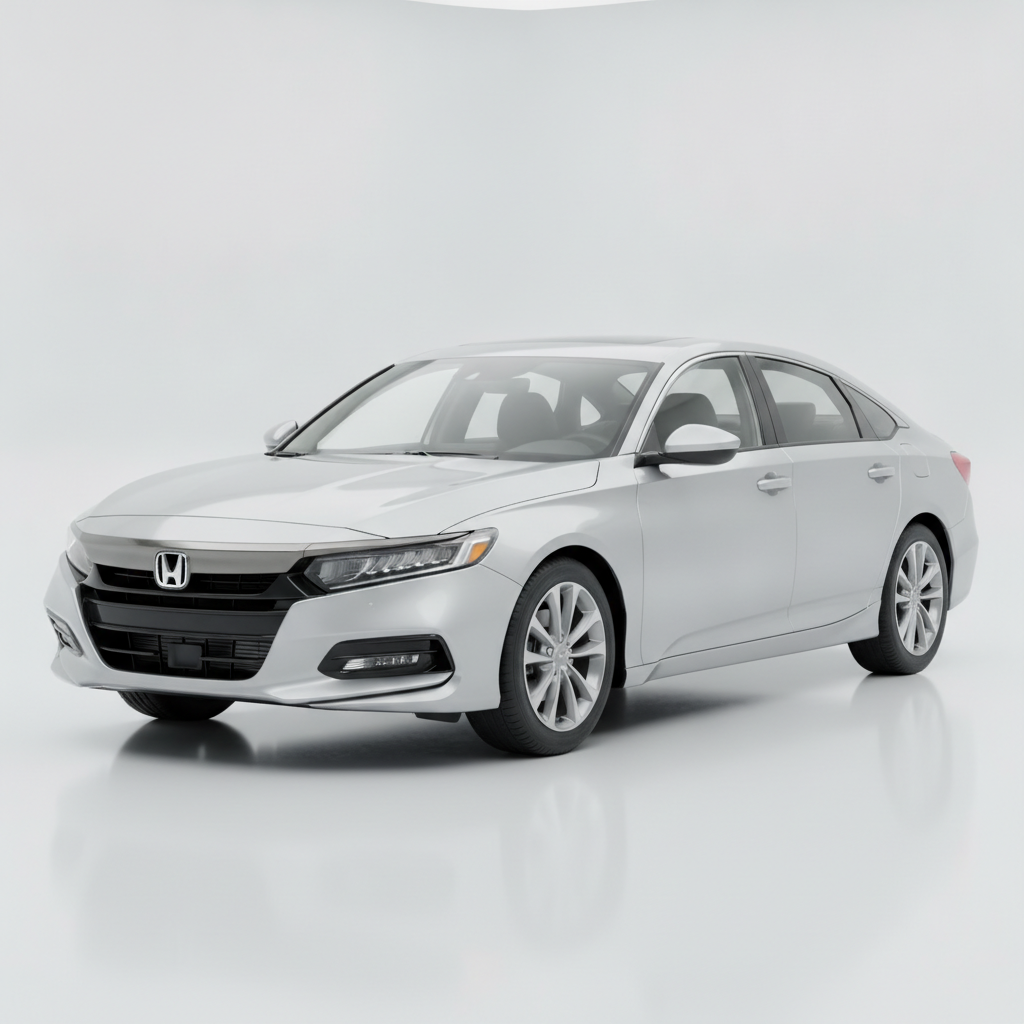
On the fuel-efficiency front, oil price volatility makes high-MPG vehicles a concrete economic hedge, not just a feel-good choice. The [Honda Accord](/cars/honda-accord) hybrid (from $28,990, up to 48 MPG combined) delivers near-premium cabin quality at a sub-$30K entry point, is assembled domestically, and limits its tariff exposure while its fuel savings over a gasoline competitor can realistically amount to $800–$1,200 per year depending on drive patterns — meaningful insulation if oil prices move higher again. The [Ford Maverick](/cars/ford-maverick) hybrid (from $28,500, 38 MPG combined) makes an equally compelling case: truck-bed utility, car-like fuel economy, and one of the lowest base prices on any new vehicle in 2026. Both represent a rare purchase that hedges simultaneously against a rate hike, a fuel-price surge, and the long-term ownership cost creep that is hammering American families right now.
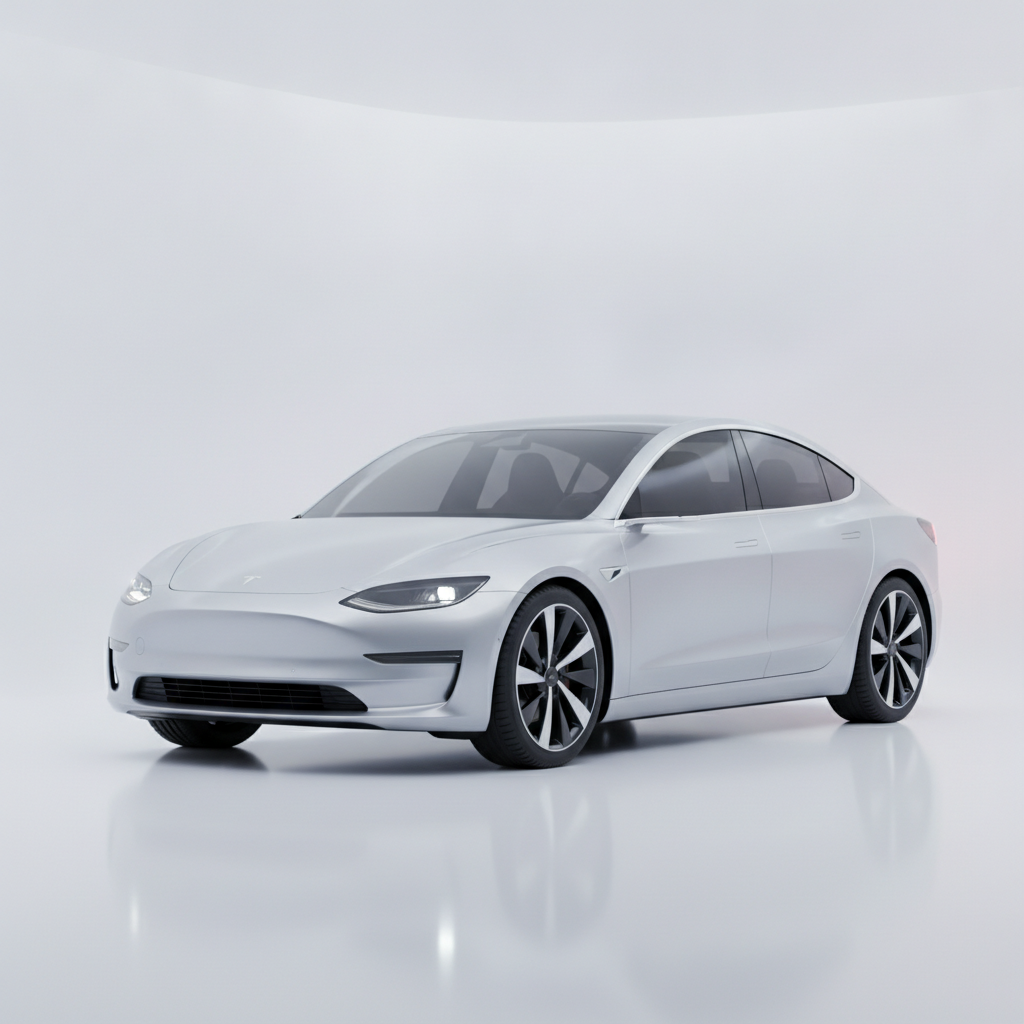
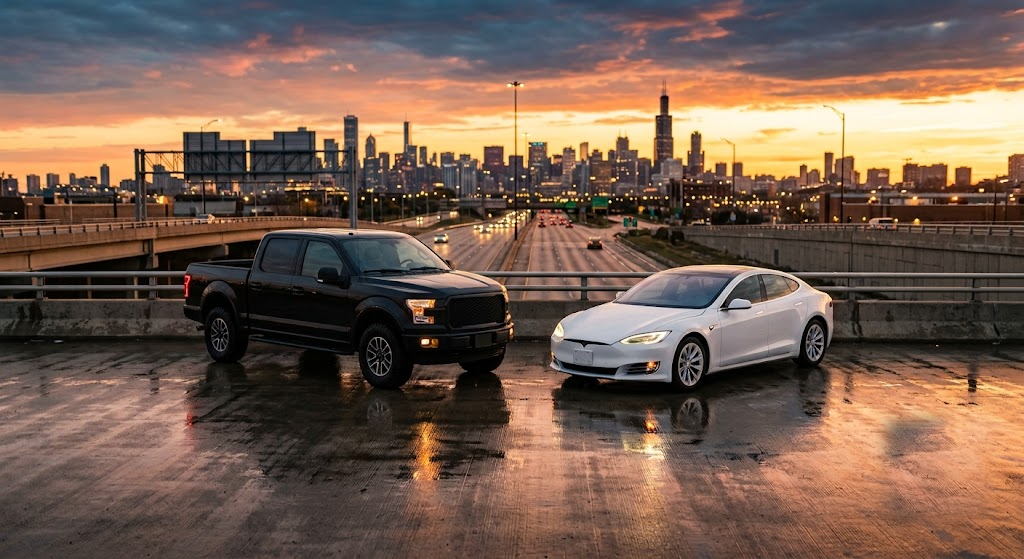
Electric vehicles present their own tariff calculus. The [Tesla Model 3](/cars/tesla-model-3) (from $42,490, 132 MPGe) is assembled in the United States and sidesteps the import duty conversation entirely while cutting per-mile fuel costs to roughly a quarter of what a comparable gasoline vehicle requires. The economics favor buyers who plan to hold the car five years or longer and have reliable home or workplace charging — at elevated borrowing rates, the math on a shorter ownership horizon is tighter. If the budget stretches toward the mid-$40s and cargo space is a priority, the [Tesla Model Y](/cars/tesla-model-y) (from $44,990, 123 MPGe) adds crossover practicality with the same tariff-free domestic assembly and dramatically lower running costs than any gasoline SUV in the segment.
The practical takeaway for July 2026 is this: act on domestically built vehicles before any Fed rate decision lands, prioritize fuel efficiency as a long-term running-cost hedge, and approach import-heavy nameplates — especially European luxury — with clear eyes about the limited room for dealer discount. Under $30,000, the Maverick, Accord, and Equinox are the most defensible choices available. In the $38K–$45K range, the F-150 and Model 3 stand out as models where macro headwinds are best managed. Above $50,000 on a European nameplate, consider whether waiting 60–90 days for any tariff policy adjustment — which the current political pressure cycle suggests is at least being debated — could meaningfully improve your transaction price. In a market where nearly every macro variable is moving against the buyer, specificity and timing are the only real advantages left.