Rates Frozen, Tariffs Rising: 5 Smart Car Buys for 2026
With the Fed on hold but signaling future hikes and EU-US tariff tensions unresolved, the mid-2026 car market rewards buyers who know which models are insulated — and which are exposed.
New Federal Reserve chair Kevin Warsh made headlines in mid-June 2026 when he held interest rates steady at his inaugural press conference — but left little doubt that the Fed is leaning toward future hikes if inflation does not continue its retreat. That rate posture arrives at the exact moment EU-US trade tensions and a still-unsettled Canada-US tariff timeline are adding cost layers to vehicles assembled outside U.S. borders. The compounding effect is a car market squeezed from two directions simultaneously: borrowing costs remain elevated with no near-term relief in sight, and the vehicle supply chain — particularly for European luxury brands and Canadian-assembled models — faces tariff exposure that typically reaches dealer sticker prices within weeks of any policy change. Making matters sharper, the market for genuinely affordable new cars has narrowed dramatically, with sub-$30,000 options nearly disappearing from U.S. showrooms. Knowing which macroeconomic forces hit which models — and which vehicles are insulated from them — is now essential homework for any serious buyer.
The tariff picture is clearest for buyers considering German-assembled vehicles. EU-US trade tensions remain unresolved, and import duties on European goods are still an active policy variable. Models built primarily in Germany — including the [Audi A4](/cars/audi-a4) (starting around $42,000, 27 MPG combined) and the [BMW 3 Series](/cars/bmw-3-series) (from $45,950, 30 MPG combined) — carry meaningful exposure to tariff-driven price increases that manufacturers have historically passed through to U.S. buyers rather than absorbed at the factory level. The [Mercedes-Benz C-Class](/cars/mercedes-benz-c-class) ($47,900, 28 MPG combined), assembled in Germany, sits in the same risk category. None of this makes these cars poor choices — their quality and driver ratings remain genuinely high — but buyers should recognize they may be looking at price floors that could move upward before any EU trade framework is finalized. If European luxury is on your shortlist, getting a firm written dealer quote today offers more protection than waiting to see how negotiations develop over the coming months.
The interest-rate environment compounds the tariff story for anyone planning to finance. With Fed chair Warsh signaling a clear bias toward future hikes to contain inflation, auto loan rates are not heading lower anytime soon. A buyer financing $45,000 over 60 months at today's prevailing rates faces monthly payments roughly $200 to $250 higher than the same loan would have cost at 2021 rate levels — a real and recurring household expense. This shifts the efficiency calculation meaningfully: highly fuel-efficient models and EVs partially offset elevated financing costs through significantly lower per-mile energy expenses across a five-year ownership window. When monthly loan payments are fixed and high, a vehicle that saves $100 to $150 each month in fuel or charging costs makes the total-cost math work in a way it simply did not during the cheap-money era.
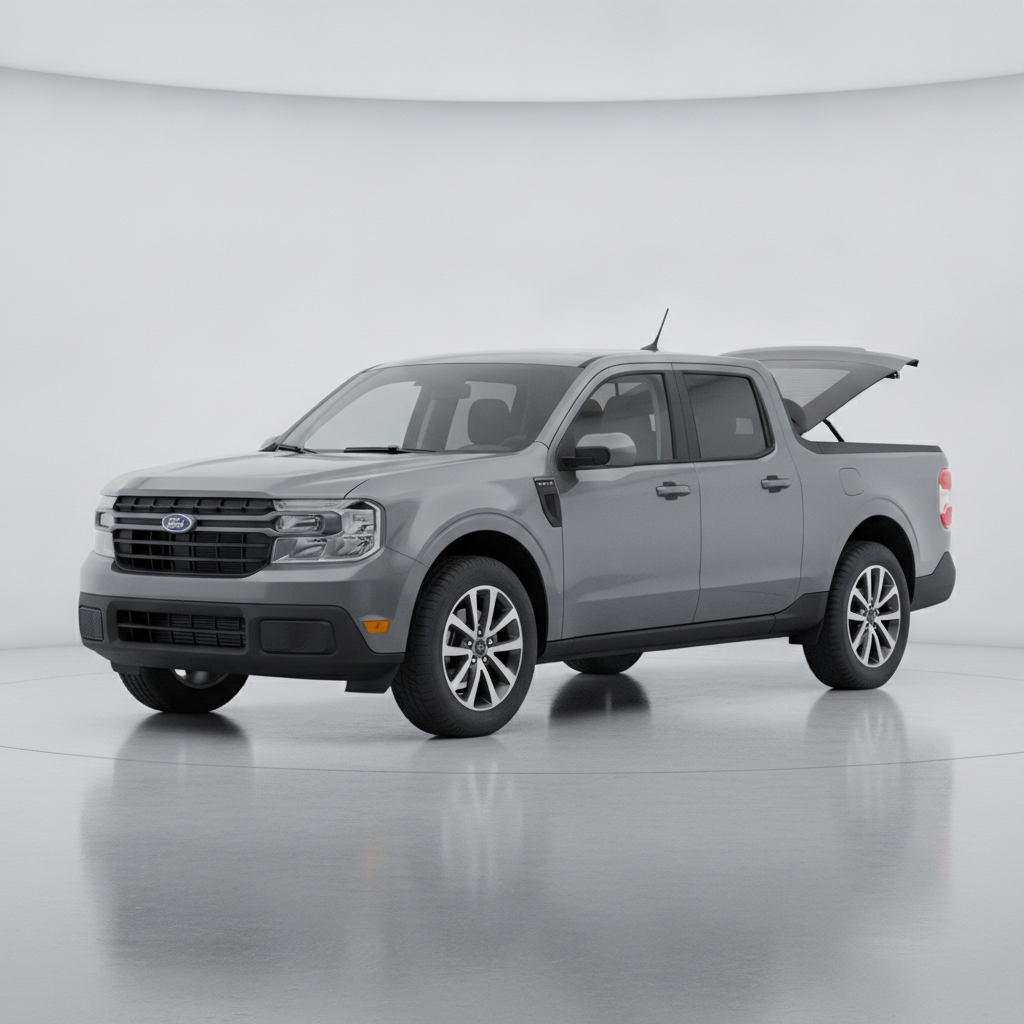
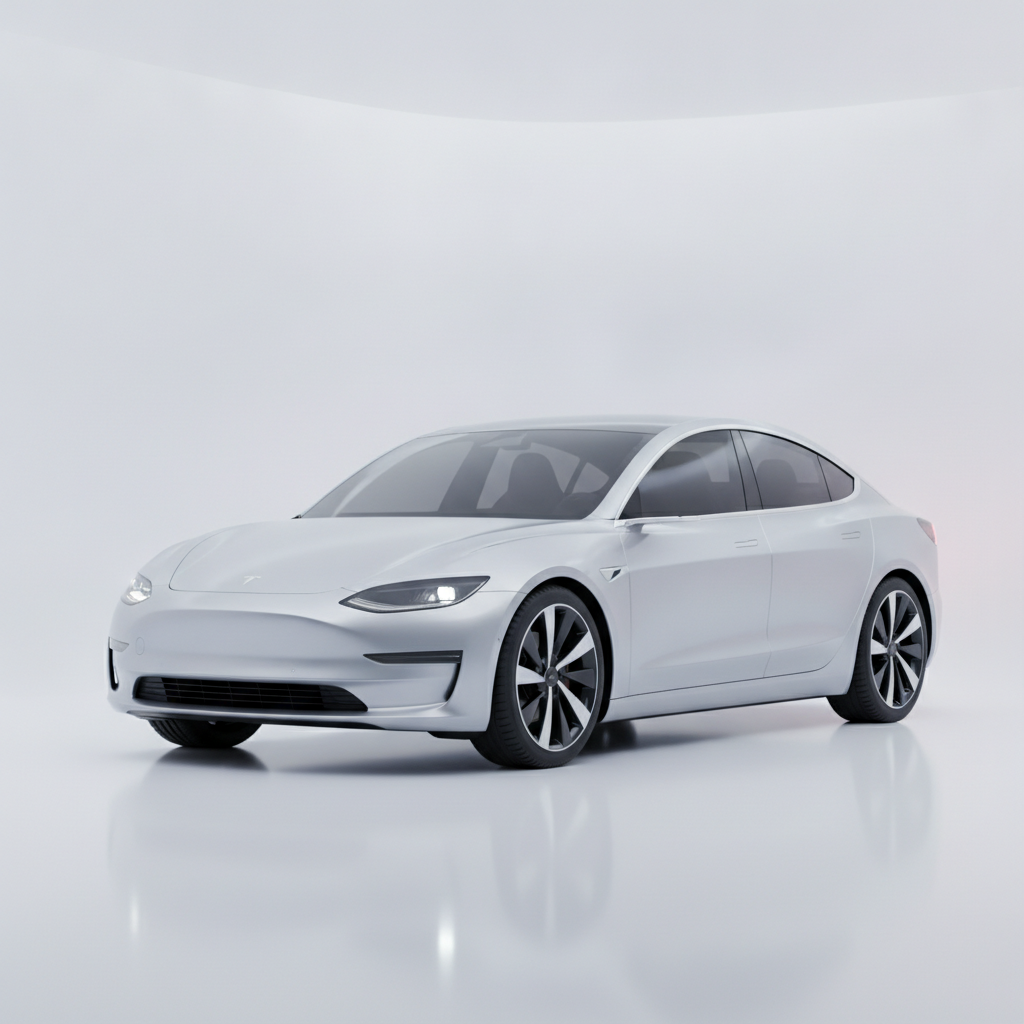
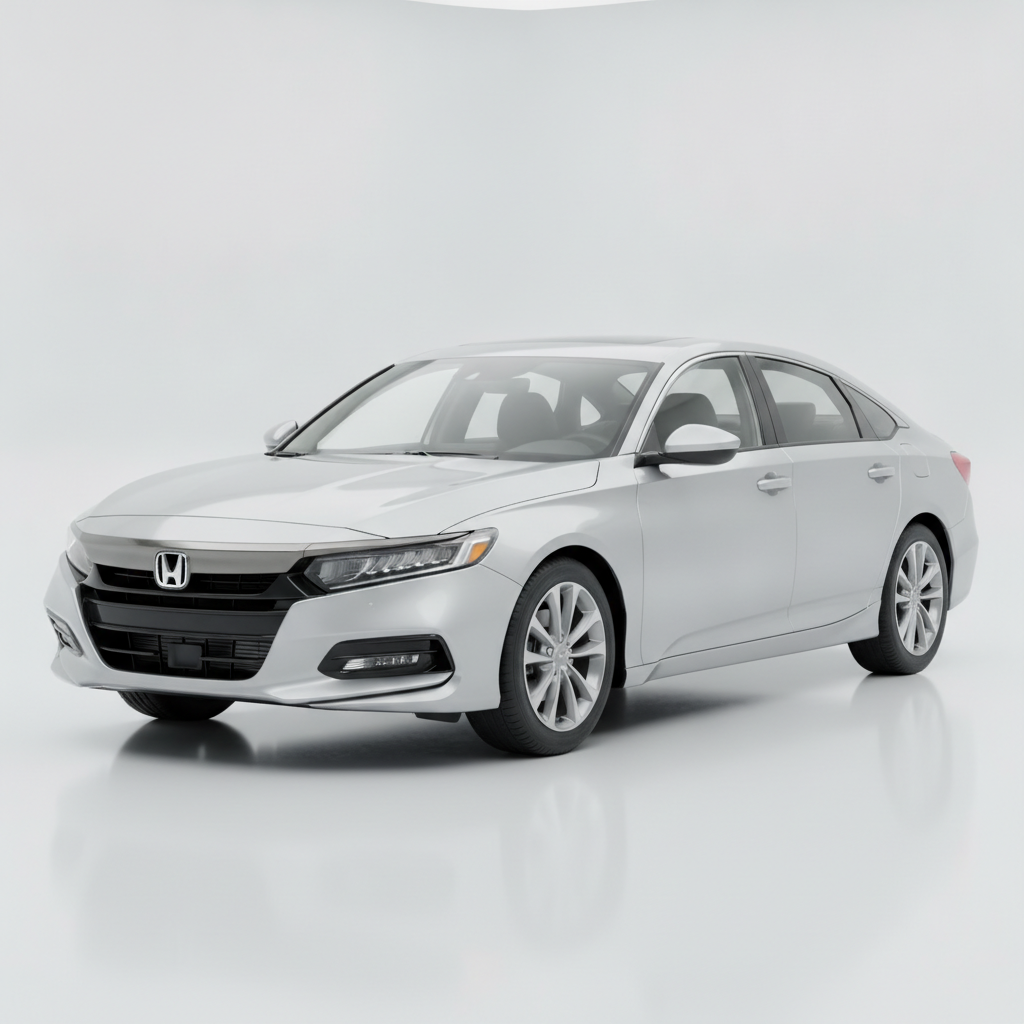
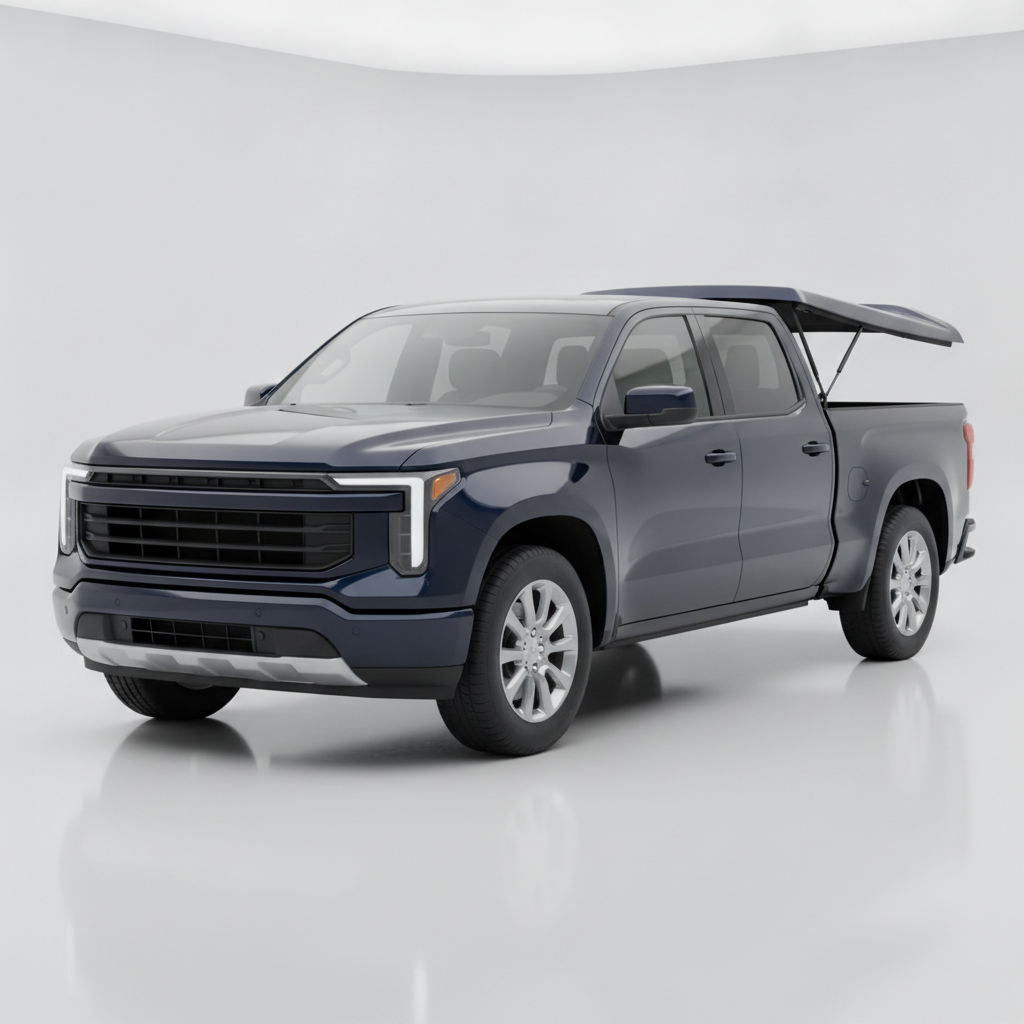
Against that backdrop, several domestically assembled, high-efficiency models stand out as smart near-term buys. The [Ford Maverick](/cars/ford-maverick) ($28,500 starting, hybrid at 38 MPG combined) is arguably the sharpest value in the current market: U.S.-assembled, genuinely efficient, and one of the last vehicles still priced below the shrinking sub-$30,000 threshold. The [Chevrolet Colorado](/cars/chevrolet-colorado) ($31,000, 20 MPG) is a domestically produced midsize pickup with no EU tariff exposure, ideal for buyers who need truck capability without full-size pricing. For buyers open to going electric, the [Tesla Model 3](/cars/tesla-model-3) ($42,490, 132 MPGe) and [Tesla Model Y](/cars/tesla-model-y) ($44,990, 123 MPGe) are both assembled in the U.S. and carry essentially zero tariff risk — and at current electricity rates their effective per-mile energy cost undercuts virtually every gasoline alternative on this list. The [Honda Accord](/cars/honda-accord) Hybrid ($28,990, 48 MPG combined) and the [Subaru Outback](/cars/subaru-outback) ($29,010, 29 MPG combined) round out the practical, tariff-insulated options for buyers who want an efficient daily driver without luxury-segment exposure or import risk.
Buyers drawn to European luxury SUVs face the most near-term uncertainty and should tread carefully. The [BMW X5](/cars/bmw-x5) (from $66,200), the [Audi Q7](/cars/audi-q7) (from $60,500), and the [Mercedes-Benz GLC](/cars/mercedes-benz-glc) (from $48,050) all carry significant EU manufacturing footprints, meaning their U.S. prices are directly sensitive to how tariff negotiations evolve. If an EU-US trade framework materializes before year-end, pricing on these models could stabilize — but if talks stall or escalate, additional cost pass-throughs become the more likely scenario. The [Genesis GV70](/cars/genesis-gv70) ($49,350, 24 MPG) presents a slightly different risk profile as a South Korea-assembled vehicle subject to a separate tariff track, making it worth a closer look for buyers who want European-level interior refinement without identical EU-specific exposure. Buyers who can defer a luxury SUV decision by three to six months may gain meaningful clarity from the trade calendar before committing.
The practical playbook for mid-2026 is straightforward: move with purpose on domestically assembled, fuel-efficient models before any new Fed rate hike raises financing costs further, and exercise patience if your target vehicle carries meaningful EU or Canadian import exposure. The Ford Maverick, Chevrolet Colorado, Tesla Model 3, and Honda Accord Hybrid all occupy a genuine sweet spot right now — domestic assembly, proven efficiency ratings, and pricing that has not yet been distorted by trade friction. If German luxury is non-negotiable, secure a written dealer price today: that number is likely better than what arrives after the next tariff development. On loan structure, the instinct to stretch to 72 months for lower monthly payments is understandable given current sticker prices, but with rates potentially moving higher the 60-month option remains the smarter total-cost bet. The macro environment is complex, but it is navigable — buyers who treat assembly origin and fuel economy as primary filters alongside price will make decisions they are still comfortable with a year from now.