Market Volatility & $50K Cars: 5 Buys That Still Add Up
With the average new vehicle approaching $50,000, USMCA trade policy in flux, and the Fed frozen on rates, July 2026 demands a smarter car-buying strategy—here are 5 models that still make economic sense.
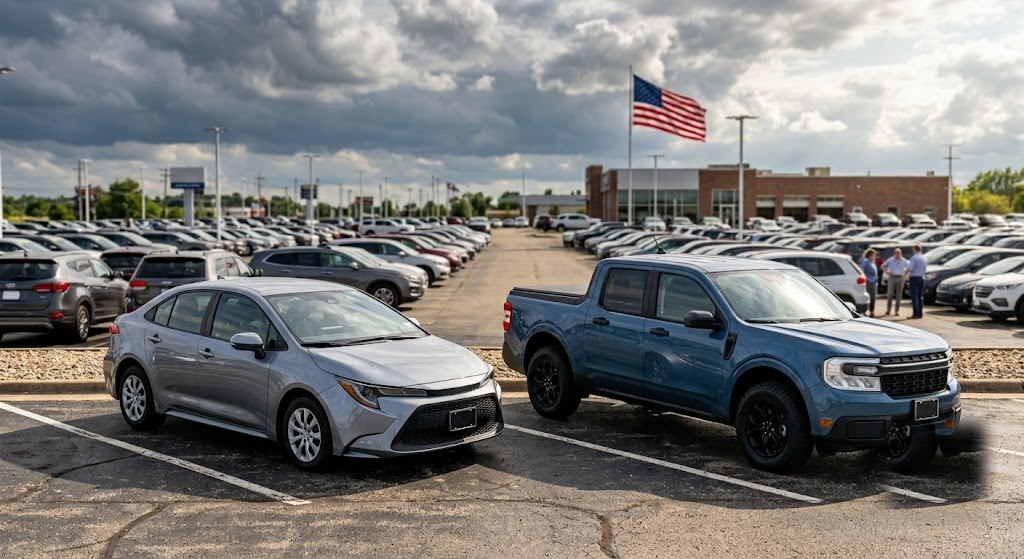
The US new-car market is confronting a rare convergence of economic pressures as 2026 moves into its second half. Industry analysts have flagged a lasting decline in US car sales tied directly to an affordability crunch, with average transaction prices pushing toward — and in many segments surpassing — $50,000. The Federal Reserve has held interest rates steady rather than cutting, leaving auto loan rates stubbornly elevated for a second consecutive year. Meanwhile, the future of the USMCA trade agreement remains dangerously uncertain, rattling supply chains that stretch from Michigan assembly lines to parts suppliers across Canada and Mexico. And the Trump administration's tariff schedule, updated as recently as July 2, continues to impose meaningful duties on vehicles and components imported from outside North America — pressure that flows directly into dealer sticker prices and, ultimately, into the monthly payments that are pushing millions of would-be buyers to the sidelines.
For shoppers considering European imports, the tariff environment is the most immediate concern. The [Audi A4](/cars/audi-a4), starting around $42,000 and returning 27 MPG combined, and the [BMW 3 Series](/cars/bmw-3-series), from $45,950 at 30 MPG combined, are both affected by elevated import duties that have nudged entry prices well above where they stood two years ago. Larger European SUVs face even steeper exposure: the [BMW X5](/cars/bmw-x5) opens at $66,200 and the [Audi Q7](/cars/audi-q7) at $60,500 — figures that, when financed at current elevated APRs, can push monthly payments well past $1,300. The counterintuitive advice here is to move sooner rather than later if you have your heart set on one of these vehicles: additional tariff escalation under current trade policy is considerably more likely than a rollback, meaning today's price may look like a deal compared to what follows.
North American-assembled vehicles are better insulated from acute tariff shock, though USMCA uncertainty means that advantage is not guaranteed to last. The [Ford F-150](/cars/ford-f-150), built in Michigan and Kansas City and starting at $38,810, remains one of the most tariff-resilient choices in the full-size truck segment — and its available hybrid powertrain adds meaningful fuel savings at a time when running costs matter as much as purchase price. The [Chevrolet Silverado](/cars/chevrolet-silverado), from $37,000, shares comparable domestic-assembly advantages. For buyers who need truck capability without the full-size footprint or price, the [Chevrolet Colorado](/cars/chevrolet-colorado) at $31,000 is worth serious consideration. It is worth noting, however, that modern vehicles rely on deeply integrated cross-border supply chains — no model is entirely immune to trade-policy disruption, even those assembled on US soil, and buyers should monitor developments as USMCA negotiations progress through the summer.
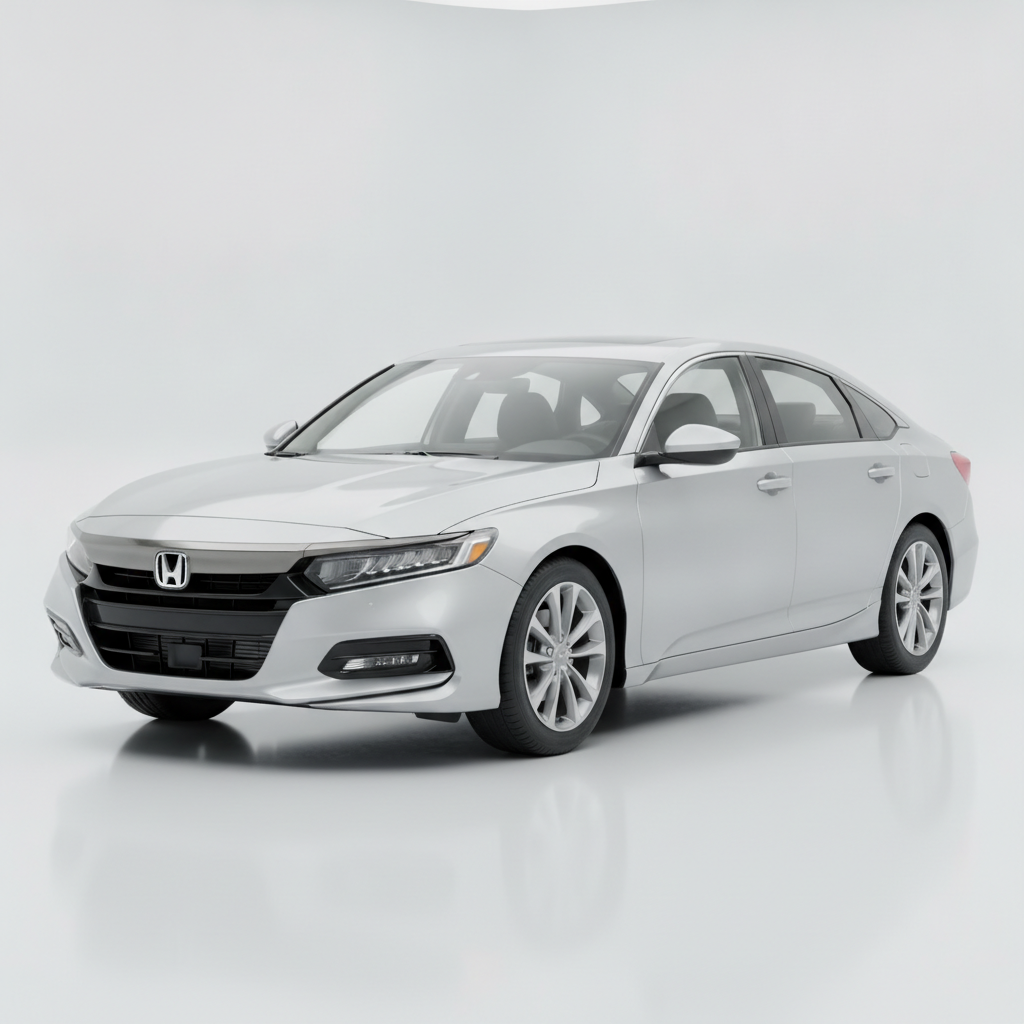
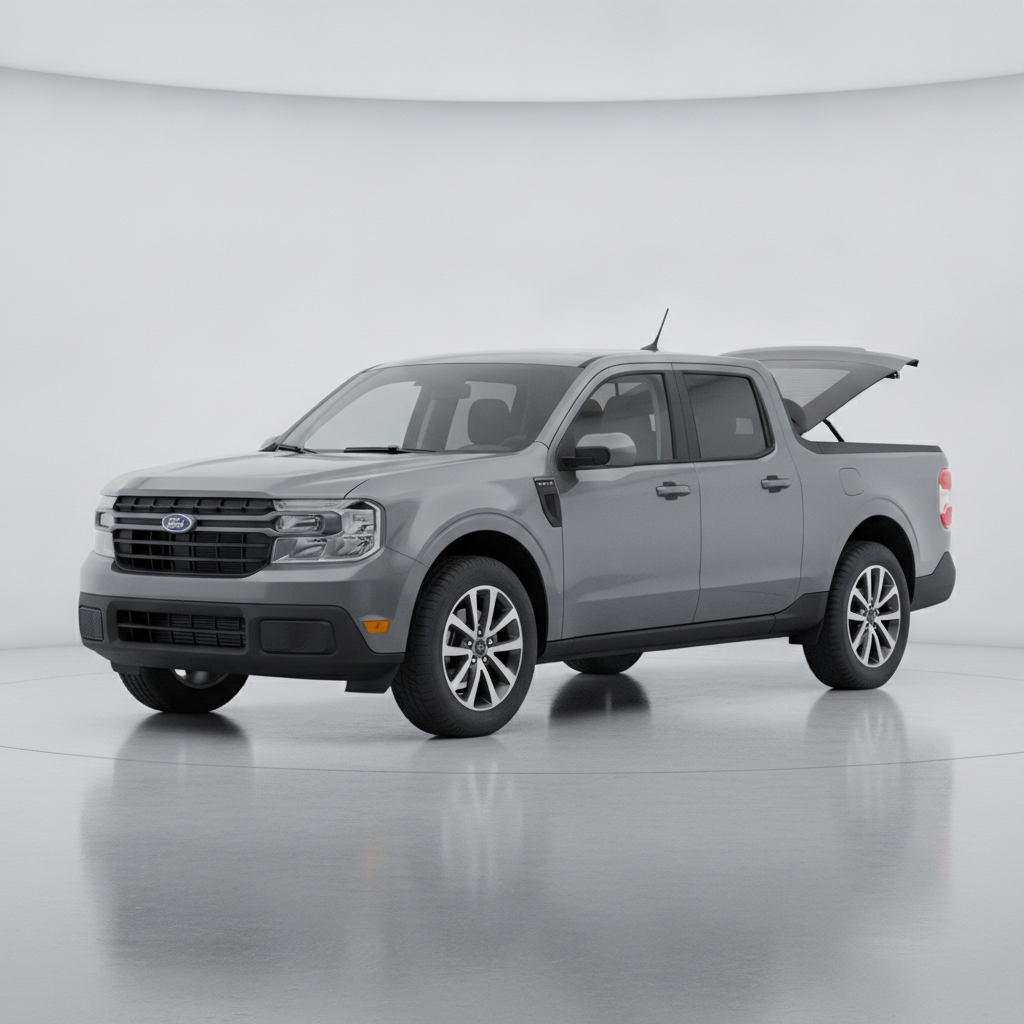
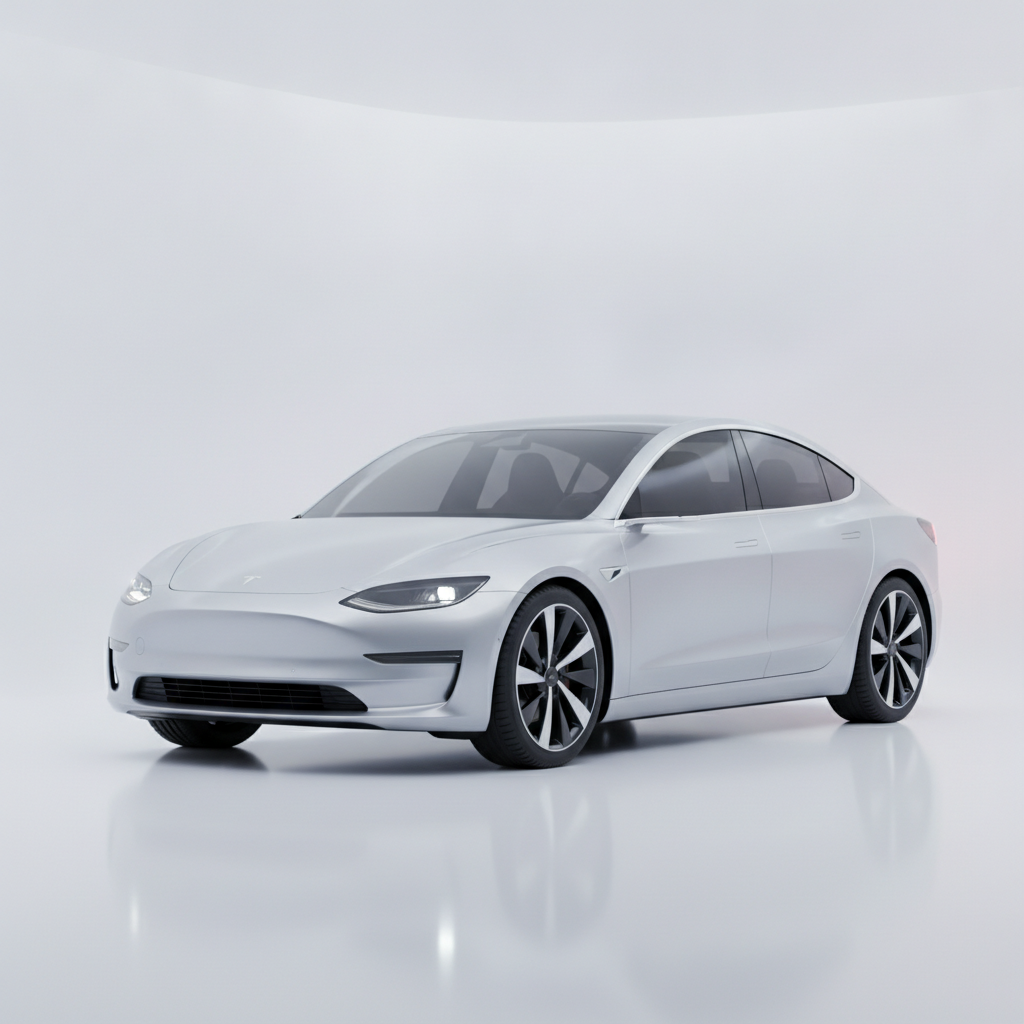
With financing costs elevated, fuel efficiency has rarely mattered more to total cost of ownership, and this is where the first four of our five recommended buys earn their place. The [Honda Accord Hybrid](/cars/honda-accord), from $28,990 and rated at up to 48 MPG combined, is arguably the strongest all-around value proposition in the current market: a lower purchase price than any mid-tier luxury sedan, lower financing exposure, and a fuel bill that stays manageable even if gasoline trends back toward $4 per gallon. The [Ford Maverick Hybrid](/cars/ford-maverick), from $28,500 at 38 MPG combined, delivers genuine truck utility at a price point that insulates buyers from both tariff risk and high-rate financing pain — it is the rare vehicle that fits comfortably under $30,000 while still earning a 4.4-star rating. The [Subaru Outback](/cars/subaru-outback), from $29,010 at 29 MPG combined, rounds out the sub-$30K tier with standard AWD and strong long-term reliability. For buyers who can charge at home, the [Tesla Model 3](/cars/tesla-model-3) at $42,490 and 132 MPGe effectively eliminates the gasoline variable from the budget entirely — a compelling argument when both fuel costs and financing rates are running hot simultaneously.
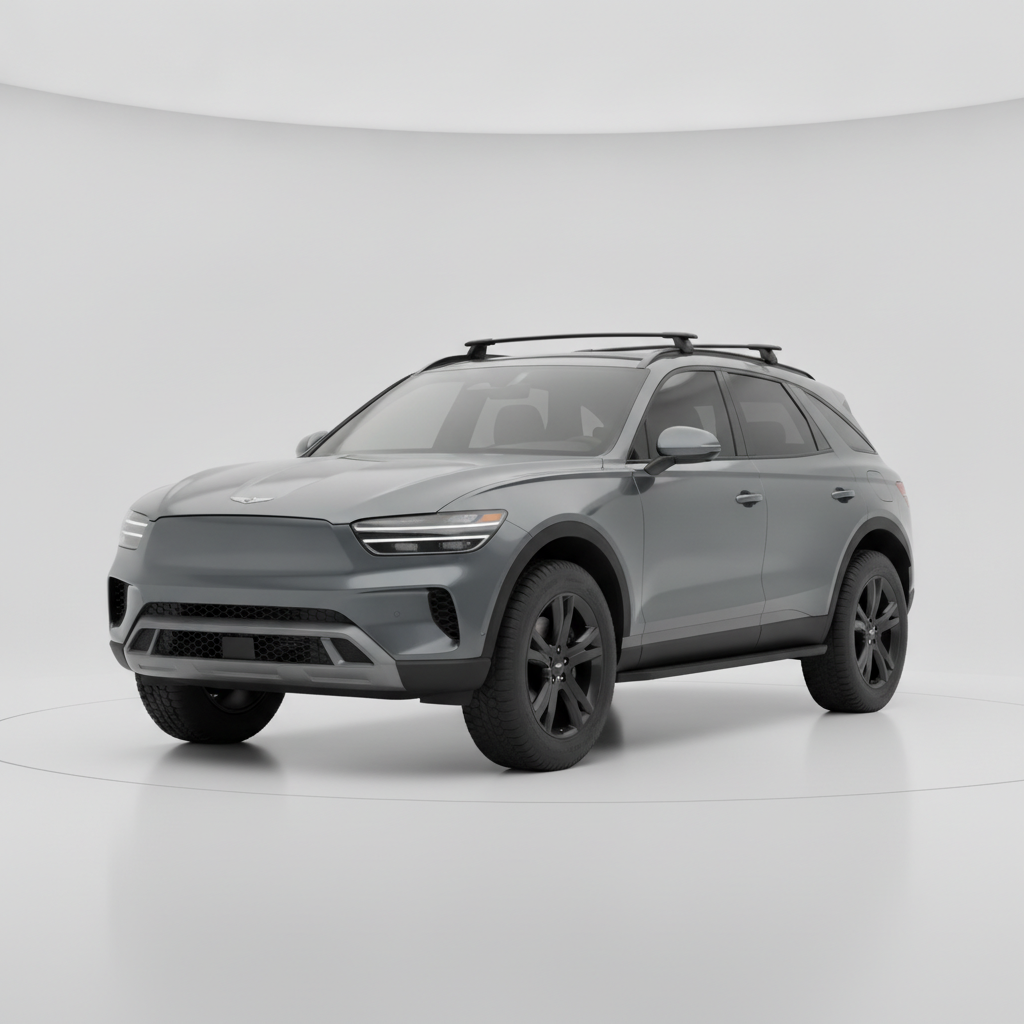
The fifth recommendation targets buyers who want premium-SUV quality but are unwilling to absorb the full tariff surcharge that European luxury brands now carry. The [Genesis GV70](/cars/genesis-gv70), starting at $49,350, is rated 4.5 stars, undercuts comparable German rivals by a meaningful margin, and carries a Korean-origin tariff profile that is currently less volatile than the European import picture under prevailing trade policy. It is also worth noting that falling overall sales volumes are giving buyers genuine negotiating leverage for the first time in years: analysts tracking the affordability crisis observe that dealers are increasingly motivated to move inventory, which means real room exists to push back on MSRP, financing add-ons, and dealer fees — regardless of which vehicle you ultimately choose. The [Lexus RX Hybrid](/cars/lexus-rx), from $50,000 at 36 MPG combined, earns a similar mention for buyers leaning toward Japanese brands: strong reliability, genuine hybrid efficiency, and pricing that holds up well under a thorough total-cost-of-ownership analysis.
The practical takeaway for July 2026 is clear: the economic environment rewards specificity and discipline. Domestically assembled, fuel-efficient vehicles in the $28,000–$43,000 range — the Maverick Hybrid, Accord Hybrid, Outback, and Model 3 — offer the best available insulation from tariff risk, rate exposure, and fuel-cost volatility all at once. If you need a premium SUV, the Genesis GV70 makes a stronger economic case than its German competitors right now. If you are set on a European import regardless of the headwinds, act before the next round of tariff updates rather than after. And in every transaction, use the softer sales environment as leverage: with dealers carrying more inventory than they have in years, the negotiating room is real, meaningful, and worth every minute you spend at the table.