Iran, Fed Signals, and 5 Cars Worth Buying in July 2026
With Iranian strikes roiling US stock markets and the Federal Reserve leaning toward future rate hikes, car buyers face a stacking set of headwinds — but a narrow window of opportunity is open right now.
US stock markets sold off sharply on July 8 after news of Iranian strikes injected fresh geopolitical risk into what was already a fragile global economy. The selloff came just one day after the Federal Reserve held interest rates steady but made clear it leans toward future increases if inflation does not cooperate. That one-two punch — market volatility abroad and monetary tightening signals at home — arrives as American car shoppers are already under pressure: the average new vehicle sticker has climbed to roughly $50,000, analysts are warning of a lasting slump in sales driven by an affordability crisis, and the US auto industry is navigating genuine uncertainty following the expiration of clear USMCA trade continuity as of July 1. For car buyers, none of this is abstract — it translates directly into loan rates, import duties, fuel bills, and dealer pricing power.
The most immediate lever for most shoppers is the auto loan. The Fed's July hold is genuinely good news in the near term: the benchmark rate underpinning auto financing has not risen again — yet. But the central bank's explicit forward guidance toward future hikes means that window is temporary. Average new-car loan rates are already running well above the levels borrowers enjoyed a few years ago, and another quarter-point increase would meaningfully raise monthly payments on a typical new-car purchase. There is a second factor working in buyers' favor right now: analysts are documenting a real slowdown in US car sales tied to the affordability crunch, which means dealers are sitting on more inventory and negotiating leverage is quietly shifting back toward shoppers. The combination of a rate hold and soft demand makes July a better month to buy than most recent ones have been.
Iranian tensions historically rattle oil markets, and while analysts currently describe the near-term impact on US gas prices as relatively contained, the upside risk is real. A prolonged escalation could push average pump prices meaningfully higher by late summer. That makes fuel efficiency a smarter hedge than it was even six months ago. Vehicles rated below 25 MPG combined will cost noticeably more to operate if gasoline climbs even modestly from current levels. For buyers eyeing full-size SUVs like the [Chevrolet Tahoe](/cars/chevrolet-tahoe) (18 MPG combined, from $58,200) or the [Cadillac Escalade](/cars/cadillac-escalade) (approximately 16.5 MPG, from $87,000), the fuel-cost math tightens with every geopolitical headline.
The trade picture adds yet another layer of complexity. Without a confirmed USMCA successor, vehicles assembled in Mexico or Canada carry potential tariff exposure that automakers have not fully priced in. European luxury brands — among them the [BMW 3 Series](/cars/bmw-3-series) (from $45,950), the [Audi Q5](/cars/audi-q5) (from $45,000), and the [Mercedes-Benz GLC](/cars/mercedes-benz-glc) (from $48,050) — carry separate tariff exposure as imports from outside North America. These costs rarely appear as a transparent line item on a window sticker; they tend to surface instead as quietly reduced incentive programs or inflated "market adjustment" fees. If you are drawn to an imported European or Asian model, it is worth asking the dealer explicitly what portion of the current price reflects tariff pass-throughs.
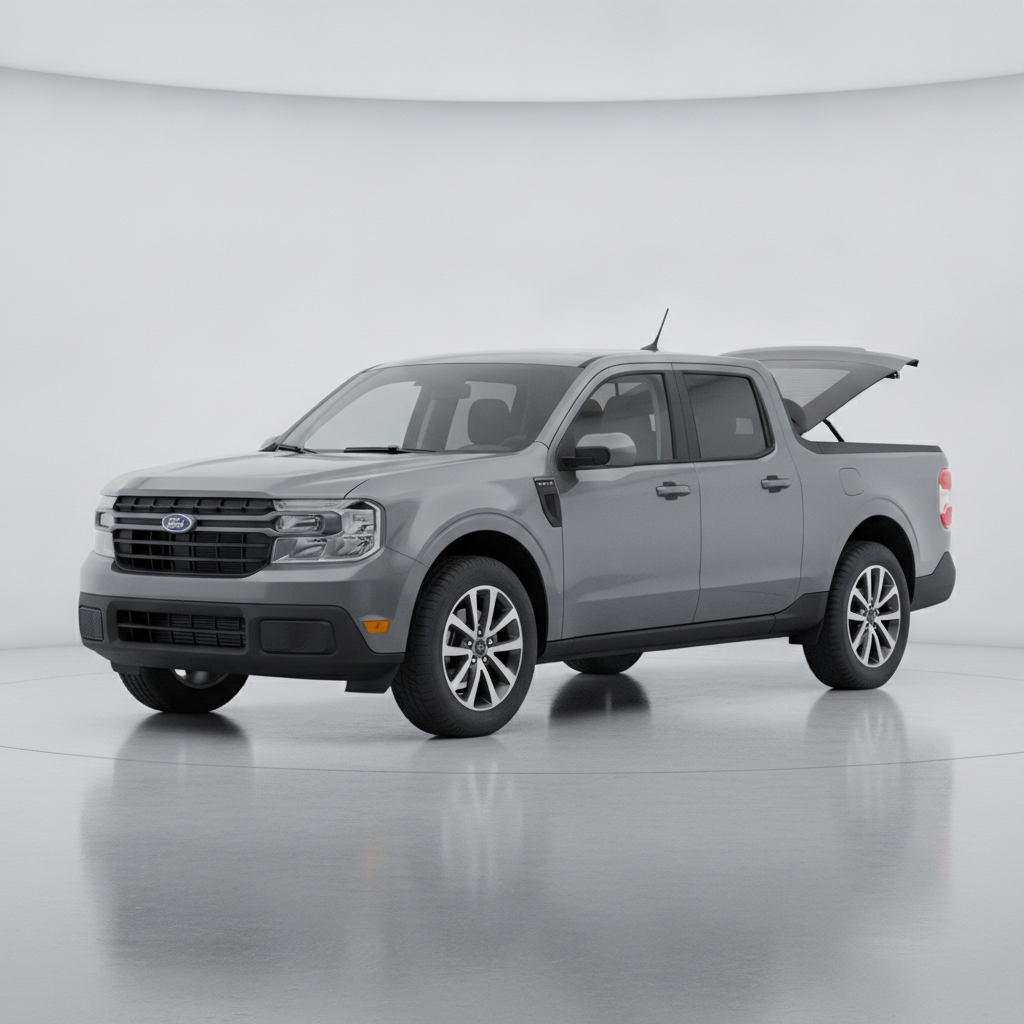
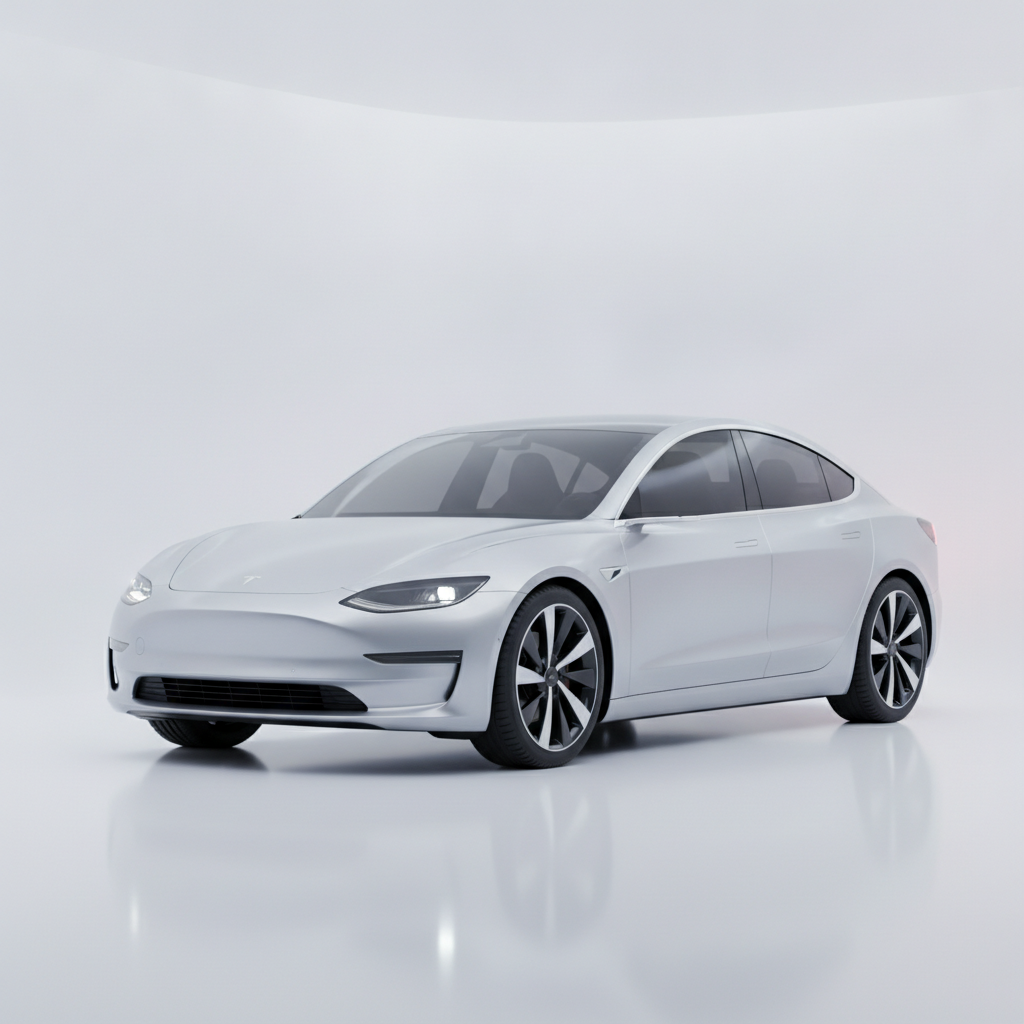
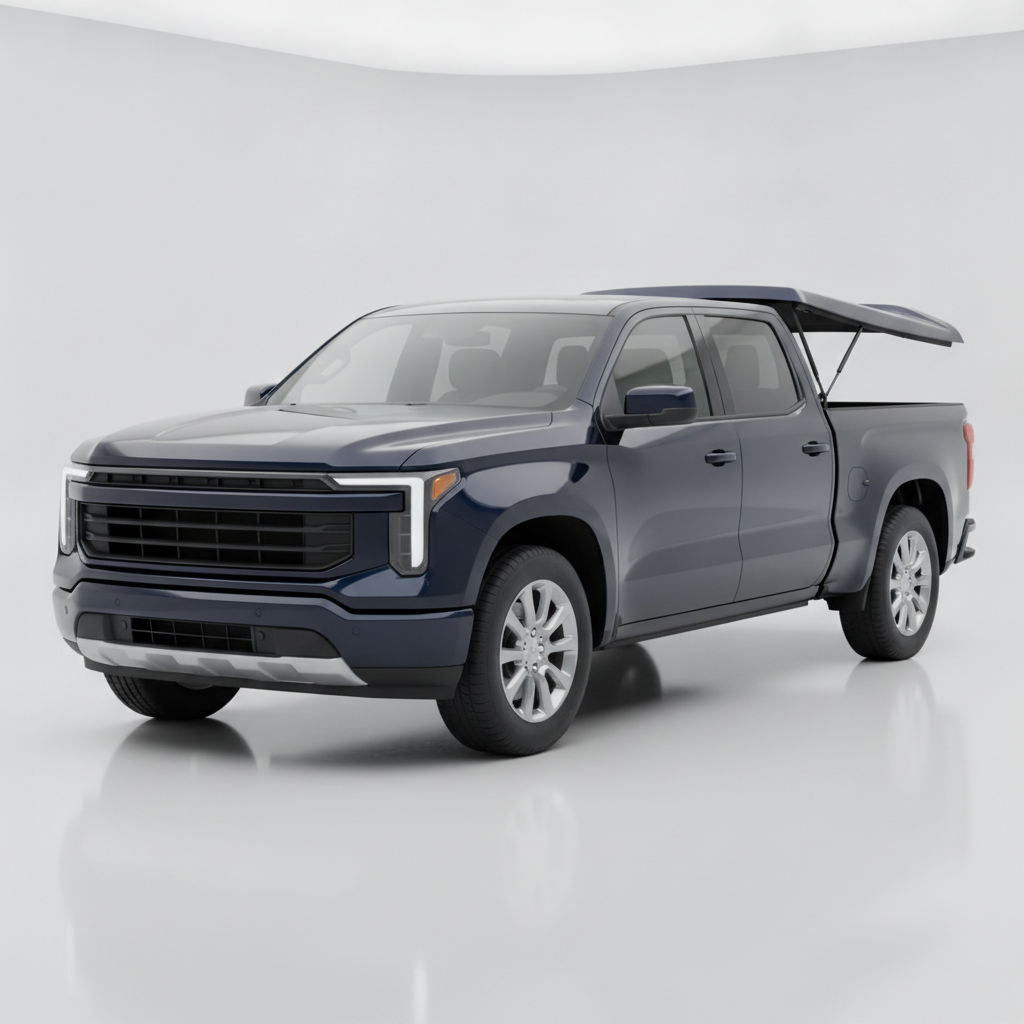
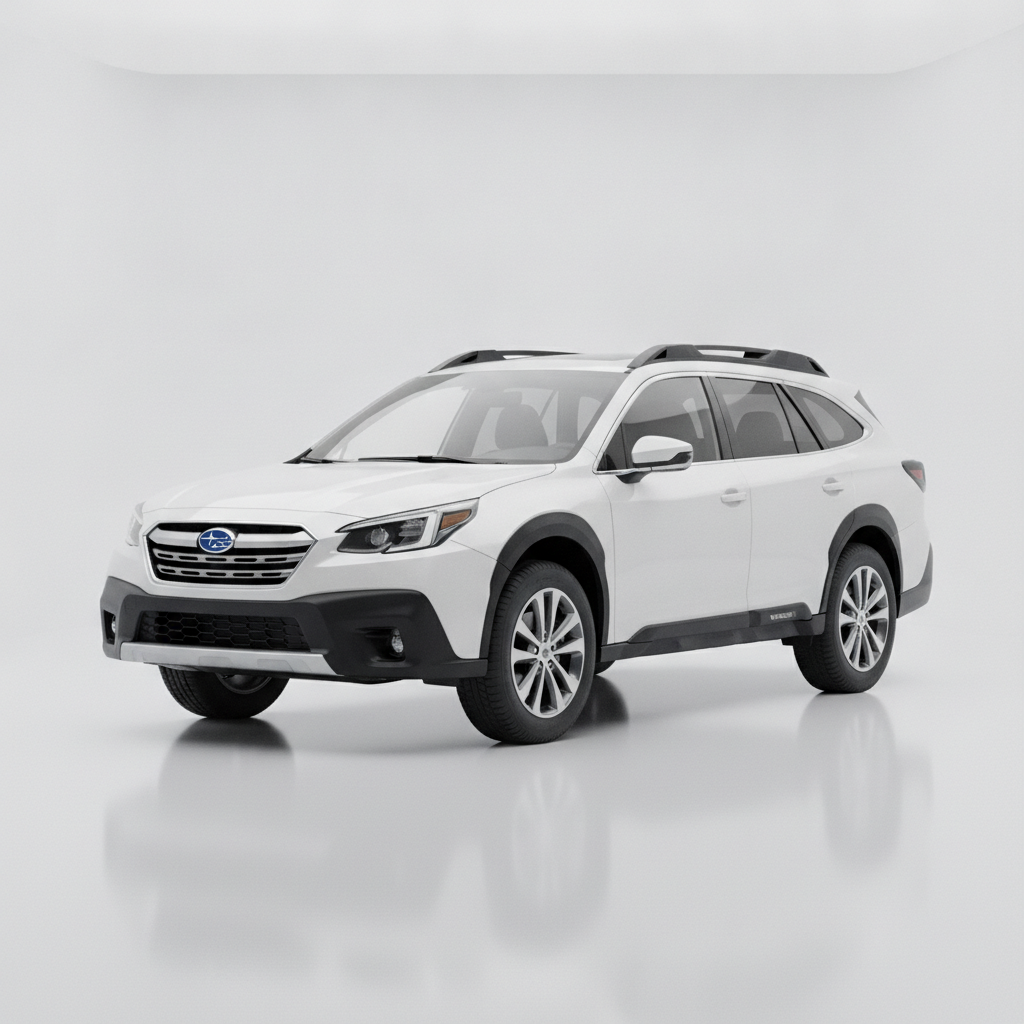
Five models stand out as defensible purchases in this specific environment. The [Ford Maverick Hybrid](/cars/ford-maverick) (from $28,500, 38 MPG combined) is the clearest value play: it stays well under the $30,000 threshold where affordability stress intensifies most sharply, and its hybrid powertrain is a genuine hedge against gas-price risk. The [Chevrolet Colorado](/cars/chevrolet-colorado) (from $31,000, 20 MPG) is built in Missouri, insulating it from USMCA trade turbulence. The [Subaru Outback](/cars/subaru-outback) (from $29,010, 29 MPG) is assembled in Indiana, earns consistently strong residual values, and delivers all-weather practicality just under $30,000. For buyers ready to eliminate gas-price exposure entirely, the [Tesla Model 3](/cars/tesla-model-3) (from $42,490, 132 MPGe) is assembled in California, qualifies for federal EV tax credits that can substantially lower the effective purchase price, and has zero exposure to oil-market volatility. Rounding out the list, the [Honda Accord Hybrid](/cars/honda-accord) (from $28,990, 48 MPG combined) is assembled in Ohio, sits below the average transaction price by roughly $20,000, and is one of the most fuel-efficient non-plug-in sedans on sale today.
The practical July 2026 buyer checklist comes down to three priorities: lock in financing before the Fed acts again, lean toward domestically assembled vehicles or models priced to absorb tariff uncertainty, and run honest fuel-cost projections before signing. A vehicle that costs $5,000 less upfront but burns significantly more gasoline each year can erase that savings advantage quickly if pump prices climb through the back half of 2026. The affordability crisis is real, macroeconomic headwinds are stacking, and the average sticker price is daunting — but buyers who understand which levers to pull have more room to maneuver than the current headlines suggest.