Inflation Hits 3-Year High: 5 Cars Worth Buying in July 2026
With U.S. inflation at its highest in three years, auto loan rates under renewed upward pressure, and USMCA trade rules in limbo, the car market in July 2026 is a minefield — but also a window of opportunity for buyers who know where to look.

U.S. inflation climbed to a three-year high in late June 2026, reviving expectations that the Federal Reserve may be forced to raise interest rates — the last thing an already-strained car market needs. That headline arrived alongside a second disruption: the USMCA trade framework, which governs duty-free movement of auto parts and finished vehicles between the U.S., Canada, and Mexico, entered July without a confirmed extension, leaving automakers and dealers absorbing real cost uncertainty. The Trump administration's evolving tariff schedule has added further pressure throughout the year. The combined result, analysts say, is a lasting drop in U.S. car sales rooted in an affordability crisis that has pushed the average new-vehicle transaction price toward $50,000 — a figure that would have seemed remarkable just five years ago.
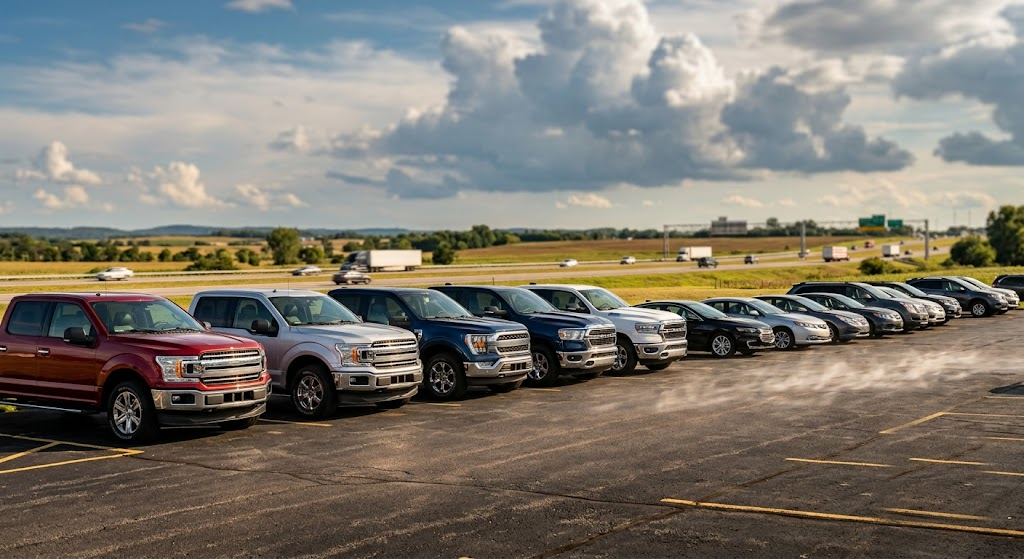
For the buyer at a dealership today, these macro forces translate into three concrete realities. First, financing is getting more expensive: auto loan rates are already elevated after years of Fed tightening, and any additional rate hike would add roughly $40–$60 per month to the payment on a typical $45,000, 60-month loan. Second, sticker prices remain stubbornly high because automakers are pricing in forward tariff risk rather than absorbing it — particularly on vehicles assembled abroad. Third — and this is the opportunity — falling sales volumes mean dealers are holding inventory longer than at any point since before the pandemic, which has quietly restored some negotiating leverage for buyers. The strategy, then, is to identify which specific models carry genuine tariff insulation and efficiency advantages, and move before any Fed action closes the financing window further.
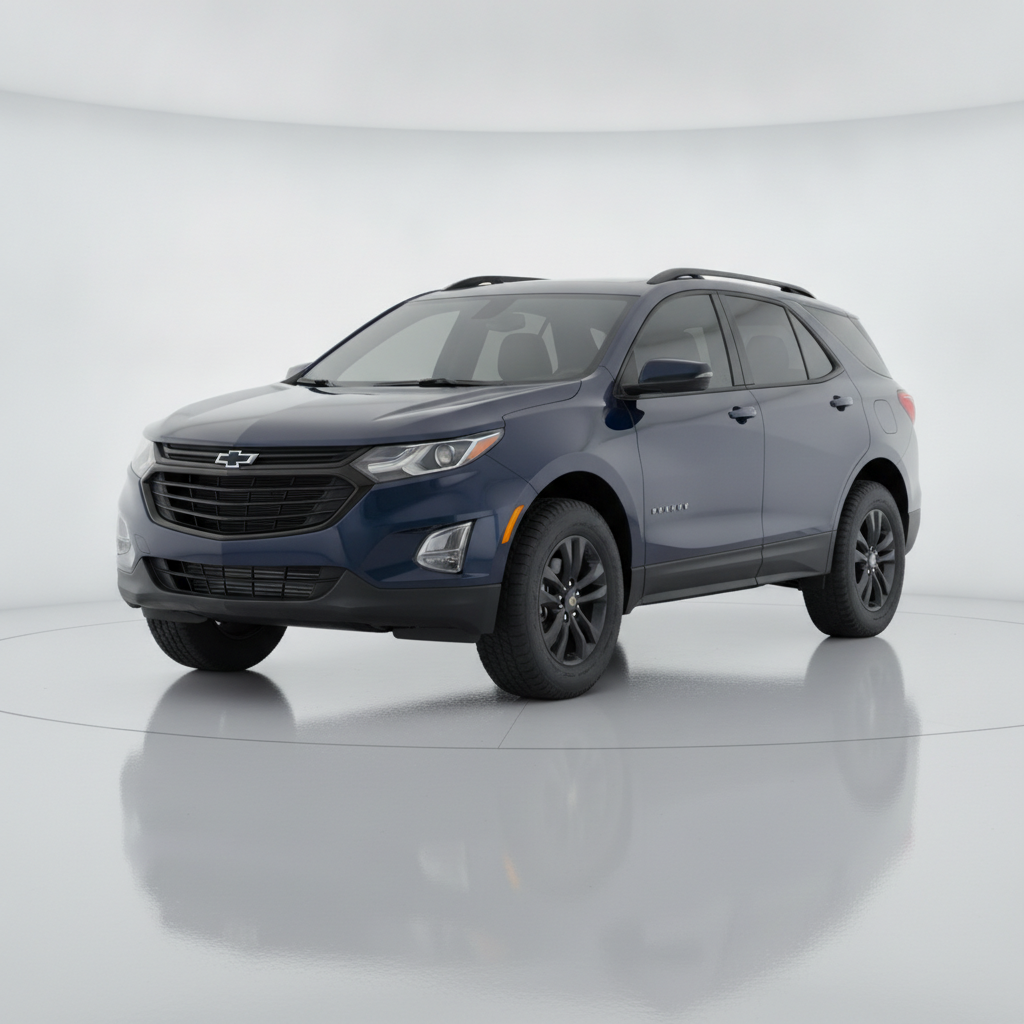
Domestically assembled trucks and affordable SUVs sit in the strongest position right now. The [Ford F-150](/ford-f-150) (from $38,810, approximately 20 MPG combined) is built in the U.S. and carries one of the most domestically sourced supply chains in the industry, making it a genuine buffer against import-tariff escalation. The [Chevrolet Colorado](/chevrolet-colorado) (from $31,000, around 20 MPG) and [Chevrolet Silverado](/chevrolet-silverado) (from $37,000) offer similar domestic-assembly advantages at different size points for truck buyers. For SUV shoppers trying to stay well below the $50,000 market average, the [Chevrolet Equinox](/chevrolet-equinox) (from $29,995, 28 MPG combined) is a standout: it undercuts the average by roughly $20,000 and delivers respectable fuel economy. The [Subaru Outback](/subaru-outback) (from $29,010, 29 MPG combined), assembled in Indiana, adds wagon versatility and above-average efficiency at a similar price point — two models that look better the more the macro backdrop deteriorates.
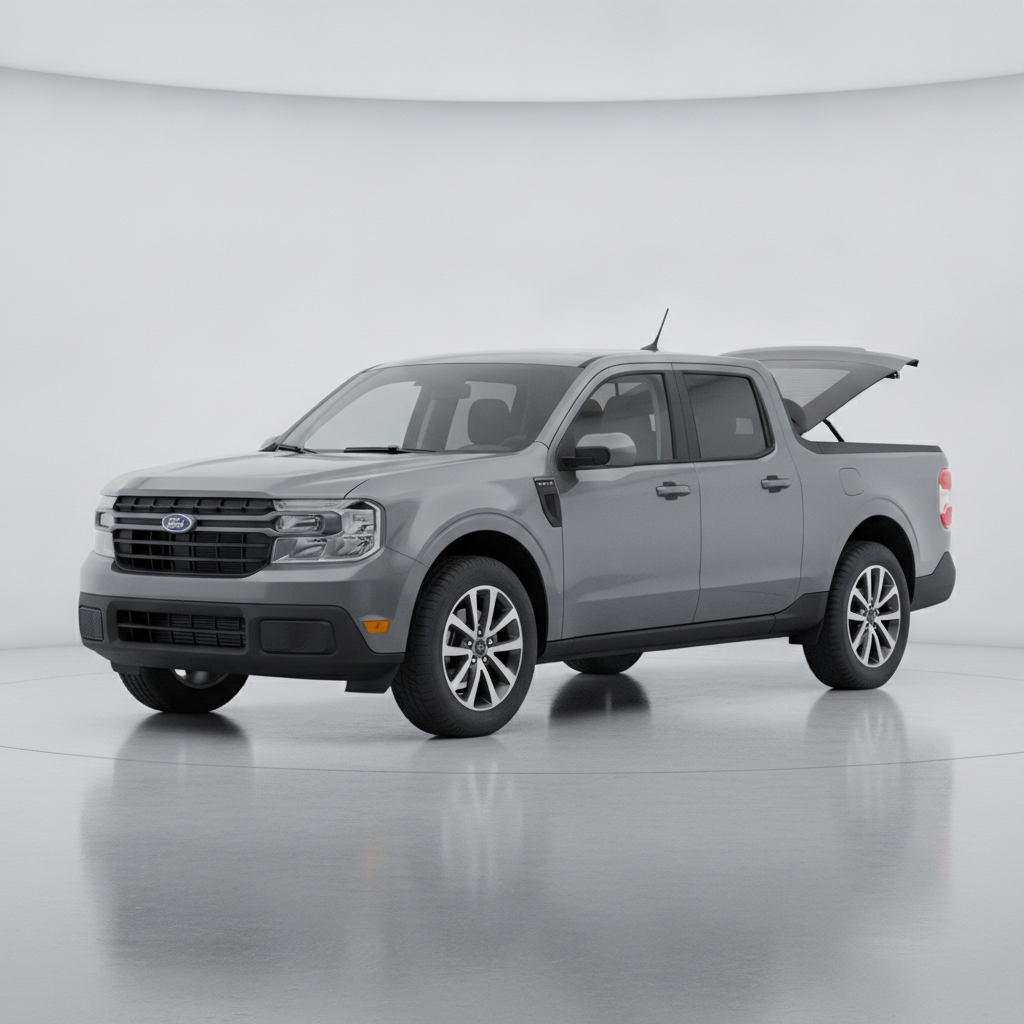
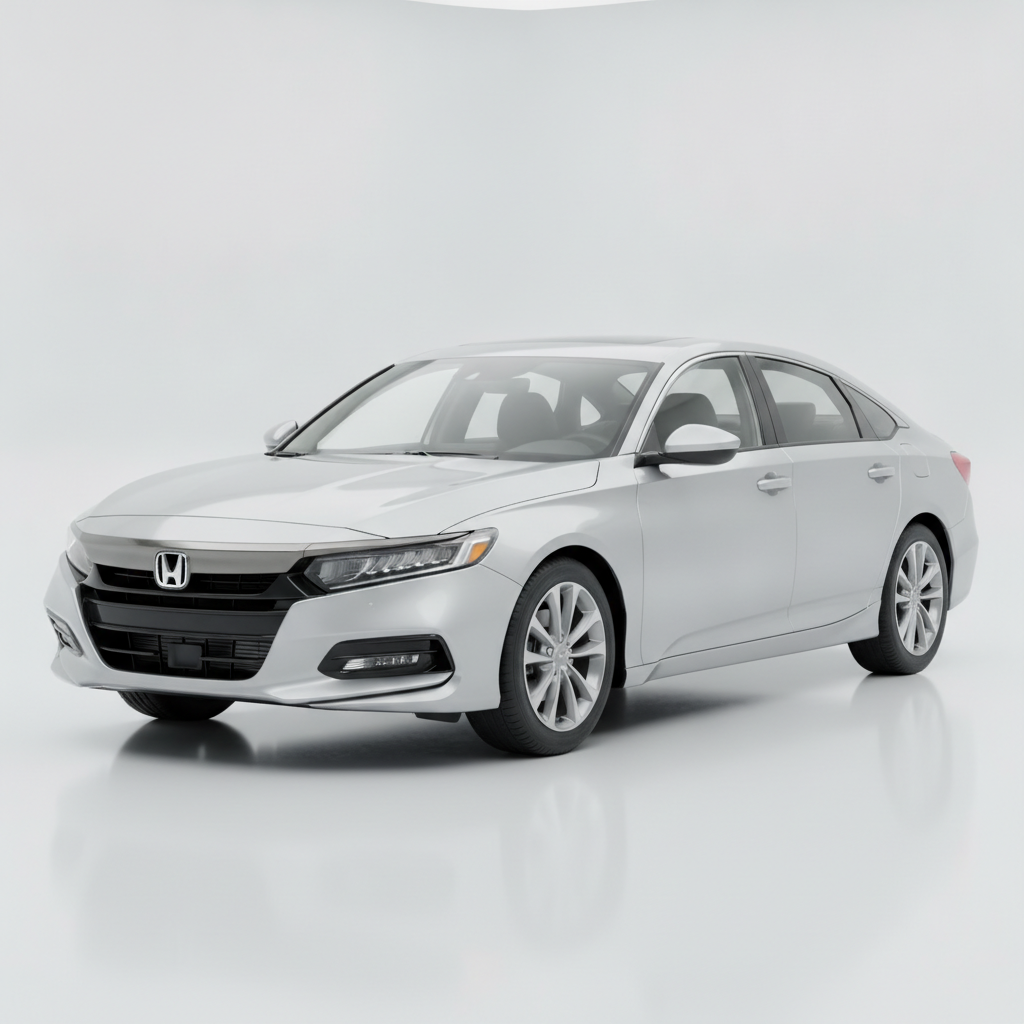
For buyers weighing fuel costs alongside purchase price, the math is shifting toward U.S.-assembled electrics and hybrids. The [Tesla Model 3](/tesla-model-3) (from $42,490, 132 MPGe) and [Tesla Model Y](/tesla-model-y) (from $44,990, 123 MPGe) are assembled domestically, sidestepping the tariff risk that clouds European and some Asian imports, while their near-zero fuel costs become more compelling as inflation keeps energy prices volatile. The [Ford Maverick](/ford-maverick) hybrid (from $28,500, 38 MPG combined) may be the single most complete value vehicle in the market right now: it sits nearly $20,000 below the average transaction price, delivers hybrid economy, and is assembled in North America under USMCA terms. The [Honda Accord](/honda-accord) hybrid (from $28,990, 48 MPG combined), assembled in Ohio, rounds out a short list of vehicles that genuinely deliver on both initial cost and ongoing running economy — two dimensions that matter more every month inflation stays elevated.
Where buyers should exercise more caution is the European luxury import segment. The [BMW 3 Series](/bmw-3-series) (from $45,950, 30 MPG combined) and [Audi A4](/audi-a4) (from $42,000, 27 MPG combined) are primarily assembled in Europe, meaning any escalation in import duties under the ongoing tariff review would translate directly into further sticker price increases. The [Mercedes-Benz C-Class](/mercedes-benz-c-class) (from $47,900, 28 MPG combined) faces the same exposure. These remain excellent vehicles, and if a deal makes sense today, the window before any new tariff announcement may actually be reasonable timing. But buyers with flexibility might wait 60 to 90 days for more clarity on where European duties land. A strong alternative is the [Genesis GV70](/genesis-gv70) (from $49,350, 24 MPG), whose Alabama assembly provides meaningful tariff insulation alongside a 4.5-star rating and a luxury experience that competes directly with European rivals.
The practical playbook for July 2026 is clear: get pre-approved for financing through a credit union or bank before any Fed rate action makes your terms worse; prioritize domestically assembled models to minimize exposure to tariff-driven price increases; and use the current inventory buildup as negotiating leverage — dealers are more motivated than they have been in years. The [Ford Maverick](/ford-maverick) is the clearest buy for pure value and efficiency, the [Tesla Model Y](/tesla-model-y) is the strongest case for domestic EV with low running costs, and the [Honda Accord](/honda-accord) hybrid is the sharpest balance of price, fuel economy, and long-term reliability in the sedan category. The affordability window is narrow and the macro environment is genuinely uncertain — but for buyers with a clear strategy and pre-arranged financing, that uncertainty is also leverage.