Falling Car Sales Open a Rare Window: 5 Smart Buys for July 2026
A convergence of USMCA trade talks, a Fed rate hold, and a structural drop in US car sales is reshaping the American auto market, and creating an unusual opening for buyers who know where to look.
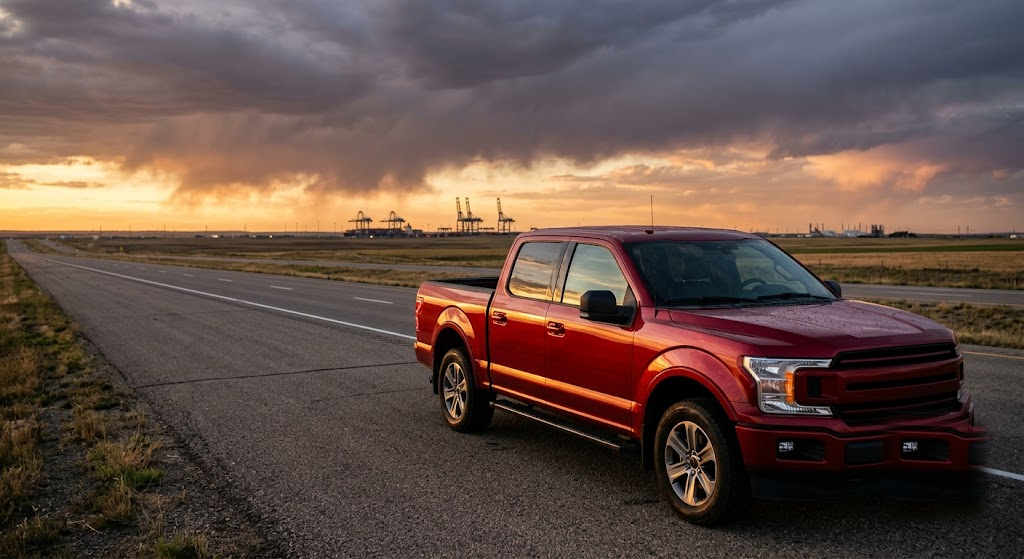
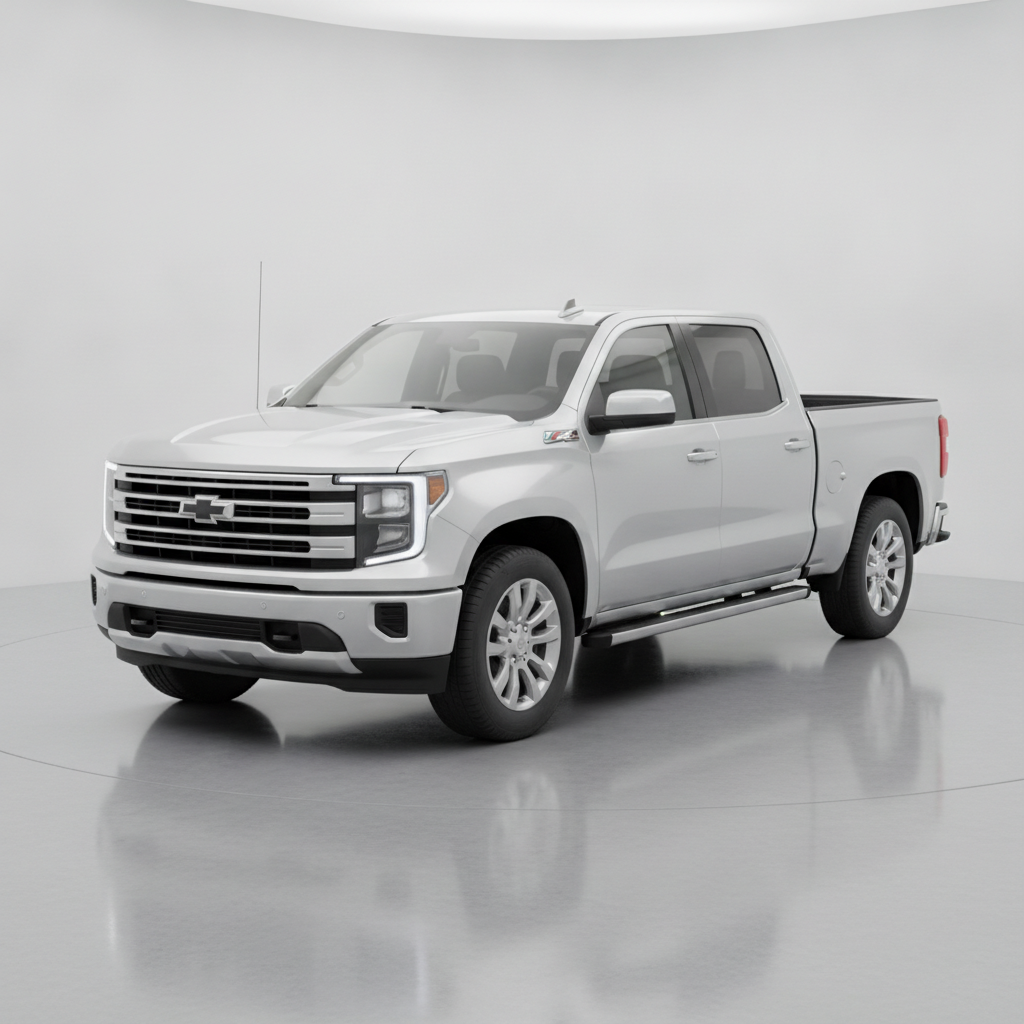
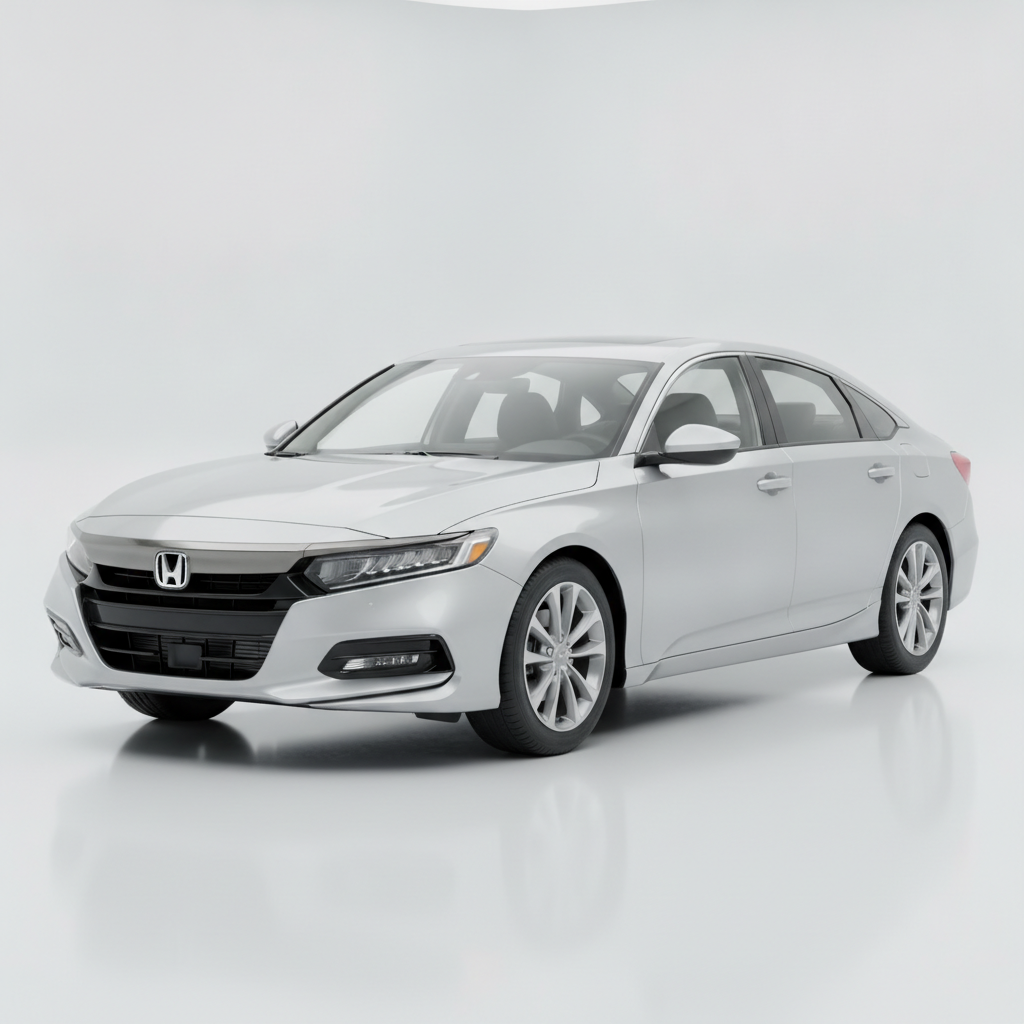
As USMCA renegotiation talks formally opened on July 1, 2026, the US auto market finds itself contending with a rare convergence of pressures: trade uncertainty, sticky inflation, and a structural decline in new-car sales that analysts say is not merely cyclical. Canada's competitiveness as an auto assembly destination is being eroded by new tariff leverage from Washington, while negotiations are pushing for stricter North American content requirements that could raise the cost basis for vehicles assembled with significant imported components. Separately, the Federal Reserve held benchmark interest rates at its June meeting but signaled that further increases remain on the table to combat persistent inflation, keeping auto loan rates elevated and monthly payments painfully high for most American buyers. The result is a market caught between two vises: supply costs being pushed up by trade policy, and demand being crushed by financing costs that haven't meaningfully eased in over a year. The USMCA content-rule discussions are the most immediate price risk for buyers eyeing import-heavy vehicles. Stricter domestic-content thresholds could impose or amplify tariff costs on cars assembled with significant parts sourced outside North America, and the ongoing EU-US tariff tensions add a separate layer of exposure for European-built models shipped directly to US dealers. Vehicles like the [Audi A4](/cars/audi-a4) (from ~$42,000, 27 MPG combined) and [BMW 3 Series](/cars/bmw-3-series) (from ~$45,950, 30 MPG combined), both assembled in Germany, carry real upside price risk if trade talks harden. The [Mercedes-Benz C-Class](/cars/mercedes-benz-c-class) (from ~$47,900, 28 MPG combined) sits in the same exposure zone. None of these models face immediate, sudden price spikes, but USMCA outcomes and EU negotiations could move sticker prices before the end of the year, and locking in today's price with a written purchase order is worth considering if you're set on one of these. Financing is the other pressure point buyers cannot afford to ignore. The Fed's rate hold keeps auto loan rates elevated, typical financing for a new car is running in the 7-9% range for well-qualified buyers in mid-2026, well above the lows buyers enjoyed earlier in the decade. On a $45,000 vehicle with 10% down and a 72-month term at around 8%, a buyer is looking at monthly payments near $700. That math is precisely why analysts are projecting a lasting, structural drop in US car sales rather than a short-term blip: a meaningful share of would-be buyers are simply priced out of the monthly payment they can responsibly carry. The political dimension is real too, elevated car prices have become a visible household-budget issue that is registering in polling and placing additional pressure on policymakers, but no near-term relief from the Fed is expected given the inflation data still coming in above target. For buyers who need to act now, the clearest strategy is to prioritize models with strong North American assembly footprints, these face the least exposure to USMCA-driven price shifts and are most likely to see dealer negotiating pressure in a slow-sales environment. The [Chevrolet Colorado](/cars/chevrolet-colorado) (from ~$31,000, 20 MPG combined), assembled in Wentzville, Missouri, stands out as a tariff-insulated midsize truck at a genuinely accessible price point. The [Ford F-150](/cars/ford-f-150) (from ~$38,810, 20 MPG combined) benefits from deep domestic assembly roots and, with the broader sales slowdown putting pressure on dealers, there is real room to negotiate on workhorse XL and XLT trims sitting on lots right now. If your daily commute is manageable on electricity, the [Tesla Model Y](/cars/tesla-model-y) (from ~$44,990, 123 MPGe) is built in Austin, Texas, sidestepping import tariff exposure entirely while delivering outstanding running-cost efficiency that partially offsets elevated purchase financing. For value-conscious buyers who want a non-truck daily driver, the [Honda Accord Hybrid](/cars/honda-accord) (from ~$28,990, 48 MPG combined) continues to make one of the strongest cases in the market: Honda's substantial Ohio assembly operations reduce USMCA vulnerability relative to purely imported rivals, and 48 MPG combined effectively insulates owners from fuel-price volatility whatever direction energy markets move. If budget is the primary constraint, the [Honda Civic](/cars/honda-civic) (from ~$24,250, 36 MPG combined) is one of the last genuinely affordable new sedans still standing in a market where sub-$30K options are dwindling, and its strong resale history means you're not overpaying for the privilege of buying cheap. On the premium EV side, the [Tesla Model 3](/cars/tesla-model-3) (from ~$42,490, 132 MPGe) offers domestically built credentials at a price that undercuts most European EV competitors, including the [BMW i4](/cars/bmw-i4) (from ~$58,000, 103 MPGe), which is German-built and carries more tariff exposure, though it remains an excellent product if you're prepared to act before trade talks deliver any surprises. The practical takeaway for anyone shopping right now is this: falling sales volume is giving buyers negotiating leverage that hasn't been consistently available for several years, but the window may be narrower than it looks. Dealers sitting on domestic-assembly-heavy inventory, trucks like the F-150, the Colorado, or domestically produced EVs, are under real pressure to deal, and that is your best entry point in July 2026. If you're set on a European luxury model, get a firm written price today rather than waiting; USMCA and EU-US trade negotiations could push costs in either direction before your car arrives. When you run the financing numbers, build in a buffer: assume rates could tick up another half-point before your purchase closes, and treat any promotional financing you're offered as a bonus rather than a baseline. In a market shaped this heavily by macro forces outside any buyer's control, preparation and timing are the only edges available, and right now, both are pointing toward acting sooner rather than later.