EV Records & Trump's Tariff Shift: India's Best Car Buys Now
As Trump proposes cutting Canada auto tariffs and India's EV market smashes records, the global trade backdrop is sending clear signals about which cars to buy — and which to avoid — right now.
On 20 August 2026, reports emerged that the Trump administration is proposing to slash auto tariffs on Canadian vehicle imports to 15% as part of a wider bilateral trade deal — a meaningful retreat from the 25% levies that have convulsed North American supply chains over the past year. The timing compounds an already turbulent picture: Ford confirmed almost simultaneously that it is relocating Lincoln production from China to the United States to sidestep deepening trade friction with Beijing. Neither move is abstract for India. A parliamentary panel has just called for emergency fiscal support and an automation push for Indian auto-component MSMEs — small and mid-sized suppliers of precision forgings, wiring harnesses, and castings to global OEMs — which are being squeezed by the secondary effects of US tariff policy. The global auto trade map is being redrawn at pace, and Indian car buyers are sitting squarely at the intersection of these shifts.
Closer to home, the picture is one of genuine momentum offset by quiet caution. India's EV retail market reached a record 327,901 units in July 2026, according to FADA data — a milestone that signals mainstream buyers are no longer treating electric vehicles as a niche experiment. Maruti Suzuki's leadership has projected the overall passenger vehicle market expanding to as many as 6.3 million units by 2031, close to 40% above today's volumes. Yet the RBI's August MPC decision is a sobering counterweight: the repo rate was held at 5.25%, FY27 GDP growth was trimmed to 6.6%, and the inflation forecast was revised upward to 5.1%. For a prospective car buyer, the translation is direct — monthly EMIs are not rising immediately, but the cost of living is, real income growth is under quiet pressure, and waiting for a more comfortable macro moment may mean waiting indefinitely.
For buyers eyeing imported premium or luxury models, the global trade environment sends a pointed pricing signal. Cars sold in India as completely built units (CBU) — including the [Mercedes-Benz C-Class](/cars/mercedes-benz-c-class) (from ₹60 lakh), the [Mercedes-Benz GLC](/cars/mercedes-benz-glc) (from ₹74 lakh), and the [Porsche Macan](/cars/porsche-macan) (from ₹88 lakh) — carry import duties of 100% or more on their landed cost. Supply-chain rerouting driven by US-China and now US-Canada trade friction, combined with the rupee's sensitivity to global risk sentiment, creates structural pressure on CBU pricing that runs upward rather than downward. The [Kia EV6](/cars/kia-ev6), a premium imported electric crossover starting at approximately ₹61 lakh, faces the same forces. There is no tariff windfall on the horizon for India-bound CBUs — if anything, prices in this segment are more likely to inch higher over the next six to twelve months than to fall.
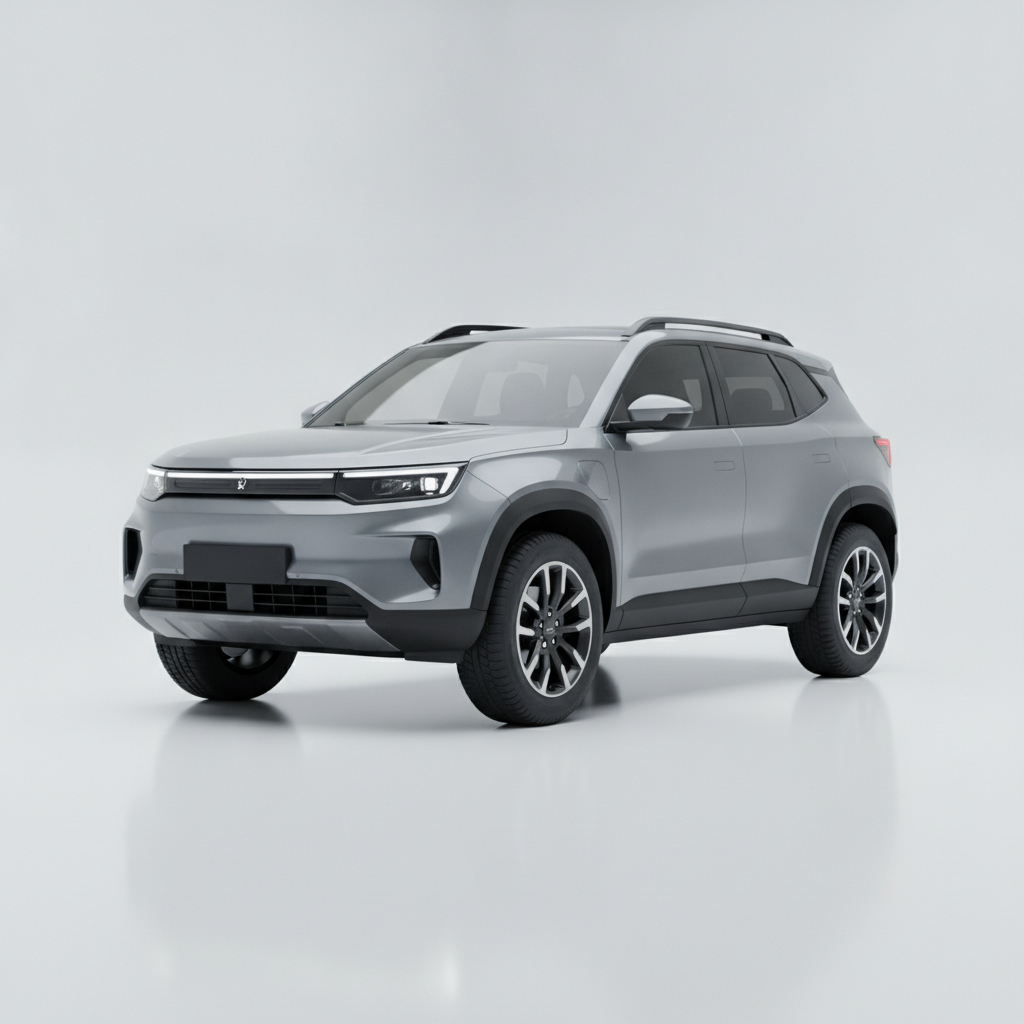
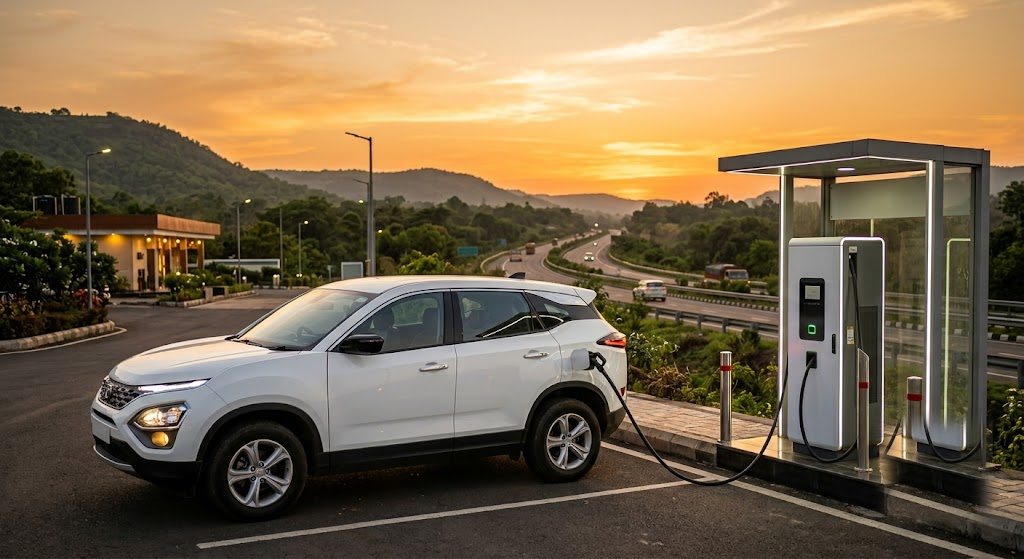
The more compelling opportunity in August 2026 lies in domestically assembled models riding India's EV momentum. The [Mahindra BE 6e](/cars/mahindra-be-6e) (from ₹18.9 lakh, claiming up to 682 km per charge on the 79 kWh pack) is manufactured in India and its pricing is structurally insulated from import duty volatility. The [Hyundai Creta Electric](/cars/hyundai-creta-electric) (from ₹17.99 lakh, up to 473 km ARAI range on the long-range variant) and the [Tata Nexon EV](/cars/tata-nexon-ev) (from ₹12.99 lakh, up to 465 km MIDC range) are similarly India-made — rupee swings and CBU tariff changes do not directly move their sticker prices. With state-level EV incentives still active in several key markets and public charging infrastructure expanding steadily, the total cost of ownership case for these three models has improved materially year on year. July's record EV retail number is not statistical noise; it reflects genuine, broad-based buyer confidence in the category.
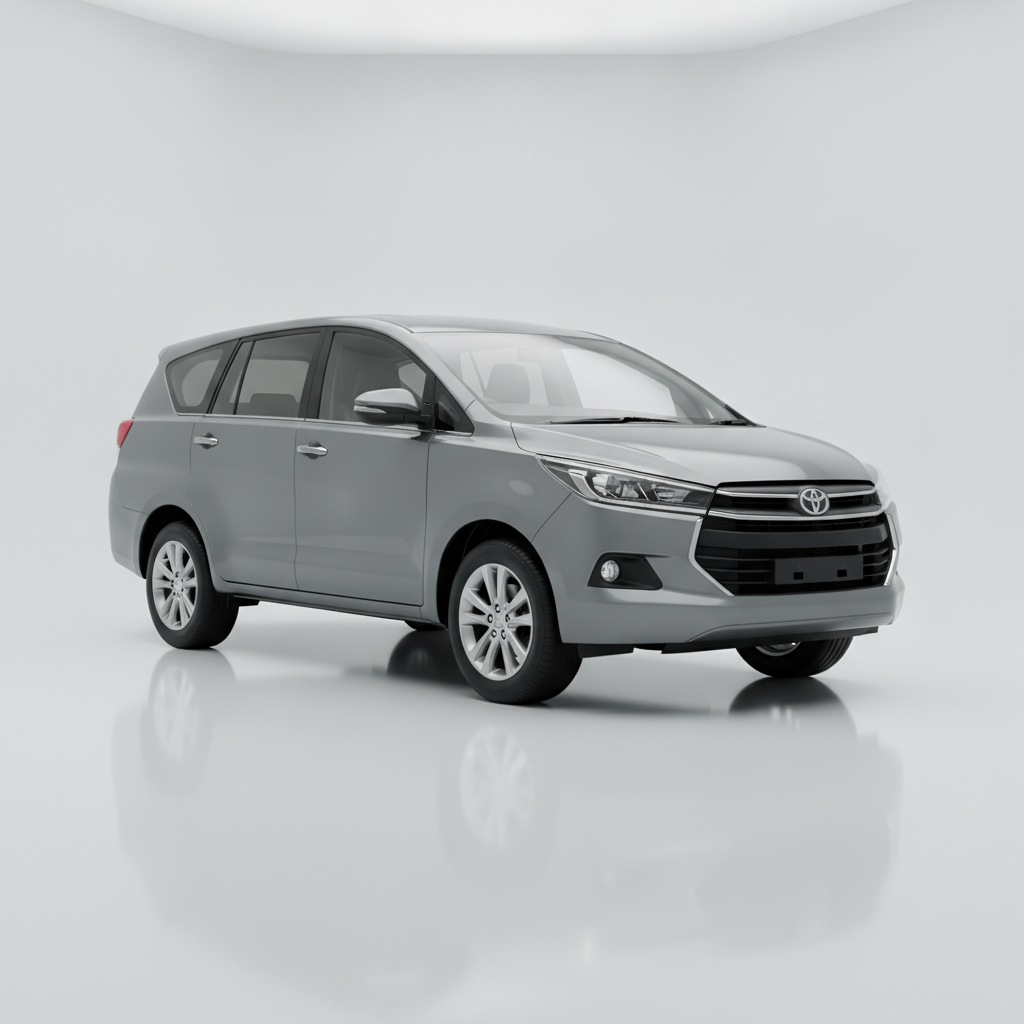
For buyers not yet ready to go electric, the rate environment and inflation data together make a clear case for high-efficiency petrol or hybrid options. With car loan rates at most lenders currently in the approximate 8.5%–9.5% range — benchmarked against the RBI's 5.25% repo — a ₹12 lakh [Honda City](/cars/honda-city) financed over five years translates to an EMI in the region of ₹23,000–₹24,000 per month, which remains accessible for urban salaried households. The City's petrol-hybrid variant returns around 18.4 kmpl combined, making a real dent in fuel spend when inflation is running at 5.1%. Families needing more space should look hard at the [Toyota Innova Hycross](/cars/toyota-innova-hycross) hybrid (21.1 kmpl, from ₹19.3 lakh) — its efficiency advantage over a comparable diesel MUV is now large enough to close much of the price premium gap over a three-year ownership horizon. Budget-sensitive buyers should also revisit the [Hyundai Aura CNG](/cars/hyundai-aura) (from ₹6.65 lakh): CNG pump prices have stayed far more stable than petrol, and the per-kilometre running cost on CNG is among the lowest available in the Indian market today.
The practical takeaway for August 2026 is this: global trade volatility is not about to deliver a price cut on imported cars in India, and the RBI is not in a position to loosen rates meaningfully with inflation above 5%. The smart buying window is concentrated in domestically manufactured EVs and proven high-efficiency hybrids — segments that are price-stable, structurally insulated from import-tariff risk, increasingly well-supported by infrastructure, and precisely aligned with where India's auto market is heading. If your budget sits between ₹13 lakh and ₹19 lakh, supply conditions are healthier than they were a year ago and the macro direction is as legible as it is likely to get. Test drive, negotiate, and lock in — do not hold out for an external tailwind that is not coming.