Supply Chain Storm: 4 India Cars Built to Outlast Global Tariffs
As US tariffs on Brazil rattle global commodity supply chains and the RBI holds rates amid rising inflation, Indian car buyers face a tightening market — here is the clearest playbook for July 2026.

On July 20, 2026, the United States announced 25% tariffs on Brazilian imports — a move that sent ripples through global commodity markets well beyond Washington and Brasília. Brazil is among the world's largest exporters of steel, iron ore, and auto-grade aluminium, all of which feed into vehicle manufacturing supply chains across Asia. The announcement lands against an already-complex domestic backdrop: the RBI's June MPC held the repo rate firm at 5.25% while simultaneously cutting its FY27 GDP growth forecast to 6.6% and raising its inflation projection to 5.1%. India's retail inflation had already crossed 4% in June after a 17-month gap below the RBI's own target. Taken together, these signals paint a specific picture for Indian car buyers — a market under cost pressure from multiple directions, where the wrong purchase decision in the next 90 days could prove expensive.
The mechanism linking US-Brazil tariffs to Indian showroom prices is indirect but real. When a major commodity exporter like Brazil faces new trade barriers, global steel and aluminium supply chains reconfigure — and those shifts reach the factory floors of Indian automakers within two to four quarters. Cars with the highest import content, particularly completely-built-up (CBU) imports from Europe and non-ASEAN markets, are most exposed to this kind of cost transmission. Locally assembled models — where manufacturers like Mahindra, Tata, Hyundai, and Kia source a large share of components domestically — carry a meaningful buffer. India's ongoing investments in inland logistics and last-mile connectivity are also quietly reducing the cost of moving parts from tier-2 suppliers to assembly lines, a structural advantage that improves the competitiveness of made-in-India vehicles over time and insulates their prices from external shocks more than most buyers realise.
On the financing front, the repo rate held at 5.25% keeps bank auto loan rates broadly in the 9.5–11% band for qualified borrowers. On a ₹15 lakh loan over 60 months at 10%, the EMI works out to roughly ₹31,900 per month. The RBI's dilemma is plain: cutting rates aggressively risks stoking already-elevated inflation, but holding them too long pressures an economy whose growth has already been revised down. Rate cuts, when they arrive, will almost certainly be gradual and data-dependent. Buyers hoping for materially cheaper EMIs should plan for at least two to three more quarters at current levels. If you have a confirmed loan sanction and a clear requirement, acting now rather than chasing an elusive rate-cut window is the more practical call — especially since car prices themselves are unlikely to soften when input costs are rising globally.
There is one genuinely bright development on the trade front. The India-UK Free Trade Agreement introduces a tariff reduction mechanism for UK-origin vehicles within annual quotas — most directly relevant to the [Mini Cooper](/cars/mini-cooper) (from ₹44.9 lakh), a CBU import from the UK. As FTA quota allocations become operational, the Mini Cooper could see a meaningful reduction in on-road pricing, potentially several lakh rupees depending on how duties phase down. Buyers with a Mini on their shortlist should ask dealers for concrete FTA timeline information before committing at today's full-duty price. The picture is less encouraging for European luxury: the [Mercedes-Benz C-Class](/cars/mercedes-benz-c-class) (from ₹60 lakh) and the [Mercedes-Benz GLC](/cars/mercedes-benz-glc) (from ₹74 lakh) receive no tariff relief from the UK deal, and any EU-India trade breakthrough remains a long-horizon story. For buyers weighing German CBU luxury, H1 2027 is the smarter window to revisit rather than committing now at peak import-cost levels.
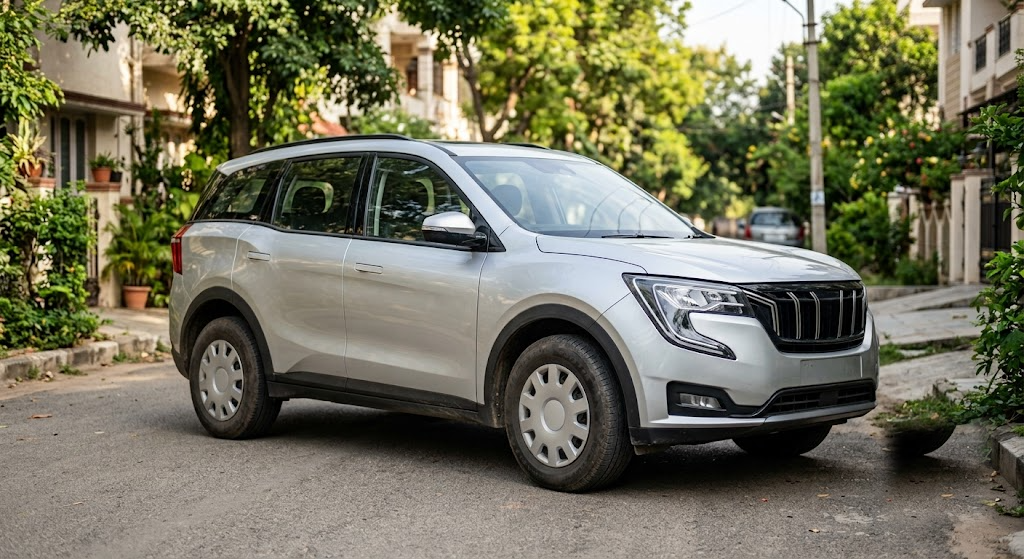
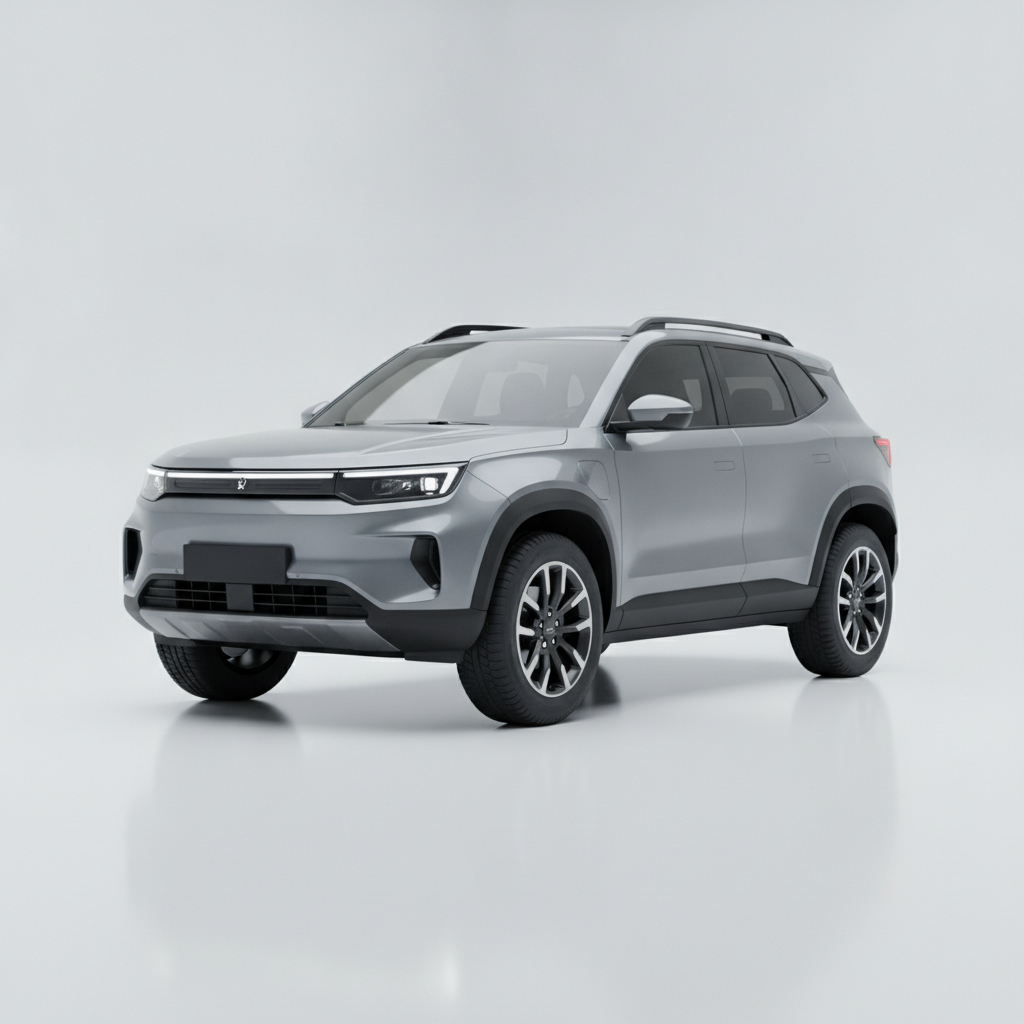
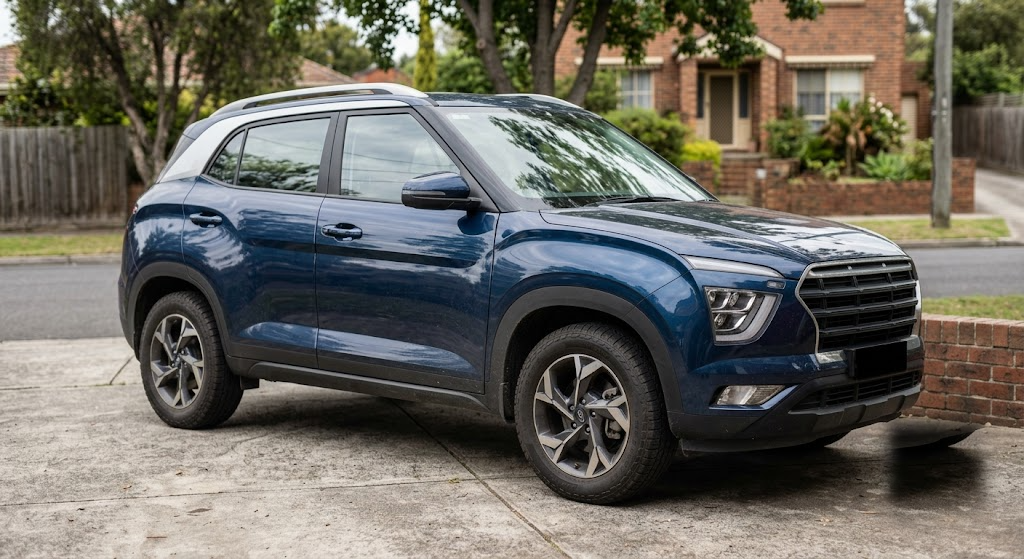
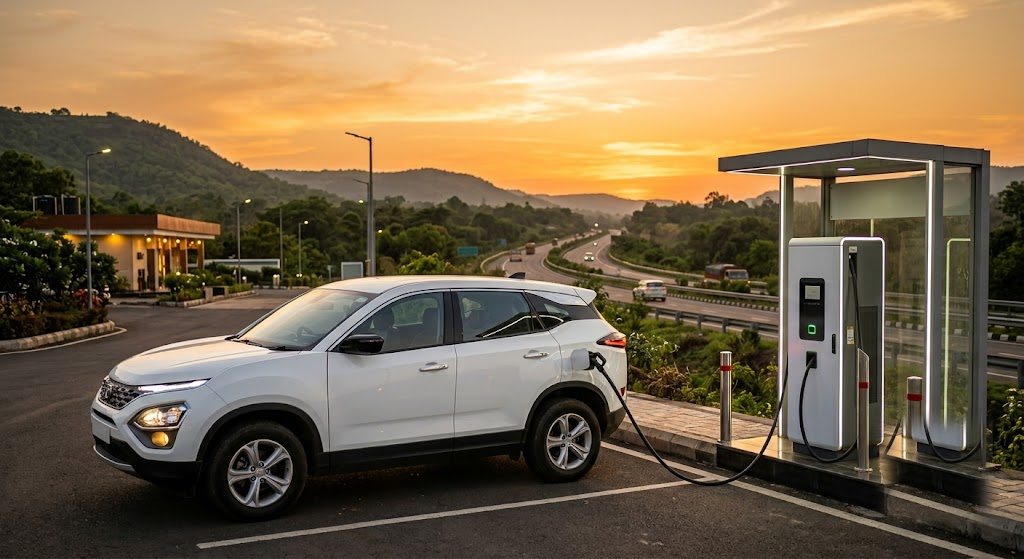
For buyers acting this month, the clearest value lies in domestically produced vehicles that combine supply chain resilience, competitive pricing, and strong fuel efficiency. The [Mahindra XUV700](/cars/mahindra-xuv700) (from ₹13.99 lakh) is manufactured at Mahindra's Chakan facility with high parts localisation, returning up to 16.5 kmpl on diesel and carrying a 4.3 buyer rating — making it one of the best-insulated feature-rich SUVs from import cost risk. The [Tata Nexon EV](/cars/tata-nexon-ev) (from ₹12.99 lakh, 465 km claimed range) sidesteps petrol price risk entirely, a genuine financial hedge when inflation is running above the RBI's own target. The [Hyundai Creta](/cars/hyundai-creta) (from ₹11 lakh, up to 17.4 kmpl on petrol) is assembled in Tamil Nadu with strong parts localisation, keeping it well-insulated from global commodity swings. If the budget stretches further, the [Toyota Innova Hycross](/cars/toyota-innova-hycross) (from ₹19.3 lakh, 21.1 kmpl in self-charging hybrid mode) offers among the best real-world fuel economy in the MUV segment — a meaningful running-cost advantage when inflation is keeping household budgets tight.
The buyer playbook for July 2026 is clear: favour locally manufactured models with strong fuel efficiency or pure-EV range, as these are best insulated from the two defining pressures of this market — import-driven cost inflation and elevated EMIs. Lock in your loan now rather than waiting for rate cuts that are likely still quarters away. If a British-origin premium car is on your list, request FTA quota clarity from the dealer before signing to avoid overpaying. For European CBU luxury, a mid-2027 review date makes more strategic sense than committing today. Global trade shocks rarely resolve quickly, but India's deepening domestic supply chain resilience means that made-in-India cars are, right now, the most rational place to park your car budget.