
Electric & Hybrid Cars
3 electrified models, with lower running costs and fewer moving parts.
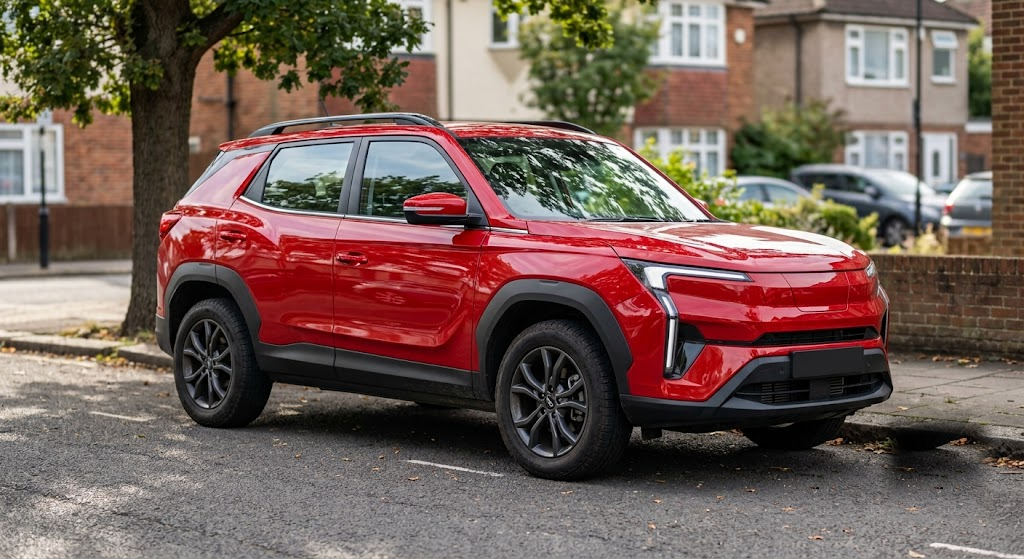
Mahindra BE 6
4.2₹18.90 Lakh - ₹26.90 LakhEx-showroom
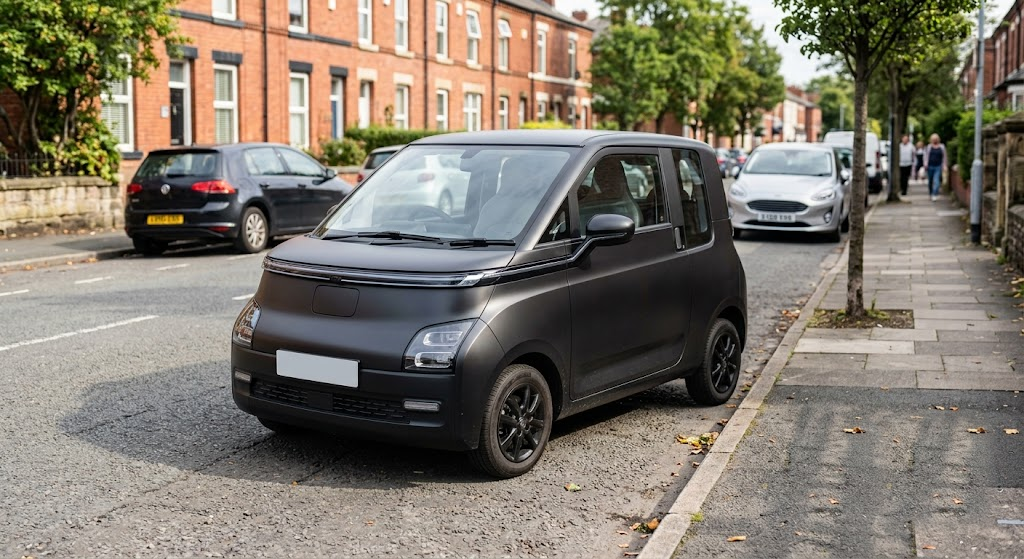
MG Comet EV
3.7₹7.00 Lakh - ₹9.80 LakhEx-showroom
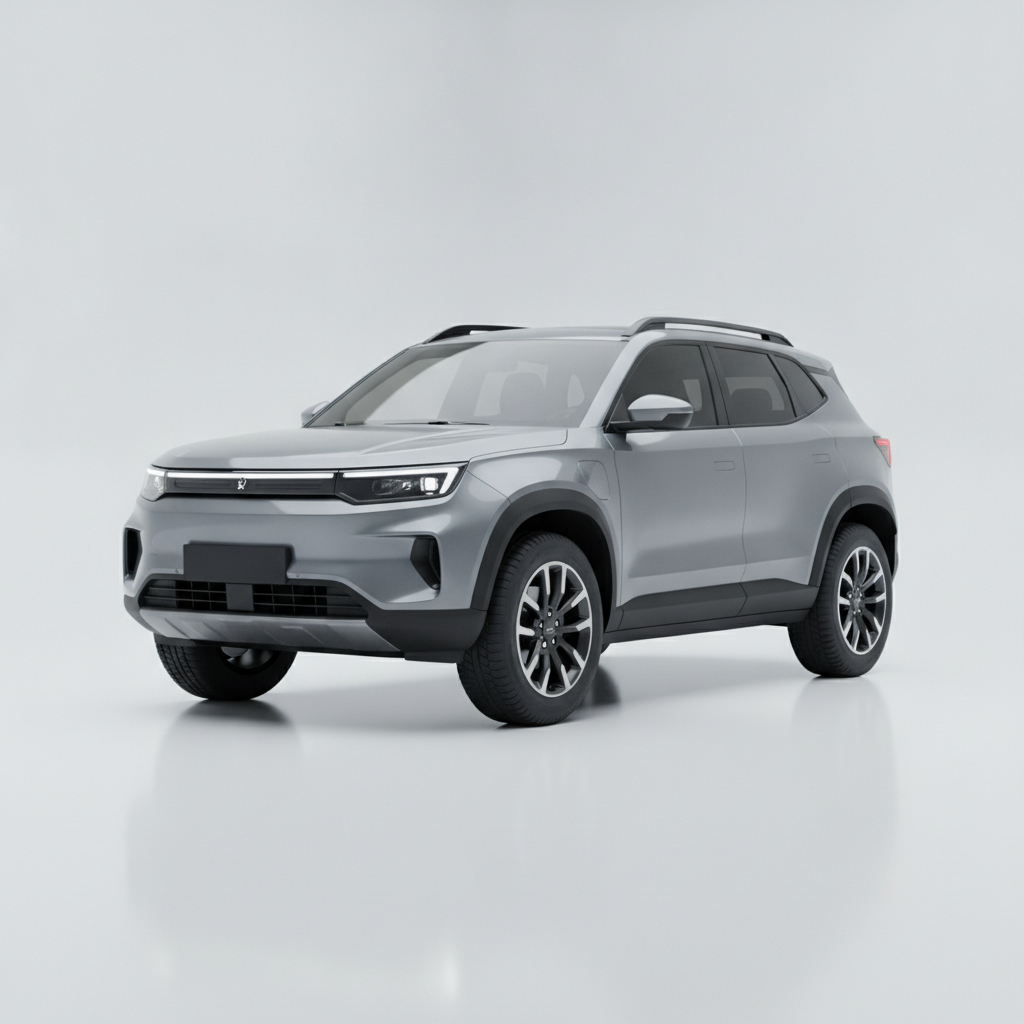
Tata Nexon EV
4.2₹12.99 Lakh - ₹19.89 LakhEx-showroom
Buying an electric or hybrid car in India
Electric cars make excellent financial sense in India for a specific kind of buyer and poor sense for another, and the deciding factor is almost never the car itself. It is where you park at night.
Charging is the whole decision
If you have a dedicated parking spot where a charge point can be installed, an EV is transformative: you leave home full every morning, running costs fall to a fraction of petrol, and you rarely think about public chargers at all. If you park on the street or in a shared society lot with no realistic path to a socket, everything about ownership becomes harder, and a strong hybrid is usually the better answer.
A home AC charger typically adds a full charge overnight. Public DC fast charging is expanding quickly along major highways but coverage is still uneven, and fast-charging tariffs are far higher than domestic electricity, enough that a buyer who relies on public charging loses much of the running-cost advantage.
Range in the real world
Treat the claimed certification range as an optimistic ceiling. In city traffic with the air-conditioning running through an Indian summer, planning around roughly 70% of the claimed figure is realistic. On a highway at sustained speed, expect less again, high-speed cruising is the least efficient thing an EV does, which is the opposite of how petrol cars behave.
For most urban buyers this is fine: the average daily commute is a small fraction of any modern EV's range. The problem case is the buyer who does occasional 400 km highway runs and has no patience for charging stops.
The tax and running-cost maths
Electric cars attract a much lower GST rate than petrol and diesel cars, and several states have waived or reduced road tax and registration charges on EVs. That combination is what closes the gap between an EV's higher sticker price and a comparable petrol car. Because state incentives change with each policy cycle, confirm what applies in your state on the day you buy rather than relying on a figure you read months earlier.
On running cost, home charging typically works out to a small fraction of petrol per kilometre. Servicing is cheaper too, no oil changes, fewer moving parts, and brake wear reduced by regenerative braking.
Batteries, warranty and resale
Battery packs in modern EVs are warranted separately from the rest of the car, commonly for eight years, and degradation on current chemistries is far slower than early adopters feared. The genuine uncertainty is resale: the used-EV market in India is young, technology is moving fast, and a five-year-old EV competes against new models with meaningfully better range.
If you keep cars for a decade, that matters less. If you change every three years, it matters a great deal, and a strong hybrid, which needs no charging infrastructure at all and delivers much of the efficiency benefit in city driving, is often the more rational purchase.