
 Illustration1 / 1
These are illustrations, not photographs. Images on this site are generated for CarQuill to show body style and colour. They are not manufacturer photography and will differ from the real vehicle in trim and detail. Check the manufacturer's configurator or a dealer for exact appearance. Why we do this.
Hyundai Creta Electric
India's most tech-loaded family electric SUV
Hyundai Creta Electric review
The Hyundai Creta Electric takes one of India's most recognised nameplates and reinvents it for the battery-electric age. Launched in January 2025, it offers two battery choices—42 kWh for city-focused commuters and 51.4 kWh for buyers who want real highway range confidence. A feature set that punches well above its price point, Vehicle-to-Load capability, and a refined powertrain make this the most credible mainstream EV to arrive in this segment so far.
From the outside, the Creta Electric announces itself subtly but deliberately—a blanked parametric grille, a distinctive pixel-LED daytime running light signature, and aero-optimised alloy wheels set it apart from the petrol Creta at a glance. Inside, Hyundai has replaced the older dashboard with a wide panel housing a 10.25-inch touchscreen and 10.25-inch digital instrument cluster in a single sweep. Crucially, physical knobs for climate control are retained, keeping day-to-day usability high. Rear passengers enjoy generous knee room, though the floor-mounted battery pack raises the cabin floor slightly, reducing under-thigh support on long journeys—a noticeable but not deal-breaking trade-off.
On the road the long-range motor's 171 PS and 255 Nm of instantaneous torque make the car feel genuinely quick off the line and easy to thread through traffic. Hyundai has tuned the suspension for a composed, absorbent ride on broken city roads, and the low centre of gravity from the floor battery keeps handling predictable at highway speeds. Four levels of regenerative braking—plus an i-Pedal single-pedal mode that works well in stop-and-go conditions—give the driver flexibility to tailor the driving character. Hyundai's ARAI-certified range of 473 km on the large pack translates to roughly 340–380 km in realistic mixed use, enough for most Indian commutes and planned intercity runs.
The technology offering is among the strongest at this price point in India. Excellence-trim buyers receive Hyundai's Level 2 ADAS suite covering forward collision avoidance, lane-keeping assist, adaptive cruise control with stop-and-go, and blind-spot collision warning. The BlueLink connected-car platform supports remote climate pre-conditioning, charge scheduling, and over-the-air software updates via a smartphone app. The Vehicle-to-Load feature—which lets you run external appliances from the traction battery at up to 3.6 kW—is a genuinely practical addition in a country where power cuts remain common, and a 360-degree camera with multiple view modes makes navigating tight urban spaces far less stressful.
Ownership economics are a compelling argument. Home charging with a 7.2 kW AC wallbox costs approximately ₹1.8–2.2 per kilometre depending on your state's electricity tariff, against ₹7–9 per km for a comparable petrol Creta at current fuel prices. That gap adds up to meaningful annual savings for high-mileage owners. Hyundai backs the battery with an 8-year or 1,60,000 km warranty including a 70% capacity retention guarantee, which should reassure buyers worried about long-term degradation. The DC fast-charging ecosystem outside major metros still needs expansion, but for buyers who can charge at home, the Creta Electric delivers a persuasive total-ownership case.
Pros & cons
What we like
- Two battery sizes suit different budgets and range requirements
- Comprehensive Level 2 ADAS on Excellence trim for genuine safety assist
- Vehicle-to-Load lets you run appliances from the car's traction battery
- Refined, quiet ride with well-judged suspension tune for Indian roads
- Running costs significantly lower than a comparable petrol SUV
What could be better
- Real-world range falls noticeably short of ARAI-certified figures on highways
- Elevated battery floor reduces rear-seat under-thigh support on long drives
- DC fast charging capped at 50 kW on the standard-range 42 kWh variant
- Higher sticker price than the ICE Creta makes the initial outlay steep
Hyundai Creta Electric price & variants
| Variant | Fuel / Transmission | Ex-showroom |
|---|---|---|
| Executive Best value | ElectricAutomatic | ₹17.99 Lakh |
| Smart | ElectricAutomatic | ₹18.99 Lakh |
| Smart+ | ElectricAutomatic | ₹20.99 Lakh |
| Excellence | ElectricAutomatic | ₹23.50 Lakh |
Key specifications
Model Overview
Engine & Transmission
Dimensions & Capacity
Fuel & Performance
Comfort & Convenience
Safety
Hyundai Creta Electric colours
Expert rating breakdown
Owner reviews
Finally an EV that makes practical sense for our family
I picked up the Excellence variant and consistently get 340–350 km per charge in Pune's mixed city and highway use. The V2L feature was a lifesaver during a three-hour power cut last month—we ran a table fan and kept our phones charged the whole time. Monthly home charging costs us under ₹1,400, which is extraordinary compared to what we spent on petrol before.
Brilliant daily car, but highway range needs planning
In Bengaluru traffic this SUV is almost perfect—smooth, quiet, and the ADAS keeps motorway stints genuinely relaxed. My only real concern is longer road trips where fast chargers are still thin on certain corridors. The cabin quality and the connected features feel genuinely premium for the price, and I have no regrets about the switch from petrol.
Smart variant is solid but I wish I had stretched to Excellence
The car drives superbly and the running costs are excellent, but without ADAS or V2L on the Smart trim I feel I am missing the features that make this EV special. Rear seat comfort on longer drives is slightly compromised by the higher floor—I notice it on trips over two hours. Day to day in the city, though, it is a genuinely effortless car to live with.
Alternatives to the Hyundai Creta Electric
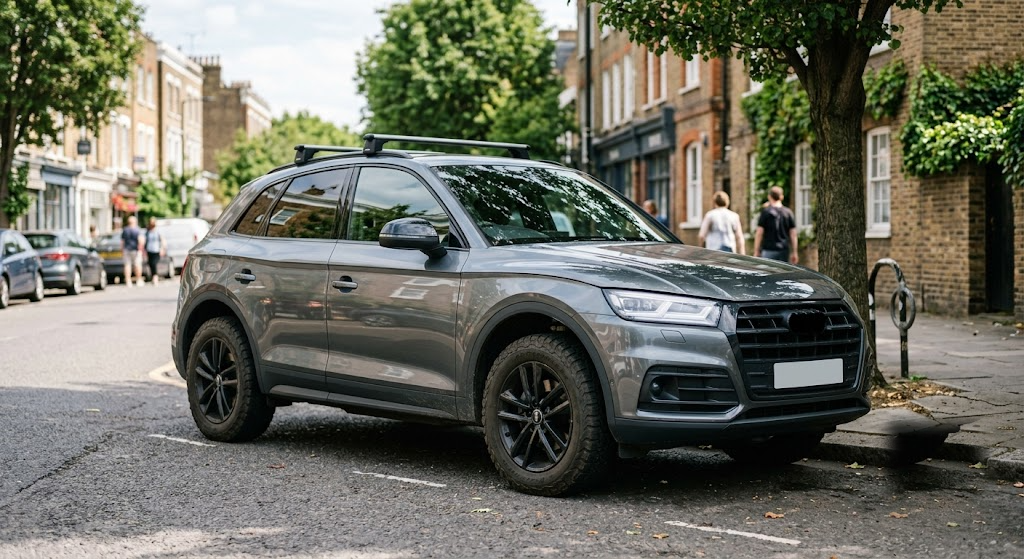
Audi Q5
4.3₹65.00 Lakh – ₹77.00 LakhEx-showroom
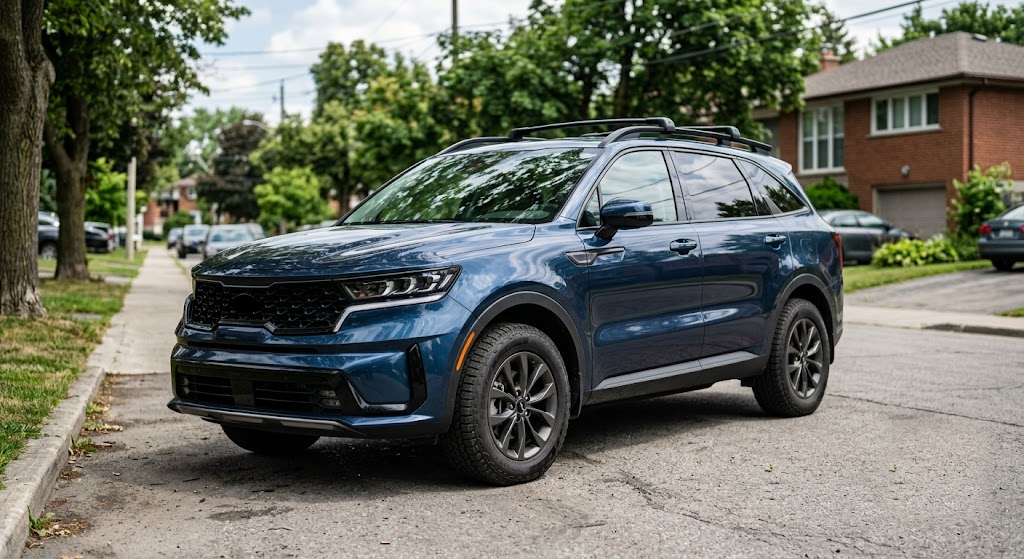
Kia Syros
4.1₹8.99 Lakh – ₹15.99 LakhEx-showroom
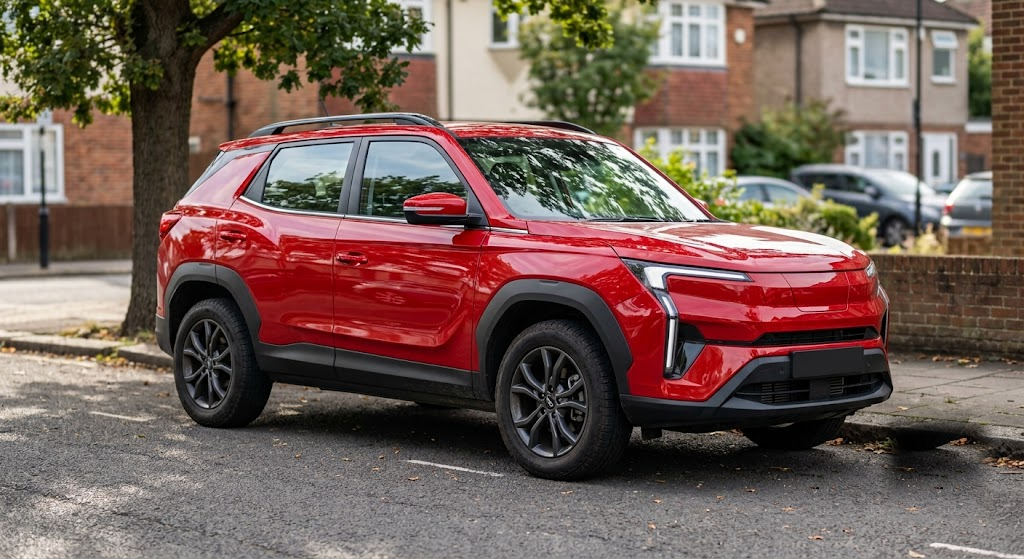
Mahindra BE 6
4.2₹18.90 Lakh – ₹26.90 LakhEx-showroom

Mahindra BE 6e
4.2₹18.90 Lakh – ₹26.90 LakhEx-showroom
Hyundai Creta Electric — frequently asked questions
What is the real-world driving range of the Creta Electric?
The 51.4 kWh long-range variant carries an ARAI-certified range of 473 km, but in realistic mixed city and highway conditions most owners report 330–380 km depending on AC usage, load, and driving style. The 42 kWh standard-range pack is certified at 390 km, with real-world returns typically in the 270–310 km band.
How long does a full charge take?
Using a 7.2 kW AC home wallbox, the 51.4 kWh battery takes around 8–9 hours for a complete charge from near-empty, making overnight charging the natural routine. A 50 kW DC fast charger can bring the long-range pack to 80% in approximately 58 minutes. The 42 kWh standard-range pack charges proportionally faster on the same equipment.
Does Level 2 ADAS come on all variants?
No—Hyundai's Level 2 ADAS suite, covering forward collision avoidance, lane-keeping assist, adaptive cruise control with stop-and-go, and blind-spot collision warning, is exclusive to the top-spec Excellence variant. All variants do get core safety hardware including six airbags, ABS with EBD, and electronic stability control as standard.
What is Vehicle-to-Load and which variant gets it?
Vehicle-to-Load allows you to draw power from the car's traction battery to run external electrical devices—fans, laptops, small appliances, or even emergency top-up charging for another EV. It delivers up to 3.6 kW of output and is available exclusively on the Excellence trim via a dedicated socket near the boot.
How do the running costs compare to a petrol Creta?
Home charging the Creta Electric typically costs ₹1.8–2.5 per km depending on your state's electricity tariff. A comparable petrol Creta costs roughly ₹7–9 per km at current fuel prices. Driving 15,000 km a year, the EV can save ₹75,000–1,00,000 or more annually in fuel alone, which meaningfully offsets the higher purchase price over a five-year ownership period.
What does Hyundai's battery warranty cover?
Hyundai provides an 8-year or 1,60,000 km warranty on the high-voltage battery pack, whichever arrives first, and guarantees that the pack will retain at least 70% of its original capacity within that period. The vehicle itself is covered under Hyundai's standard 3-year or 1,00,000 km comprehensive warranty.
Specifications and prices are indicative and may vary by variant and city, so please confirm with an authorized dealer before buying. Last updated 2026-07-27.