
Compare Cars
Pick any two cars and put them head-to-head on price, specs, mileage and safety.
Popular comparisons
Match-ups buyers shortlist together
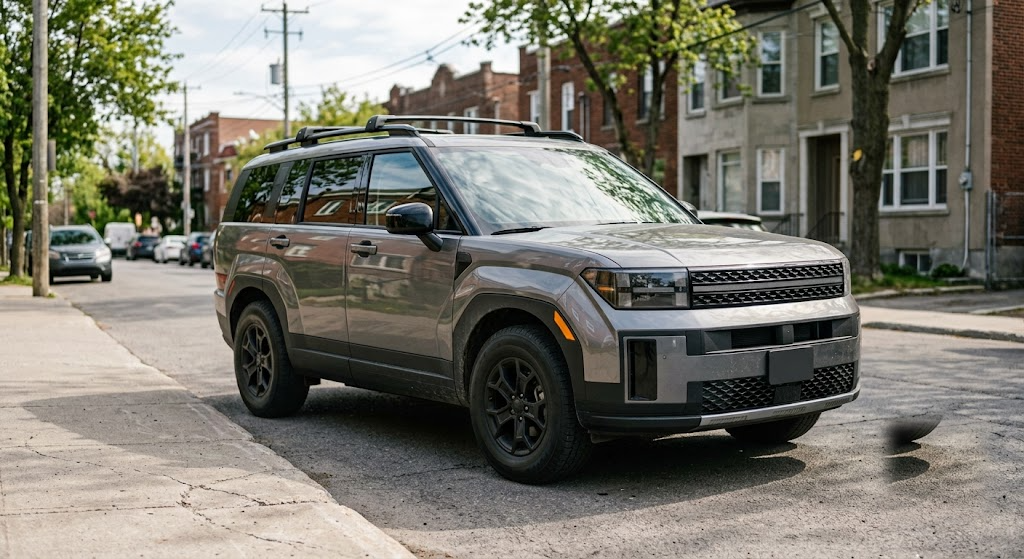 Hyundai Exter₹6.00 Lakh
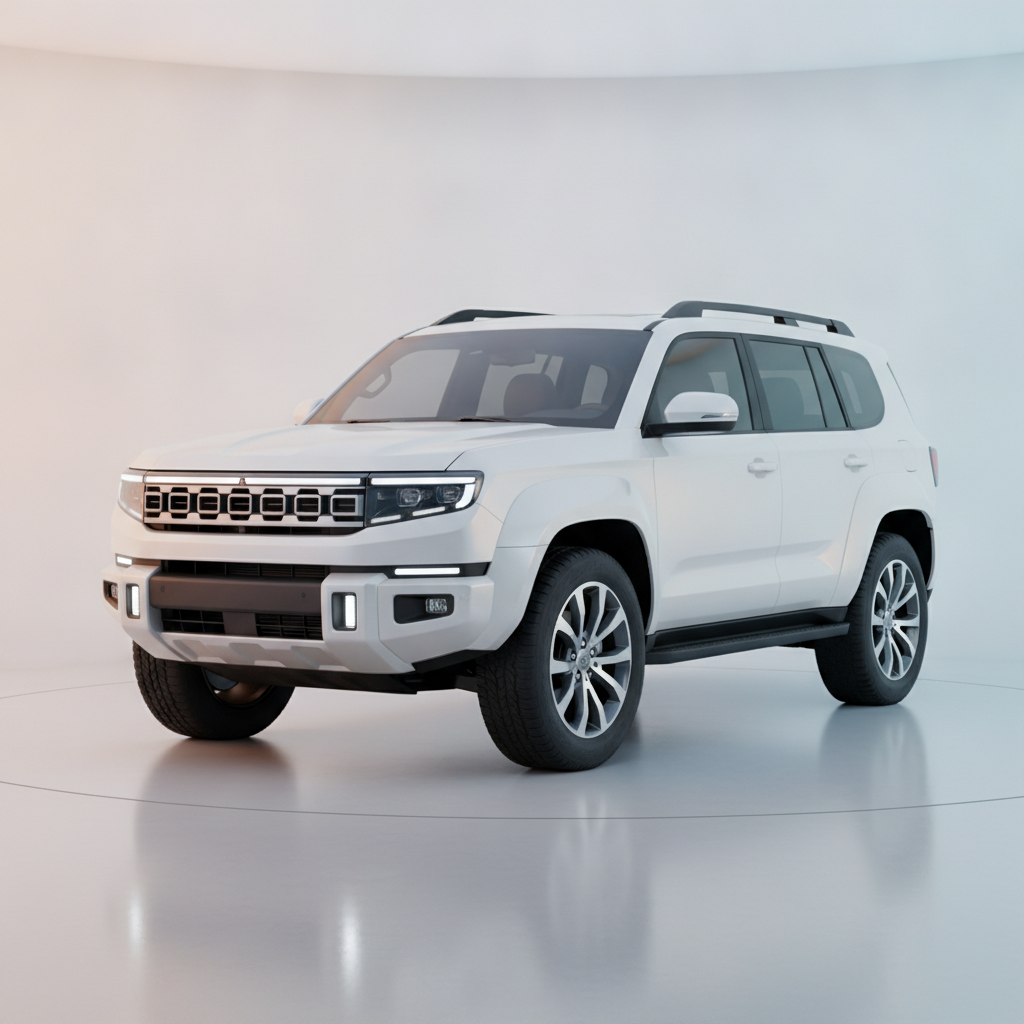 Tata Punch₹6.00 Lakh
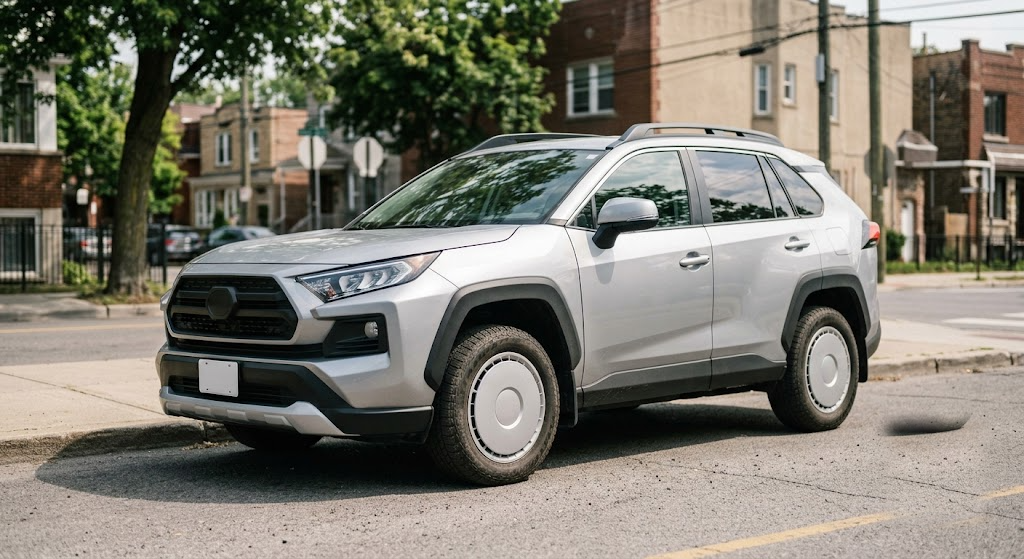 Hyundai Venue₹7.99 Lakh
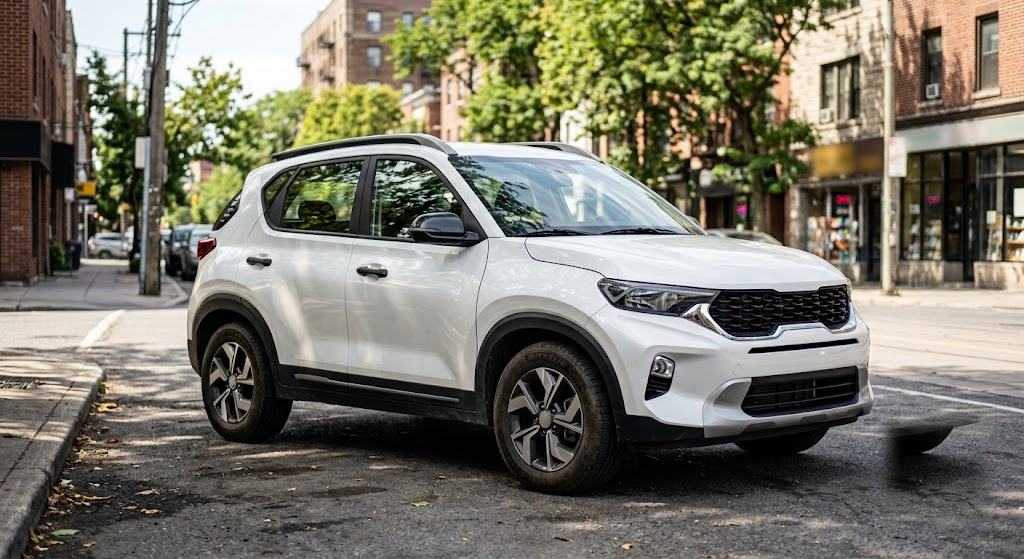 Kia Sonet₹8.00 Lakh
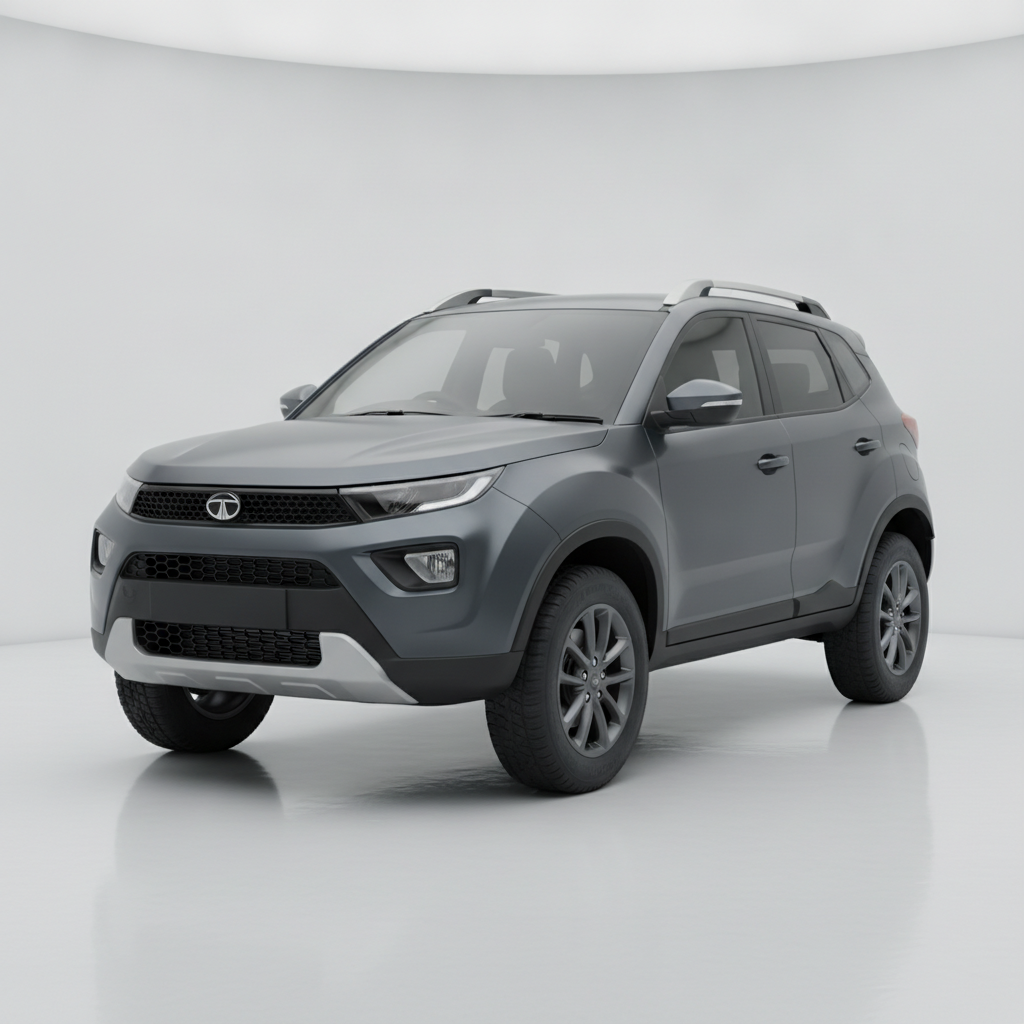 Tata Nexon₹8.00 Lakh
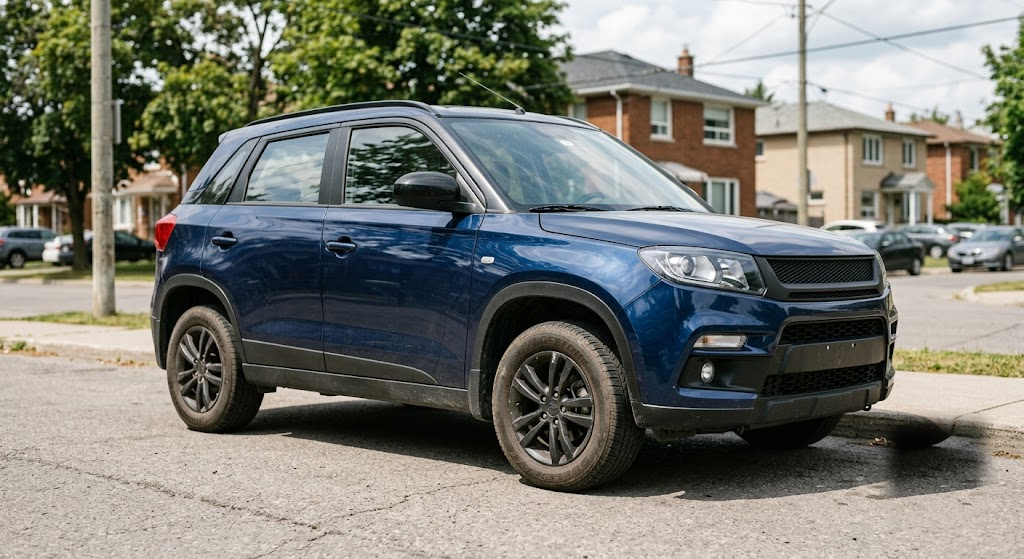 Maruti Suzuki Brezza₹8.50 Lakh
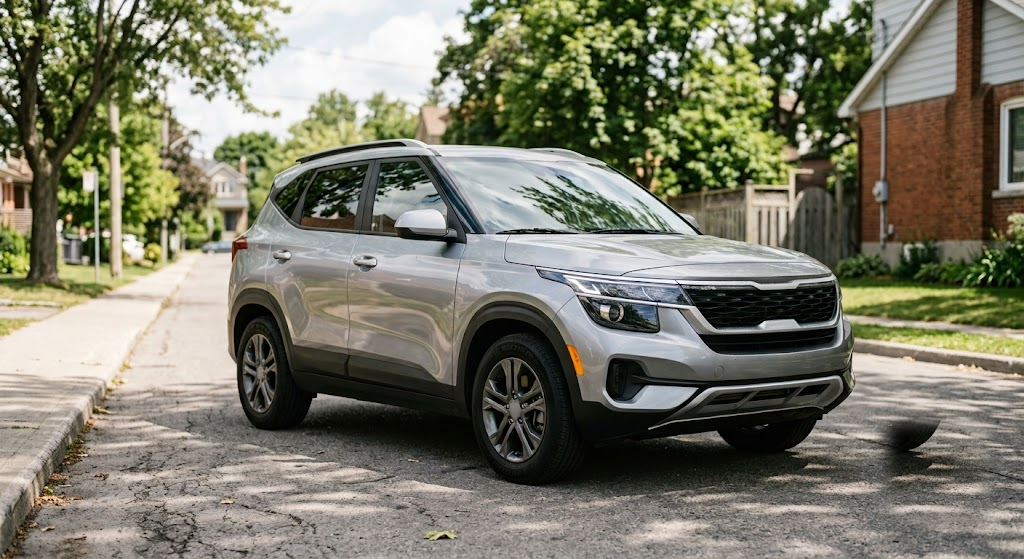 Kia Seltos₹10.99 Lakh
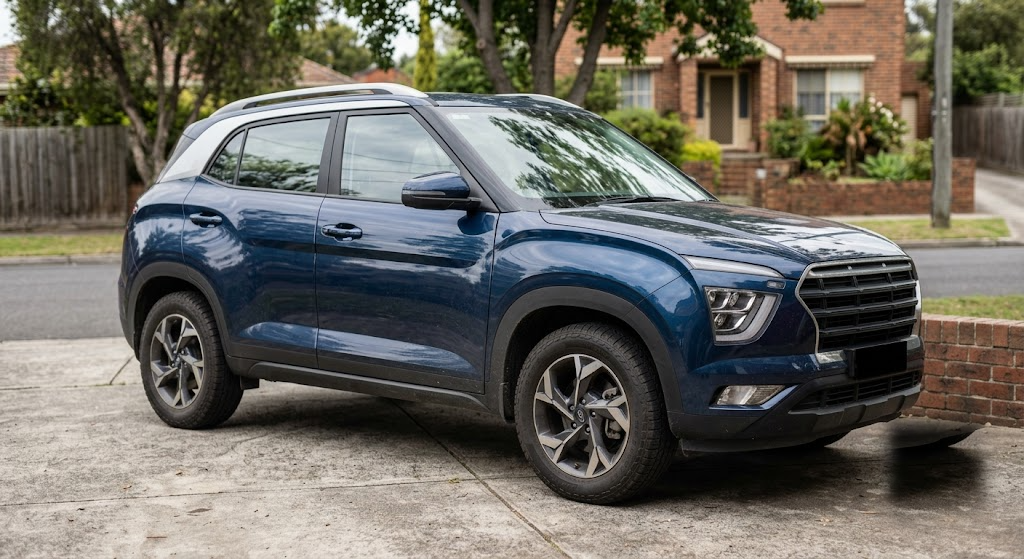 Hyundai Creta₹11.00 Lakh
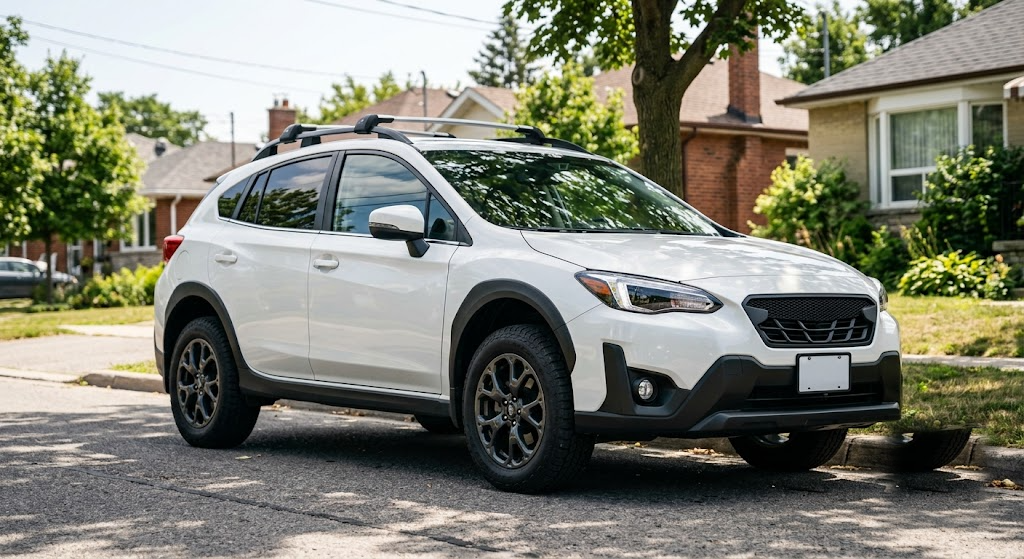 Maruti Suzuki Grand Vitara₹11.00 Lakh
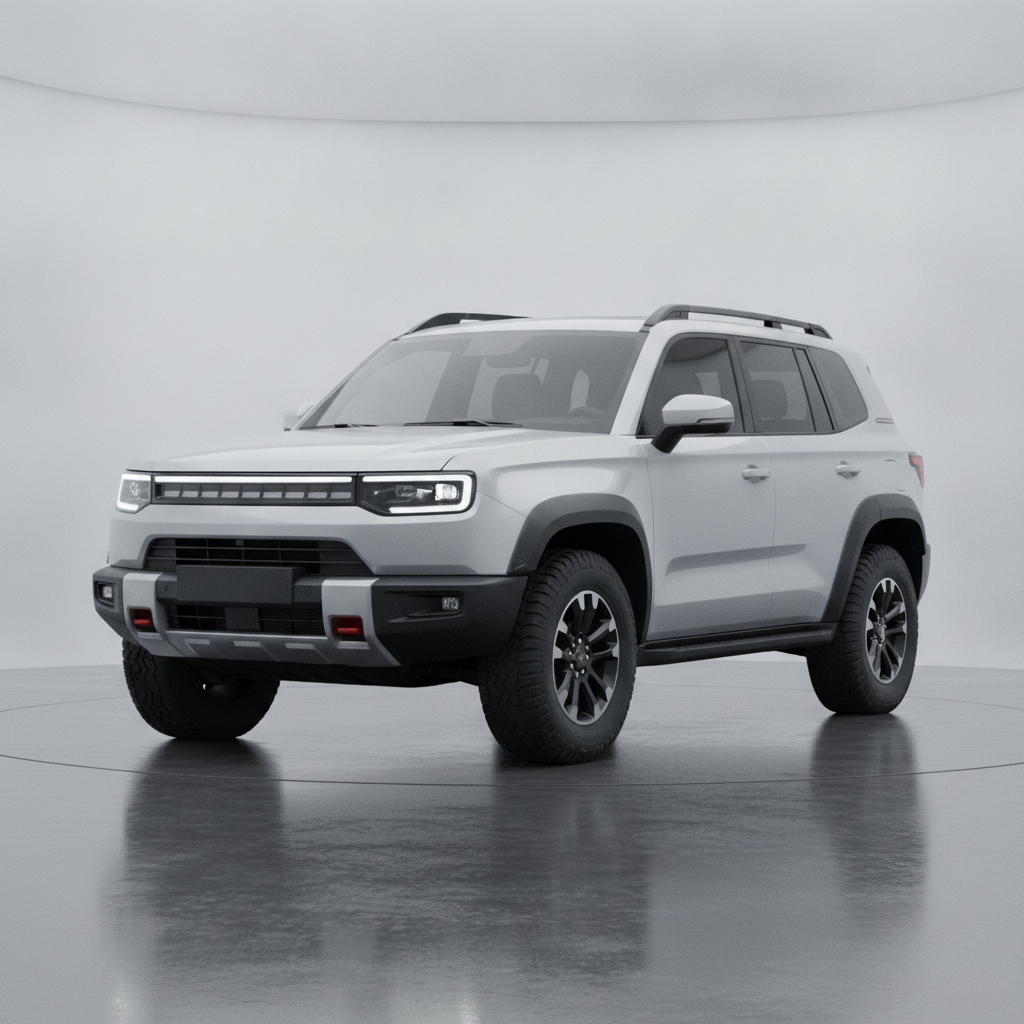 Toyota Urban Cruiser Hyryder₹11.29 Lakh
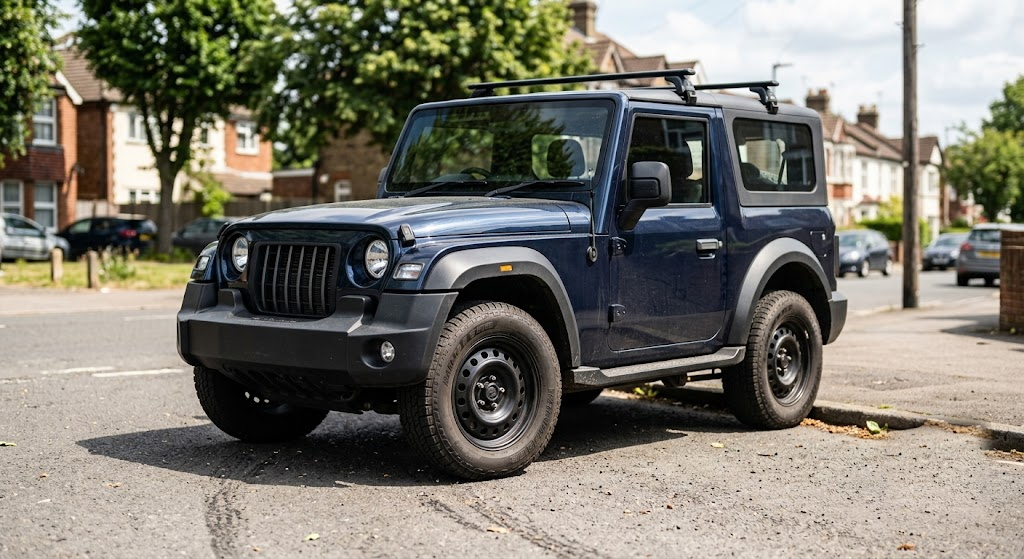 Mahindra Thar₹11.35 Lakh
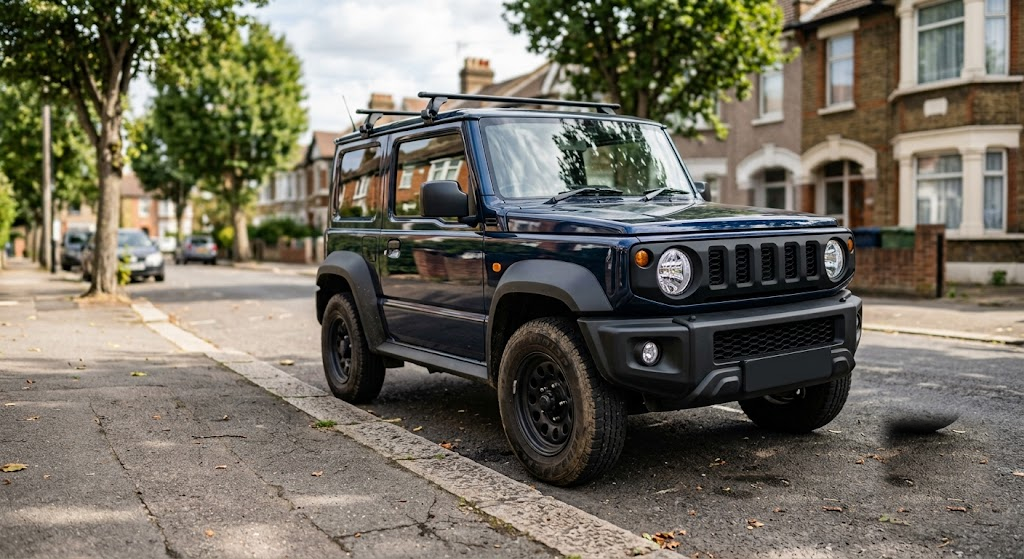 Maruti Suzuki Jimny₹12.74 Lakh
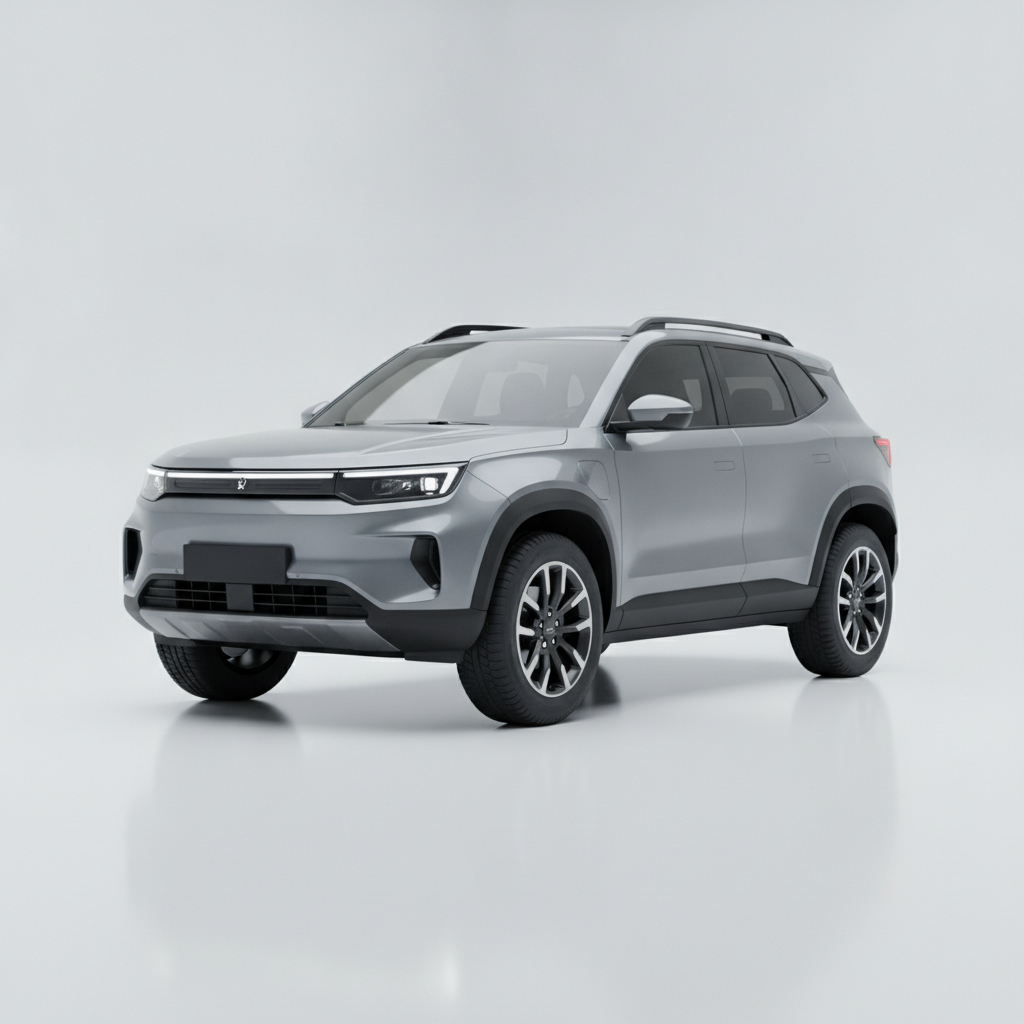 Tata Nexon EV₹12.99 Lakh
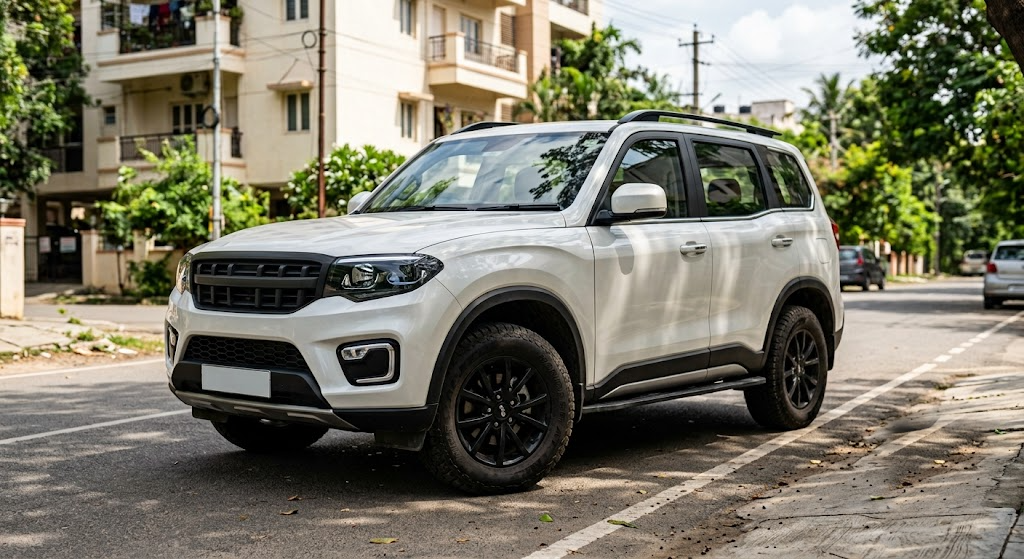 Mahindra Scorpio N₹13.99 Lakh
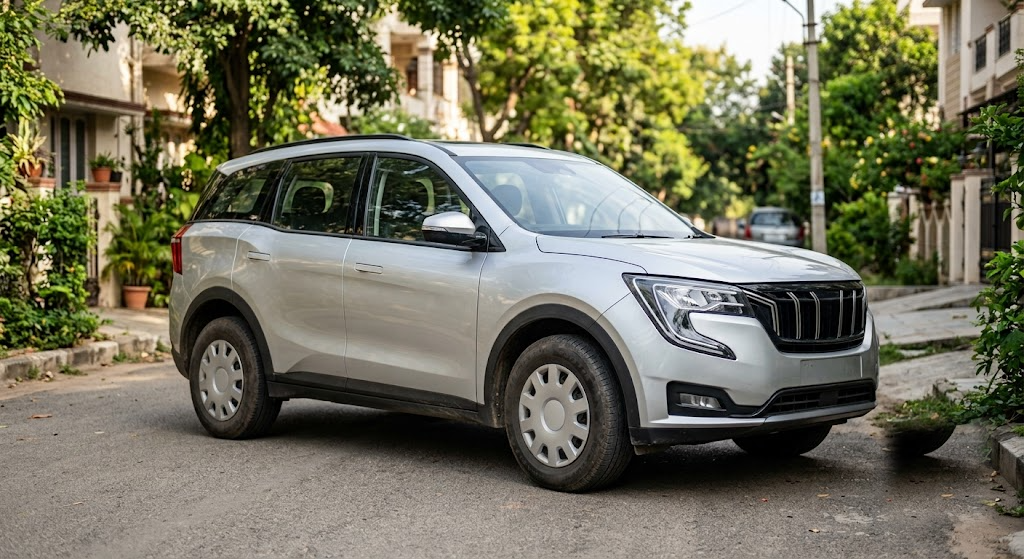 Mahindra XUV700₹13.99 Lakh
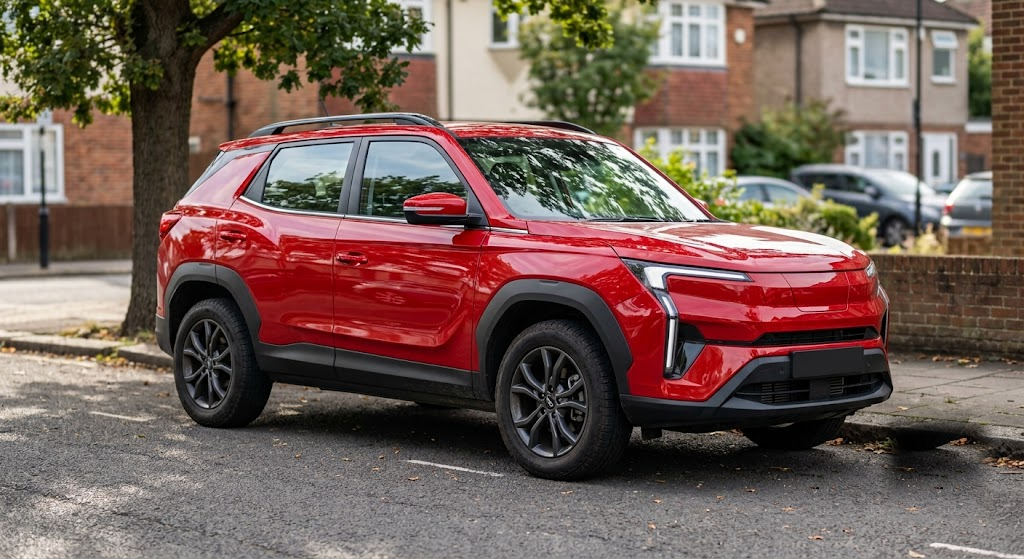 Mahindra BE 6₹18.90 Lakh
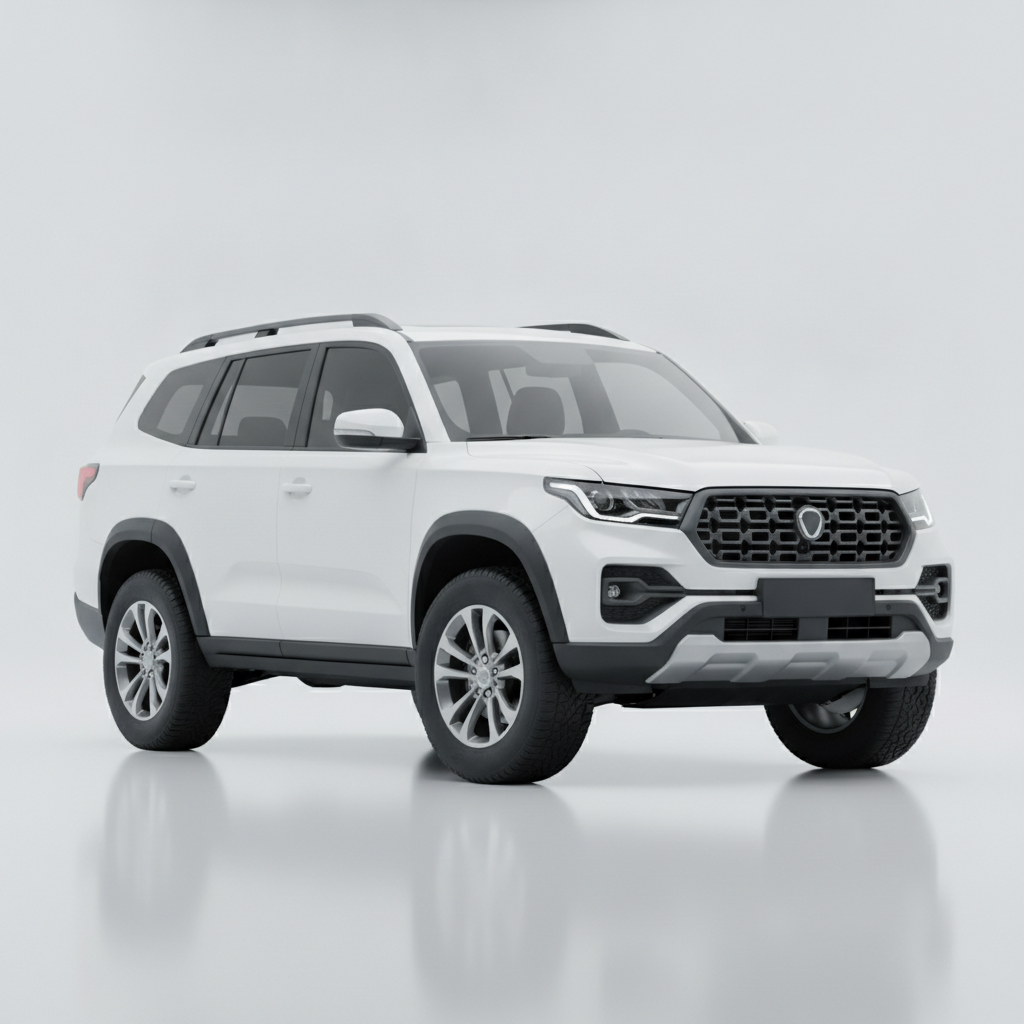 Toyota Fortuner₹33.43 Lakh
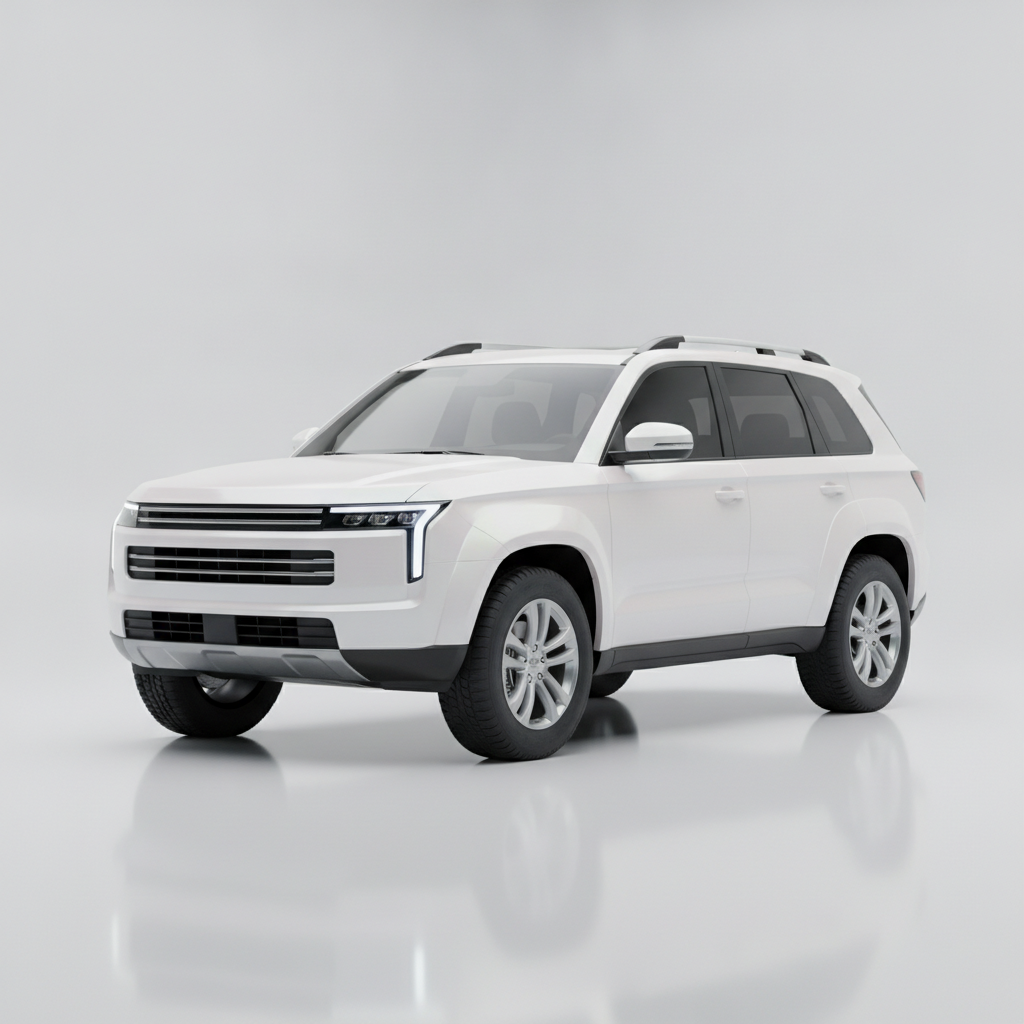 Skoda Kodiaq₹46.50 Lakh
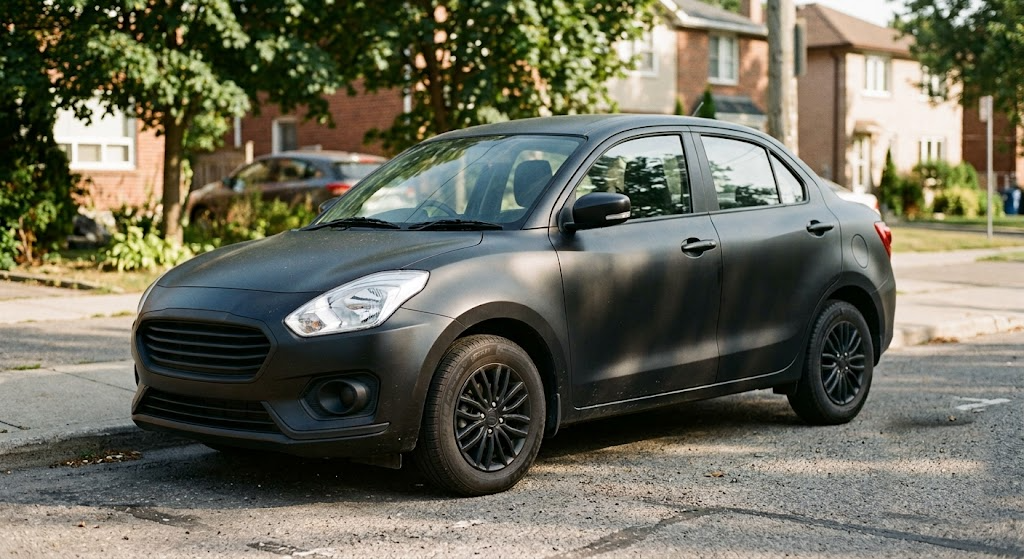 Maruti Suzuki Dzire₹6.79 Lakh
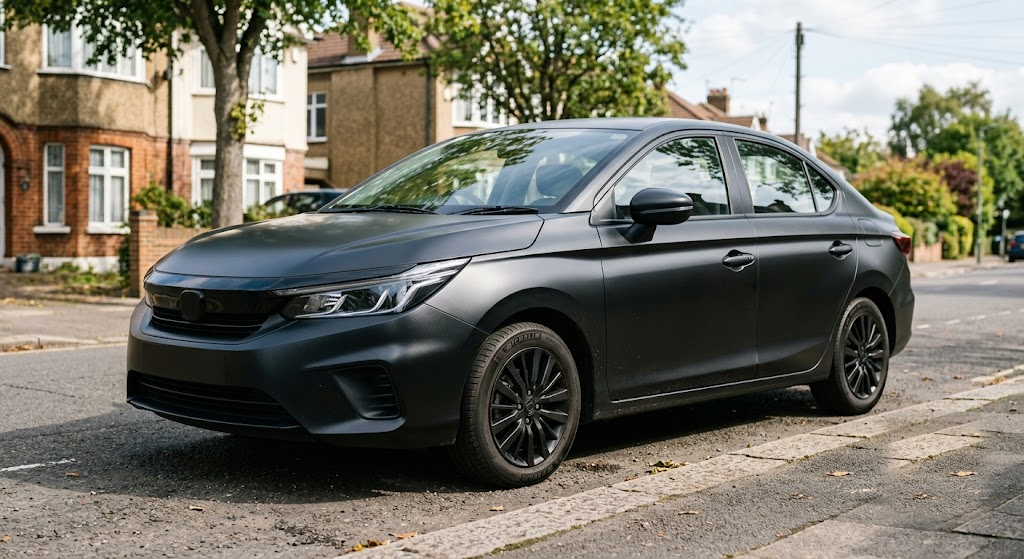 Honda City₹11.90 Lakh
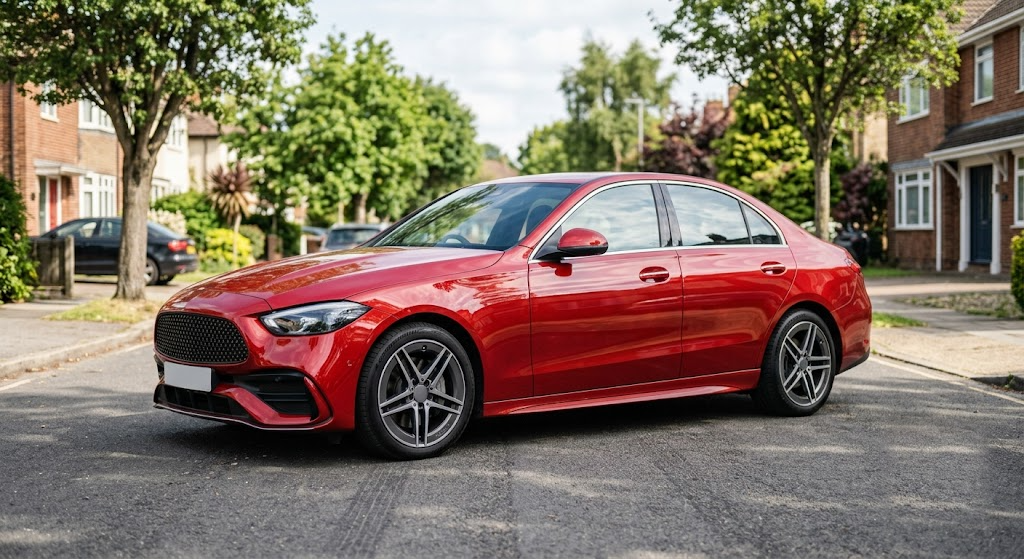 Mercedes-Benz C-Class₹60.00 Lakh
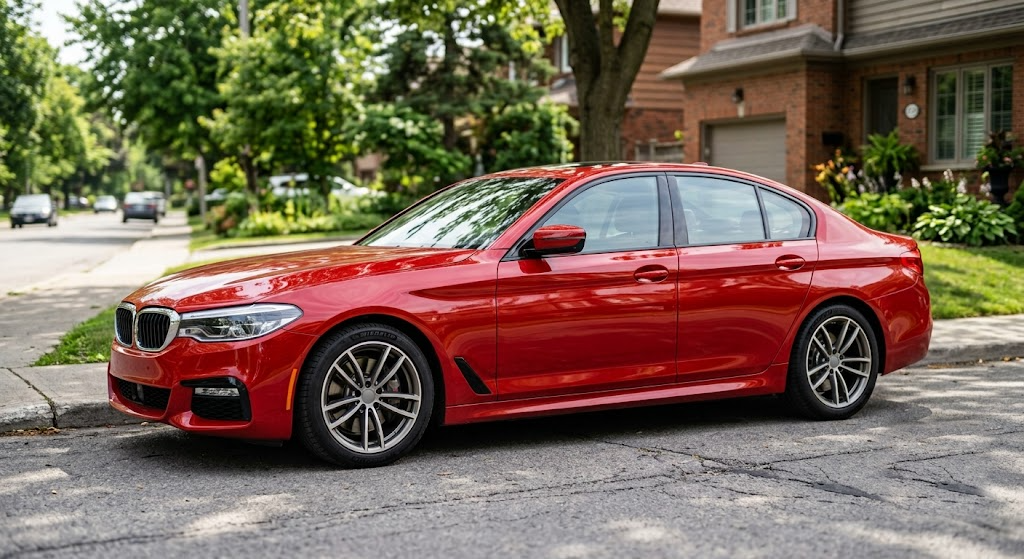 BMW 5 Series₹72.90 Lakh
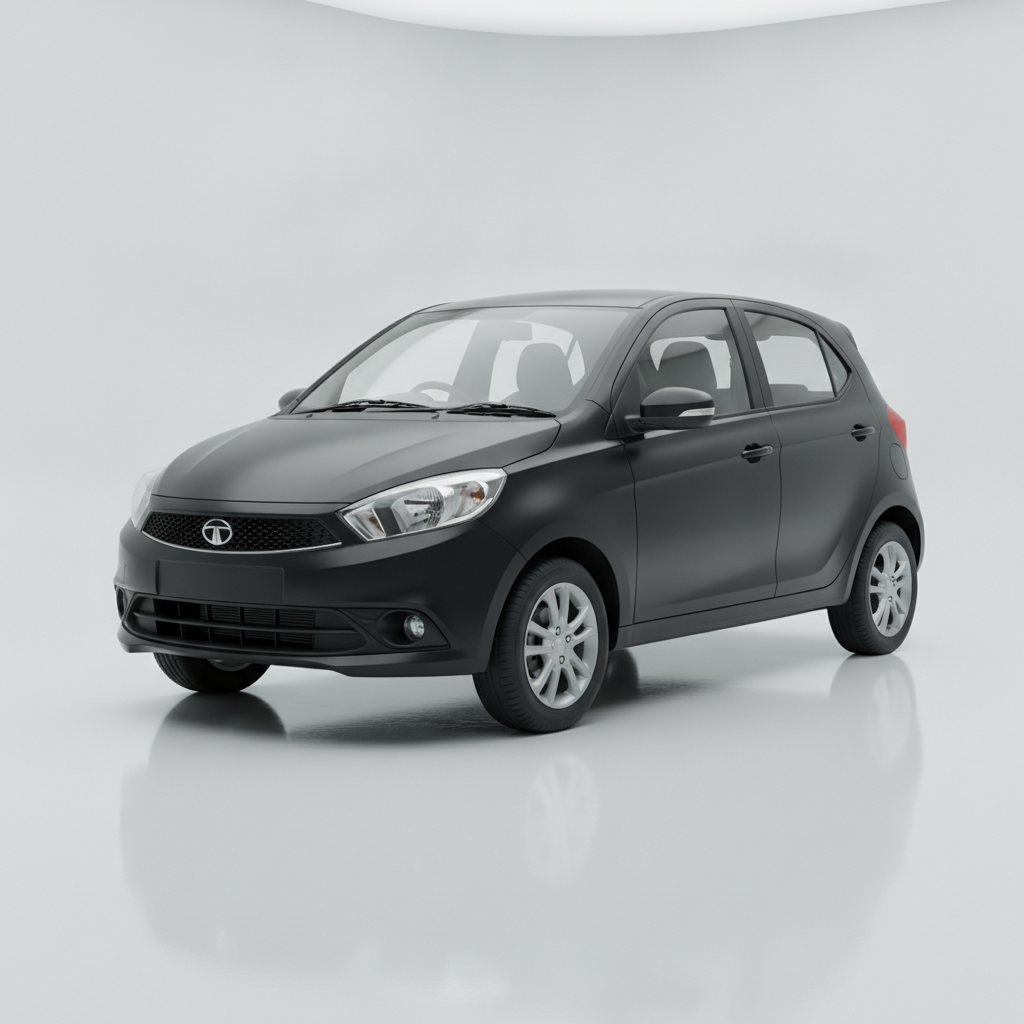 Tata Tiago₹5.80 Lakh
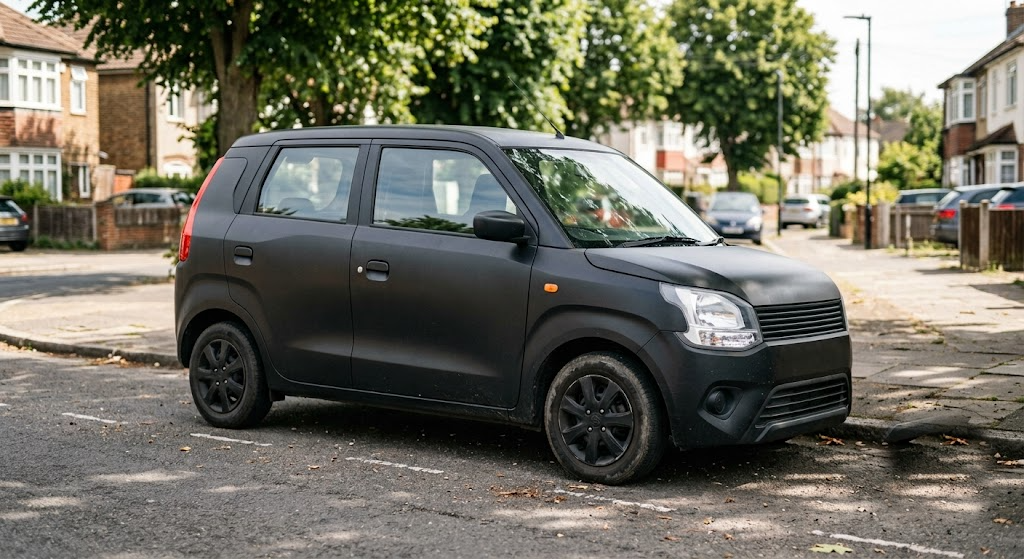 Maruti Suzuki WagonR₹5.80 Lakh
How to compare two cars properly
Most car comparisons go wrong in the same way: the buyer lines up two spec sheets, finds the one with the bigger numbers, and buys it. Specifications are the easiest thing to compare and among the least predictive of whether you will be happy in three years.
Compare like for like
The single most common error is comparing a top trim of one car against a base trim of another. Prices, equipment and even engines differ across a model's range, so decide the trim level you would actually buy in each case and compare those specific versions.
The same applies to price. Compare the full cost of getting the car on the road, including taxes, registration and insurance, not the headline figure used in advertising.
Numbers that matter more than horsepower
- Torque and where it arrives. A car with less peak power but more low-end torque usually feels quicker in ordinary driving.
- Kerb weight. It quietly determines efficiency, ride quality, braking and how the car feels at the limit.
- Boot capacity measured the same way for both cars, and rear-seat legroom if anyone will sit there regularly.
- Ground clearance if your daily route includes bad roads or steep ramps.
- Safety equipment on the specific trim, not the range-topper used in the brochure photography.
Costs that appear later
Two cars with the same purchase price can diverge sharply over five years. Service intervals and package prices, insurance premiums for that specific model, tyre sizes, a low-profile 19-inch tyre can cost twice what a 16-inch one does, and expected resale all belong in the comparison.
Depreciation is usually the largest of these by a wide margin, and it is the one buyers most often leave out entirely.
Then go and drive both
No comparison table captures seating position, visibility, how intuitive the controls are, how much road noise reaches the cabin, or whether the driver's seat suits your back on a two-hour drive. Drive both cars back to back on the same day, on roads you actually use, and take whoever will be sitting in the passenger seat with you.
Use the comparison tool to build the shortlist. Use the test drive to decide.