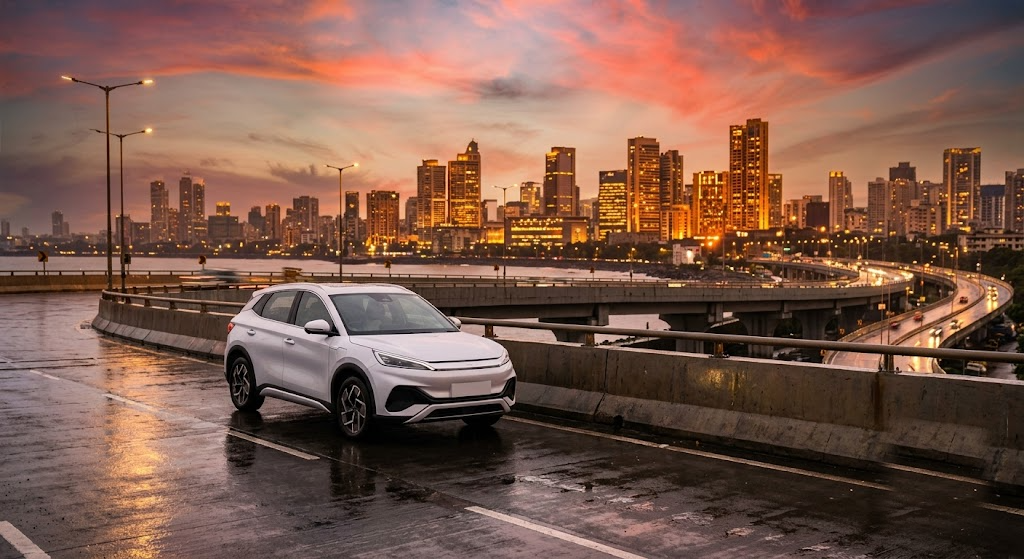
India's EV Record & Rate Hold: 5 Smart Car Buys for August 2026
A rare alignment of record EV adoption, a rate-on-hold RBI, sliding crude oil, and a global polysilicon tariff war creates both opportunity and urgency for Indian car buyers this August.

India's auto industry just posted its strongest July on record — retail sales climbed 26% year-on-year to 25.91 lakh units according to FADA data, with electric vehicles setting an all-time monthly high in the same period. Crucially, this sales surge is unfolding against a uniquely supportive macro backdrop: the RBI held its repo rate unchanged at its August meeting, the rupee closed at a one-month high against the dollar as sliding global crude prices eased India's oil import burden, and the Sensex held firm above 24,600. For Indian car buyers, August 2026 is shaping up as one of the more compelling entry windows in recent memory — a rare alignment of stable EMIs, easing fuel costs, and a currency that is not actively working against you.
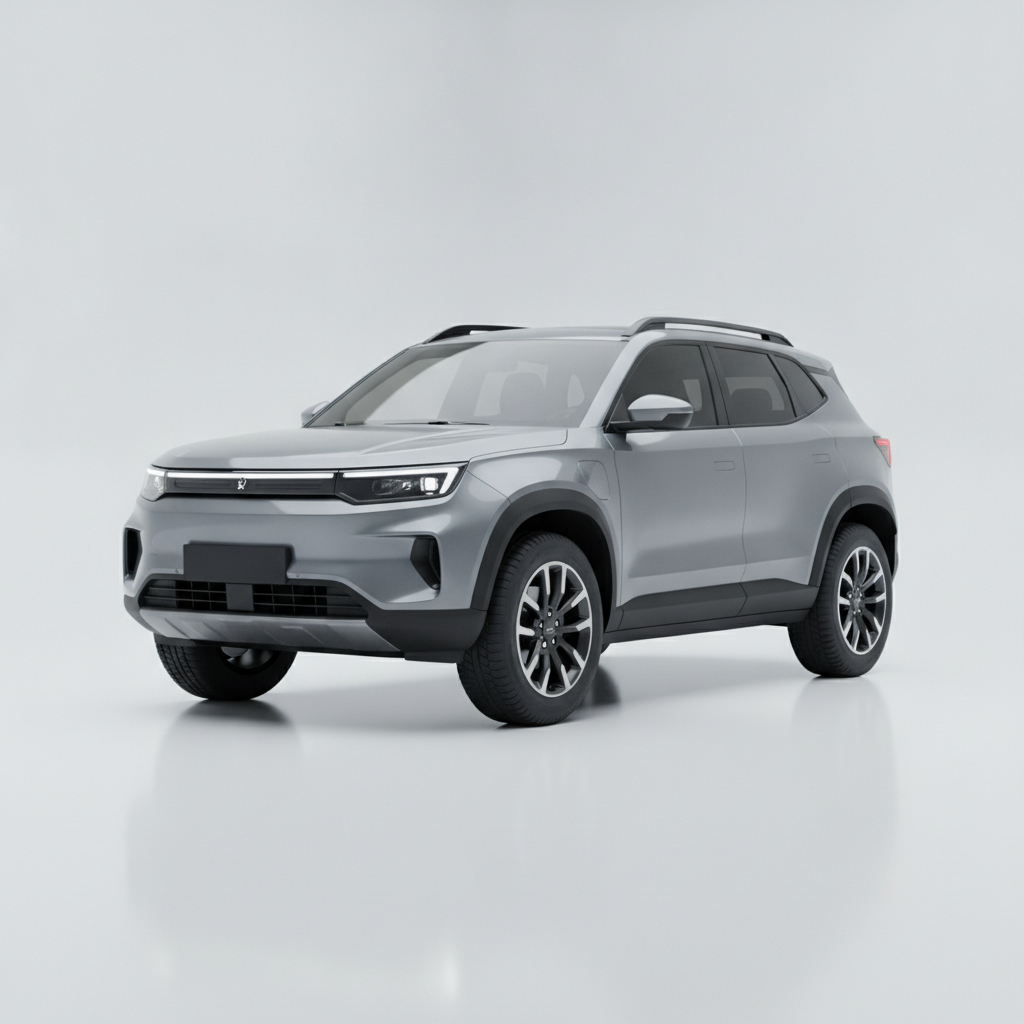
Not all the signals are benign, however. The Trump administration's announced 15% tariff on polysilicon imports — targeting China's grip on the solar supply chain — carries implications that extend beyond solar panels. Polysilicon is an upstream feedstock for silicon-based battery materials, and a sustained escalation in this trade conflict could push battery cell costs higher across global supply chains over an 18–24 month horizon. India's best-selling EVs — the [Tata Nexon EV](/cars/tata-nexon-ev) (from ₹12.99 lakh, 465 km claimed range), the [Hyundai Creta Electric](/cars/hyundai-creta-electric) (from ₹17.99 lakh, 473 km ARAI range), and the [Mahindra BE 6](/cars/mahindra-be-6) (from ₹18.9 lakh, 490 km ARAI range on the 59 kWh pack) — source battery cells predominantly from Asian manufacturers. No immediate price revision is expected, but the direction of future cost pressure is less favourable than it was six months ago. For buyers who are ready, waiting is not obviously the rational call.
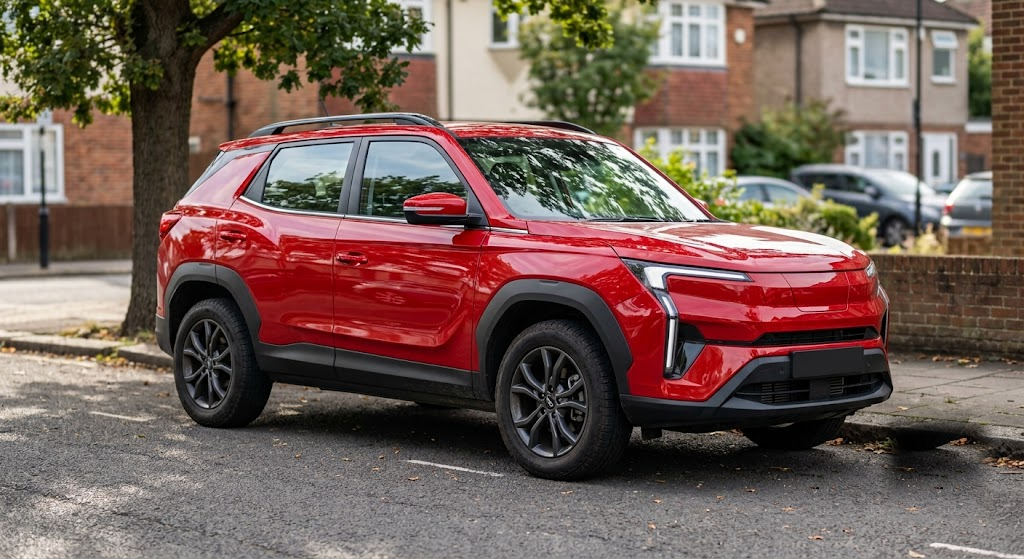
The RBI's decision to hold the repo rate steady is good news for anyone financing a purchase. With rates unchanged, bank and NBFC car loan rates remain broadly in the 8.5–9.5% range, putting the monthly EMI on a ₹15 lakh loan over five years at approximately ₹30,800 — a figure that has not moved materially in quarters. This financing stability, combined with Maruti's projection of the passenger vehicle market reaching 6.3 million units by 2031, signals that manufacturers expect sustained volume growth — which typically translates into competitive subvented rates, cashback schemes, and zero-cost EMI offers, particularly as the festive season approaches. The [Hyundai Creta](/cars/hyundai-creta) (from ₹11 lakh, 17.4 kmpl petrol) and [Kia Seltos](/cars/kia-seltos) (from ₹10.99 lakh, up to 20.7 kmpl diesel) sit in the ₹10–15 lakh band where lenders compete most aggressively, so buyers in this segment often find the sharpest financing terms on the market right now.
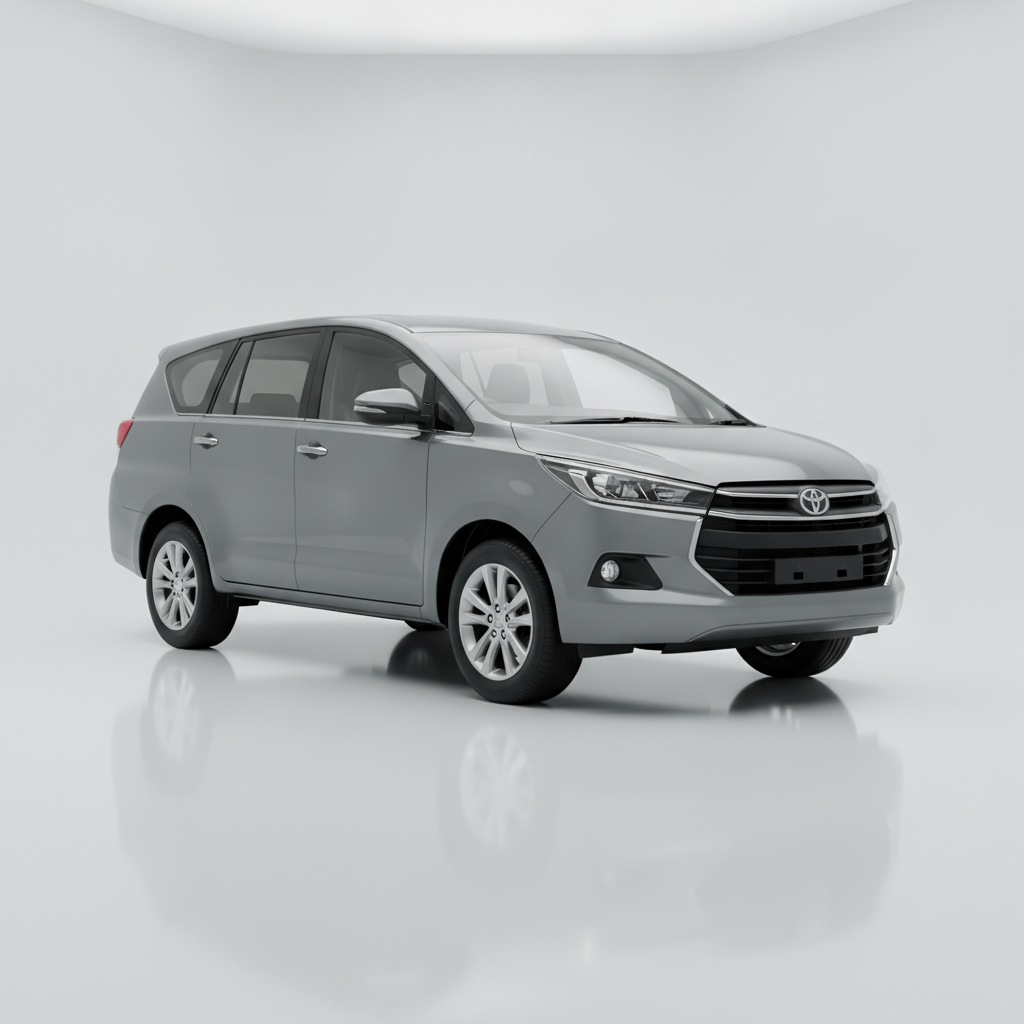
Sliding crude prices are worth paying attention to even if you are buying a petrol or diesel car. A sustained softening of global oil reduces India's import bill and eases policy pressure on retail fuel pricing — even a modest ₹2–3/litre drop in petrol saves a typical driver roughly ₹3,000–4,500 per year and materially improves the case for efficient conventionals. The [Toyota Innova Hycross](/cars/toyota-innova-hycross) Petrol Hybrid (from ₹19.3 lakh, 21.1 kmpl) remains a standout for large-family buyers who want the mileage buffer of a full hybrid without fully committing to an EV. The Honda City Petrol-Hybrid (from ₹11.9 lakh, 18.4 kmpl) makes an equally persuasive case as a frugal sedan in a market that has swung heavily toward SUVs, while the Hyundai Alcazar diesel (from ₹14.99 lakh, 20.4 kmpl) offers three-row practicality at a running cost that is difficult to match in its class.
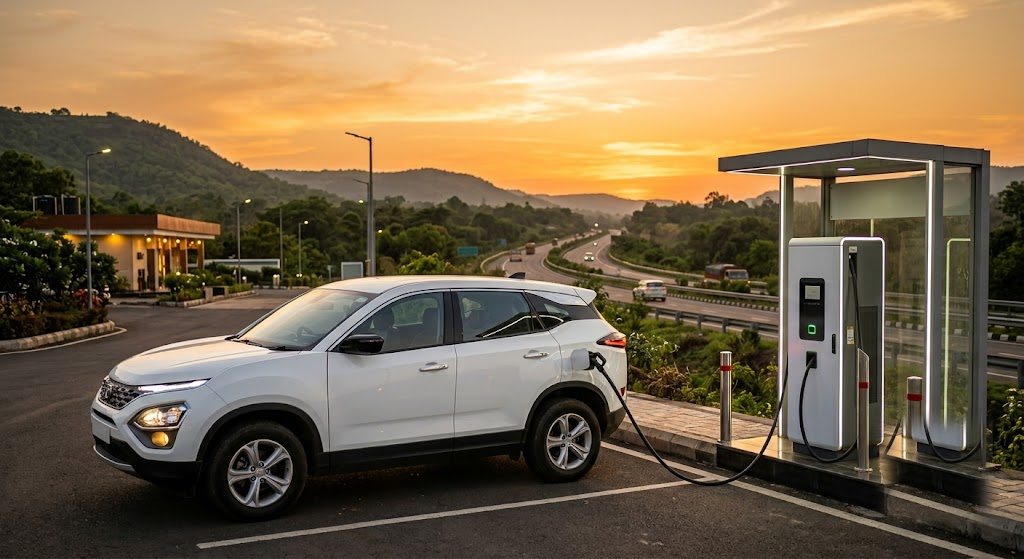
The record EV sales in July confirm that range anxiety and charging concerns are receding faster than analysts had forecast. Charging infrastructure, particularly across tier-1 and growing tier-2 cities, has densified enough to make the Hyundai Creta Electric and Mahindra BE 6 genuinely practical as primary vehicles — not merely city-weekend machines. The polysilicon tariff risk remains a medium-term headwind rather than an immediate price event: on-road sticker prices will not change next month. But buyers waiting for EVs to get cheaper may find that wait longer than expected if supply-chain cost pressures materialise over the next 12–18 months. For those who already have home charging in place, locking in current pricing is increasingly the rational move.
The August 2026 window combines several factors that rarely align at once: stable loan EMIs, a rupee that is not under acute pressure, softening fuel costs, and a market still in pre-festive mode where dealer inventory and discount structures remain relatively open. Buyers of CBU-imported premium vehicles — such as the Mercedes-Benz C-Class (from ₹60 lakh) or Volvo XC40 (from ₹45 lakh) — gain a marginal benefit from the stronger rupee trimming landed costs slightly, though India's CBU duty structure limits how much flows through to the showroom price. For everyone else, the FADA data tells the story plainly: a 26% surge in retail sales means demand is real, rising, and accelerating. Waiting periods will extend as festive-season allocations tighten and OEMs prioritise popular variants. The best time to sign — before inventory gets picked over and the macro tailwinds turn — is right now.