RBI at 5.25% & EV Competition: 4 Cars to Buy Now
With the RBI anchoring rates at 5.25% and genuine EV competition finally arriving in Indian showrooms, August 2026 is one of the most lucid car-buying moments in recent memory.
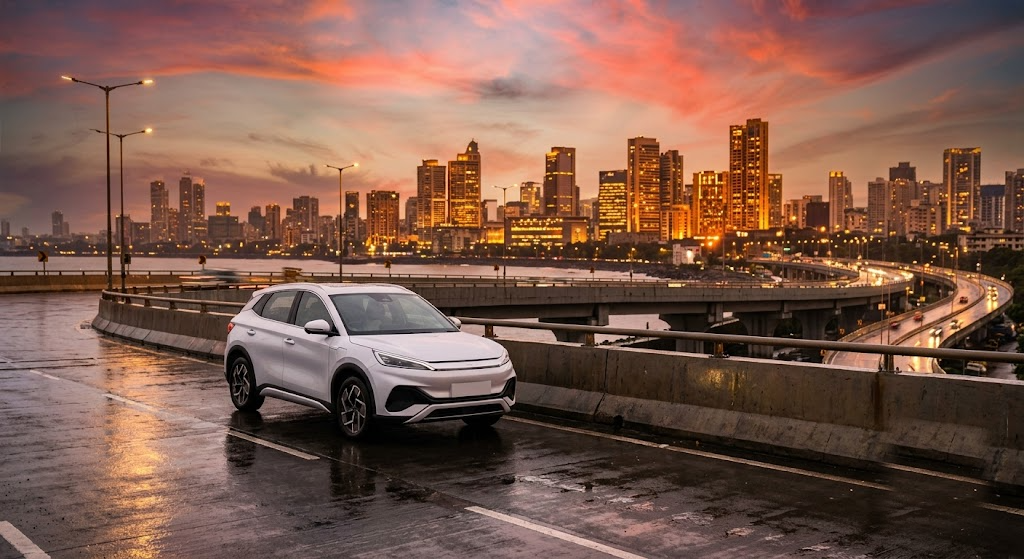
On August 5, 2026, the Reserve Bank of India held the repo rate steady at 5.25% for the second consecutive policy meeting, maintaining its neutral stance while projecting GDP growth of 6.7% for FY27. The Sensex absorbed the news with measured optimism, gaining 152 points through an otherwise volatile session. This decision lands at a pivotal moment for car buyers: less than ten days earlier, a Policy Circle analysis confirmed that India's EV market is finally entering genuine competition, with domestically manufactured rivals now forcing each other to sharpen value propositions in real time. Taken together — stable money and accelerating product competition — these two signals make August 2026 one of the more actionable car-buying windows in recent years.
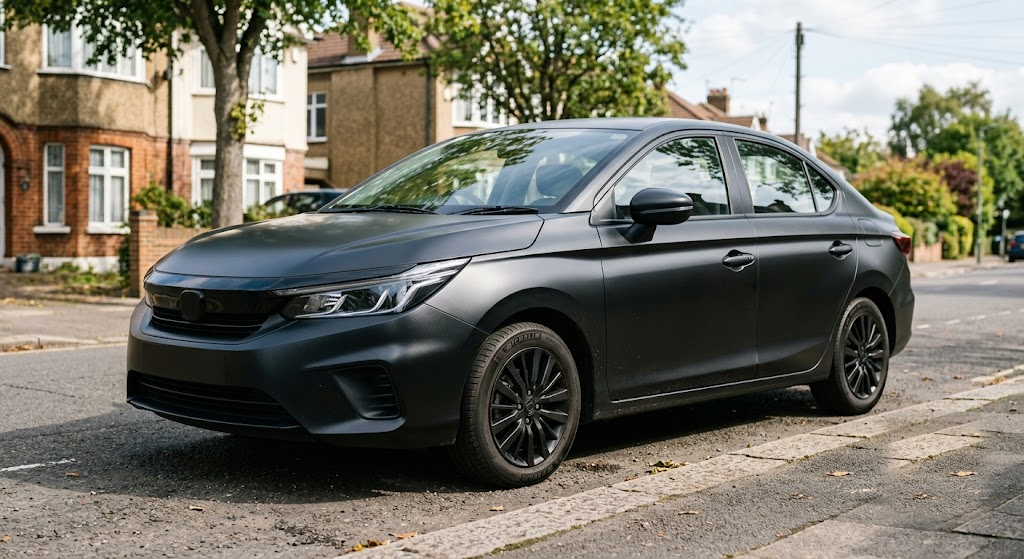
The direct implication of the 5.25% repo rate is straightforward: auto loan costs are not going up anytime soon. Banks and NBFCs have been pricing retail car loans broadly in the 8.75%–9.5% range, and with the central bank holding steady and signalling no imminent shift, that corridor looks locked in for at least the next quarter. A buyer financing the [Honda City](/cars/honda-city) — starting at ₹11.90 lakh ex-showroom — over 60 months at approximately 9% on a typical on-road financed amount can expect monthly EMIs in the ₹22,000–₹25,000 range; the [Hyundai Creta](/cars/hyundai-creta), from ₹11 lakh, lands in a broadly similar bracket. These numbers will not surprise anyone watching rates, but the pause means one important thing: they are predictable. Buyers can commit today with confidence that the cost of capital will not move against them in the near term.
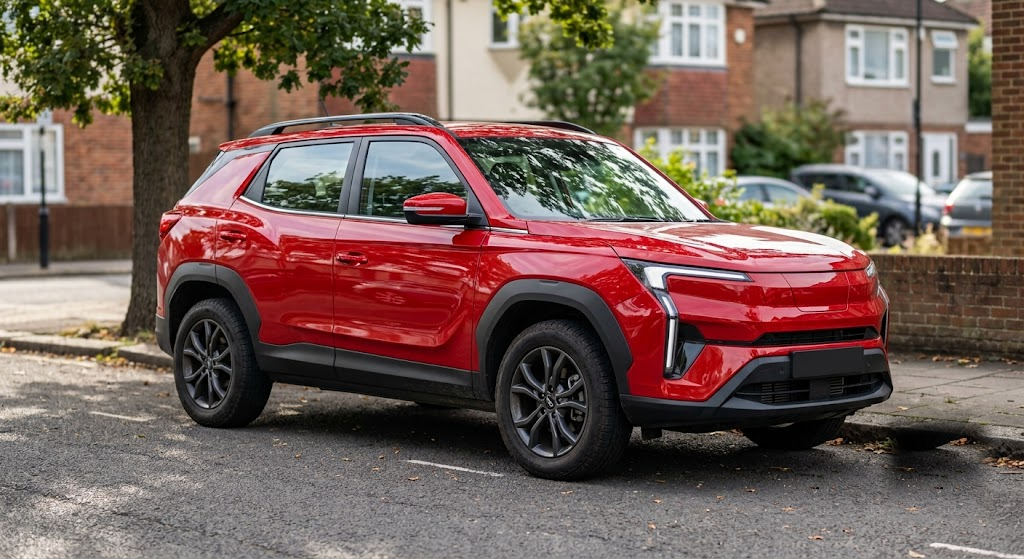
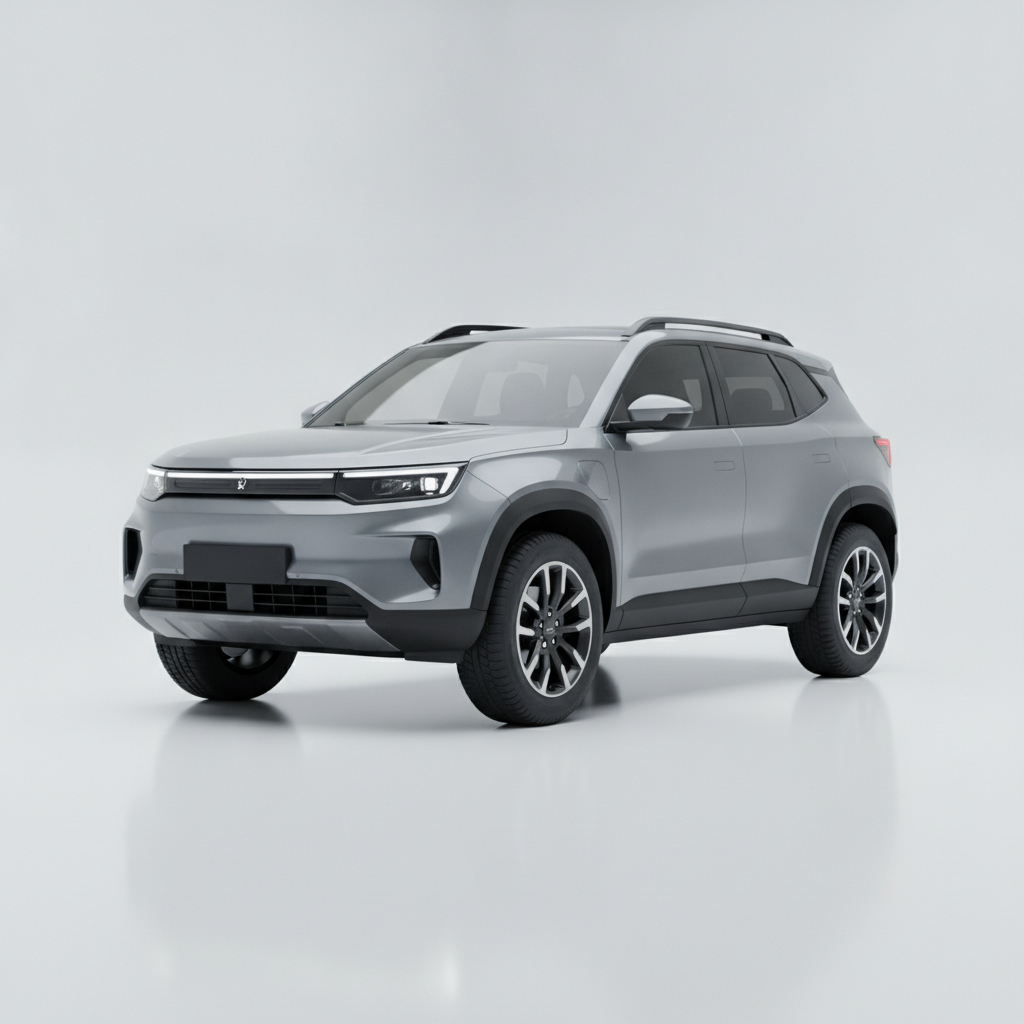
The EV competitive shift is more consequential than it may first appear. For much of 2024–2025, the Indian EV buyer faced a narrow choice. That has fundamentally changed. The [Mahindra BE 6](/cars/mahindra-be-6) starts at ₹18.90 lakh and claims 490 km of ARAI-certified range on its 59 kWh pack; the [Hyundai Creta Electric](/cars/hyundai-creta-electric) starts at ₹17.99 lakh with a 473 km ARAI range; and the [Tata Nexon EV](/cars/tata-nexon-ev) anchors the segment from ₹12.99 lakh at 465 km (MIDC claimed). Three well-funded, genuinely differentiated products at meaningfully different price points — that is what a real competitive market looks like. The knock-on effect is already visible in sharper standard equipment lists and more aggressive exchange offers, and it will only deepen as volumes rise. Waiting for the "next big EV" in this environment is a losing strategy; real competition is already on the showroom floor.
Import duties remain the wild card for anyone eyeing vehicles assembled abroad, and a recent parallel from another asset class is instructive. The government's late-July hike in gold import duty triggered a 6% fall in demand during the April–June quarter, according to the World Gold Council — a vivid illustration of how quickly a duty adjustment can reshape buying calculus. For cars, the status quo is already punishing for CBU imports: the [Mercedes-Benz GLC](/cars/mercedes-benz-glc) starts at ₹74 lakh and the [Porsche Macan](/cars/porsche-macan) at ₹88 lakh — prices that already bake in some of the world's highest import tariffs. There is no visible policy signal pointing toward relief for fully built imports in the near term. Buyers considering these vehicles are paying the premium today and will continue to do so; deferring a decision in the hope of a price cut that has no policy basis is not a strategy.
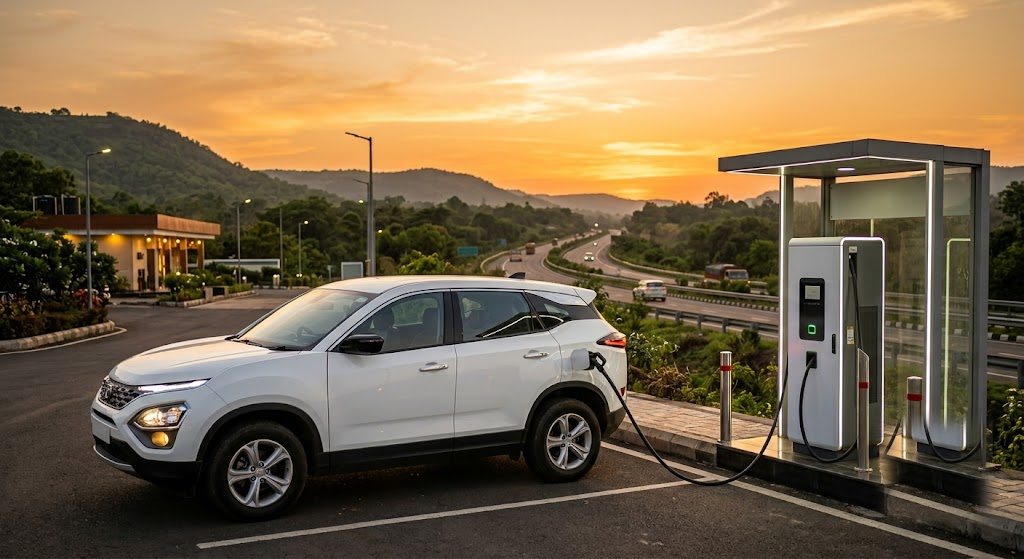
Fuel economics add a further layer to the model selection calculus. With global crude pricing remaining uncertain, the running-cost advantage of efficient powertrains is worth underwriting. The [Toyota Innova Hycross](/cars/toyota-innova-hycross) petrol-hybrid (from ₹19.30 lakh, rated 21.1 kmpl) and the Honda City hybrid (from ₹11.90 lakh, 18.4 kmpl) both offer a structural hedge against fuel price movements that a conventional petrol engine cannot match. For EV buyers, home-charging costs in most Indian cities work out to roughly ₹1–₹1.5 per km — a fraction of petrol's approximately ₹7–₹9 per km at current pump prices. The Creta Electric's 473 km range now makes inter-city runs genuinely practical, while the Mahindra BE 6's architecture gives it technology headroom that counts across a five-year ownership horizon.
The takeaway from August 2026's economic backdrop is unusually clear: stop waiting for conditions that are, by most measures, already as good as they are realistically going to get. The repo rate is anchored, EMIs are predictable, EV competition is keeping prices honest, domestic production insulates you from duty volatility, and the economy is growing at a pace few peers can match. If you are financing a mainstream buy in the Honda City or Hyundai Creta bracket, lock in your rate now — before any rate cycle shift in 2027 changes the arithmetic. If you are considering an EV, the domestic market has enough real choice that another product cycle is unlikely to deliver the step-change you are waiting for. And if an imported luxury SUV is on your radar, the duty structure has not changed and shows no sign of doing so: factor that squarely into what you are actually prepared to pay.