$100 Oil, Frozen Pumps: 5 Fuel-Smart Cars to Buy in Sept 2026
With crude oil above $100 a barrel, oil companies absorbing losses of up to Rs 23 per litre on diesel, and the RBI holding rates at 5.25%, the window to lock in a fuel-efficient car at stable EMIs is open, but it may not stay that way.
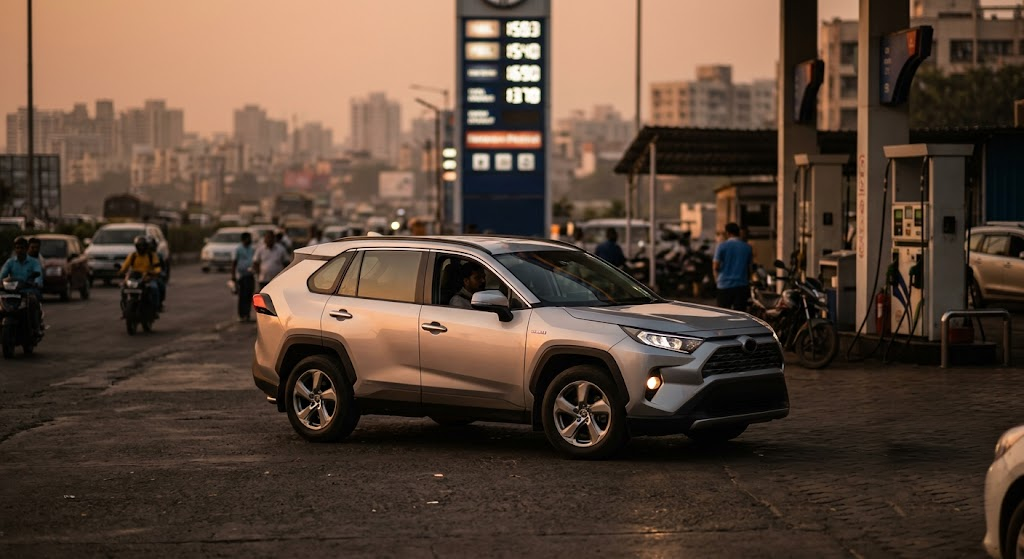
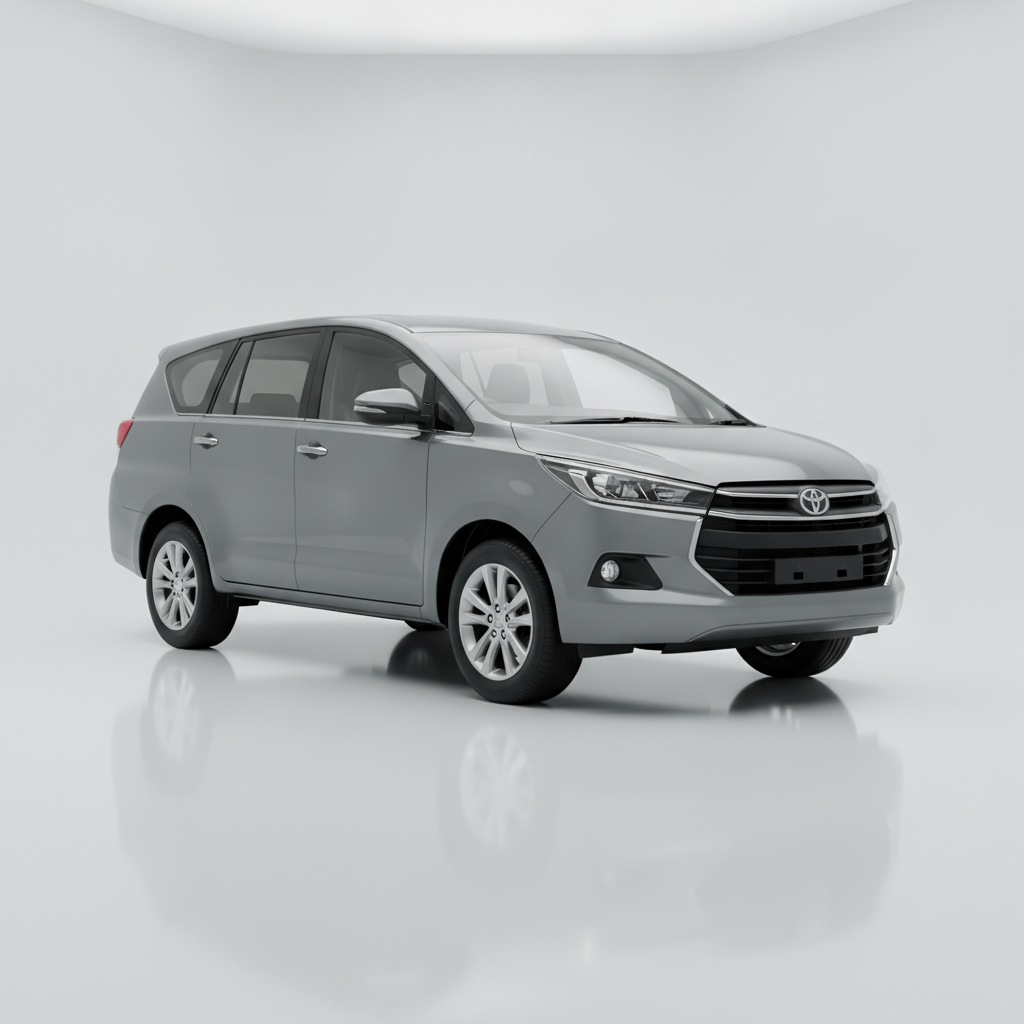
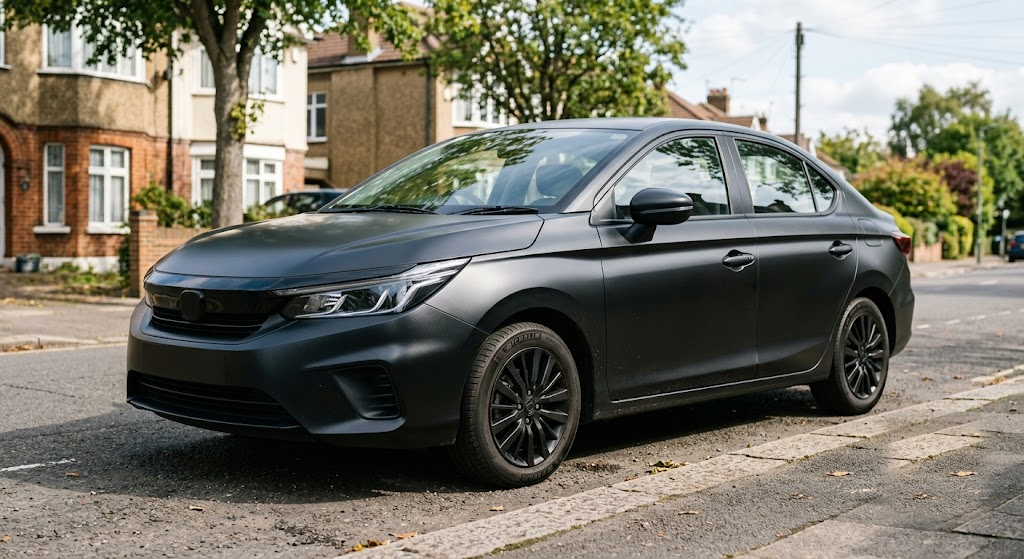
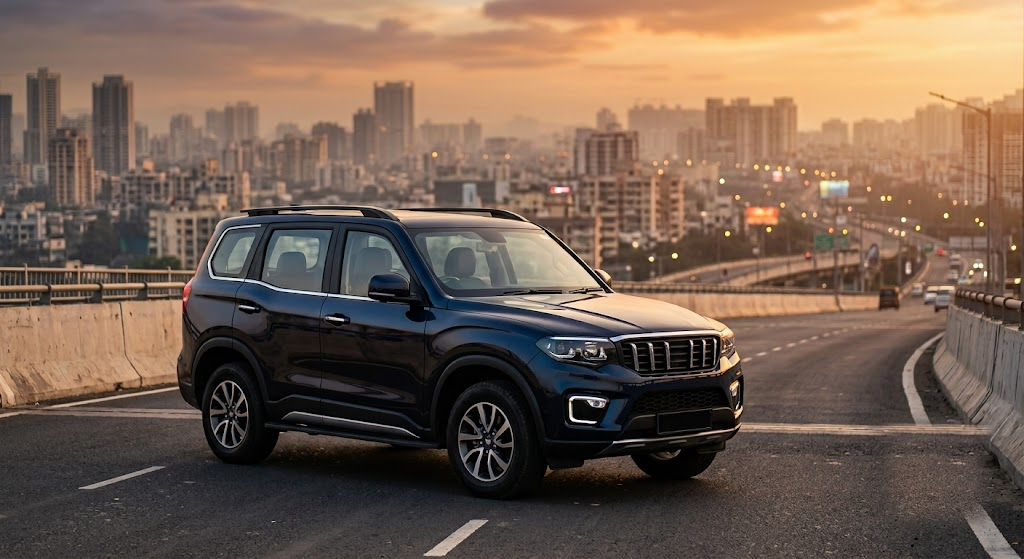
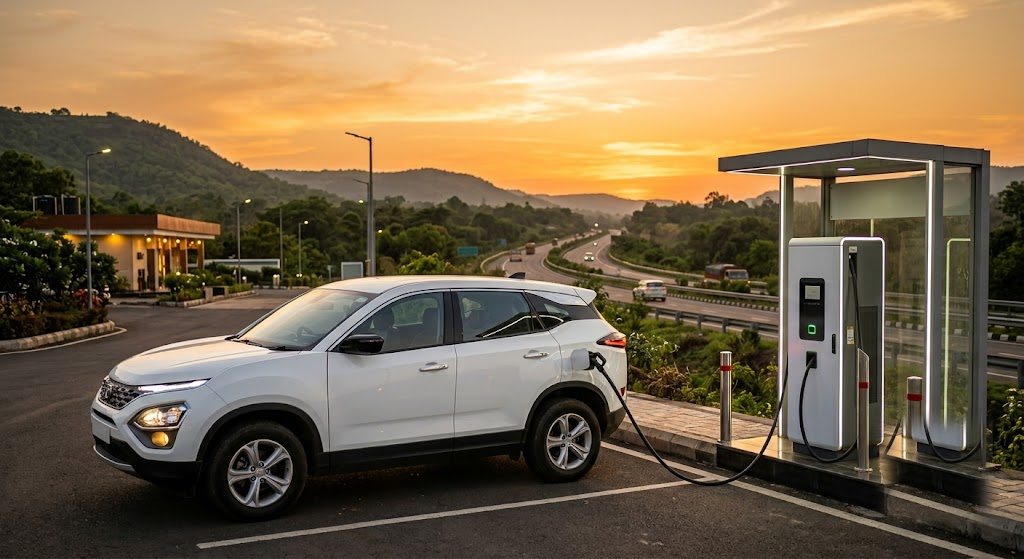
As of this week, crude oil has breached the $100-per-barrel threshold, and the consequences for India's energy sector are already stark. According to reports from September 9, 2026, oil marketing companies are now absorbing losses of approximately Rs 5 per litre on every litre of petrol sold and a severe Rs 23 per litre on diesel, because the government has kept forecourt prices frozen. Simultaneously, the Reserve Bank of India's Monetary Policy Committee has held the repo rate steady at 5.25%, trimmed India's FY27 growth forecast to 6.6%, and revised inflation projections upward to 5.1%. Across the Pacific, the US-Canada trade war has intensified, with American tariffs on Canadian goods reportedly doubling and disrupting global auto supply chains at a time when Indian car demand is running hot. August 2026 data confirms the domestic economy is resilient: Hyundai Motor India posted an 8.8% rise in domestic sales, Tata Punch reclaimed the national sales top spot, and GST collections alongside UPI transaction volumes all pointed to continued consumption momentum. Together, these developments create a specific, time-sensitive situation for anyone planning a car purchase right now. The frozen-pump-price dynamic is the most consequential variable for Indian car buyers to understand. Oil marketing companies are losing Rs 23 per litre on diesel, a fiscal position that is unsustainable over any prolonged period. Price freezes of this scale have historically ended in a revision, either through a government subsidy top-up or a direct hike at the pump; either outcome raises the running cost of every diesel vehicle on Indian roads with little warning. Petrol buyers face a smaller but real version of the same exposure. The RBI's decision to hold the repo rate at 5.25% provides some near-term relief: car loan rates from leading banks are currently in the approximate 8.5-9.5% range (MCLR-linked rates vary by lender and applicant profile), keeping monthly EMIs on mid-segment cars broadly stable. But with inflation revised upward to 5.1%, the central bank has significantly less room to cut rates further, buyers should not plan around cheaper loans arriving soon. Against this backdrop, petrol-hybrid vehicles offer the most logical hedge for high-mileage buyers. The [Toyota Innova Hycross](/cars/toyota-innova-hycross) (from Rs 19.3 lakh) is the standout pick for families: its strong-hybrid petrol system delivers around 21.1 kmpl in mixed driving, a figure that becomes progressively more valuable the higher fuel prices go. For a household covering heavy monthly mileage, the gap in fuel spend between the Hycross and a conventional petrol MUV compounds meaningfully if a pump-price revision occurs. In the sedan segment, the [Honda City](/cars/honda-city) (from Rs 11.9 lakh, with a petrol-hybrid variant returning approximately 18.4 kmpl) sits at a price point where a five-year loan at current rates keeps EMIs broadly manageable for mid-income buyers, and its hybrid system provides a genuine cushion against petrol price movements. The [Hyundai Verna](/cars/hyundai-verna) (from Rs 11 lakh, petrol) rounds out the efficient-petrol shortlist at around 20.6 kmpl, making it one of the most fuel-sipping compact sedans in India and a sensible choice for commuters who want a car that earns its keep at the pump. For buyers who want to eliminate fuel-price risk entirely, electric vehicles now present a genuinely compelling case. The [Mahindra BE 6e](/cars/mahindra-be-6e) (from Rs 18.9 lakh) with its up to 682 km of claimed range on the 79 kWh battery pack (MIDC cycle) is among the most range-capable EVs available in India under Rs 20 lakh, and its per-kilometre running cost on home charging is a fraction of petrol or diesel equivalents, a gap that only widens each time fuel prices move upward. The [Hyundai Creta Electric](/cars/hyundai-creta-electric) (from Rs 17.99 lakh, ARAI-rated at 473 km per charge on the long-range variant) pairs competitive real-world range with Hyundai's extensive nationwide service network, reducing two of the most common anxieties around EV ownership simultaneously. By contrast, buyers drawn to diesel SUVs, such as the Tata Harrier diesel (from Rs 15.49 lakh, 16.8 kmpl) or the Jeep Compass diesel (from Rs 20.9 lakh, 16.4 kmpl), should treat the current Rs 23 per litre under-recovery as a forward-risk indicator: the economics only hold if you drive very high annual mileage and your budget can absorb a potential price correction at the pump. The US-Canada trade war adds a secondary but real layer of risk for buyers considering fully imported luxury vehicles. When tariffs on North American trade routes double and global supply chains come under strain, automotive brands that source components across multiple continents face cost pressures that can surface in India pricing with limited notice. Buyers evaluating the Mercedes-Benz C-Class (from Rs 60 lakh) or Mercedes-Benz E-Class (from Rs 78.5 lakh) should factor in this uncertainty: imported luxury car pricing in India can shift on relatively short timelines when global logistics costs move. Locally assembled models with significant domestic content carry far less exposure to this risk, the [Kia Seltos](/cars/kia-seltos) (from Rs 10.99 lakh, up to 20.7 kmpl in the diesel variant) and [Hyundai Creta](/cars/hyundai-creta) (from Rs 11 lakh) are both manufactured in India and benefit from a deep domestic supplier base, which explains in part why demand for both remained buoyant through August even as global uncertainty rose. The practical buying window in September 2026 is defined by two currently frozen variables: pump prices and loan rates. Both are more likely to move upward than down, fuel prices if the under-recovery pressure forces a revision, loan costs sideways-to-higher if inflation proves stickier than expected. That makes now a relatively favourable moment to finalise a purchase and lock in financing terms. The clearest plays in this macro environment are vehicles that hedge against fuel-price risk: the Toyota Innova Hycross and Honda City hybrid for large-family and mid-segment buyers, the Hyundai Verna for value-focused petrol seekers, and the Mahindra BE 6e or Hyundai Creta Electric for buyers ready to move fully electric. If you are holding out for a diesel, treat the Rs 23 per litre under-recovery not as a reason to rush, but as a sign that the economics of diesel ownership could shift against you, likely before your first anniversary service.