Trade War Hits Auto Chains: 4 Smart Buys Before Rates Rise
With Trump's 50% auto tariff shaking North American supply chains and the RBI's inflation alarm growing louder, the window to buy the right car at today's rates is narrowing fast.

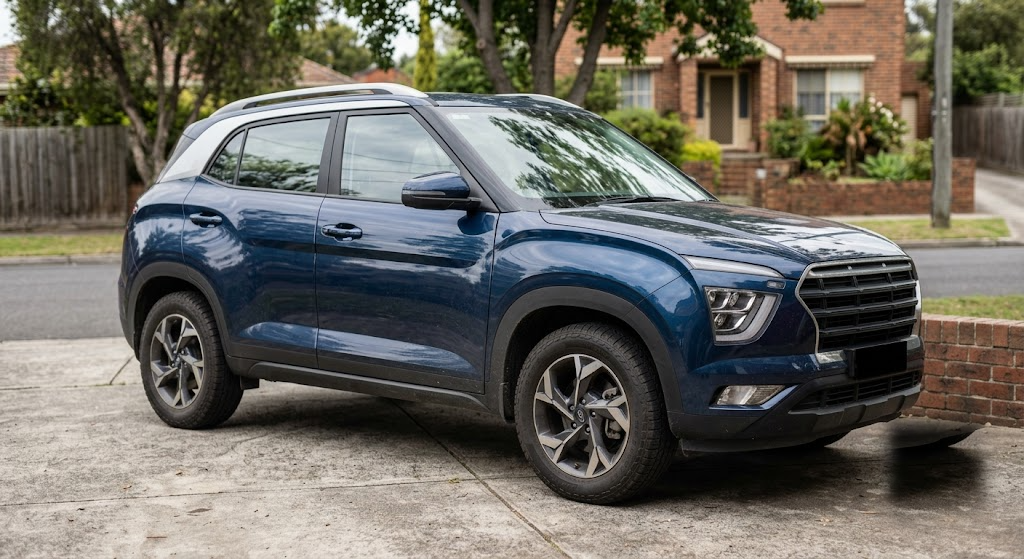
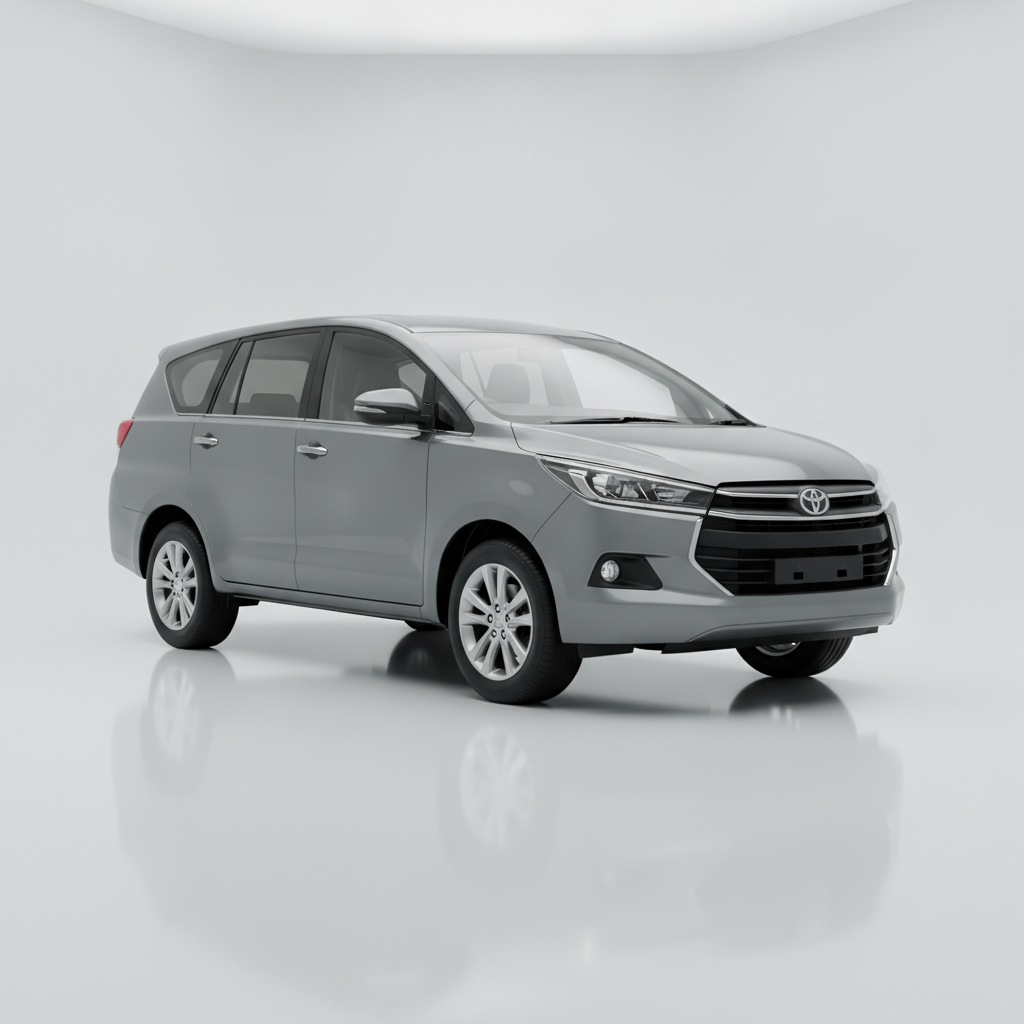
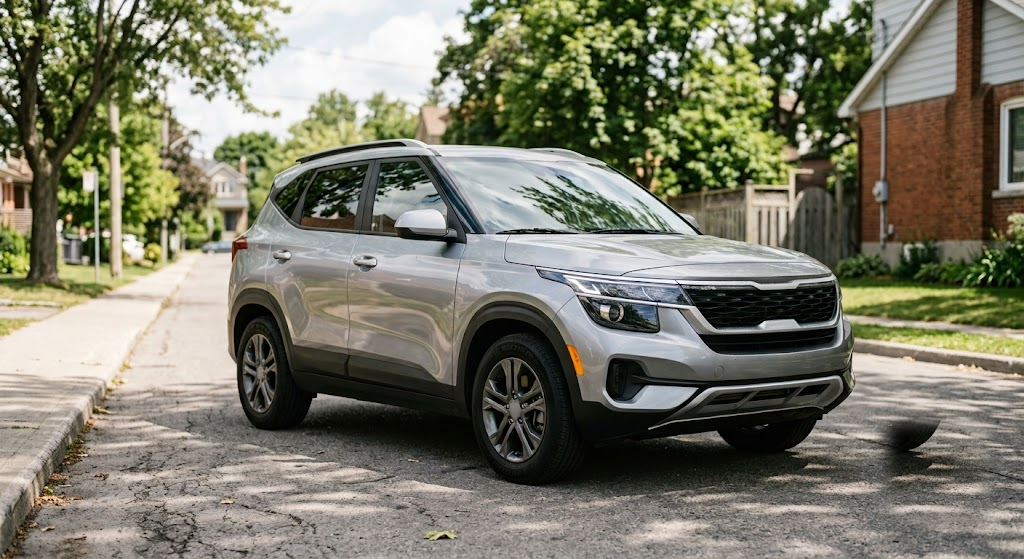
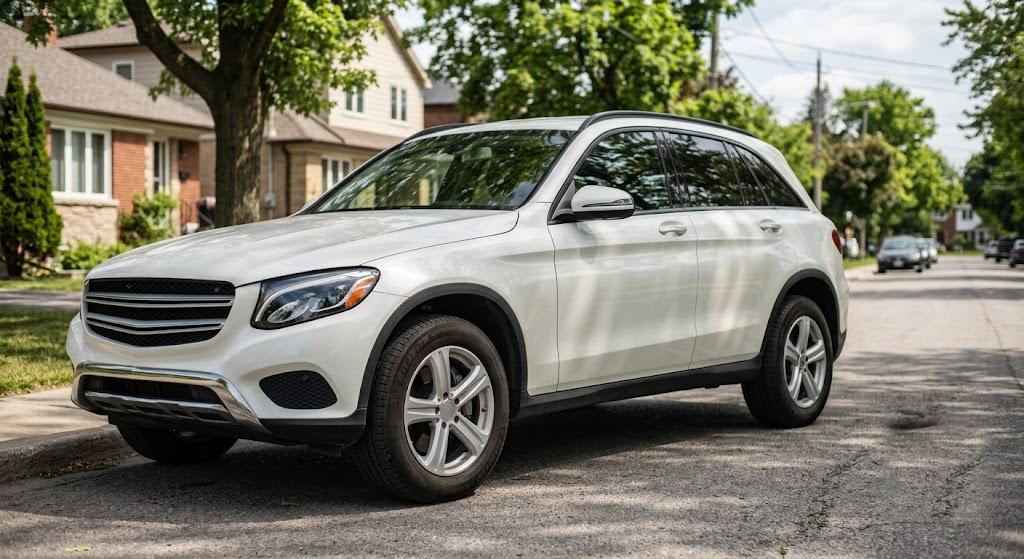
The US-Canada trade war escalated sharply this week when President Trump imposed a 50% tariff on Canadian auto exports and publicly urged American companies to abandon cross-border sourcing entirely, declaring that he did not want "Canadian anything." The move has placed North American aluminum supply chains, a critical input in modern vehicle manufacturing, under severe stress, and logistics networks that span the two countries are already beginning to adjust. Closer to home, the RBI's Monetary Policy Committee held the repo rate at 5.25% but its latest minutes revealed a hawkish tilt: with FY27 inflation revised upward to 5.1%, committee members signalled that the next move could be a hike rather than a hold. India's own growth story remains solid. CareEdge projects Q1 GDP at 7.3% and has raised its FY27 full-year forecast to 7%, but robust domestic demand gives the RBI cover to tighten if price pressures persist. For Indian car buyers, the net effect is a macro environment that penalises waiting: import-linked costs are likely to edge up, and borrowing is likely to get more expensive. The route from a North American trade war to an Indian showroom is less abstract than it sounds. Aluminum is a core manufacturing input, door panels, engine blocks, structural components, and when US-Canada trade flows seize up, global spot prices reprice accordingly, typically reaching Indian OEM cost sheets within three to six months. For vehicles imported as fully-built CBUs, the exposure compounds through the rupee-dollar rate. India's import duty on CBU passenger vehicles already exceeds 100%, so even a modest rupee depreciation inflates the importer's landing cost before a single rupee of additional margin is taken. The [Porsche Macan](/porsche-macan) (from ₹88 lakh) and [Volvo XC40](/volvo-xc40) (from ₹45 lakh) sit squarely in this zone: priced in foreign currency at origin, imported at high duty, and carrying full currency risk on the dealer's books until delivery. A 2% rupee slide on an ₹88 lakh vehicle represents roughly ₹1.75 lakh in additional unrecoverable cost, and that number moves before any tariff-driven component inflation is added on top. Buyers considering premium European imports in the near term face that double exposure: tariff-driven component cost increases and potential currency headwinds. The [Mercedes-Benz GLC](/mercedes-benz-glc) (from ₹74 lakh) and [Mercedes-Benz E-Class](/mercedes-benz-e-class) (from ₹78.5 lakh) are assembled in India from CKD kits, which provides partial insulation, but the kits are invoiced in foreign currency, and any sustained rise in global freight rates (a predictable side-effect of trade-war disruption to logistics) flows through to Indian pricing with a lag. Mercedes-Benz India has historically conducted two formal price revisions per year; an unscheduled mid-cycle revision is not unprecedented when input costs move quickly. For buyers with a ₹70-85 lakh budget who are committed to a European flagship, the tactical move is to negotiate a firm booking price right now, not to wait on the assumption that prices will soften. In this macro environment, that assumption is almost certainly wrong. The clearest opportunity sits in the ₹11-20 lakh domestically manufactured segment, where exposure to North American supply-chain disruption is minimal and where the rate-hike urgency is most actionable. The [Hyundai Creta](/hyundai-creta) (from ₹11 lakh), assembled at Hyundai's Sriperumbudur plant, carries essentially zero CBU risk; its diesel variant returns 17.4 kmpl, a meaningful running-cost buffer when fuel inflation is already baked into a 5.1% CPI print. The [Kia Seltos](/kia-seltos) (from ₹10.99 lakh), built at Kia's Anantapur facility, extends to an impressive 20.7 kmpl in its diesel-manual variant and sits in the same domestically insulated position. The [Mahindra Thar Roxx](/mahindra-thar-roxx) (from ₹12.99 lakh), riding Mahindra's indigenous platform with high local-content ratios, is arguably the most tariff-proof new SUV in its class. On the financing side, the rate-hike signal matters concretely: a ₹12 lakh auto loan at today's effective retail lending rate of approximately 8.5-9% carries an EMI that could rise by ₹600-800 per month if the RBI moves 50 basis points upward. Locking in a loan at current rates, on a domestically built car, before Q3 FY27, is the straightforward read of this macro setup. For buyers who are also thinking about running costs over the next three to five years, the inflation overlay argues strongly for fuel efficiency. At 5.1% consumer inflation, petrol prices face upward rather than downward pressure, and the household budget impact of a fuel-thirsty vehicle compounds annually through an ownership cycle. The [Toyota Innova Hycross](/toyota-innova-hycross) strong-hybrid (from ₹19.3 lakh) delivers a claimed 21.1 kmpl, which at current metro petrol prices translates to running costs of approximately ₹5-5.5 per km, a gap of roughly ₹2-2.5 per km over a comparable non-hybrid petrol MUV. Across a 15,000 km annual driving cycle, that is a fuel saving in the range of ₹30,000-37,500 per year, compounding over the ownership period. The [Honda City](/honda-city) hybrid (from ₹11.9 lakh) makes the same efficiency case in the sedan segment at a significantly lower entry price. In a year when households are managing a multi-front cost squeeze, sticky fuel, elevated food prices, the prospect of dearer EMIs, the total-cost-of-ownership arithmetic for a hybrid has rarely been this clear. The practical checklist for Indian car buyers in late August 2026: favour domestic manufacturing over imports, prioritise fuel efficiency as a genuine financial hedge rather than a spec-sheet bonus, and lock in your auto loan at today's rates before any RBI action materialises. Stress-test your EMI at a notional rate 50-75 basis points higher than your bank's current quote, that is your forward scenario for what the MPC minutes are signalling. If your budget sits between ₹11 lakh and ₹20 lakh, the [Hyundai Creta](/hyundai-creta), [Kia Seltos](/kia-seltos), and [Mahindra Thar Roxx](/mahindra-thar-roxx) represent the cleanest combination of local manufacturing insulation, strong resale value, and competitive running costs available right now. If your budget extends toward ₹20 lakh and long-term ownership economy matters, the [Toyota Innova Hycross](/toyota-innova-hycross) hybrid makes an economic case that only strengthens the longer petrol inflation persists. The macro signal for August 2026 is not alarming. India's fundamentals remain among the strongest in the world, but it is directional: costs are more likely to rise than fall from here, and acting now is cheaper than acting later.