Trump's 50% Auto Tariff: 4 Smart Car Buys for India Right Now
As Trump's 50% auto tariff shakes aluminium supply chains and Asia-Pacific markets turn nervous, India's 7.3% GDP growth and a frozen repo rate point clearly to which cars to buy, and which to wait on.
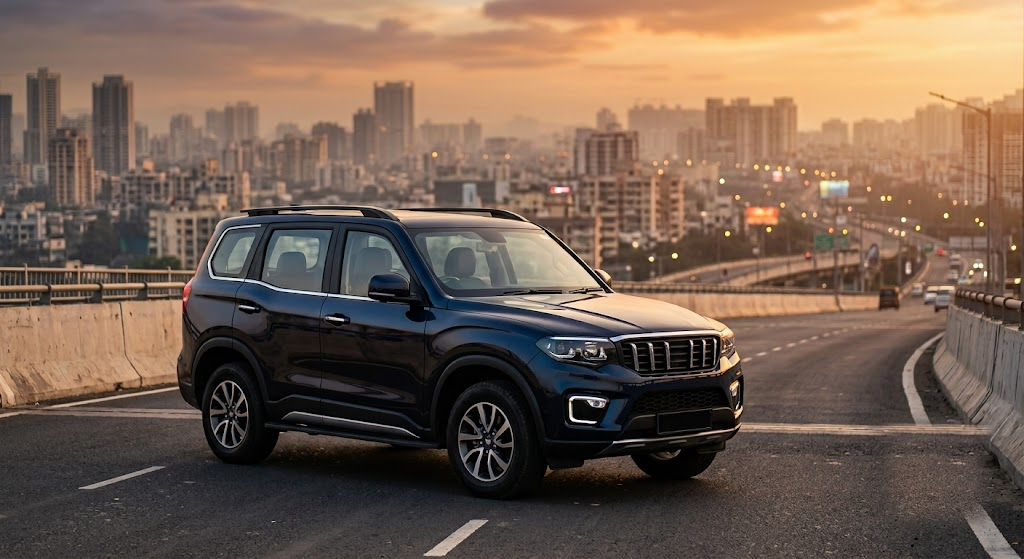
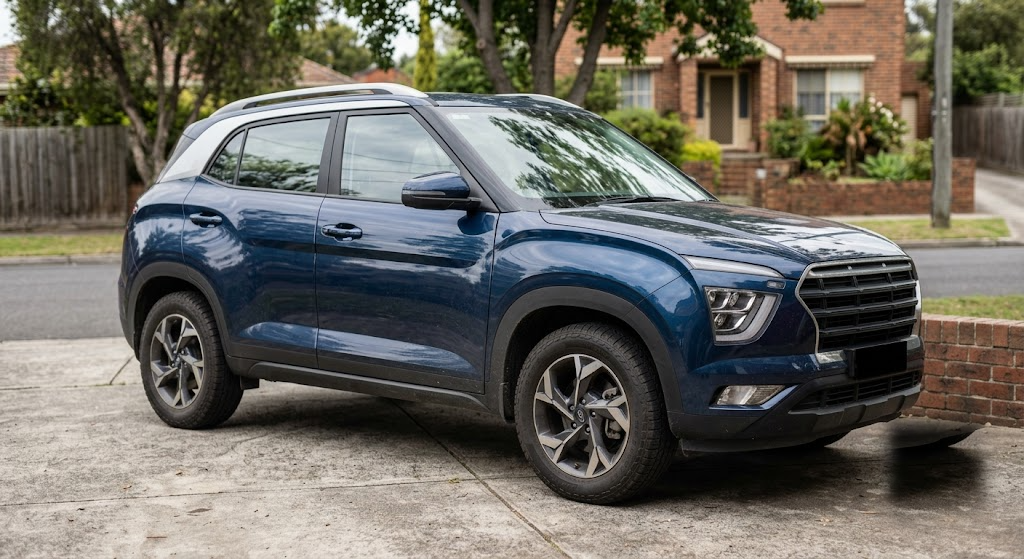
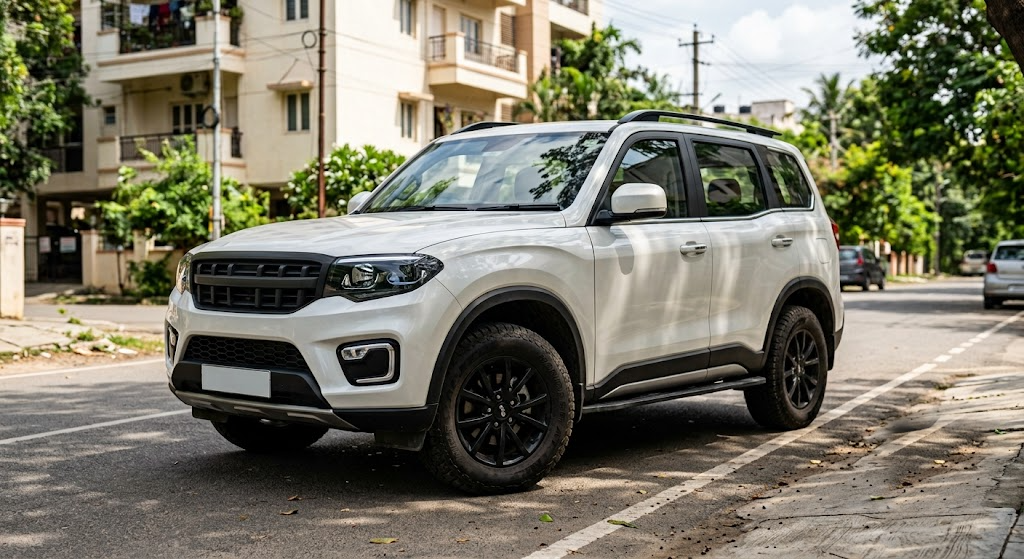
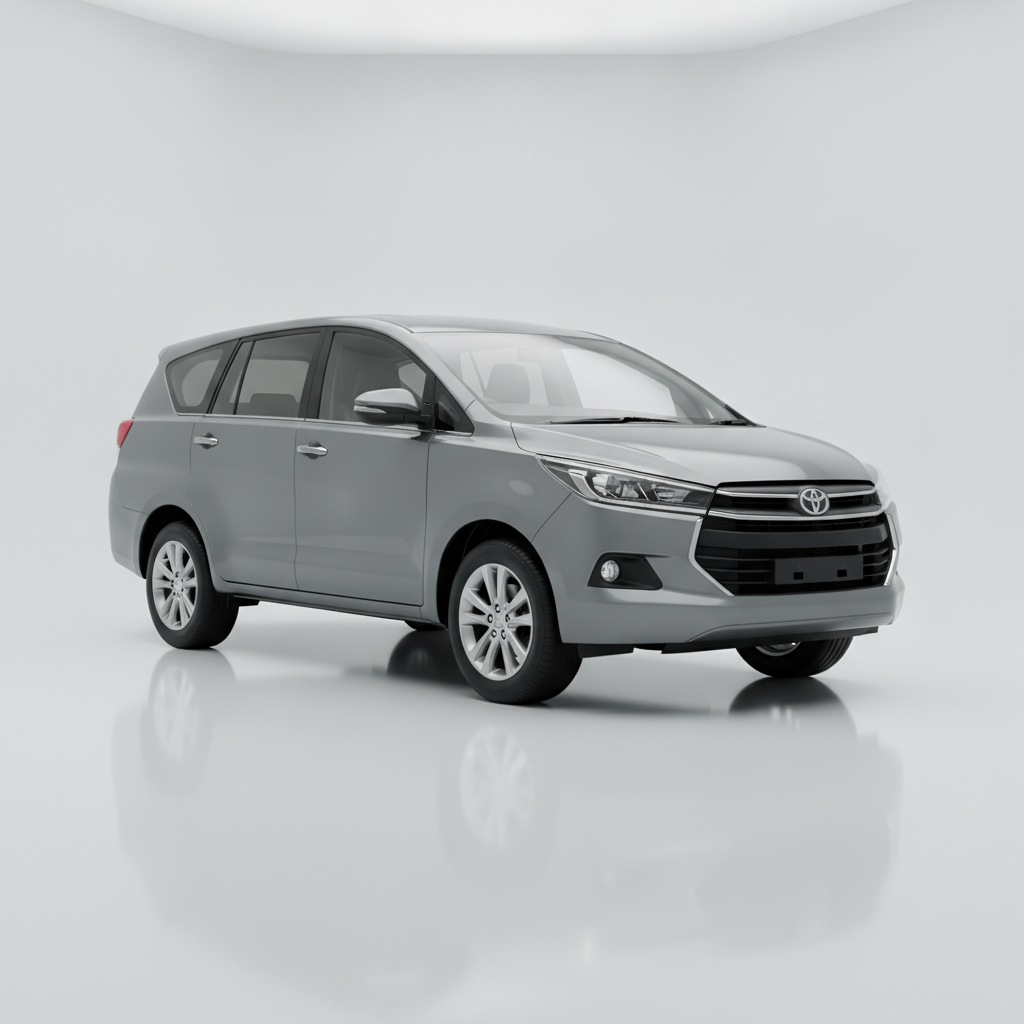
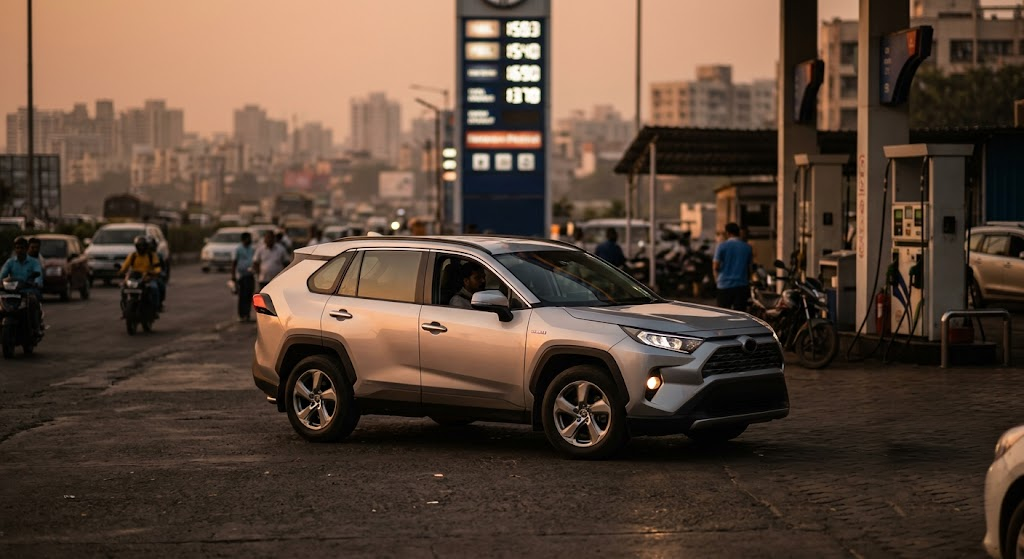
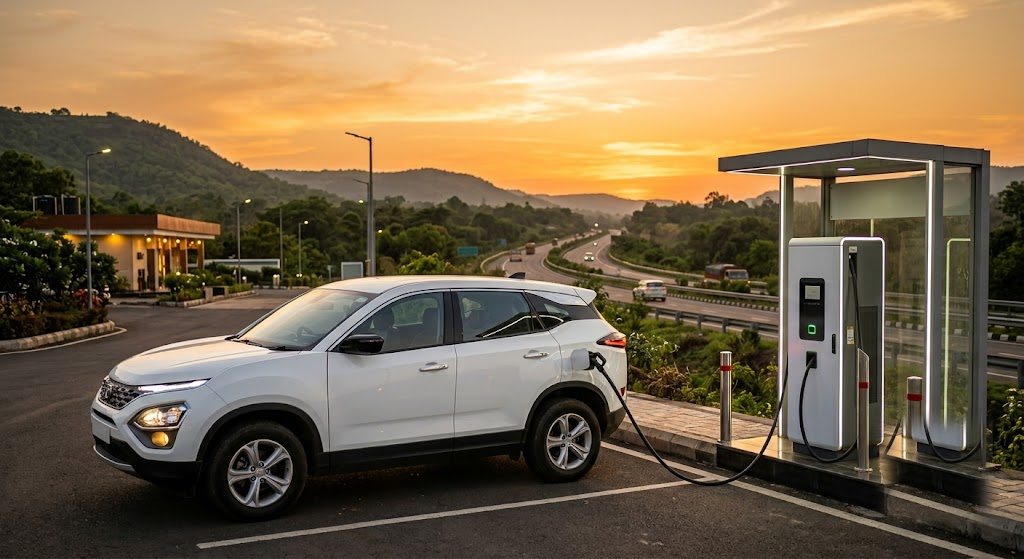
Trump's 50% auto tariff on Canadian goods, confirmed this week, is shaking North America's aluminium supply chain at its foundations. Aluminium accounts for an ever-growing share of modern vehicle bodies, wheels, and powertrains, and a tariff of this magnitude is already forcing manufacturers to reprice their cost structures. Asia-Pacific equity markets opened mixed-to-lower on August 25, weighed down by US sanctions and tightening trade rhetoric, while Ford's decision to shift Lincoln production from China back to American soil signals that the global manufacturing reshuffle is deepening, not stabilising. Against this turbulent backdrop, India's own numbers stand out: CareEdge's Q1 FY27 GDP preview pegs growth at 7.3%, with the full-year FY27 forecast raised to 7%. It is a rare moment when India's economic engine is running well precisely as the global one sputters. For Indian car buyers, the aluminium shock plays out through two distinct channels. Fully imported (CBU) vehicles, which already carry duties well above 100%, face additional cost pressure as global aluminium prices firm up and OEMs look to protect margins. Models like the [Mercedes-Benz C-Class](/mercedes-benz-c-class) (from ₹60 lakh, 18.5 kmpl) and the [Mercedes-Benz GLC](/mercedes-benz-glc) (from ₹74 lakh, 14.6 kmpl) are priced in euros at the OEM level; any sustained rupee softening against the dollar and euro, a credible risk as Asia-Pacific risk-off sentiment builds, pushes on-road prices higher with little warning. Meanwhile, the RBI's June 2026 MPC decision to hold the repo rate at 5.25% while trimming its FY27 growth forecast to 6.6% and nudging inflation guidance to 5.1% sends a clear message: meaningful rate cuts are not imminent. Auto loan rates in India price at a spread above the repo rate, so buyers banking on a sharp EMI fall before Diwali may be disappointed, the window for current EMI levels is open today, not guaranteed to stay open. The clearest winners in this environment are locally assembled vehicles with deep domestic supply chains. The [Hyundai Creta](/hyundai-creta) (from ₹11 lakh, 17.4 kmpl) and [Kia Seltos](/kia-seltos) (from ₹10.99 lakh, up to 20.7 kmpl in diesel) are manufactured in India with high localisation levels, insulating them from both import tariff pressure and rupee swings. The [Mahindra Scorpio N](/mahindra-scorpio-n) (from ₹13.99 lakh, 15.0 kmpl) and [Mahindra Thar Roxx](/mahindra-thar-roxx) (from ₹12.99 lakh, 17.6 kmpl) go further still. Mahindra's India-centric supply base makes these among the most tariff-proof buys on the market. India's strong Q1 GDP print is already feeding festive-season confidence, and booking queues on popular domestic models are likely to lengthen as October approaches. Locking in now sidesteps both longer waiting periods and any pre-festive price revision that OEMs typically roll out in September. The hybrid conversation deserves a separate look. Pakistan's FPCCI is currently demanding a rollback of high taxes on hybrid cars, a reminder that hybrid policy can shift quickly in South Asia and that its direction matters to resale value. In India, the [Toyota Innova Hycross](/toyota-innova-hycross) (from ₹19.3 lakh, 21.1 kmpl in strong hybrid mode) remains the most compelling efficiency argument in the MUV space, and it is assembled domestically. The [Honda City hybrid](/honda-city) (from ₹11.9 lakh, 18.4 kmpl on the hybrid variant) brings the same logic to the sedan space at a far more accessible price point. For EV buyers, the [Mahindra BE 6](/mahindra-be-6) (from ₹18.9 lakh, approximately 490 km ARAI range) and [Tata Nexon EV](/tata-nexon-ev) (from ₹12.99 lakh, approximately 465 km MIDC claimed range) are built entirely in India, structurally immune to import tariff risk, with running costs anchored to domestic electricity tariffs rather than global oil prices. On the wait-and-watch list sit the high-ticket fully imported SUVs and sedans. The [Mercedes-Benz GLE](/mercedes-benz-gle) (from ₹96.5 lakh, 12.4 kmpl) and [Porsche Macan](/porsche-macan) (from ₹88 lakh, 9.8 kmpl) are both vulnerable to rupee depreciation and any OEM cost pressure passed through in pricing updates. If you are already committed to a luxury import, moving quickly at current exchange rates is arguably more prudent than waiting for a correction that may not arrive. The [Lexus ES](/lexus-es) (from ₹64.2 lakh, 22.4 kmpl as a petrol hybrid) presents a more nuanced case: it is a CBU import, but its hybrid drivetrain's exceptional fuel efficiency partially cushions the rupee risk over a long ownership cycle, making it the most defensible buy in the import luxury segment right now. The practical playbook for August 2026 is clear. Buying locally assembled, [Hyundai Creta](/hyundai-creta), [Kia Seltos](/kia-seltos), [Mahindra Scorpio N](/mahindra-scorpio-n), [Toyota Innova Hycross](/toyota-innova-hycross), [Tata Nexon EV](/tata-nexon-ev), lets you sidestep global tariff turbulence, lock in EMIs at today's repo-rate ceiling, and eliminate rupee risk from your purchase equation entirely. If a luxury import is on your radar, act sooner rather than later: the US trade war is escalating, not pausing, and global commodity cost pressure runs in one direction. Across all price bands, India-built hybrids and EVs offer the strongest structural hedge against both commodity inflation and fuel price volatility. India's own growth story, running at 7%-plus for FY27, remains intact, the risks to your on-road price in 2026 are entirely imported, not homegrown.