USMCA Cliff & Sticky Inflation: 5 Car Buys That Make Sense Now
As USMCA trade uncertainty collides with inflation above 4% and stubbornly high auto loan rates, the smartest car buys in mid-2026 share one thing: they're built here.
On July 1, 2026, the U.S. auto industry crossed into genuinely uncharted territory when the USMCA trade agreement's review window closed without a confirmed extension, leaving the terms governing duty-free North American vehicle trade unresolved. That same week, newly installed Fed Chairman Kevin Warsh found himself managing an economy where inflation had climbed back above 4%, cutting off any near-term prospect of interest rate relief. Industry analysts, responding to persistent affordability strain, now project a lasting — not temporary — contraction in US new-car sales. Canada's position as a vehicle production hub has grown increasingly precarious as tariff dynamics have shifted against Ottawa, raising the real possibility that where your next car gets built will influence what you pay for it in ways the sticker price doesn't yet reflect.
For the average car buyer, this economic backdrop lands as pressure on two fronts simultaneously. USMCA ambiguity places a meaningful share of North American vehicle production — including many models assembled in Canada and Mexico — at potential risk of duty exposure if trade rules are revised or allowed to deteriorate further. European brands face a parallel pressure track as EU-US tariff tensions remain unresolved heading into the second half of 2026. Meanwhile, with the Fed constrained by sticky inflation, auto loan rates are expected to hold in an elevated range through year-end. On a $45,000 vehicle financed over 60 months, even a modest rate difference compounds meaningfully month over month — and today's borrowing environment sits well above the historic lows buyers were accustomed to just a few years ago. The used-vehicle market's continued resilience reflects where real demand has migrated: buyers are staying put rather than absorbing new-car costs they can't justify.
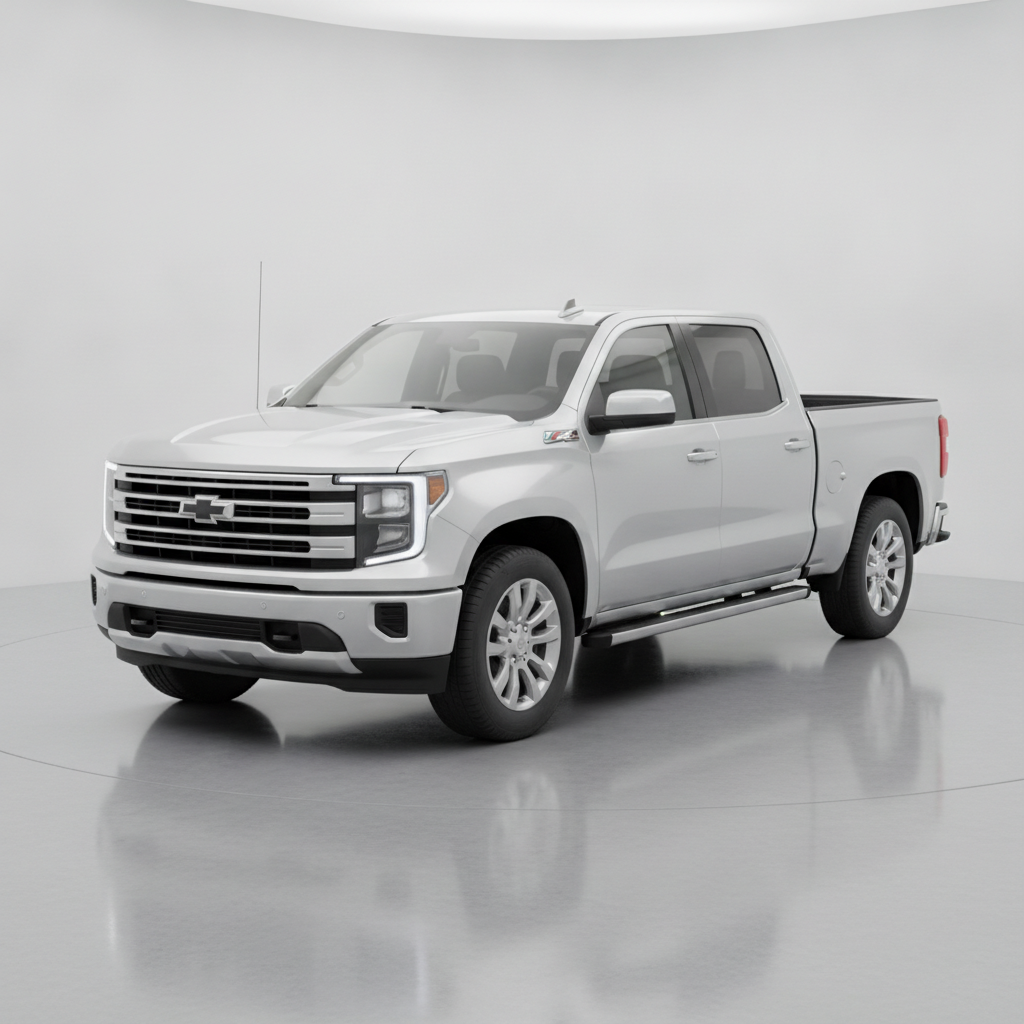
In this environment, vehicles assembled on American soil carry a structural edge that goes beyond patriotism. The [Tesla Model Y](/cars/tesla-model-y) (from $44,990, 123 MPGe), produced at Gigafactory Texas in Austin, sits at the intersection of domestic assembly and zero fuel cost — a genuine hedge against both tariff volatility and any upward move in gas prices. Eligible buyers can still access a federal EV tax credit, which reduces the effective acquisition price and partially offsets the bite of today's financing rates. The [Ford F-150](/cars/ford-f-150) (from $38,810, 20 MPG combined), assembled at plants in Dearborn and Kansas City, remains one of the best-insulated buys in the market: high domestic content, deep parts availability, and a resale floor that has held even as the broader new-car market cooled. The available hybrid powertrain brings fuel costs down for buyers who log heavy miles, adding a running-cost hedge on top of the tariff-exposure advantage.
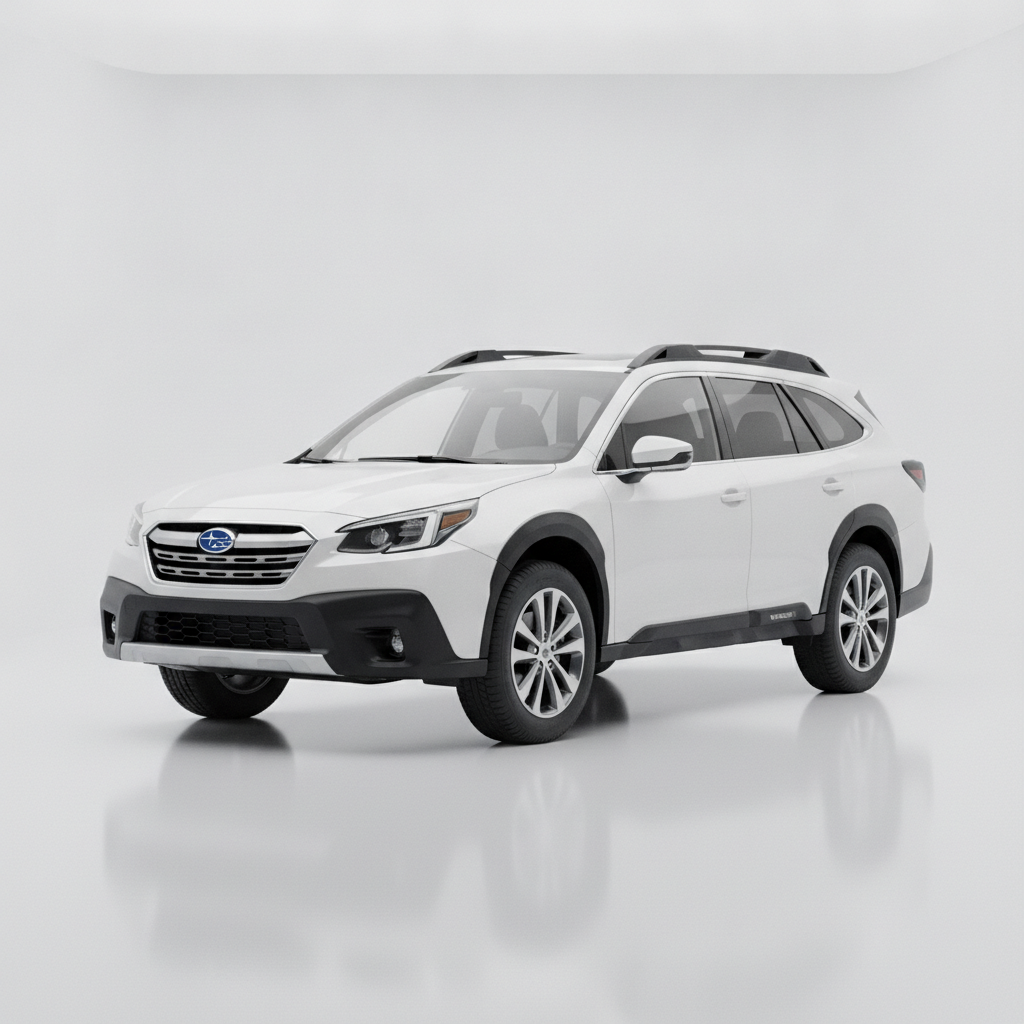
For buyers with tighter monthly budgets, two more domestically assembled models deserve serious attention. The [Honda Civic](/cars/honda-civic) (from $24,250, 36 MPG combined), built at Honda's Ohio manufacturing complex, keeps financing costs in check even at today's rates — at that MSRP, a 60-month loan stays manageable for most household budgets, and 36 MPG combined provides meaningful insulation against fuel cost swings. The [Subaru Outback](/cars/subaru-outback) (from $29,010, 29 MPG combined), produced in Lafayette, Indiana, adds all-wheel drive and genuine cargo practicality at a price point that absorbs elevated borrowing costs without shock. Both carry consistent resale values — a more important factor than usual when financing is expensive and the cost of a wrong purchase decision is steeper. Rounding out the domestic compact truck segment, the [Chevrolet Colorado](/cars/chevrolet-colorado) (from $31,000, 20 MPG combined), assembled in Wentzville, Missouri, delivers pickup utility without the operating costs of a full-size truck.
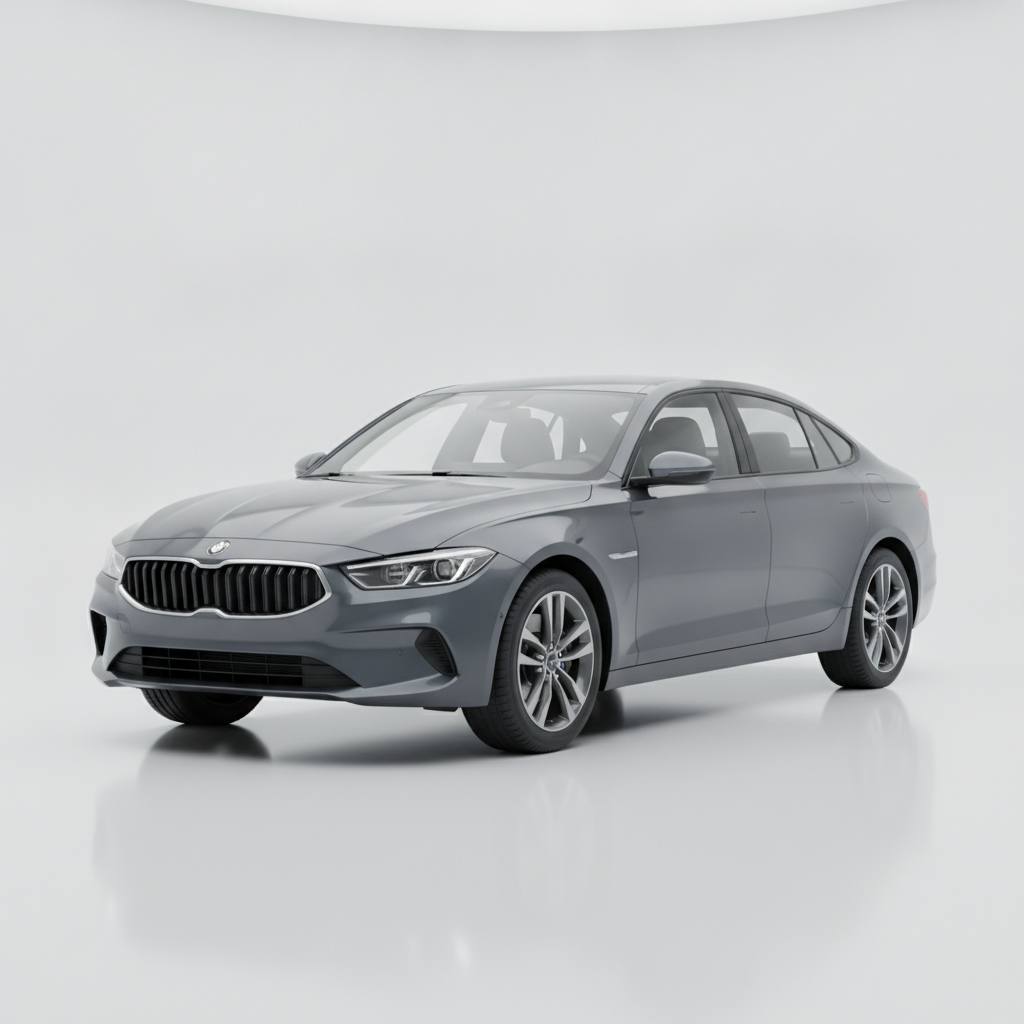
Buyers eyeing imported European luxury or Mexico-assembled vehicles should factor headline risk into their timing right now. The [Audi Q5](/cars/audi-q5) (from $45,000, 25 MPG combined), assembled in Mexico, faces direct exposure to any adverse USMCA rules change. The [BMW 3 Series](/cars/bmw-3-series) (from $45,950, 30 MPG combined), imported from Germany, sits squarely inside the unresolved EU-US tariff dispute. Neither is a poor vehicle — both earn their reputations — but committing to a new purchase at today's prices carries real event risk that was not present twelve months ago. If either model is the right fit, the more defensible move is to negotiate and lock in a deal now rather than wait for trade clarity that may arrive on no predictable schedule.
The clearest buyer strategy this summer is to prioritize domestic assembly, a manageable MSRP, and fuel efficiency — and to move when you have found the right vehicle rather than waiting for macro conditions to improve. Betting on a Fed rate cut is speculative; betting on USMCA resolution is even more so. Finance what your budget can absorb at today's rates, lean toward models with durable resale value and low running costs, and treat any rate relief or trade resolution as upside you did not need to count on. The five models above offer the closest thing to a durable hedge available right now: low tariff exposure, predictable ownership costs, and enough residual demand that you will not be trapped if circumstances change.