New Cars Under $30K Are Vanishing: 6 Smart Buys for 2026
As affordable new vehicles disappear from US dealer lots and unresolved EU-US tariff tensions keep European prices climbing, here is exactly where your car-buying dollar goes furthest right now.

EU-US tariff negotiations have reached a tense standstill heading into the second half of 2026, with trade analysts describing the layered tariff framework covering cross-border auto trade as increasingly difficult to navigate — a particular pressure point for the North American supply chains that run under USMCA. New Federal Reserve Chair Kevin Warsh used his first press conference in June to confirm that interest rates will remain on hold for now, a stance that offers neither relief nor added pain to car buyers already feeling squeezed. The result on showroom floors is hard to miss: genuinely affordable new vehicles are becoming a rarity in the US market, with entry-level trims either disappearing or quietly drifting upmarket in price as manufacturers pass rising input costs down the chain.
For buyers drawn to European nameplates, the tariff picture is the most immediate concern. Vehicles assembled at EU plants and imported into the US carry a tariff premium embedded in their sticker prices — and with trade talks producing more friction than resolution, those premiums are unlikely to shrink before year-end. The [BMW 3 Series](/cars/bmw-3-series) (from $45,950, 30 MPG combined), built in Germany, and the [Audi A4](/cars/audi-a4) (from $42,000, 27 MPG combined), also German-built, are both exposed to this dynamic. So is the [Mercedes-Benz C-Class](/cars/mercedes-benz-c-class) (from $47,900, 28 MPG combined). None of these are bad cars — far from it — but buyers banking on a price dip from a trade deal breakthrough are taking on real timing risk. The more likely near-term direction for European luxury sedans and SUVs is flat to higher, not lower.
The frozen rate environment reshapes the financing math for every buyer, not just those eyeing imports. With rates held steady, a $45,000 vehicle financed over 60 months at approximately 7% translates to monthly payments in the $890–$920 range — elevated by the standards of the early 2020s, even if no longer climbing. This math is a key reason used-vehicle demand has stayed resilient: shoppers are comparing payments and finding that a well-priced pre-owned vehicle pencils out more comfortably than a new one at the same rate. For new-vehicle buyers, the best counter-move is to actively hunt manufacturer-subsidized financing; both GM Financial and Ford Credit have offered below-market promotional APRs on select models that meaningfully cut the monthly hit — but those offers require timing and flexibility.
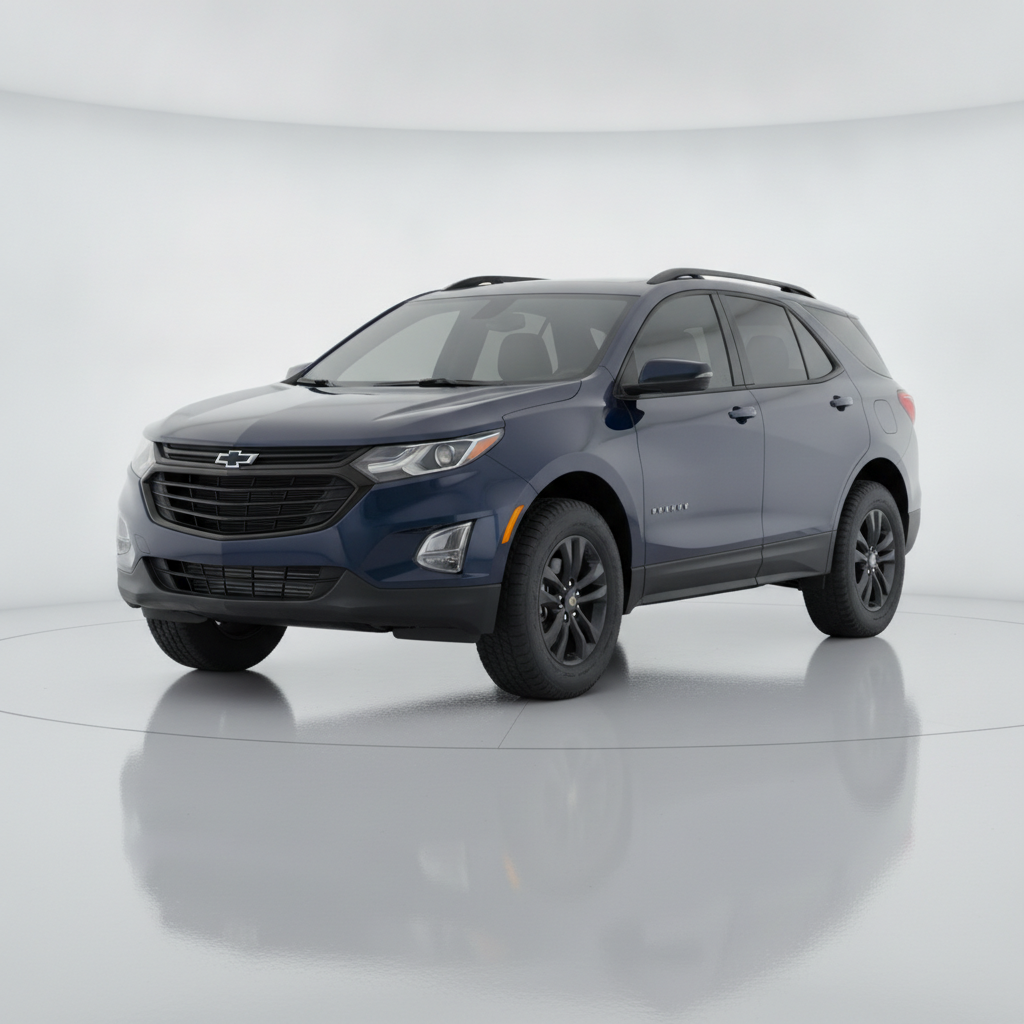
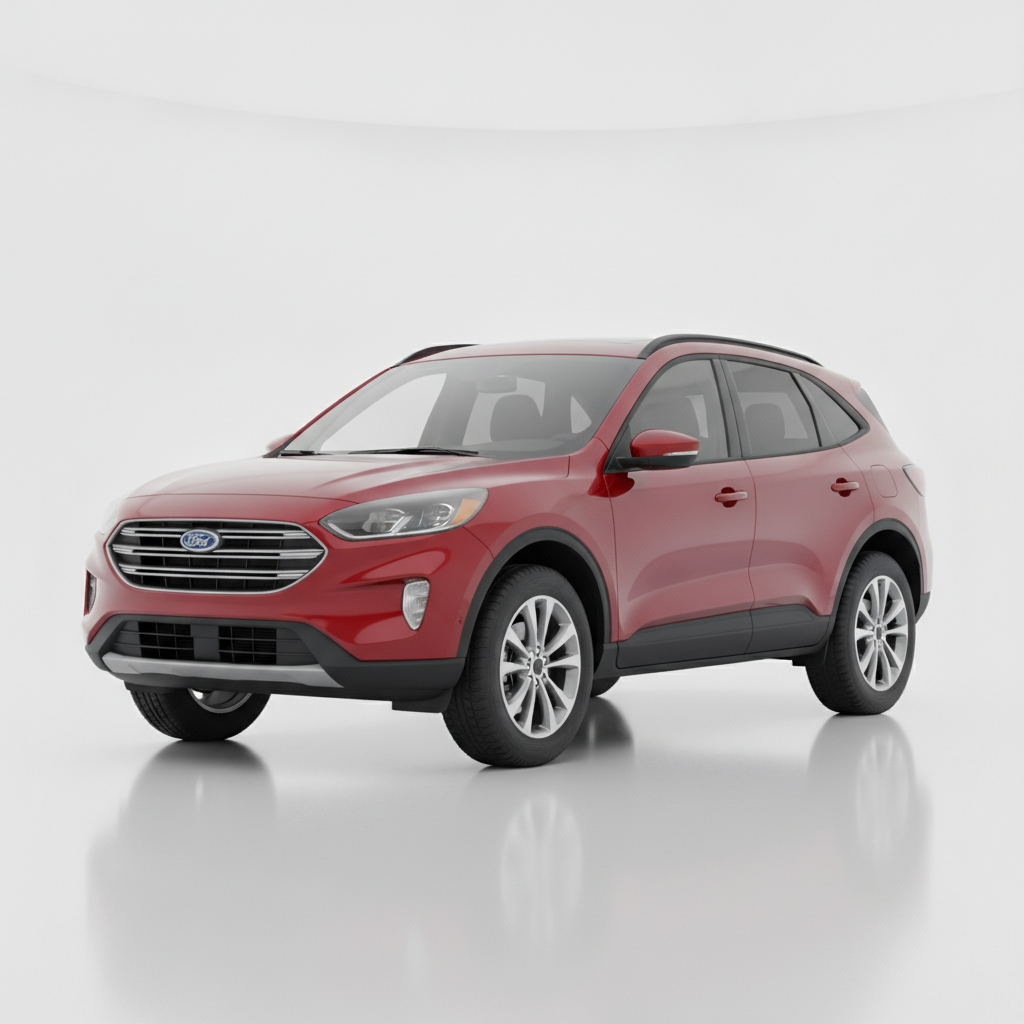
The clearest hedge against tariff exposure is a vehicle with deep North American production roots, and several strong options remain at accessible prices. The [Chevrolet Equinox](/cars/chevrolet-equinox) (from $29,995, 28 MPG combined) is one of the last new crossovers available under $30,000 — a category that is actively shrinking — making it worth serious consideration now rather than later. The [Ford Escape](/cars/ford-escape) (from $30,990, up to 37 MPG combined in hybrid trim) adds class-leading efficiency to a still-reasonable price, which matters when fuel costs remain a wildcard. In the full-size truck segment, the [Chevrolet Silverado](/cars/chevrolet-silverado) (from $37,000, 21 MPG) and [Ford F-150](/cars/ford-f-150) (from $38,810, 20 MPG combined) benefit from extensive US-based assembly that gives them more supply-chain flexibility than European-sourced competitors facing USMCA complications.
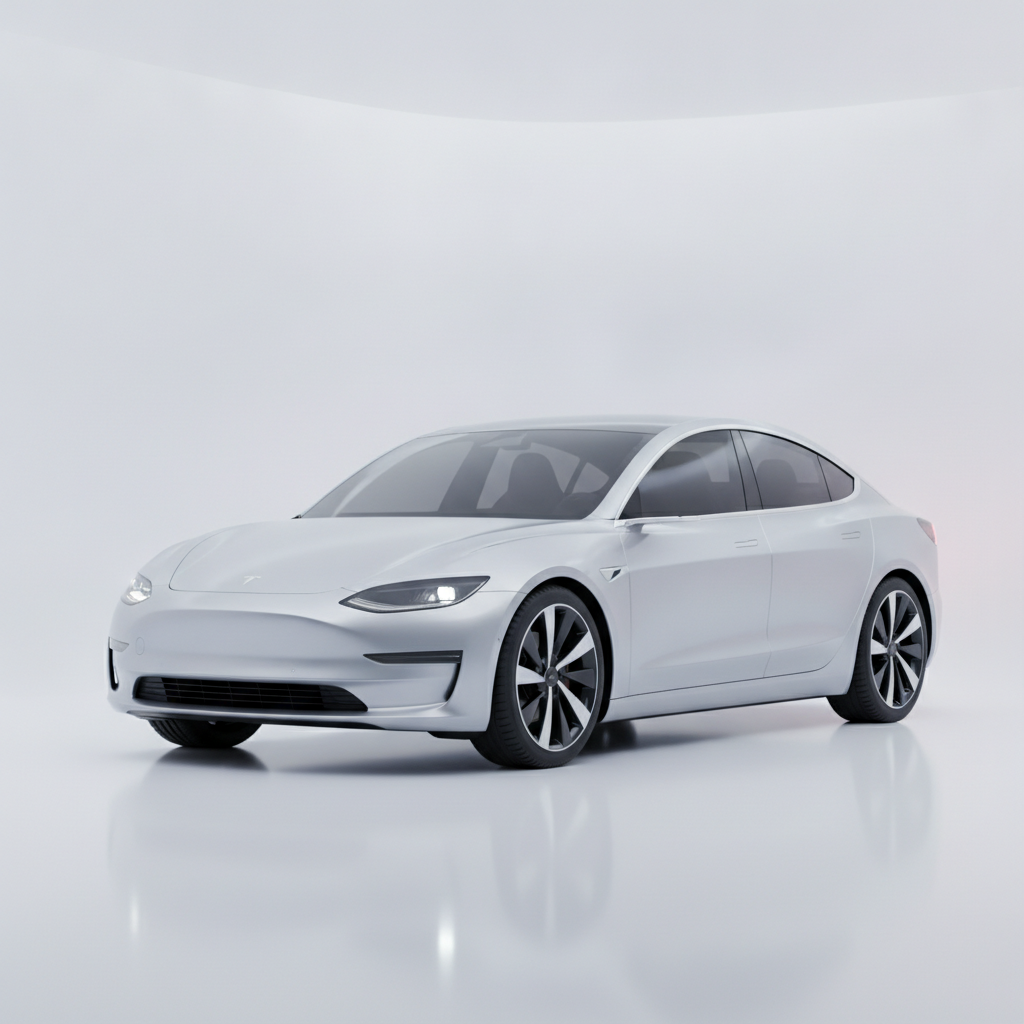
EV buyers face a clearly split market shaped by where the vehicle is built. The [Tesla Model 3](/cars/tesla-model-3) (from $42,490, 132 MPGe) and [Tesla Model Y](/cars/tesla-model-y) (from $44,990, 123 MPGe) are manufactured domestically and avoid the import tariff exposure that inflates the landed cost of imported electric vehicles. The Model 3's 132 MPGe efficiency rating delivers a compelling per-mile cost advantage over gasoline alternatives, an advantage that compounds over time for high-mileage drivers. The [BMW i4](/cars/bmw-i4) (from $58,000, 103 MPGe), by contrast, is built in Munich — meaning its US price already reflects a tariff component, which partially offsets the efficiency-driven operating savings buyers might expect from switching to electric. For EV shoppers working within a mid-range budget, the domestic Tesla options represent meaningfully lower pricing risk in the current environment.
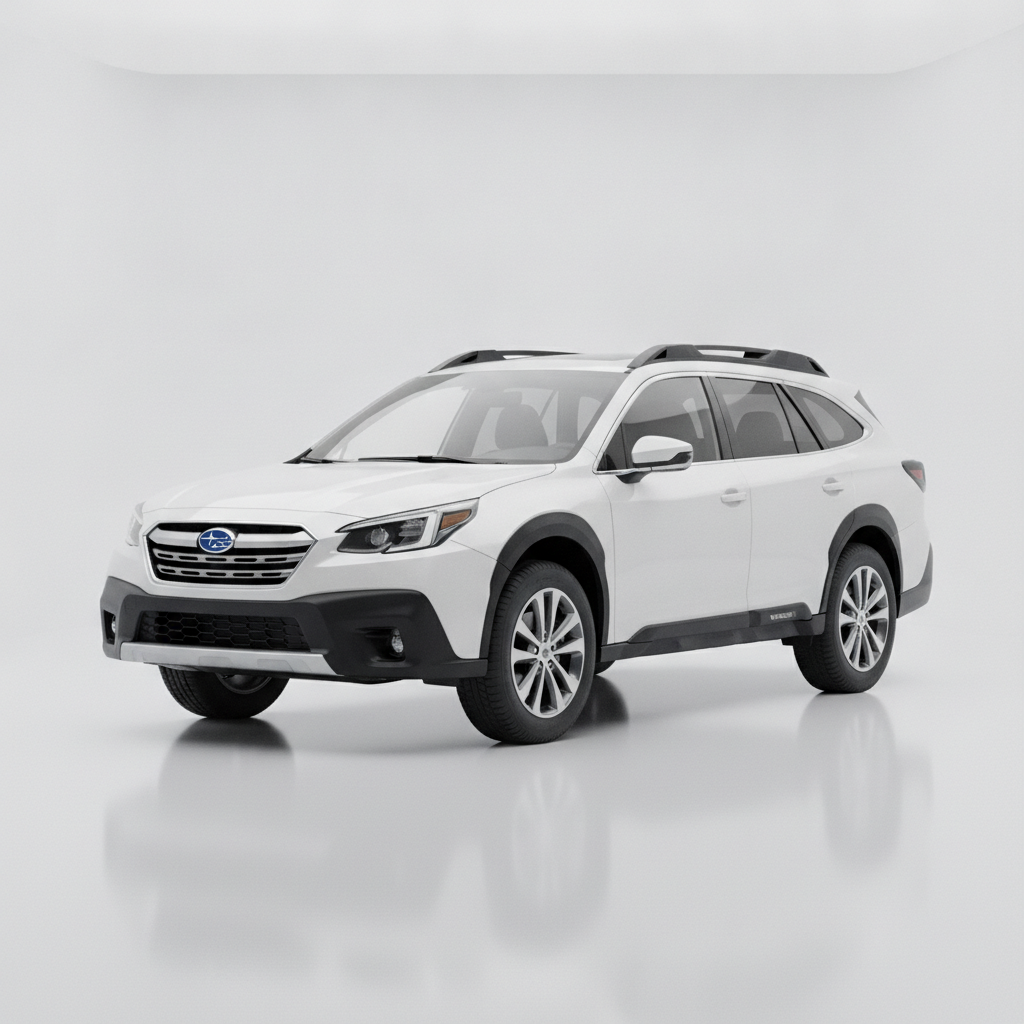
The practical takeaway for mid-2026 buyers is straightforward: the market rewards decisiveness on value-tier vehicles and rewards patience — or caution — on European imports. Under $35,000, the Equinox and the [Subaru Outback](/cars/subaru-outback) (from $29,010, 29 MPG combined) are among the last genuinely affordable new options standing, and with input costs still filtering through the supply chain, their current prices are not guaranteed to hold. Above $50,000, tariff dynamics and rate-driven financing costs both tilt toward domestically assembled vehicles or US-built EVs, where sticker price movements are more predictable than for models subject to the next round of trade negotiations. Whatever you decide, arrive at the dealership with a pre-approved loan in hand — in a market where the inventory advantage sits firmly with the seller, a locked-in financing rate is one of the few real pieces of leverage a buyer can still bring through the door.