EU Trade Tensions & Rate Freeze: Your 2026 Car Buying Edge
With the Fed holding rates steady but signaling future hikes, EU-U.S. tariff talks unresolved, and affordable new cars nearly extinct on dealer lots, the 2026 car-buying window is narrower than it looks, and which brand you choose now matters more than ever.

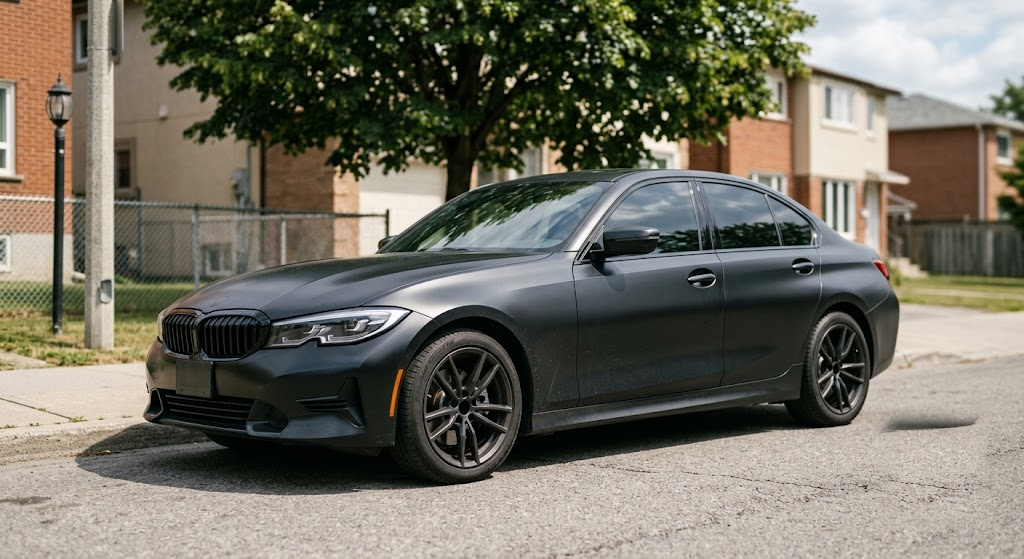
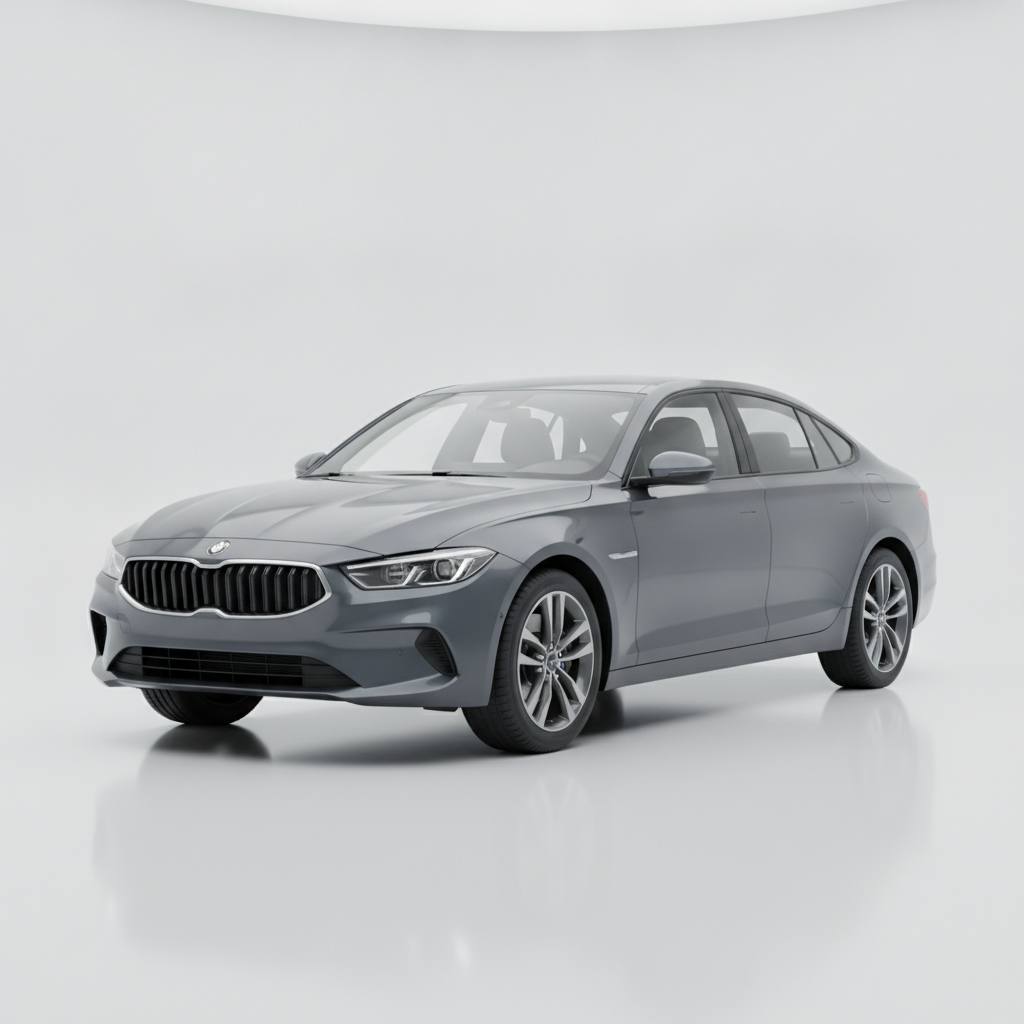
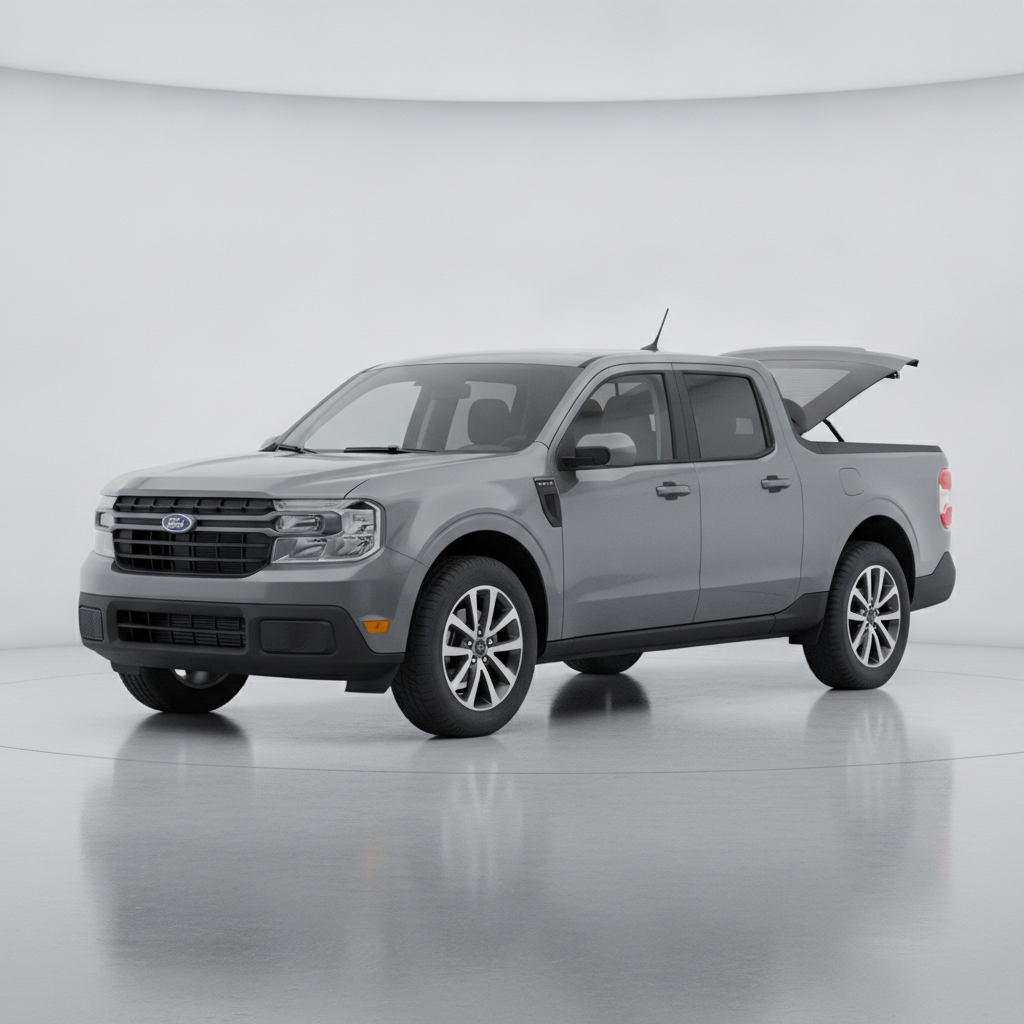
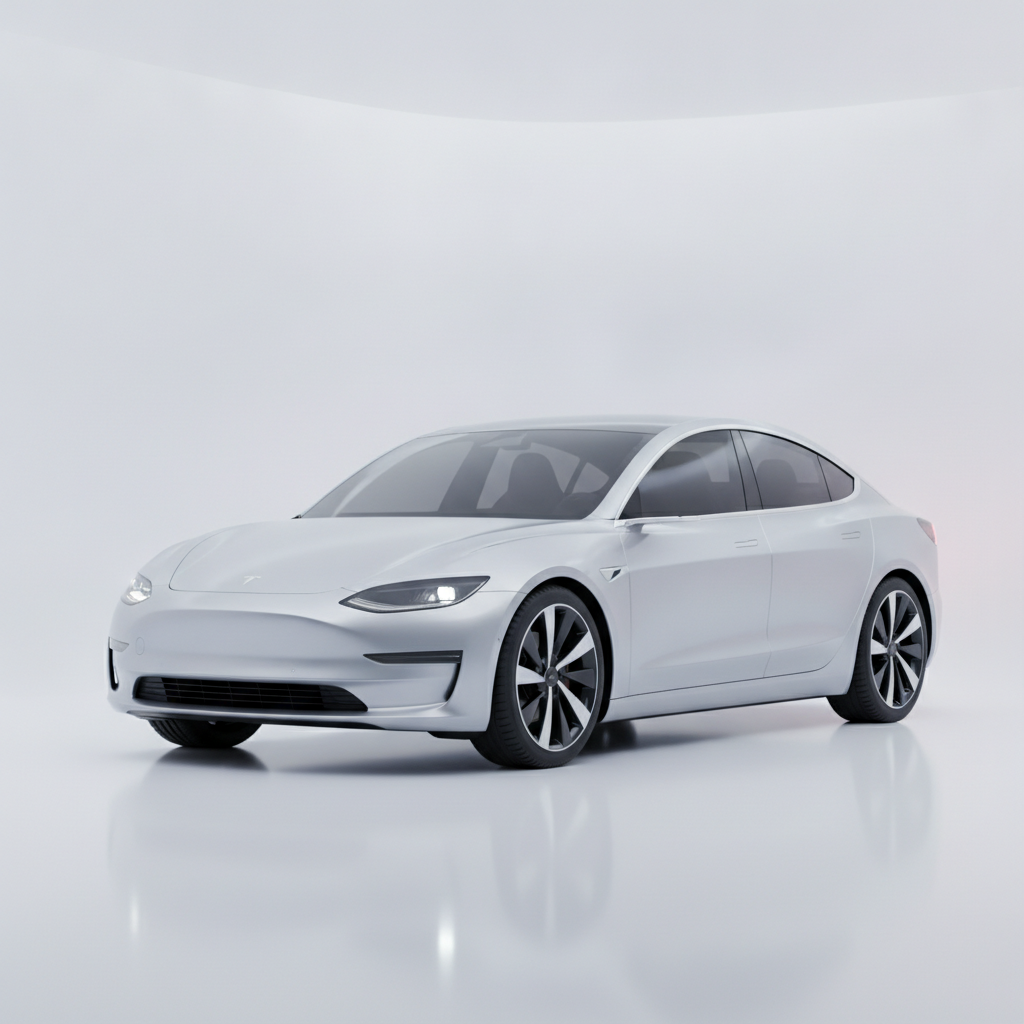
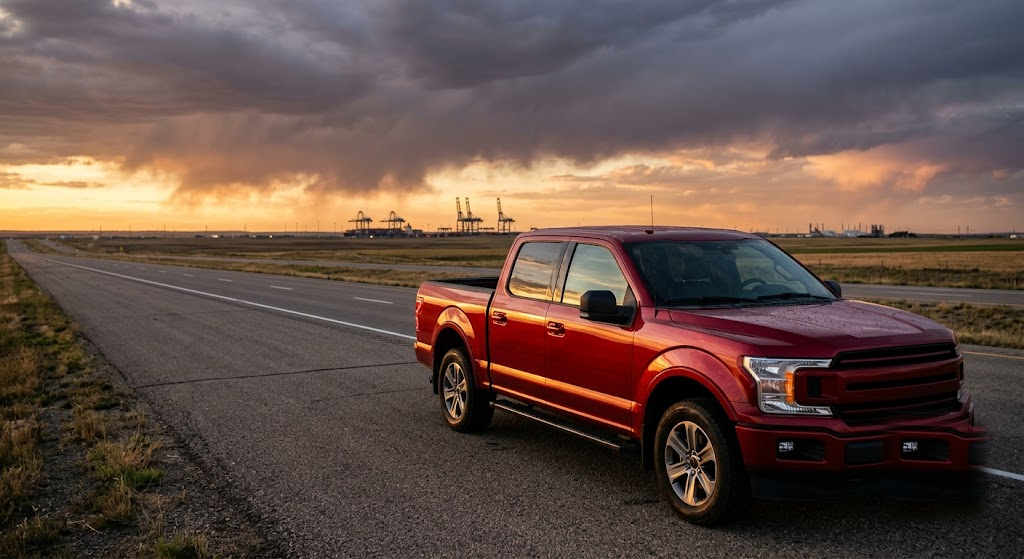
The U.S. automotive market is absorbing a set of economic signals that rarely arrive in combination. In mid-June 2026, newly installed Federal Reserve chair Kevin Warsh held his first news conference and confirmed that the Fed would leave benchmark interest rates unchanged, but made clear that additional increases remain on the table if inflation does not continue to moderate. Simultaneously, EU-U.S. trade talks remain unsettled, with both sides still negotiating a tariff framework that could significantly affect the landed cost of European vehicles imported to American shores. A separate and evolving U.S.-Canada tariff timeline adds another layer of uncertainty for models assembled across the northern border. The combined effect on dealer lots: entry-level new cars have nearly vanished from U.S. showrooms, and buyers who assumed 2026 would deliver price relief are discovering that the market floor is rising, not receding. For shoppers considering European luxury brands, the EU-U.S. tariff negotiations carry real and specific financial stakes. Vehicles assembled in Germany and other EU countries, including much of BMW's and Audi's core lineup, currently land in the United States under a tariff structure that could shift materially if diplomatic talks stall or collapse. The [BMW 3 Series](/cars/bmw-3-series), starting around $45,950 and returning a genuine 30 MPG combined, represents strong value at its current price point, but that figure does not account for any potential tariff surcharge. The [Audi A4](/cars/audi-a4) (from approximately $42,000, 27 MPG combined) and [Mercedes-Benz C-Class](/cars/mercedes-benz-c-class) (from approximately $47,900, 28 MPG combined) sit in the same exposure band. Historically, when import duties rise even modestly, automakers pass the majority of the increase to consumers within one to two model cycles. Buying before a tariff escalation is finalized can be a defensible move, but only if you are genuinely ready to purchase regardless. Vehicles with high North American content are structurally insulated from EU tariff risk, and that reality is quietly reshaping the value calculus across several segments. The [Ford F-150](/cars/ford-f-150) (from approximately $38,810, with a hybrid variant stretching fuel economy toward the top of the full-size segment) remains the domestic truck benchmark and is assembled in the U.S. The [Chevrolet Colorado](/cars/chevrolet-colorado) (from approximately $31,000, 20 MPG) is one of the last mid-size trucks available under $35,000 with genuine towing and off-road credentials. For compact SUV buyers seeking to sidestep tariff guesswork, the [Honda CR-V](/cars/honda-cr-v) (from approximately $30,100, 30 MPG combined on the gas model, Indiana-assembled) and the [Subaru Outback](/cars/subaru-outback) (from approximately $29,010, 29 MPG combined, also Indiana-built) both deliver feature content that punches well above their price. EV buyers eyeing the [Tesla Model 3](/cars/tesla-model-3) (from approximately $42,490, 132 MPGe) get an added hedge: electricity costs are far more stable than gasoline in the current environment, and domestic Gigafactory production means zero EU tariff exposure. The Fed's rate-hold decision is the most direct lever on your monthly payment, and it cuts in two directions at once. With benchmark rates unchanged, auto loan APRs have stayed relatively stable, a meaningful reprieve for buyers financing vehicles in the $35,000, $55,000 range, where a single percentage-point move in rates can add roughly $25 to $40 to a 60-month monthly payment. Chair Warsh's posture was explicitly cautious about the second half of 2026, however, keeping future increases on the table if inflation proves sticky. Buyers targeting vehicles like the [Lexus ES](/cars/lexus-es) (from approximately $43,000, and a standout 44 MPG in hybrid trim) or the [BMW 5 Series](/cars/bmw-5-series) (from approximately $59,000, 28 MPG combined) should consider getting pre-approved for a loan now, before settling on a specific trim or dealership. Pre-approval costs nothing and establishes a rate baseline to compare against any dealer financing offer that arrives later in the year. Perhaps the most underreported dimension of this macro moment is the near-elimination of genuinely affordable new cars from U.S. dealer inventories. Entry-level sedans and compact models that once anchored the sub-$25,000 segment have been discontinued or priced upward, a trend accelerated by tariff cost pressures on imported components and by automakers' clear preference for higher-margin trims. What remains on the right side of the affordability line is a short list worth knowing. The [Honda Civic](/cars/honda-civic) (from approximately $24,250, 36 MPG combined) is the standout sub-$25,000 new vehicle in the U.S. today: durable, efficient, and with resale value that holds unusually well over time. Just above that threshold, the [Ford Maverick](/cars/ford-maverick) hybrid (from approximately $28,500, 38 MPG combined) makes a compelling case as the best dollar-per-utility vehicle on the market right now, truck-bed versatility, car-like running costs, and a price that has held far more steadily than most segment rivals. Both are domestically assembled, which matters more in mid-2026 than it has in years. The practical takeaway for buyers today: favor North American-assembled vehicles to sidestep EU tariff exposure, take advantage of frozen financing rates before the second half of 2026 introduces fresh uncertainty, and stop waiting for prices to fall further, the pool of affordable new inventory is contracting, not expanding. If a European model is the right vehicle for your needs, watch trade negotiation headlines over the next 60 to 90 days; a favorable agreement would likely stabilize prices, while a breakdown could push MSRPs up by several thousand dollars on affected models. Whatever direction you choose, get a loan pre-approval in hand before you walk onto a lot. In a market shaped by tariff timelines, Fed signals, and a shrinking menu of entry-level options, that one step is often the most concrete edge a buyer can build before negotiations begin.