Auto Tariff Chaos Is Reshaping Car Prices: 5 Smart 2026 Buys
A 'Byzantine' tariff tangle on cross-border auto trade, unresolved EU tensions, and a Fed holding rates steady are making the 2026 new car market one of the most complex in decades — here's where the value still lives.

The tariff environment reshaping U.S. auto trade in mid-2026 is anything but simple. A dense, multi-layered set of import duties — what trade observers have described as a "Byzantine" tariff structure — has created serious friction for cross-border auto commerce under the USMCA framework, the very agreement meant to serve as the free-trade backbone of North American car manufacturing. At the same time, EU-U.S. trade tensions remain unresolved: talks over a bilateral deal are ongoing but no agreement is in place, leaving European automakers — and their American buyers — exposed to import tariffs that show no sign of easing soon. Add in the Federal Reserve under new chair Kevin Warsh holding interest rates steady at its June meeting, and you have a market where high financing costs are locked in for the foreseeable future. The cumulative effect: new car affordability has deteriorated sharply, sub-$30,000 vehicles have nearly vanished from dealership lots, and the used-vehicle market is quietly absorbing buyers priced out of new.
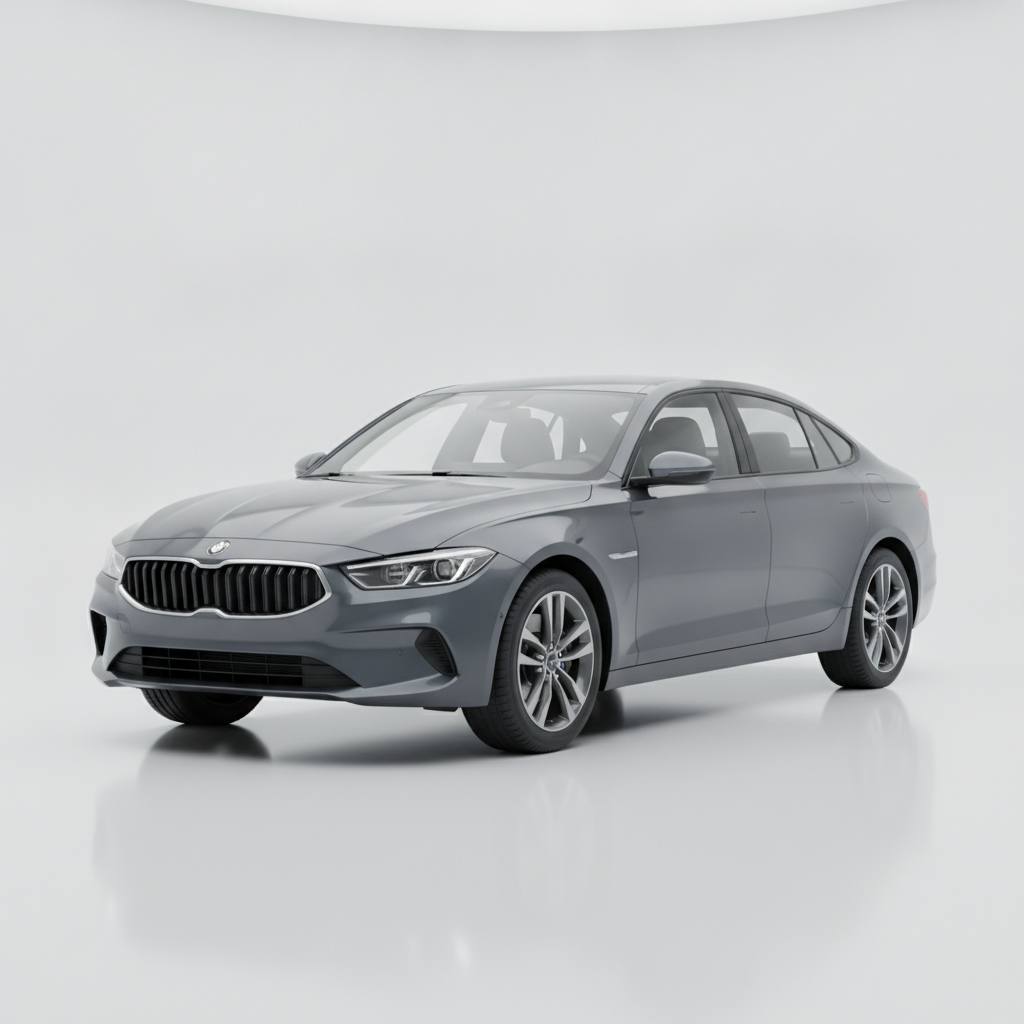
The price impact of these layered tariffs — applied to finished vehicles, imported components, and raw materials like steel and aluminum — reaches every segment, but European luxury nameplates are particularly exposed. The [Audi A4](/cars/audi-a4), starting around $42,000, and the [BMW 3 Series](/cars/bmw-3-series), starting at $45,950, are assembled primarily in Germany, meaning they face EU-specific tariff exposure on top of existing import duties. Buyers cross-shopping those models against domestic alternatives should factor in that their sticker prices could remain elevated — or tick higher — until a U.S.-EU trade framework is signed. The [Mercedes-Benz C-Class](/cars/mercedes-benz-c-class), from $47,900, faces the same dynamic: its quality and engineering remain strong, but the tariff premium baked into the price is real and difficult to negotiate away at the dealer level.
The used-vehicle market is offering a counterweight to these pressures, holding up better than many analysts expected as demand migrates away from new. Used prices are not cheap — years of supply disruptions have reset residual values higher — but the segment is stable and increasingly well-stocked with late-model inventory. On the financing side, the Fed's rate hold offers predictability but not relief: auto loan rates remain in the mid-to-high single digits, meaning a $35,000 vehicle financed over 60 months at around 7.5% runs roughly $700 per month. That math is making the right vehicle choice more financially consequential than it has been in years, and it argues strongly for prioritizing fuel efficiency and total ownership cost over sticker-price appeal alone.
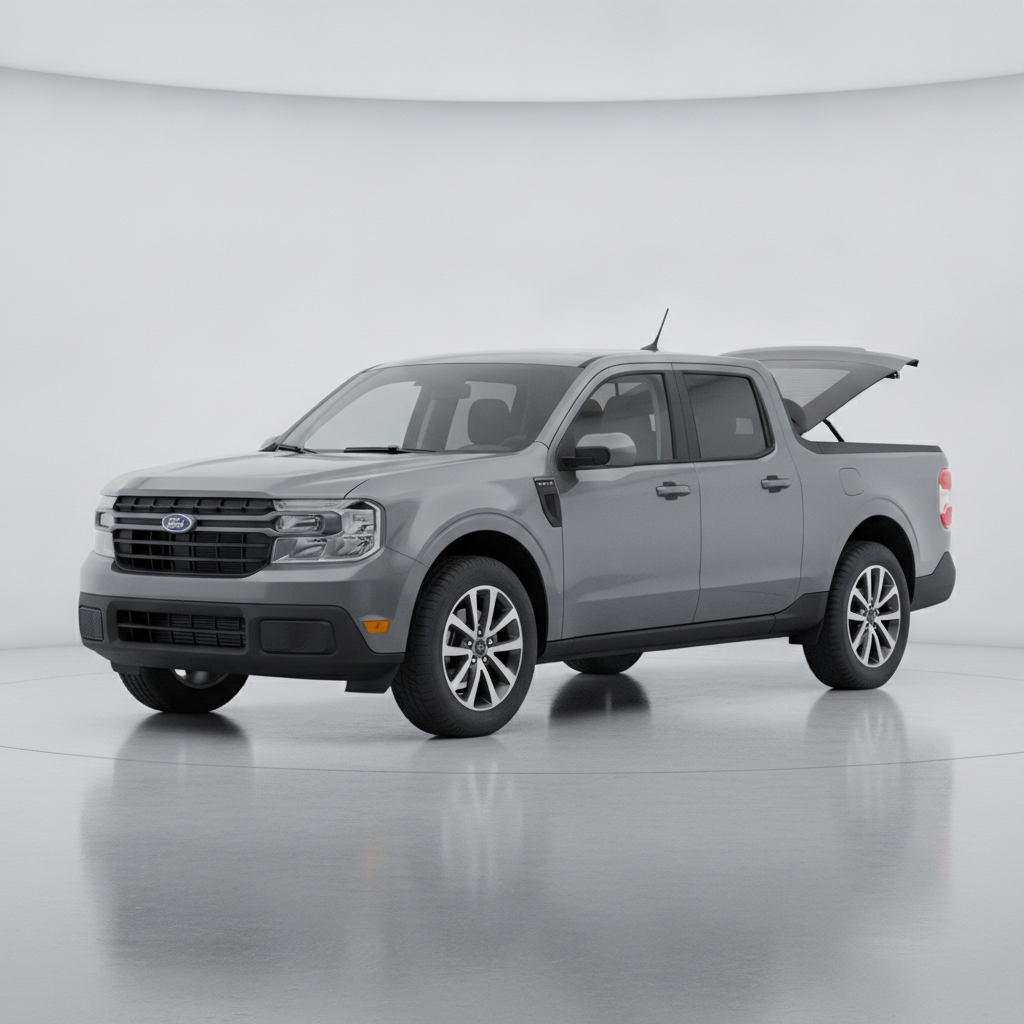
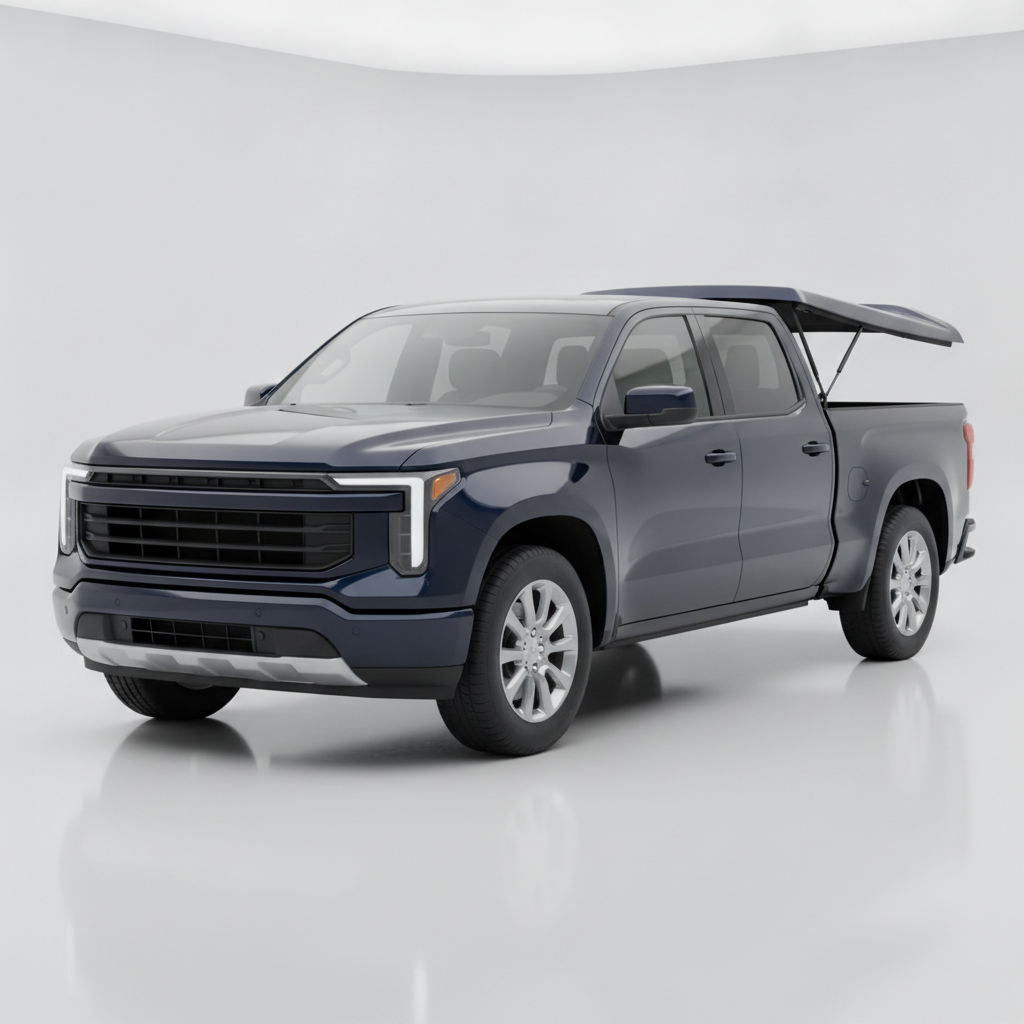
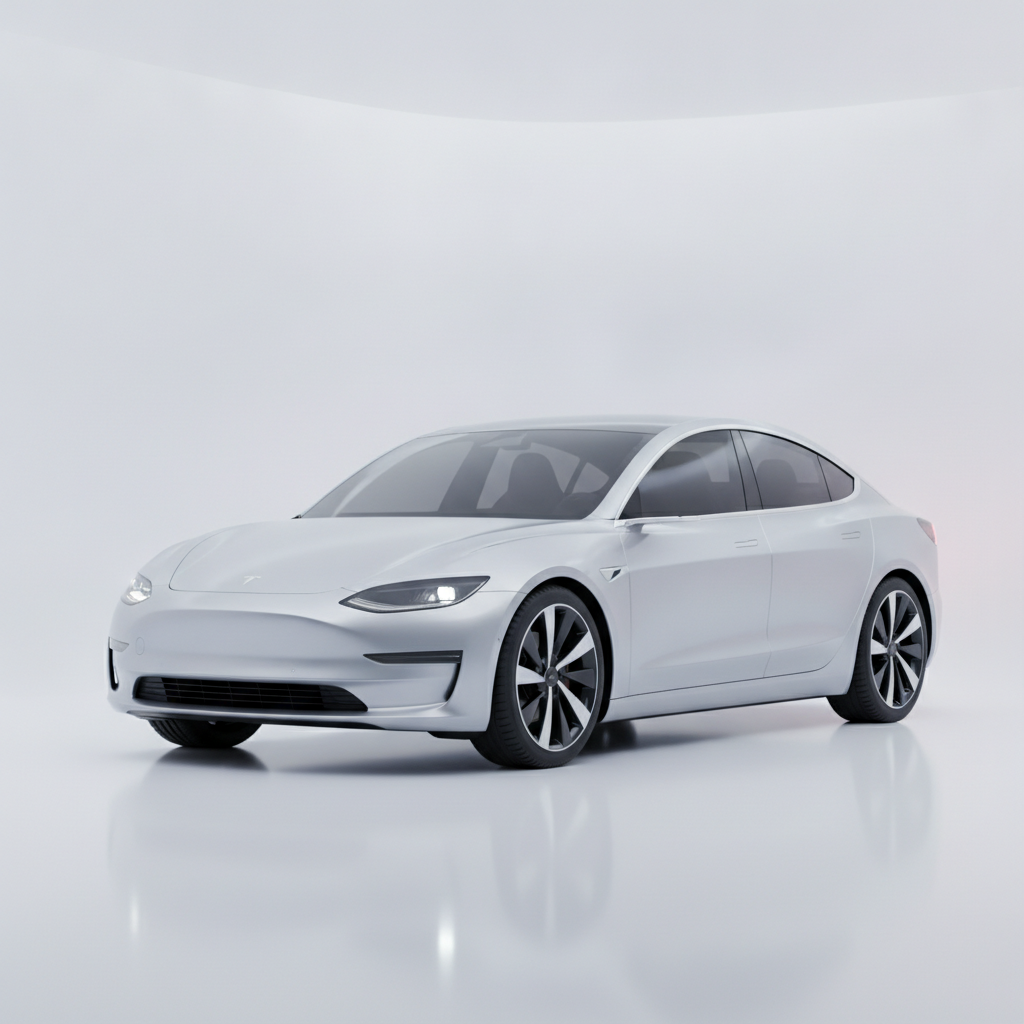
Within the new-car market, the strongest buys right now combine domestic or USMCA-compliant assembly with compelling fuel economy — the two biggest levers buyers have against both tariff-driven price pressure and fuel-cost uncertainty. The [Ford Maverick](/cars/ford-maverick), starting at $28,500 with a standard hybrid drivetrain rated at approximately 38 MPG combined, is one of the last genuinely affordable new trucks on the market and arguably the best total-cost-of-ownership play in any segment. The [Chevrolet Colorado](/cars/chevrolet-colorado), from $31,000, delivers capable mid-size truck utility with U.S. assembly and around 20 MPG combined — a solid workhorse buy with limited tariff-chain exposure. For those who want a practical sedan, the [Honda Civic](/cars/honda-civic), starting at $24,250 and returning about 36 MPG combined, is the rare new car still under $25,000; assembled in Indiana, it carries minimal import-duty risk. The [Tesla Model 3](/cars/tesla-model-3), from $42,490 at an EPA-rated 132 MPGe, is domestically assembled and sidesteps gasoline price volatility entirely — a strong long-game choice for buyers with home charging access.
A few higher-priced models merit a more nuanced read. The [BMW X5](/cars/bmw-x5), starting at $66,200, is actually built at BMW's Spartanburg, South Carolina plant — a domestic-assembly advantage that most European luxury SUVs lack, making it a comparatively tariff-resilient option in its segment. In contrast, the [Audi Q5](/cars/audi-q5), from $45,000, and the [Mercedes-Benz GLC](/cars/mercedes-benz-glc), from $48,050, are largely sourced from European production lines and carry greater pricing risk if EU-U.S. negotiations stall further. Buyers drawn to either of those two models may genuinely benefit from waiting: a trade deal resolution could bring meaningful sticker-price softening later in 2026.
The practical takeaway for mid-2026 buyers is this: prioritize domestically assembled and fuel-efficient vehicles when your budget allows, apply healthy skepticism to sticker prices on European imports, and do not count on interest rate relief before year-end. The affordable new-car segment is shrinking fast — if you are targeting a sub-$30,000 purchase, move decisively, because the Ford Maverick and Honda Civic represent two of the last solid footholds in that space. For buyers with more flexibility, the BMW X5's South Carolina production footprint makes it a more tariff-resilient pick than most rivals in its class. And if the new-car market feels out of reach altogether, the used market is stable enough to take seriously right now. In a year when macro forces are distorting prices across the board, knowing a vehicle's assembly origin and true total cost of ownership is the clearest competitive edge you can walk into a dealership with.