5 Cars That Beat 2026's Tariff and Rate Crunch
With EU tariffs baked into import sticker prices and the Fed signaling no rate relief ahead, mid-2026 car shoppers need a clear strategy — and the right shortlist.
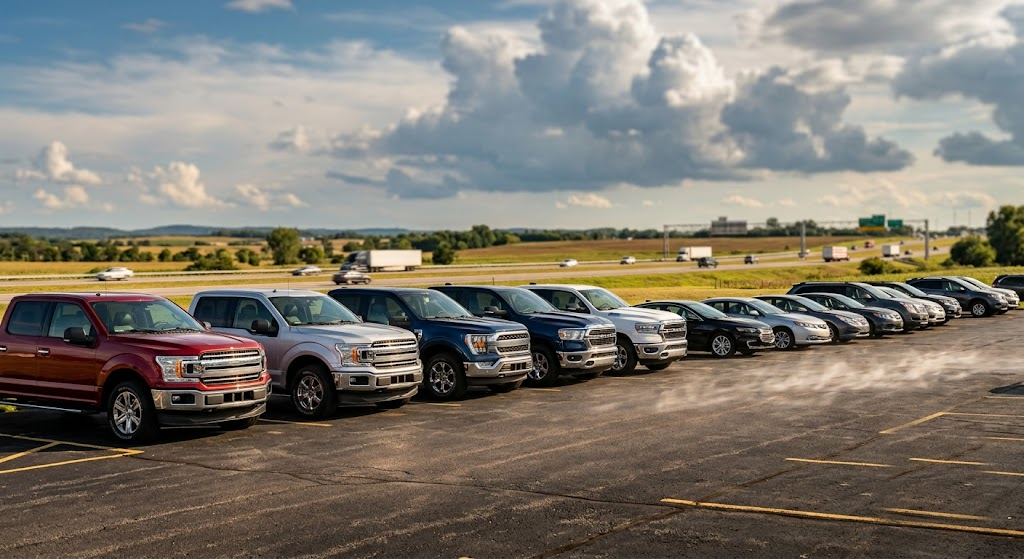
In mid-June 2026, newly appointed Federal Reserve Chair Kevin Warsh held interest rates steady — but his cautious language about potential future hikes sent US stocks lower and renewed anxiety among American consumers already stretched thin. That unease is amplifying an affordability crisis that was already reshaping the car market: analysts tracking new-vehicle sales are warning of a lasting structural decline in demand, as elevated borrowing costs and tariff-driven price increases push more shoppers either to the used-car lot or out of the market entirely. The macro backdrop — a rate freeze with hawkish undertones, unresolved EU-US trade tensions, and ongoing friction with Canada over cross-border automotive supply chains — means new car pricing is unlikely to soften significantly before year's end.
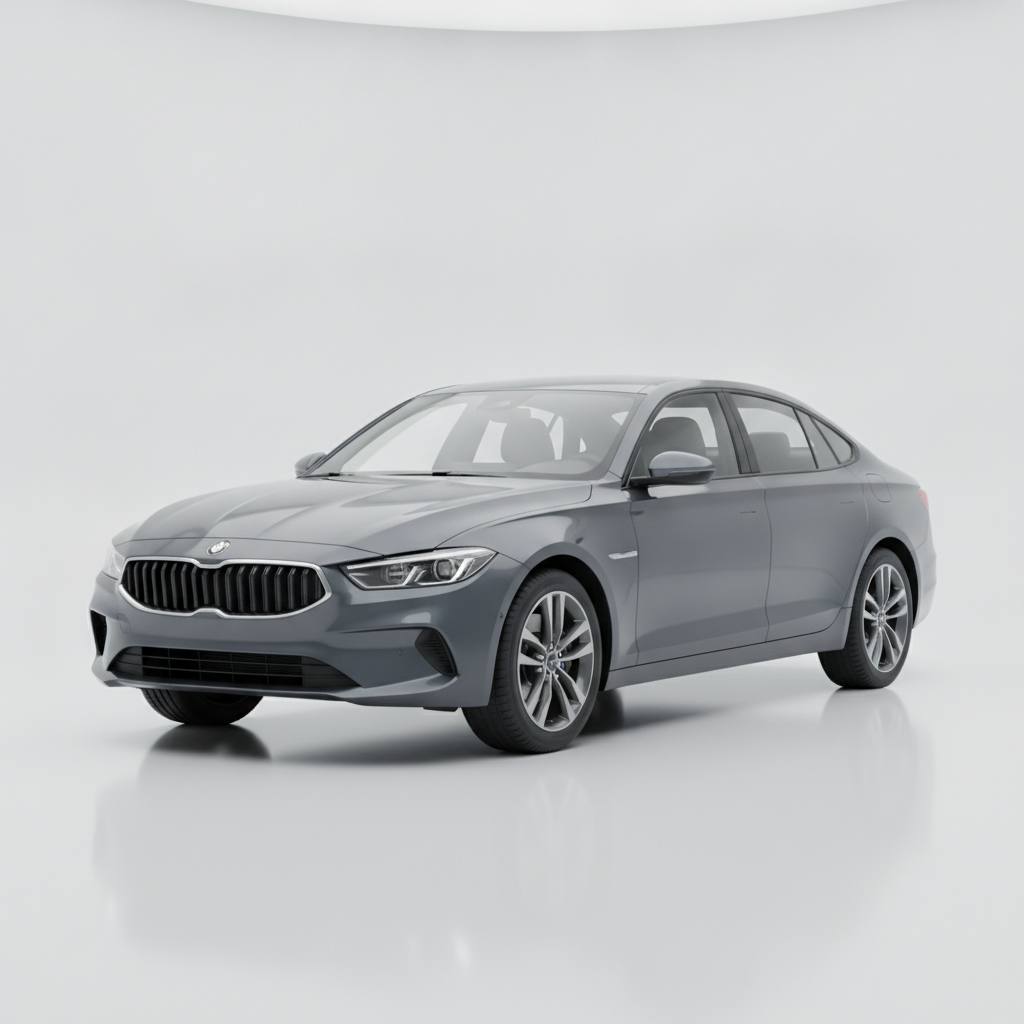
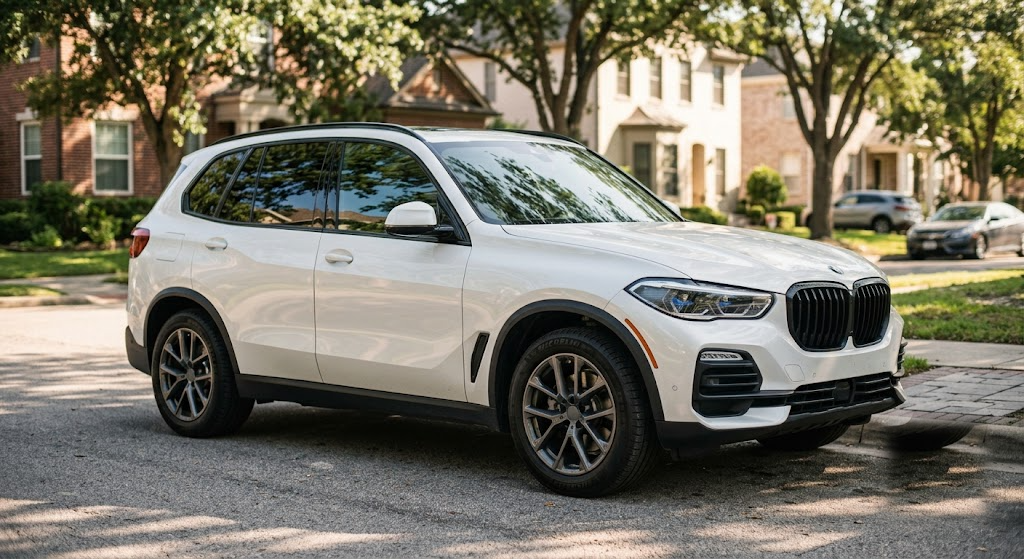
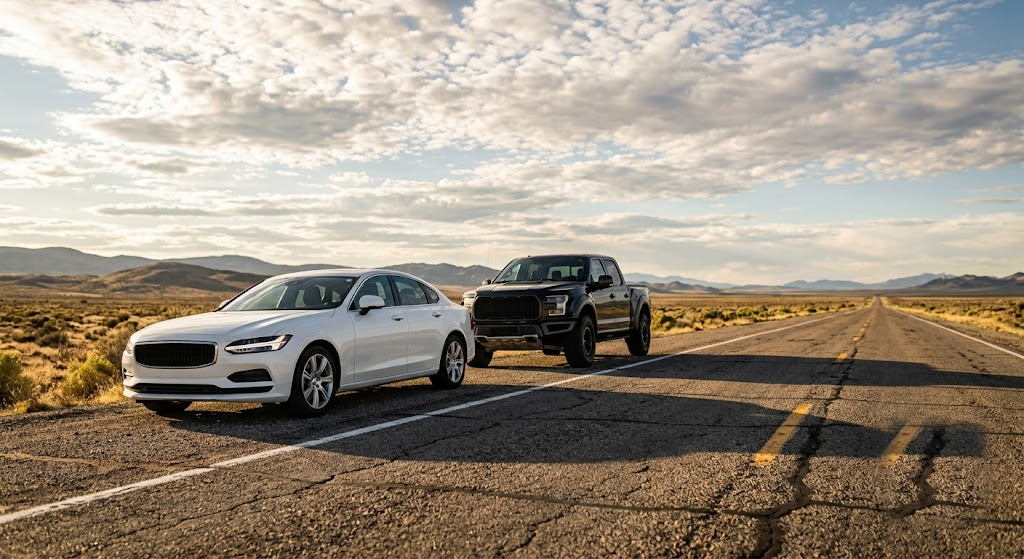
The EU-US tariff standoff is not a theoretical concern for car shoppers — importers pass duty costs directly into US sticker prices, and with no trade deal finalized, vehicles assembled in Germany carry meaningful tariff exposure embedded in their base prices. The [BMW 3 Series](/cars/bmw-3-series) (from $45,950) and [BMW X5](/cars/bmw-x5) (from $66,200) are premium choices under normal conditions, but right now buyers are effectively pre-paying an uncertain tariff surcharge with no guarantee the trade situation resolves in their favor. The [Audi Q7](/cars/audi-q7) (from $60,500) and [Mercedes-Benz GLC](/cars/mercedes-benz-glc) (from $48,050) sit in the same exposure zone. The US-Canada tariff friction adds a second front: several popular North American trucks and crossovers carry Canadian assembly in their supply chains, making their cost structures sensitive to any escalation in that bilateral dispute as well.
Rate relief is not on the horizon either. With Chair Warsh signaling vigilance rather than easing, and markets actively pricing in the risk of a hike later in 2026, auto loan rates remain elevated. Buyers financing a $45,000 vehicle over 60 months are facing monthly payments roughly in the $890–$940 range at current market conditions — a figure that has meaningfully compressed the buyer pool for new vehicles. That arithmetic explains why the used-vehicle market is outperforming new-car sales: a 2024 or 2025 certified pre-owned unit lets buyers access a nearly identical vehicle at a lower purchase price with lower insurance costs. For those committed to buying new, shortening the loan term and maximizing the down payment now insulates you against the risk of rates moving higher before the end of the year.
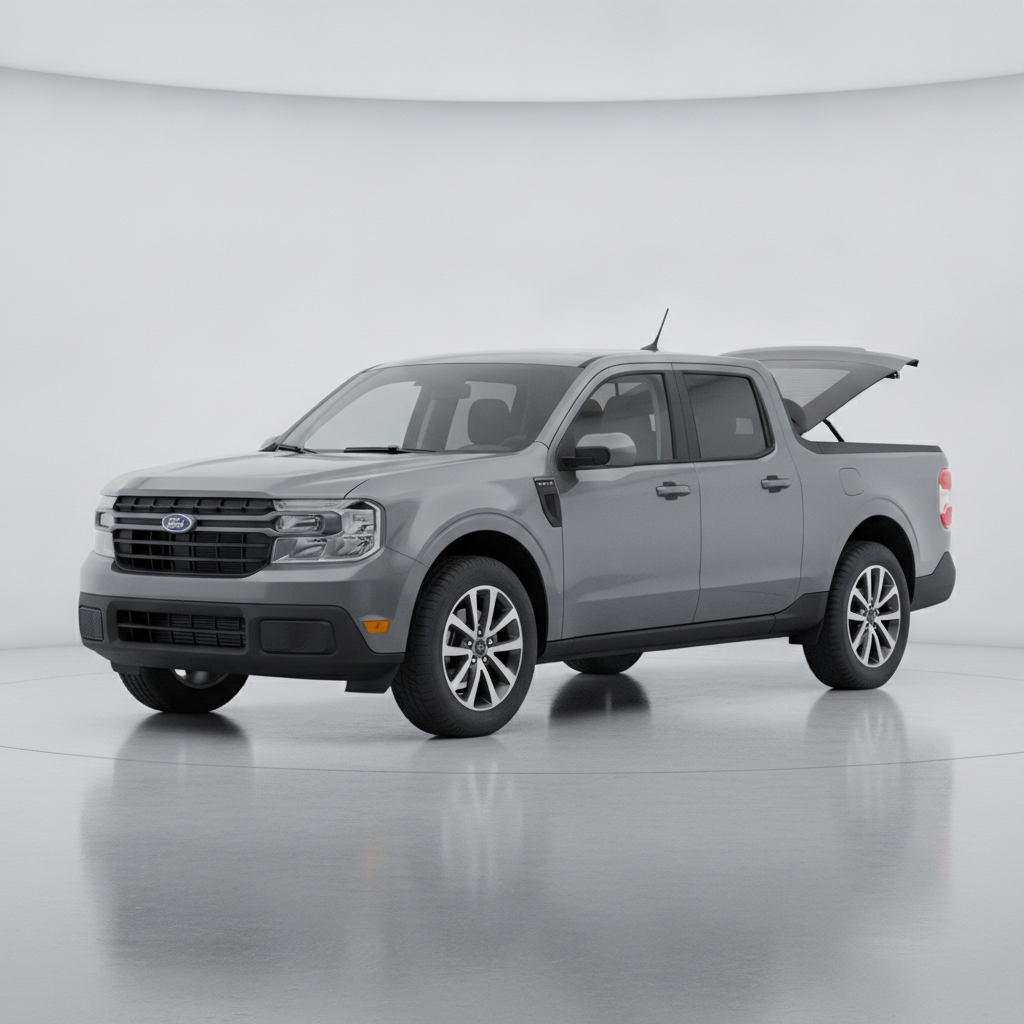
Against this backdrop, the strongest new-car value plays are domestically assembled vehicles that combine accessible sticker prices with high fuel efficiency — a pairing that hedges both tariff risk and elevated fuel costs simultaneously. The [Ford Maverick](/cars/ford-maverick) (from $28,500, 38 MPG combined in hybrid trim) is arguably the sharpest single buy in the market today: it escapes European and Canadian tariff exposure and its hybrid powertrain makes it nearly immune to fuel-price volatility. The [Honda Civic](/cars/honda-civic) (from $24,250, 36 MPG combined) and [Honda Accord](/cars/honda-accord) (from $28,990, up to 48 MPG in hybrid trim) offer similar value density with strong resale values that protect buyers if the market softens further. For truck buyers, the [Chevrolet Colorado](/cars/chevrolet-colorado) (from $31,000, 20 MPG) provides genuine utility at a price point well below where tariff pressures bite most sharply — and well below the full-size segment where sticker shock has become acute.
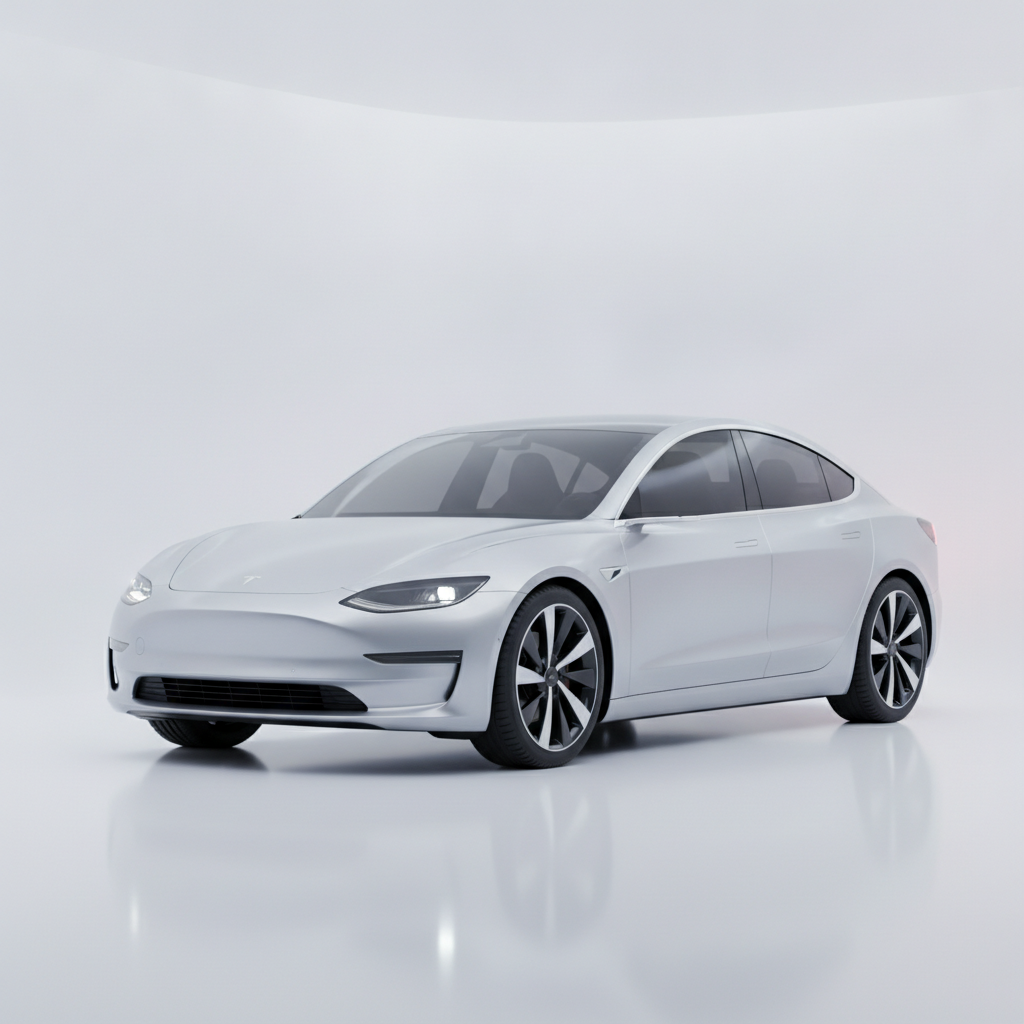
Electric vehicles add a compelling strategic dimension to the mid-2026 calculus. The [Tesla Model 3](/cars/tesla-model-3) (from $42,490, 132 MPGe) and [Tesla Model Y](/cars/tesla-model-y) (from $44,990, 123 MPGe) are assembled in the US, shielding them entirely from EU and Canadian tariff exposure. Running costs are dramatically lower than gasoline equivalents — at current electricity rates, an EV owner typically spends a fraction of what a comparable gas-car owner pays per mile, a meaningful buffer if fuel prices climb alongside geopolitical uncertainty. The Federal EV tax credit landscape remains subject to legislative change, so buyers who qualify under current income thresholds have a concrete incentive to act before any policy shift. For those wanting a domestic electric SUV at a lower entry point, the [Ford Mustang Mach-E](/cars/ford-mustang-mach-e) (from $37,000, 98 MPGe) delivers competitive range with full US-assembly credentials.
The practical takeaway for July 2026 is straightforward: prioritize domestic assembly, prioritize efficiency, and be skeptical of European import premiums that embed unresolved tariff risk. Under $30,000, the Civic, Maverick hybrid, and [Subaru Outback](/cars/subaru-outback) (from $29,010, 29 MPG combined) set the benchmark against which everything else should be measured. In the $30,000–$45,000 range, the Colorado, Accord hybrid, and Tesla Model 3 represent the strongest combination of affordability, low running costs, and resale protection. If you have your heart set on a European badge — a BMW, Audi, or Mercedes — the disciplined move is to monitor EU-US trade negotiations, which could realistically produce clarity before the end of 2026. That patience could be worth several thousand dollars off the final transaction price, and in a market this unforgiving, timing matters.