UK TRQ Notified: Luxury Prices Fall & 4 Domestic Smart Buys
With India's UK CETA tariff rate quota now formally notified, luxury car prices could fall by Rs 1–3 crore — but quota limits, a watchful RBI, and rupee risk mean the buying playbook looks very different depending on your budget.
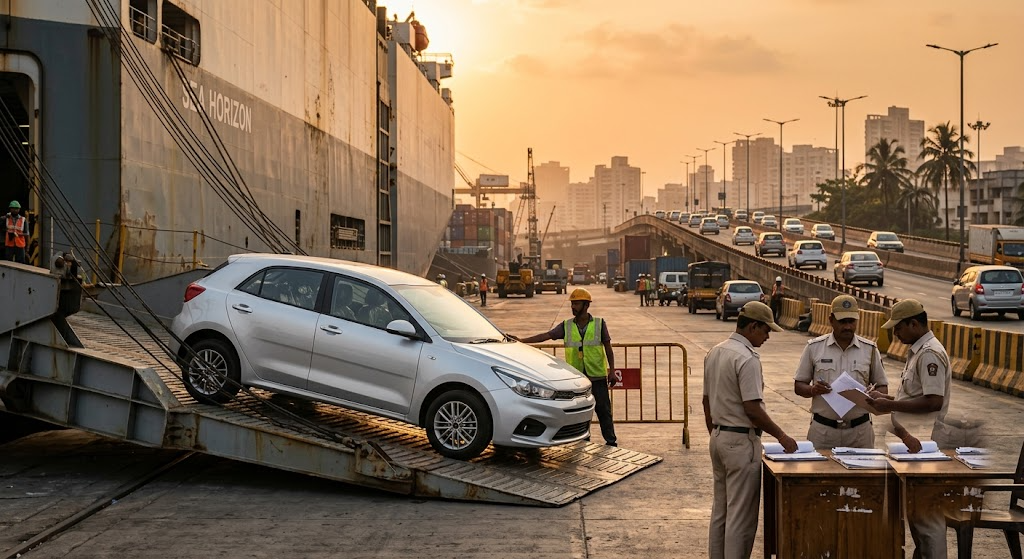
India's trade policy machinery moved decisively this week: on July 10, the Directorate General of Foreign Trade formally notified the Tariff Rate Quota framework that operationalises vehicle import concessions under the India-UK Comprehensive Economic and Trade Agreement. The notification sets the stage for a fixed annual quota of UK-origin vehicles entering India at meaningfully lower customs duties — with early market estimates suggesting showroom price drops of Rs 1–3 crore on eligible luxury models. That headline landed against a revealing broader backdrop: the Reserve Bank of India held its repo rate at 5.25% at its June MPC meeting, trimmed FY27 GDP growth guidance to 6.6%, and revised inflation forecasts upward to 5.1%. Yet domestic auto sales and GST collections have continued rising through mid-year, reflecting consumer demand that has proved more durable than the headline macro numbers might suggest.
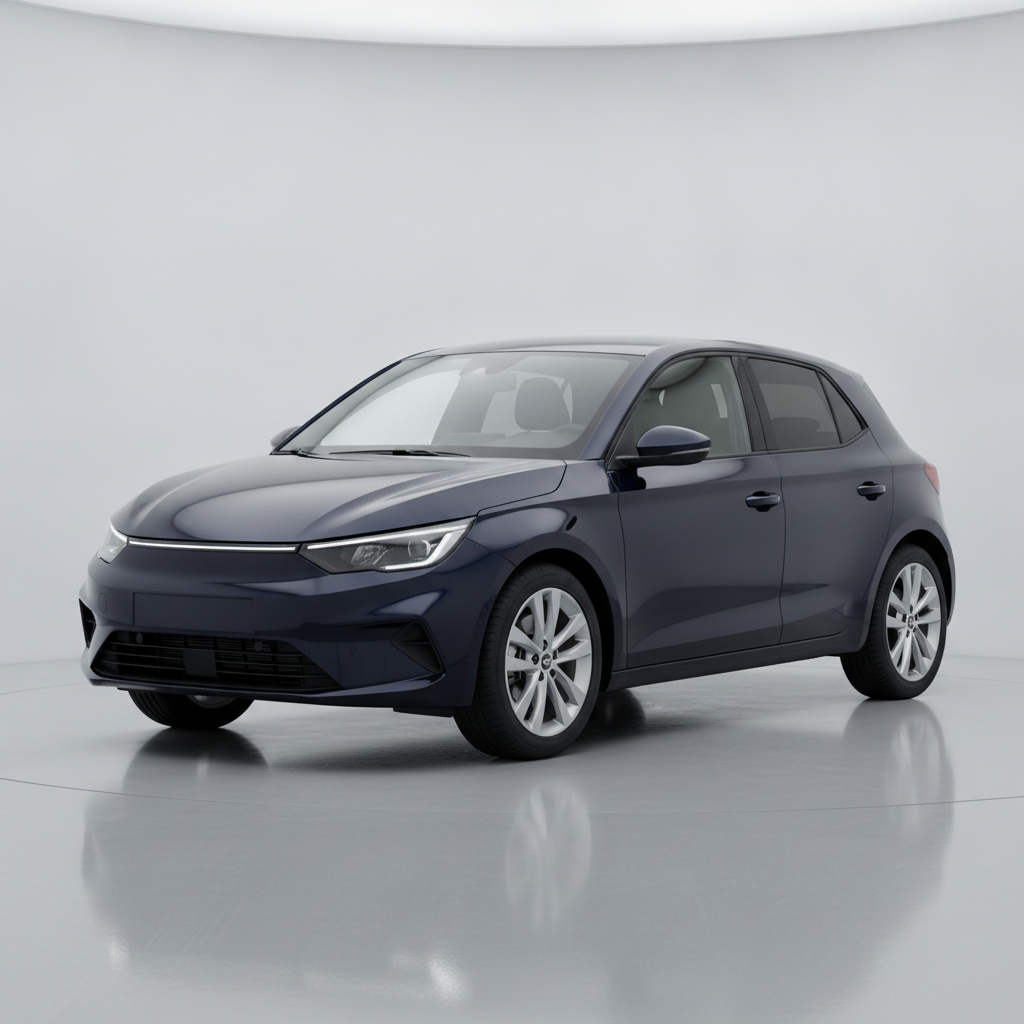
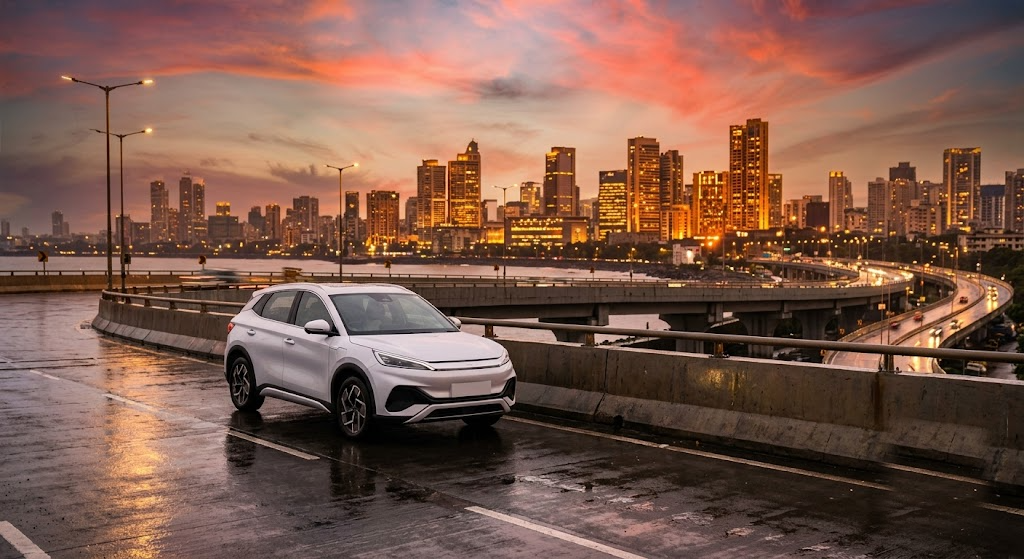
The TRQ mechanism matters because it is not a blanket duty cut — it is a quota. A fixed number of UK-manufactured vehicles per year can enter India under the concessional duty structure; volumes above that threshold continue paying existing rates. For buyers eyeing premium imports, this creates a clear first-mover dynamic. The Mini Cooper, assembled at BMW's Oxford plant and currently priced in India from approximately Rs 44.9 lakh, is among the models that could see meaningful revision if importers receive TRQ allocation and pass the saving on. However, the SMMT flagged in early July that UK automotive supply chains are navigating real pressure from shifting trade policy and geopolitical friction — a constraint that limits how quickly revised pricing will actually reach Indian showrooms, and how fully quota slots get utilised in the first allocation cycle.
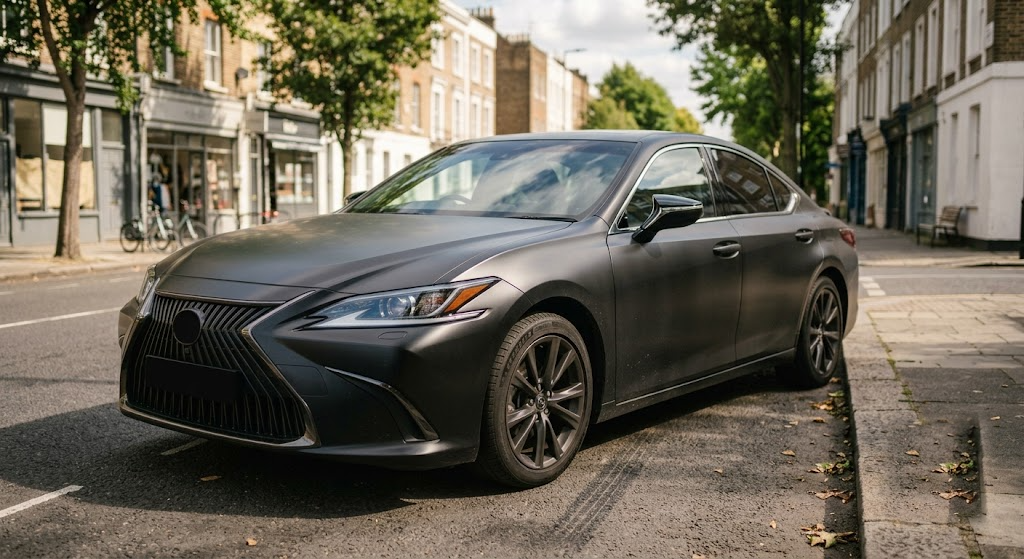
The rupee adds another layer of uncertainty for anyone banking on a CBU import saving. The RBI intervened in currency markets around July 9 to provide modest support, and a dip in global oil prices helped the rupee edge modestly higher — yet the currency remains sensitive to the risk-off sentiment being amplified by supply-chain dilemmas playing out across Southeast Asian manufacturing hubs. For a completely built unit import, even a 1–2% rupee depreciation from current levels can erode a meaningful share of the duty benefit. The Lexus ES — a Japanese-origin luxury hybrid sedan from Rs 64.2 lakh delivering 22.4 kmpl — illustrates the point: it is entirely unaffected by the UK TRQ but already represents a compelling value proposition in the premium segment, with no tariff-related price risk in either direction and available inventory now.
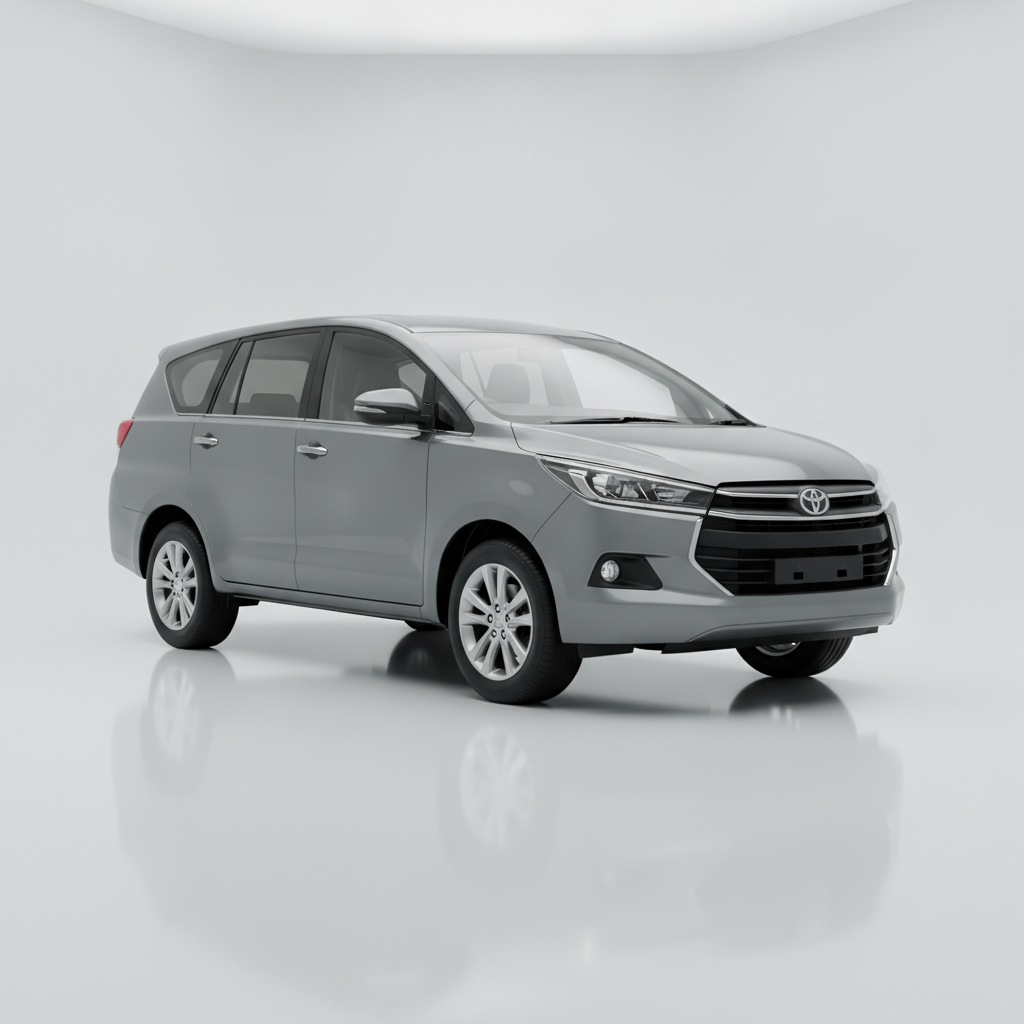
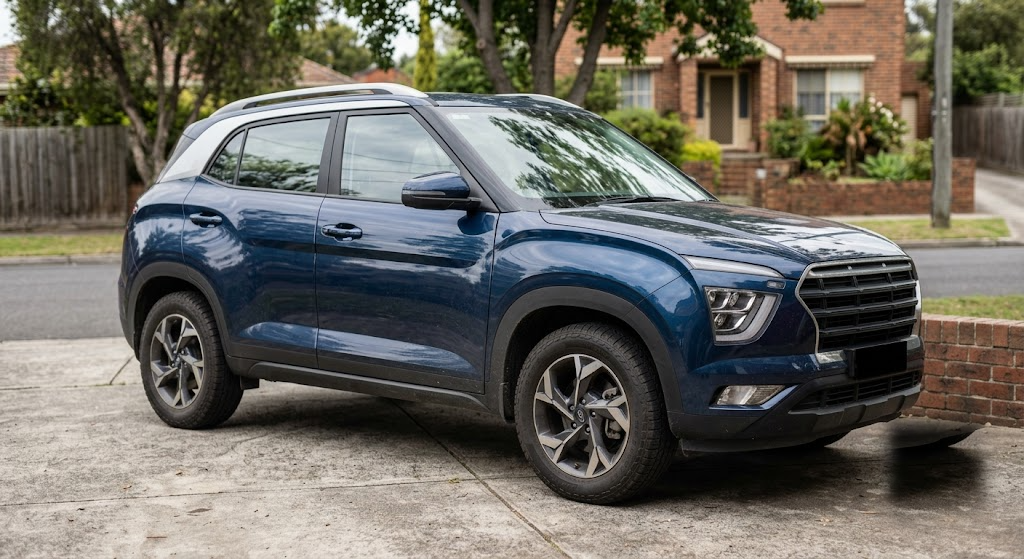
For the majority of Indian buyers shopping between Rs 8 lakh and Rs 25 lakh, the repo rate remains a far more relevant number than any TRQ quota. With the RBI anchoring borrowing costs at 5.25%, car loan rates from banks and NBFCs have stayed broadly in the 8.5–9.5% range for creditworthy borrowers, keeping EMIs on domestic models predictable. The Toyota Innova Hycross (from Rs 19.3 lakh, 21.1 kmpl on the petrol-hybrid variant) stands out for families who want efficiency insulated from fuel-price volatility — and with oil prices easing, running costs are already improving. The Hyundai Creta (from Rs 11 lakh, 17.4 kmpl) and Kia Seltos (from Rs 10.99 lakh, up to 20.7 kmpl on the diesel) represent the compact-SUV sweet spot: locally assembled, supply chains free of the geopolitical friction affecting imports, and dealers extending competitive financing schemes on the back of strong GST-collection data that signals real economic momentum on the ground.
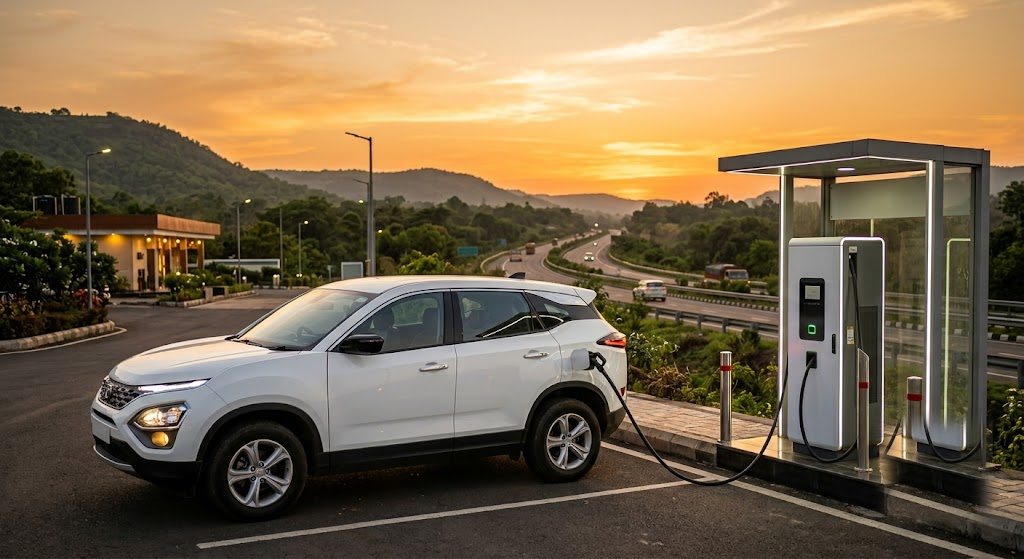
Buyers with a longer horizon should note that India's domestically manufactured EVs are structurally insulated from all import-tariff noise. The Mahindra BE 6 (from Rs 18.9 lakh, ARAI-rated 490 km on the 59 kWh battery pack) is built in India and priced in rupees — no CBU duty risk, no TRQ quota math. The risk it carries is global battery-material supply-chain pressure, a geopolitical variable that July commentary has flagged repeatedly, but one more likely to affect future-model pricing than current in-stock units. If you are comfortable with today's EV prices and charging access in your city, waiting for macro clarity is unlikely to deliver a materially better deal on existing inventory.
The practical playbook for July 2026 is this: if you are buying under Rs 20 lakh, act now — rates are stable, domestic-model prices carry no near-term import-duty upward pressure, and inventory is healthy across body types. If you are considering a UK-origin luxury car in the Rs 45 lakh–Rs 3 crore range, hold on for 60–90 days. TRQ allocation announcements, importer pricing adjustments, and the first on-road invoices under the new duty regime will crystallise between August and September. In the interim, watch the rupee closely: the duty benefit and the currency risk are currently pulling in opposite directions, and which one wins will determine whether that Rs 1–3 crore saving actually lands in your pocket — or quietly evaporates before you sign.