UK FTA Cuts Luxury Duties: 4 Smart Car Buys for July 2026
India's landmark UK Free Trade Agreement is set to cut luxury car import duties by crores — but with the repo rate held at 5.25% and inflation nudging up to 5.1%, here's what the full macro picture means for the buyer actually writing the cheque.
India's Free Trade Agreement with the United Kingdom, which moved into formal implementation in mid-July 2026, is the most significant shift in automotive import policy in over a decade. Under the deal, tariffs on UK-origin passenger vehicles — currently as high as 100% for CBU (completely built unit) imports — will be phased downward over several years, with an initial tranche taking effect almost immediately. Models built in Britain, including Rolls-Royce and Range Rover, are expected to fall in price by crores of rupees over the coming duty-reduction cycle. The timing overlaps with a cautious but stable macro reading from the RBI: the Monetary Policy Committee held the repo rate at 5.25% in its June 2026 meeting, revised FY27 GDP growth down to 6.6%, and raised the inflation forecast to 5.1%. Globally, the UK's Society of Motor Manufacturers and Traders (SMMT) has flagged growing trade-policy uncertainty in automotive supply chains, and geopolitical friction continues to add freight-cost risk to vehicles with complex international bills of materials.
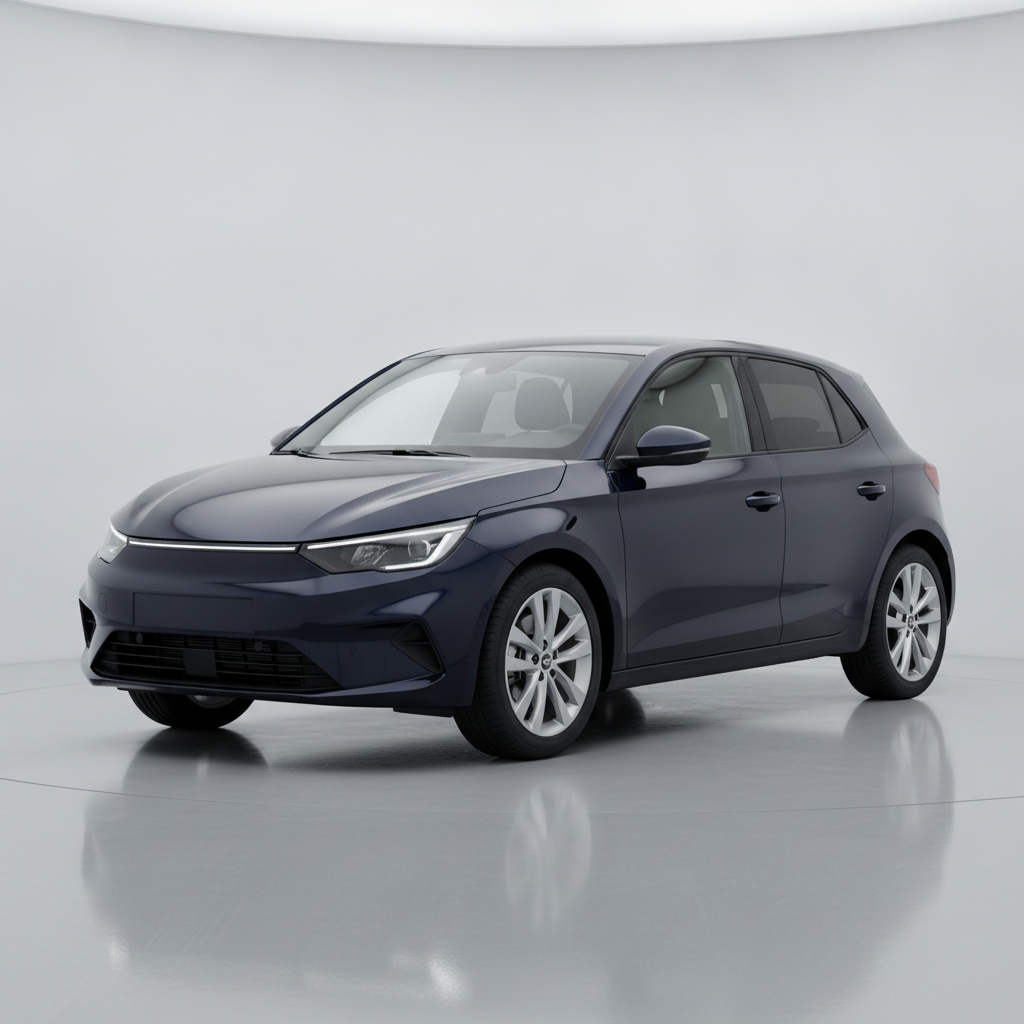
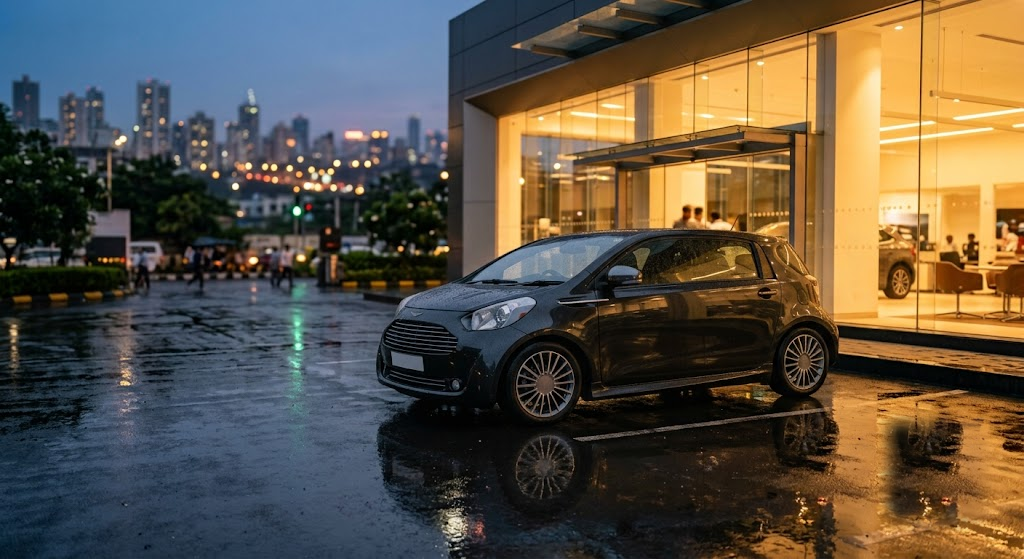
For buyers with a taste for British metal, the FTA creates a real opportunity — though with important caveats. The MINI Cooper, manufactured at BMW Group's Oxford plant and currently priced from approximately ₹44.9 lakh in India, is the most accessible UK-origin car in the mainstream premium segment and the most directly relevant model from our catalogue. The FTA's duty reduction schedule is structured around a tariff rate quota (TRQ) mechanism, meaning the deepest discounts apply to a capped volume of imports each year; analysts broadly estimate the first phase of relief could translate to ₹2–4 lakh in effective price movement on a car at the MINI Cooper's price point, though the precise pass-through depends on dealer-level absorption and how quickly the TRQ fills. Tata Motors, which owns Jaguar Land Rover and manufactures Range Rover, Defender, and Jaguar models entirely in the UK, is the other major beneficiary — and headlines this week specifically note that the India-UK FTA could accelerate Tata's ambitions in the domestic luxury segment by improving the economics of JLR's India pricing.
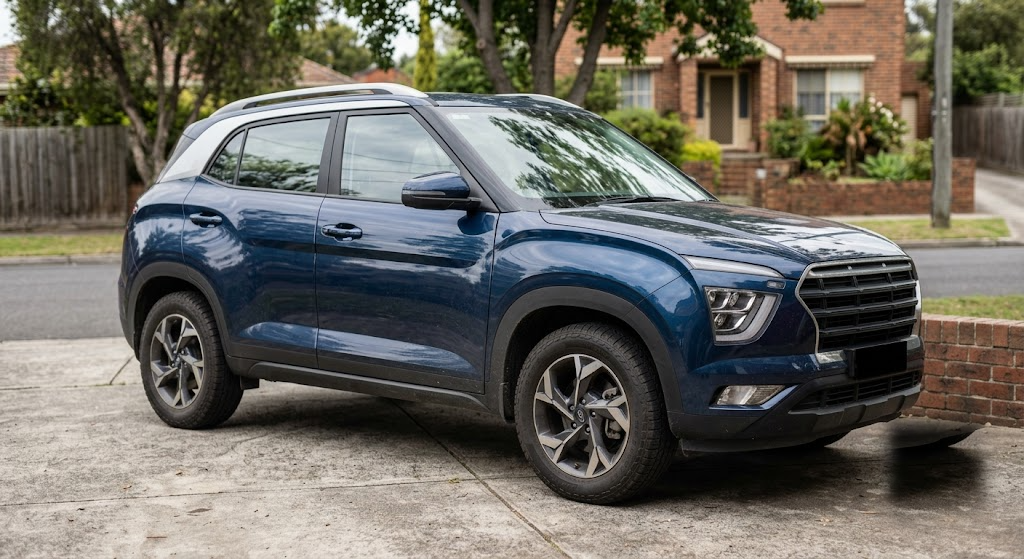
The luxury angle is compelling, but most Indian buyers shop in the ₹8 lakh–₹25 lakh band — and that is where the RBI's rate hold is the more immediately actionable news. With the repo rate parked at 5.25%, lenders have limited justification to push car loan rates higher; most banks and NBFCs are currently quoting auto loans in the 8.5%–10.5% range depending on credit profile and tenure. On the Honda City (from ₹11.9 lakh, petrol and petrol-hybrid, 18.4 kmpl on the petrol), a 7-year loan on a financed amount of roughly ₹10.7 lakh at 9.5% works out to an EMI in the region of ₹17,500 — manageable for a dual-income household at mid-level seniority, and not a number likely to move dramatically in the near term. The same rate stability gives buyers of the Hyundai Creta (from ₹11 lakh, petrol and diesel, 17.4 kmpl) confidence that the EMI they sign up for today is the EMI they will pay for the next several years.
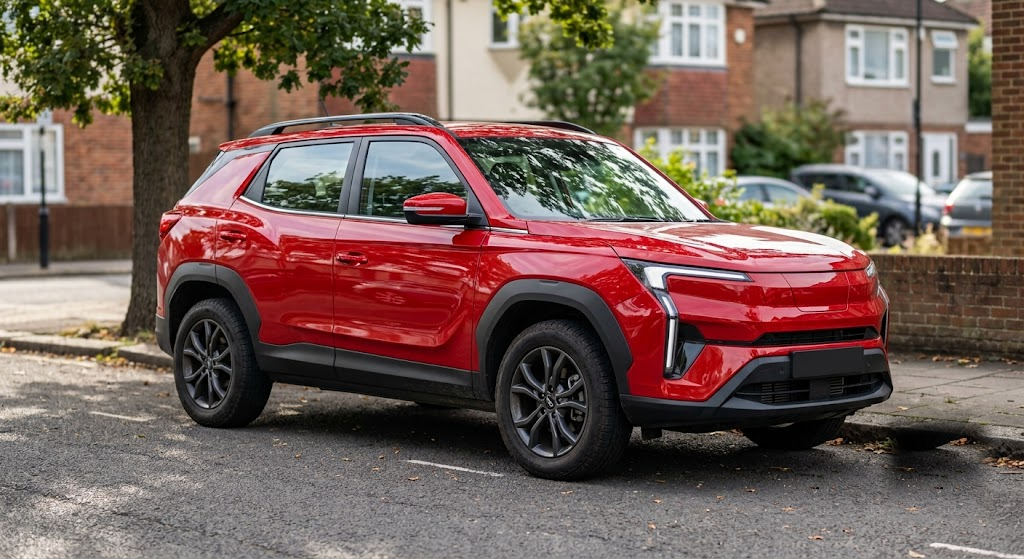
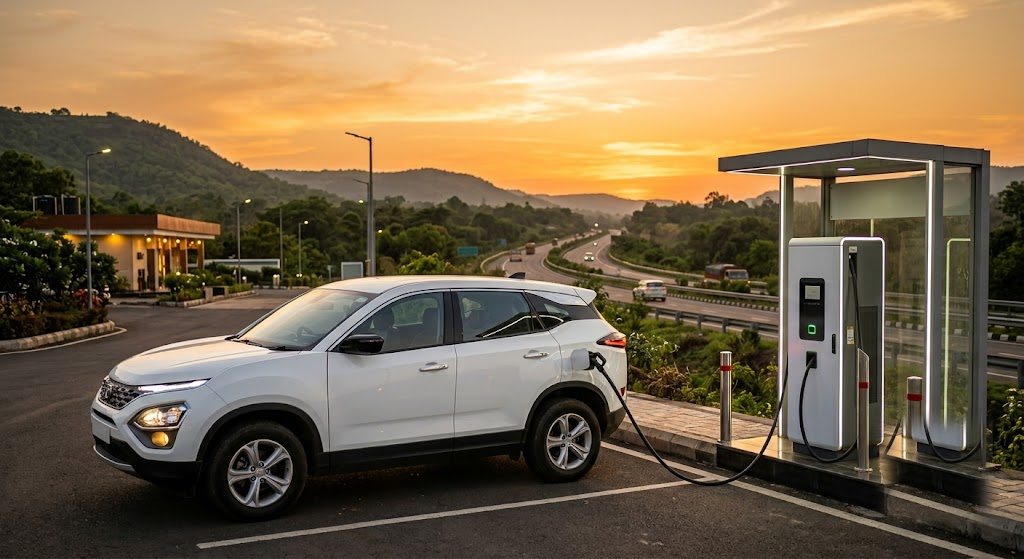
For buyers who want to sidestep import-duty volatility entirely, domestically manufactured cars are the cleanest play available right now. The Toyota Innova Hycross (from ₹19.3 lakh), assembled at Toyota's Bidadi plant in Karnataka with a strong hybrid powertrain returning 21.1 kmpl, is substantially insulated from tariff changes and currency fluctuations — its localisation level means its on-road price moves on domestic cost factors, not global customs schedules. In the EV segment, the Mahindra BE 6 (from ₹18.9 lakh, approximately 490 km ARAI range on the 59 kWh battery) is fully India-made and benefits from government EV incentive frameworks; running costs are insulated from the crude oil price volatility that geopolitical supply-chain reports continue to flag as a live risk. The Tata Nexon EV (from ₹12.99 lakh, approximately 465 km MIDC range) makes a similar argument at a more accessible price point, with a long track record of local servicing infrastructure.
One supply-side risk buyers should factor in is waiting periods. SMMT commentary and global logistics data both point to continued stress in certain automotive component categories — particularly semiconductors with concentrated East Asian sourcing — and that stress can translate into extended delivery timelines without warning. Dealers in metro markets are already quoting 4–8 week windows on high-demand variants of cars like the Kia Seltos (from ₹10.99 lakh) and Mahindra XUV700 (from ₹13.99 lakh), and those windows could lengthen if geopolitical events disrupt inbound component flow through the second half of the year. Booking before the festive season demand surge — which typically lifts order volumes sharply from September onward — is a concrete way to protect yourself against both extended waiting and the mid-year price revisions that automakers often use as a festive-season trigger.
The India-UK FTA is genuinely significant for the luxury car market and marks a meaningful shift in trade posture, but its benefit will arrive gradually, filtered through TRQ caps, phased duty steps, and dealer margin decisions. For most buyers, the macro moment offers something more immediate and actionable: EMI stability from a steady repo rate, competitive fuel costs, and a strong product cycle across domestic brands. If your budget sits in the ₹10–20 lakh range, the current environment — stable rates, manageable waiting periods, no imminent GST shock — is a reasonable moment to commit. If you are specifically eyeing the MINI Cooper or waiting for JLR prices to soften post-FTA, give the market 6–12 months for the new duty structure to flow fully through to published price lists before you sign on the dotted line.