Pakistan's Car Price Hike: 5 India Models to Lock In This July
As Pakistan's Toyota Corolla Cross HEV receives a massive price hike from supply chain stress, India's stable repo rate at 5.25%, a firming rupee, and manufacturers like Mahindra in full attack mode create a specific and time-limited buying window that July 2026 car shoppers cannot afford to ignore.
While much of India's financial commentary last week centred on the RBI's monetary policy committee holding the repo rate steady at 5.25% — and trimming its FY27 GDP growth forecast to 6.6% while nudging inflation projections up to 5.1% — a quieter but sharper signal arrived from across the border. Pakistan's Toyota Corolla Cross Hybrid Electric Vehicle received a massive price hike, the direct result of supply chain costs and currency stress compressing margins in a market with far fewer domestic manufacturing buffers than India possesses. Back home, RBI intervention and a dip in global crude oil prices have helped the rupee edge modestly higher, easing the immediate import cost burden. India's GST collections and passenger vehicle sales have both continued to rise despite fresh headwinds from UK automotive supply chain disruptions and Southeast Asia's deepening strategic bind — caught between American and Chinese trade blocs, regional manufacturers are repricing risk daily. For Indian car buyers, the macro picture in July 2026 is neither alarming nor uniformly comfortable: it is a market of specific opportunities and specific risks, entirely depending on what you are about to sign.
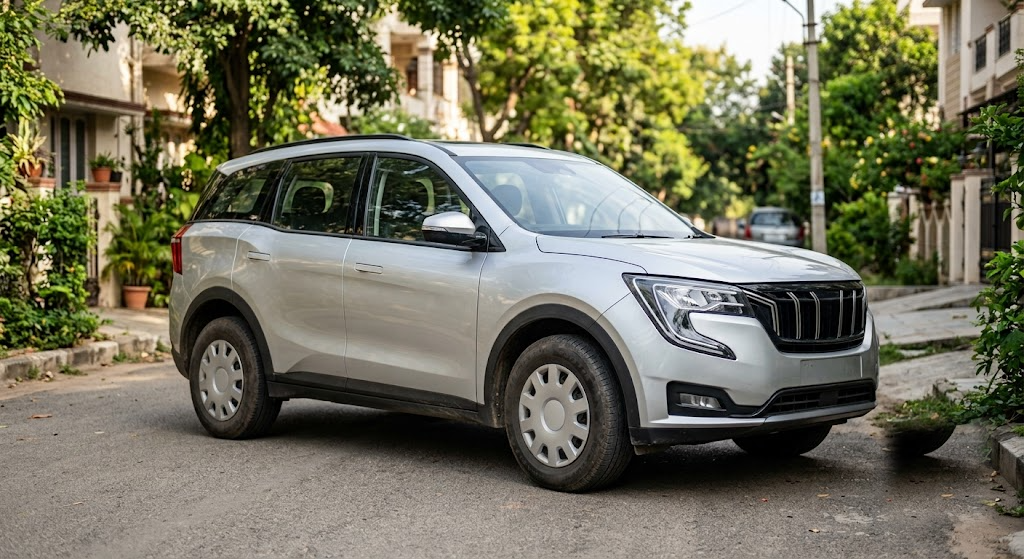
Start with the number that matters most for monthly budgets: the repo rate at 5.25%. Car loan rates at most banks and NBFCs move broadly in lockstep with this benchmark, and the MPC's decision to hold means your EMI on a new purchase is unlikely to climb in the coming months. On a vehicle priced around ₹14 lakh — say, the Mahindra XUV700 (from ₹13.99 lakh, diesel returning approximately 16.5 kmpl) — a typical 7-year loan at around 8.5% per annum works out to an EMI in the ₹22,000–₹23,000 range per month. With inflation running at 5.1%, the real cost of borrowing remains manageable, but waiting 6–12 months in the hope of rate cuts may not deliver the savings you expect if vehicle prices themselves move upward in the interim — as the Pakistan example illustrates all too plainly. The held rate is not a permanent gift; it is a window, and windows close.
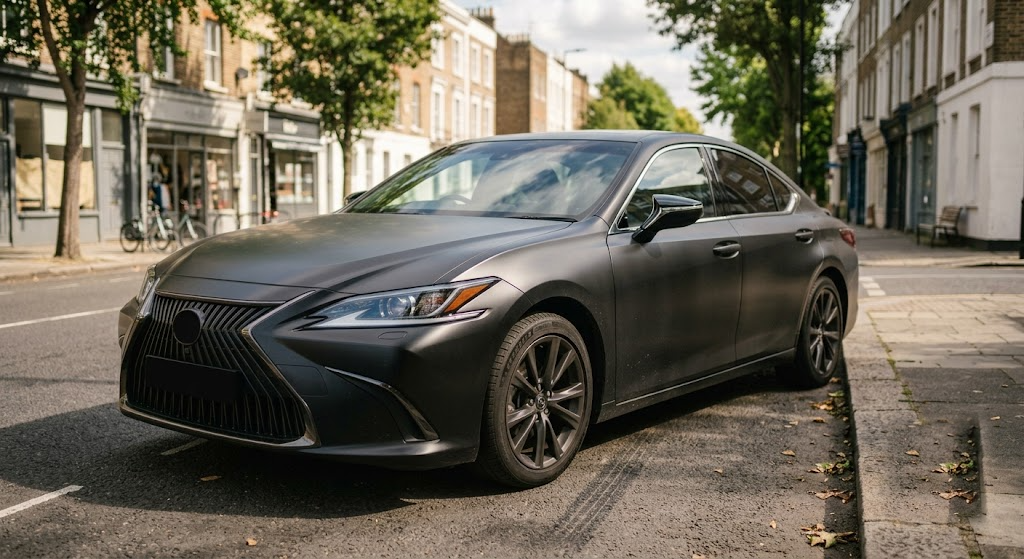
The Pakistan warning deserves a closer look, because it maps directly onto a risk category within India's own car market: completely built-up, or CBU, imports. The Toyota Corolla Cross HEV in Pakistan carries high import content; when supply chain costs rise or the local currency weakens, the retail price absorbs the full hit quickly and without warning. In India, similar vulnerability applies to cars like the Lexus ES Hybrid (from approximately ₹64.2 lakh), the Porsche Macan (from approximately ₹88 lakh), and the Mercedes-Benz GLE (from approximately ₹96.5 lakh). These vehicles are priced along supply chains denominated largely in dollars or euros, and a reversal of the rupee's current modest strength — or another disruption wave from Southeast Asia's ongoing realignment — could push their on-road prices upward with very little lead time. The rupee's current footing is real but fragile: if you are seriously evaluating a CBU luxury purchase, July 2026 is a more defensible moment to act than to defer.
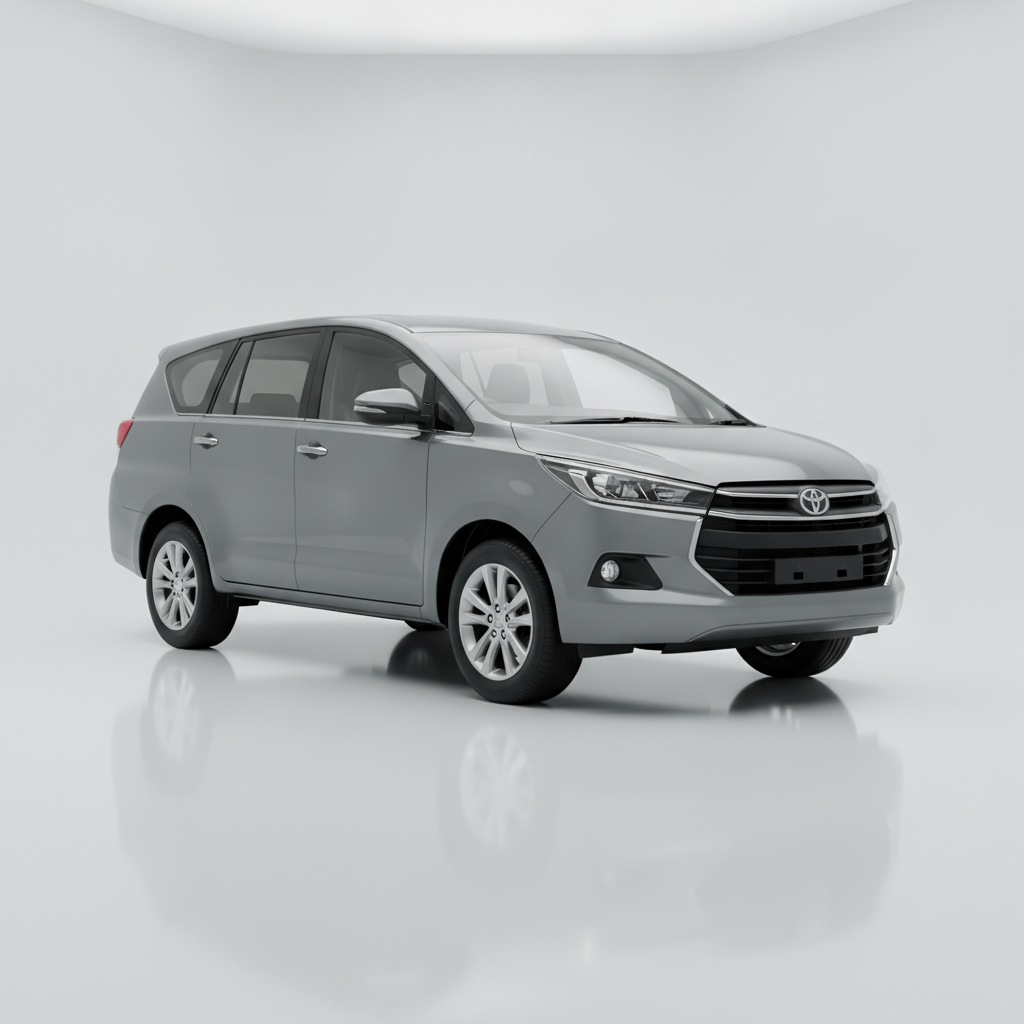
For buyers outside the CBU premium segment, the stronger macro play this month is domestically assembled vehicles from manufacturers who are actively expanding rather than consolidating. Mahindra's publicly stated "attack mode" posture — accelerating growth and investment despite global uncertainty — is not executive rhetoric alone; it shows up in competitive pricing and genuine stock availability on the Mahindra XUV700 (from ₹13.99 lakh, diesel at 16.5 kmpl) and the Mahindra Scorpio N (from ₹13.99 lakh, diesel at 15.0 kmpl). Both are manufactured in India, meaning their pricing is substantially insulated from CBU-linked cost shocks. In the hybrid space, the Toyota Innova Hycross Petrol-Hybrid (from ₹19.3 lakh, 21.1 kmpl) occupies a structurally advantaged position: unlike Pakistan's Corolla Cross HEV, which arrives as a CBU there, the Innova Hycross is assembled in India from CKD components — giving it a pricing stability that pure CBU hybrids simply cannot match. At 21.1 kmpl, it also sidesteps fuel price uncertainty more effectively than almost any rival in its segment.
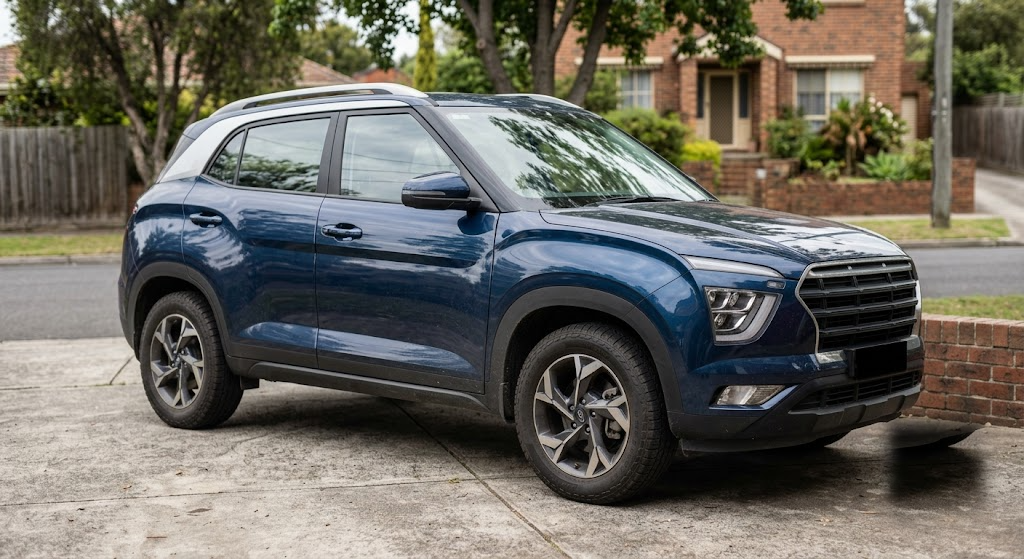
Rounding out the five domestic picks worth locking in now: the Hyundai Creta (from ₹11 lakh, 17.4 kmpl petrol) and the Tata Nexon (from ₹8 lakh, with the diesel variant returning a standout 23.2 kmpl) anchor the mass-market case, while the Mahindra BE 6 Electric (from ₹18.9 lakh, approximately 490 km ARAI range on the 59 kWh battery) makes the boldest statement in the EV column. The Creta and Nexon are among the most deeply India-integrated vehicles on sale; their supply chains are robust, waiting periods are predictable, and the rising GST collections signal that the underlying economic demand supporting them is holding firm. The BE 6 is the most forward-looking pick: Mahindra's attack-mode investment push is most concentrated in its EV lineup, and the company's expanding charging and service network makes this a substantially more practical proposition in mid-2026 than it would have been two years ago. Popular variants across all five models carry delivery windows of roughly four to eight weeks in most metros — worth building into your timeline if delivery before September matters.
The July 2026 macro environment is not a crisis — it is a contrast. Across the border, supply chain exposure and currency weakness are delivering sudden, steep price hikes on hybrid vehicles. On this side, a held repo rate, a modestly firmer rupee, rising domestic auto sales, and manufacturers like Mahindra and Tata visibly deepening their India-made commitments add up to a window that is genuinely favourable — but one that global trade disruptions could close faster than the calendar suggests. For buyers in the ₹8–₹20 lakh band, the five domestically assembled models above offer the best current combination of stable on-road pricing, predictable EMIs, and manageable waiting periods. For those with CBU luxury vehicles on their shortlist, the message is the same: the rupee's present footing makes this a better month to commit than to wait. Every macro window has an expiry date; this one, for now, still appears to be open.