Mahindra Charges Ahead as RBI Holds: 4 Car Buys for July 2026
India's rate hold and a narrow India-UK trade deal have quietly redefined where car-buying value lies in July 2026 — and the answer is firmly in the domestic lane.
On 11 July 2026, India's Monetary Policy Committee held the repo rate steady at 5.25% — but the accompanying statement was sobering: the FY27 GDP growth forecast has been trimmed to 6.6% and inflation revised upward to 5.1%. A day earlier, the government formally notified the tariffs and Tariff Rate Quotas for UK-manufactured vehicles under the new India-UK trade agreement, drawing a hard line between British-origin cars and every other import. July GST data, meanwhile, confirmed that auto sales are climbing despite global trade turbulence — Southeast Asia's supply chains are caught in a squeeze between competing superpowers, and UK automotive bodies have flagged growing complexity facing British supply networks. Against all of this, Mahindra's chairman has described the company as being in "Attack Mode", accelerating investment where global rivals are pulling back. If you are weighing a car purchase this month, these signals deserve a careful read before you sign anything.
For buyers on the finance route, the rate pause is genuinely good news. Car loan rates at most major banks currently hover in the 8.5–9.5% range, and with the RBI holding rather than hiking, those rates are unlikely to move up meaningfully in the next two to three quarters. On a Rs 12 lakh loan over five years at approximately 9%, the monthly EMI works out to roughly Rs 24,900 — and that number is stable for now. The complication is inflation at 5.1%, which chips away at your monthly surplus covering fuel, insurance, and servicing without any single line item looking alarming. That invisible squeeze makes efficiency and low running costs the most underrated factors in any July 2026 car decision.
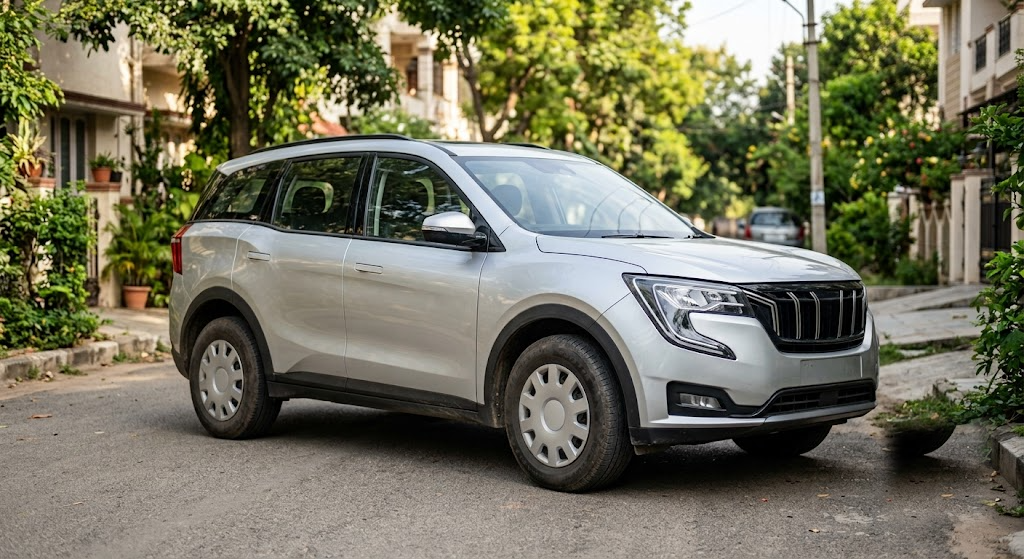
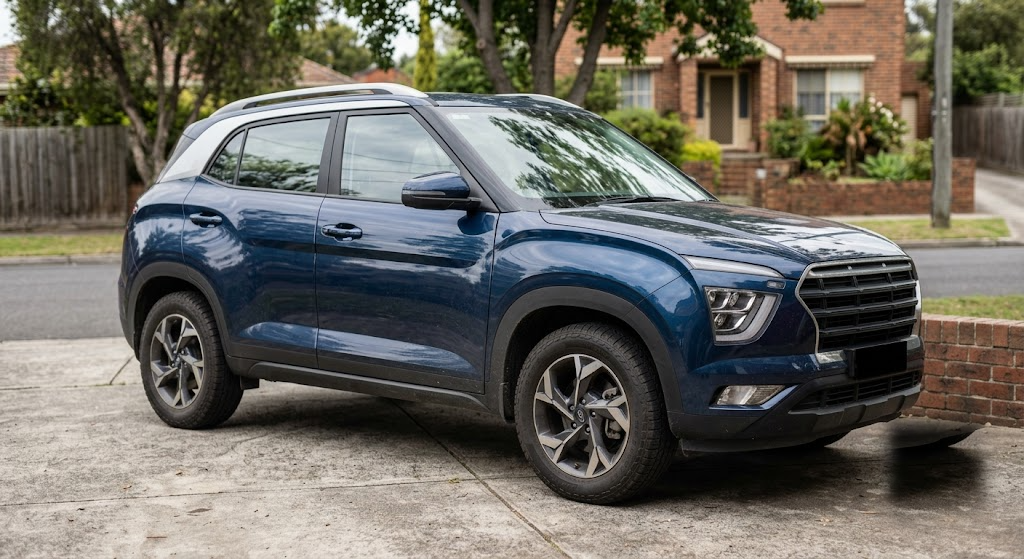
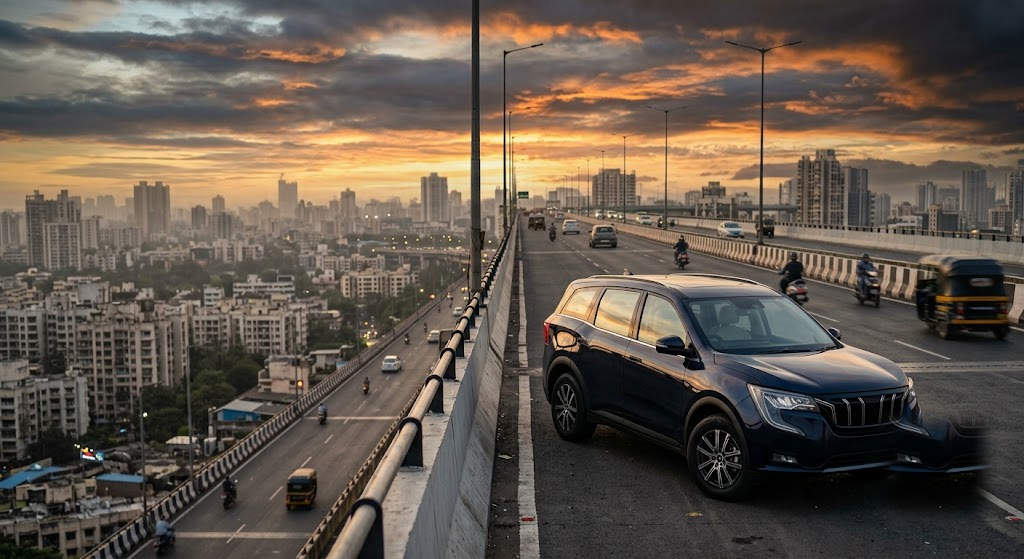
That lens puts India's domestically assembled mid-segment firmly ahead. The Mahindra XUV700 (from Rs 13.99 lakh) is built at Nashik and is structurally shielded from the currency risk and tariff exposure that haunts CBU imports. Its diesel variant returns approximately 16.5 kmpl and packs ADAS safety tech, a panoramic sunroof, and a 7-seat layout at a price that rivals costing Rs 5–10 lakh more would struggle to match on value. The Hyundai Creta (from Rs 11 lakh, 17.4 kmpl petrol), assembled at Sriperumbudur, and the Kia Seltos (from Rs 10.99 lakh, up to 20.7 kmpl on diesel) from Anantapur face zero foreign-exchange exposure on their sticker prices. With GST collections robust and auto sales on an upswing, betting that domestic model prices will soften in the coming months is a bet against the current data.
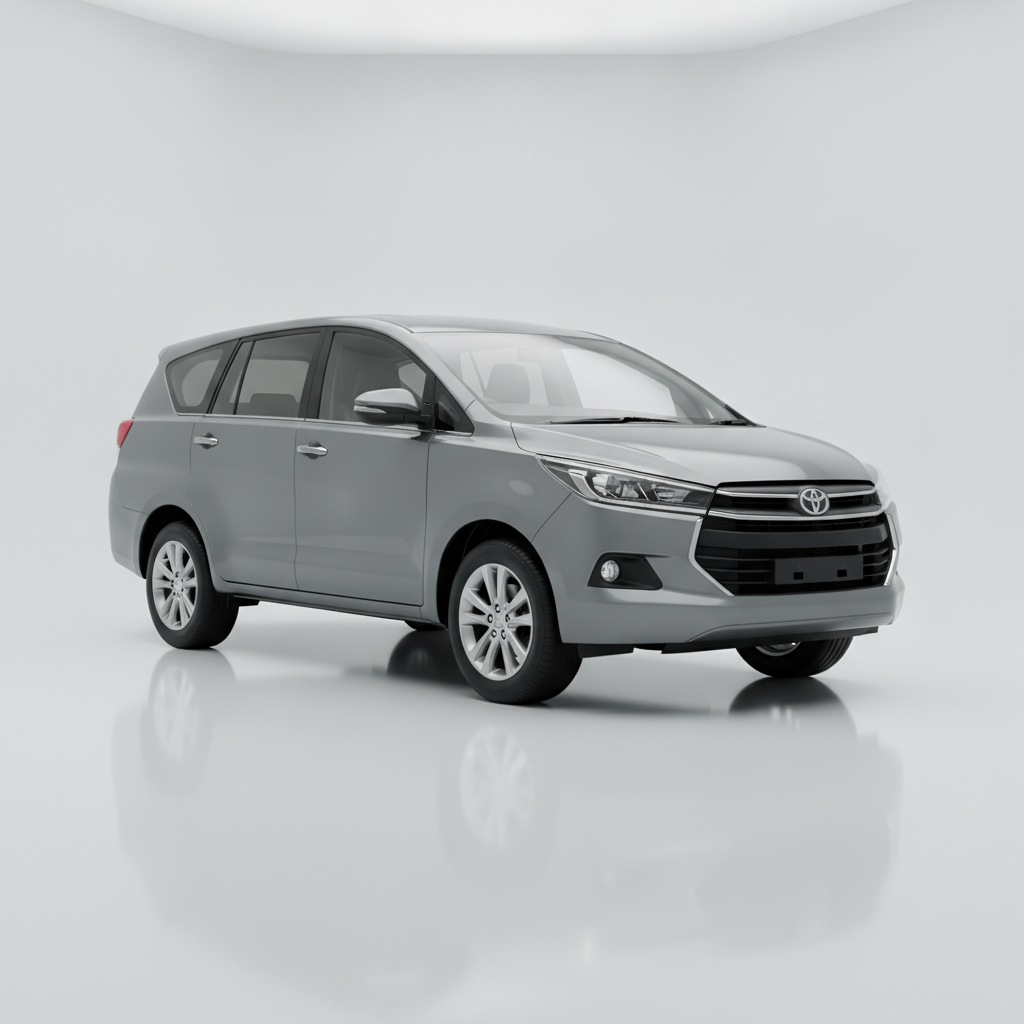
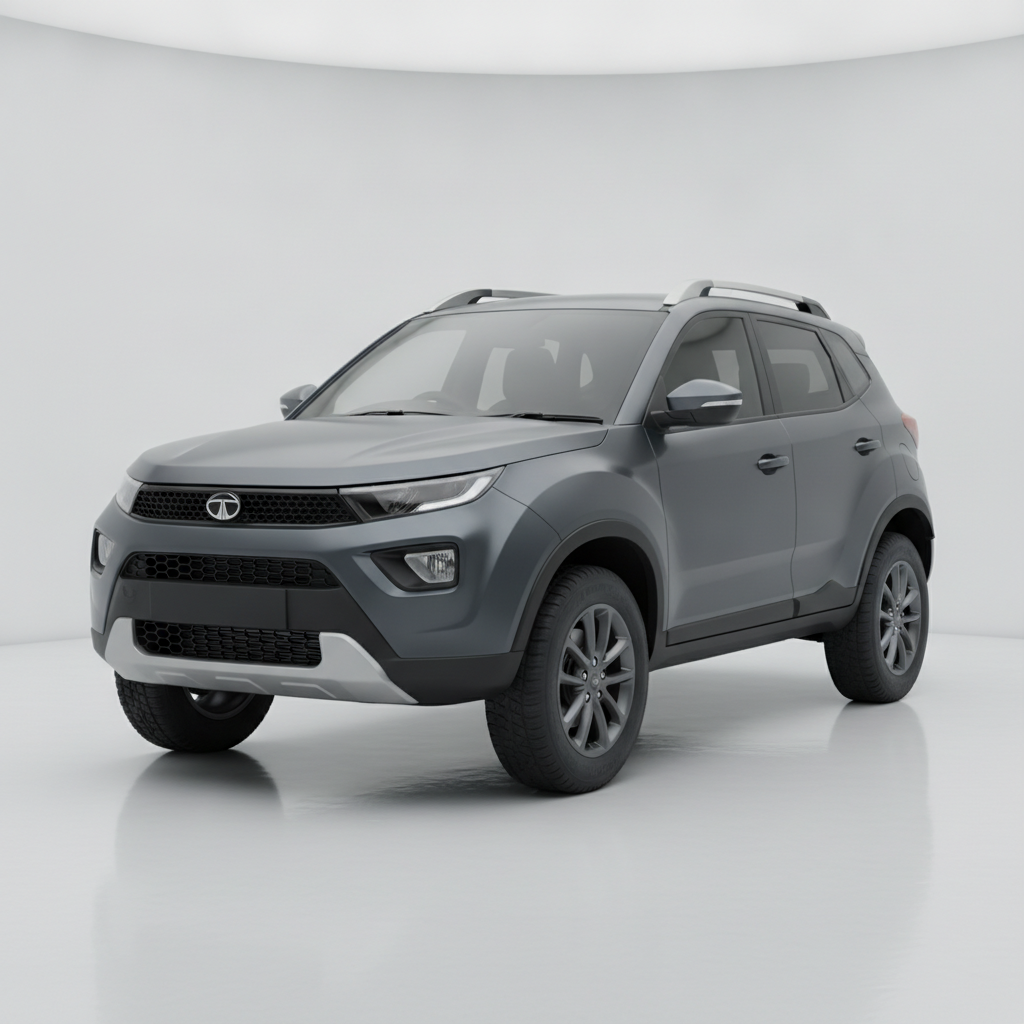
Buyers who can stretch a few additional lakhs should run the numbers on hybrids before deciding. The Toyota Innova Hycross (from Rs 19.3 lakh) is made in India and delivers 21.1 kmpl in self-charging hybrid mode — roughly 20–25% better than a comparable petrol-only MUV. Over five years and 80,000 km of typical family use, that efficiency gap translates to a meaningful fuel saving even at today's pump prices, offering a natural hedge against the inflationary pressure the RBI has now formally baked into its projections. On the more affordable end, the Tata Nexon (from Rs 8 lakh) with its CNG option cuts running costs further — and Tata's deeply localised supply chain makes it among the least exposed models to any global component disruption driven by Southeast Asia's escalating trade-bloc tensions. For buyers ready to commit to electric, Mahindra's BE 6 (from Rs 18.9 lakh, 490 km ARAI-certified range on the 59 kWh pack) is the company's "Attack Mode" made tangible: a purpose-built Indian EV that eliminates petrol cost exposure entirely.
The India-UK trade deal warrants a reality check for luxury buyers. The new TRQ covers a limited annual volume of UK-manufactured vehicles at concessional duty — the primary beneficiaries are models built at UK plants, which is a narrow set. The Mercedes-Benz C-Class (from Rs 60 lakh) and GLC (from Rs 74 lakh) are assembled in Pune and are completely unaffected by the UK quota. Fully CBU imports — the Lexus ES (from Rs 64.2 lakh), the Volvo XC60 (from Rs 67.9 lakh), and the Porsche Macan (from Rs 88 lakh) — face the same high tariff structure as before and will not see meaningful price relief from this agreement. With the rupee on a gradual softening trend against the dollar, prices on non-UK imports have more upward pressure than downward through the second half of 2026.
The practical takeaway for any buyer in July 2026 is this: economic conditions currently favour action over waiting. Financing costs are stable, locally made cars are competitively priced, and the forces that would push those prices higher — inflation passing through to components, a softer rupee, and potential future GST revisions — are already in motion rather than merely theoretical. The Hyundai Creta, Kia Seltos, and Mahindra XUV700 anchor the sweet spot for buyers in the Rs 11–16 lakh bracket. Efficiency-first buyers should shortlist the Toyota Innova Hycross or the Tata Nexon CNG variant. Those making the EV leap should look seriously at the Mahindra BE 6. The one move the current macro environment argues most clearly against: holding out for a price correction on a non-UK import. That cut is not coming in 2026, and every month of delay on a locally built car is a month of financing stability already earned and left on the table.